 spotless.ie
A Dublin house clearance, start to finish
A family home after a bereavement, a rental between tenants, a house that's simply full after forty years: most clearances come down to care and organisation far more than muscle. We clear houses in Dublin every week, and the ones that go best are planned properly from the first photo you send.
Spotless is based in Dublin. Our house clearance services cover Dublin and all of Leinster, but the city and county are where most of our working days are spent. Here's what to expect when we clear a Dublin house:
- The price is agreed first. We work it out from your photos and fix it before a date goes in the diary, so nothing is added on the day.
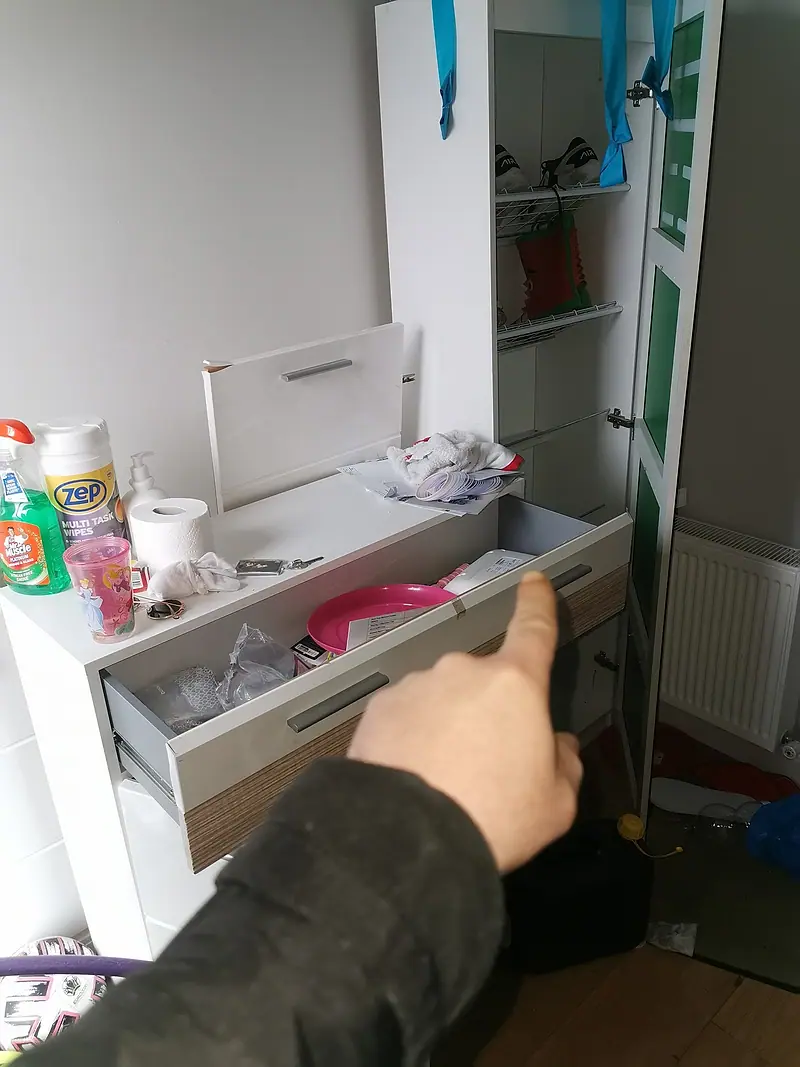
- You choose what stays. Point things out beforehand, or go through the rooms with us while we work.
- Nothing leaves unchecked. Drawers, wardrobes, boxes and coat pockets are opened, and papers, photographs, cash, keys and anything personal are handed back to you.
- Stairs and carpets covered. Covers go down before the first heavy piece is carried out.
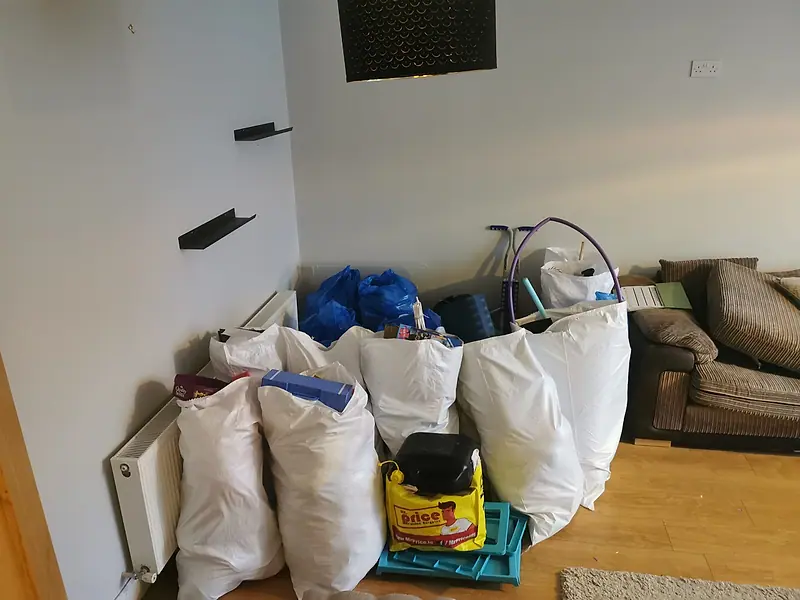
- Sorted on the way to the van. Reusable things are kept apart, metal and electricals are recycled, and only the remainder goes to licensed facilities.
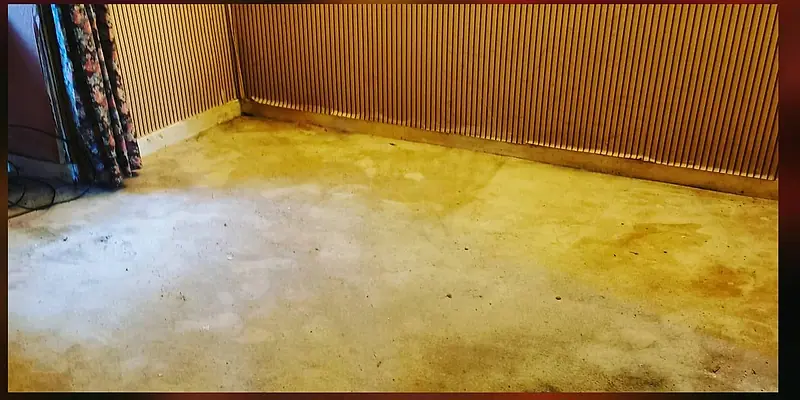
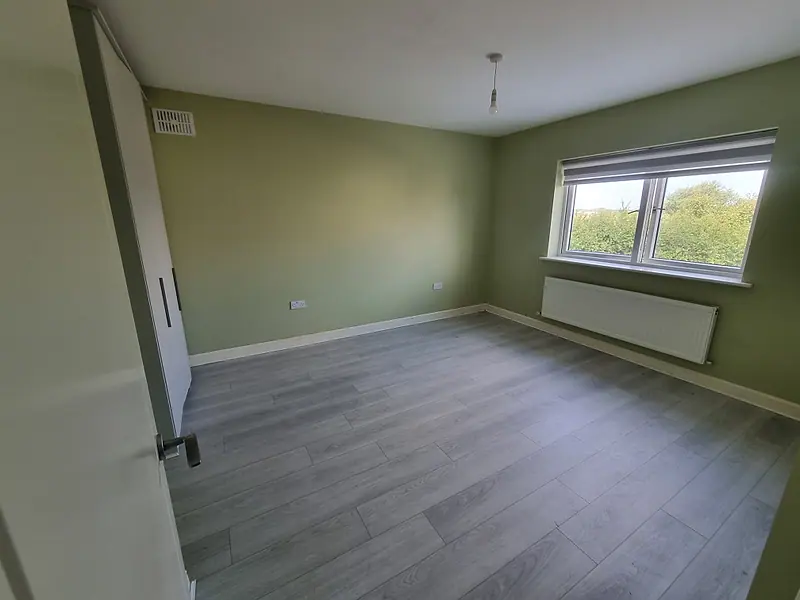
- Rooms left clear. Swept through at the end, or hoovered where there's carpet.
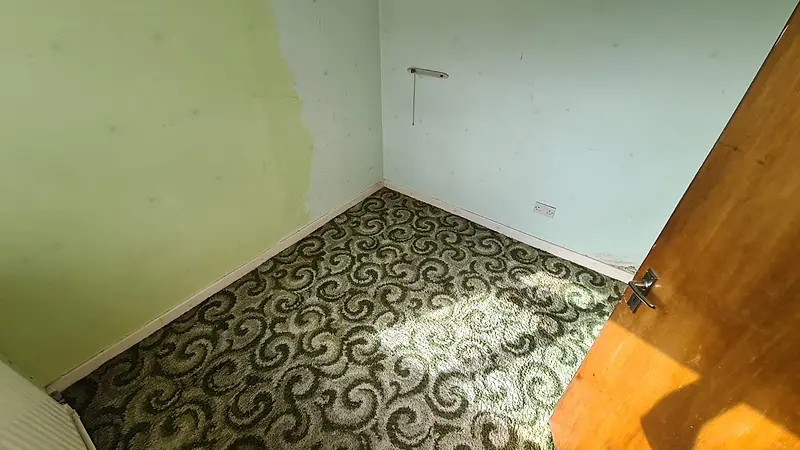
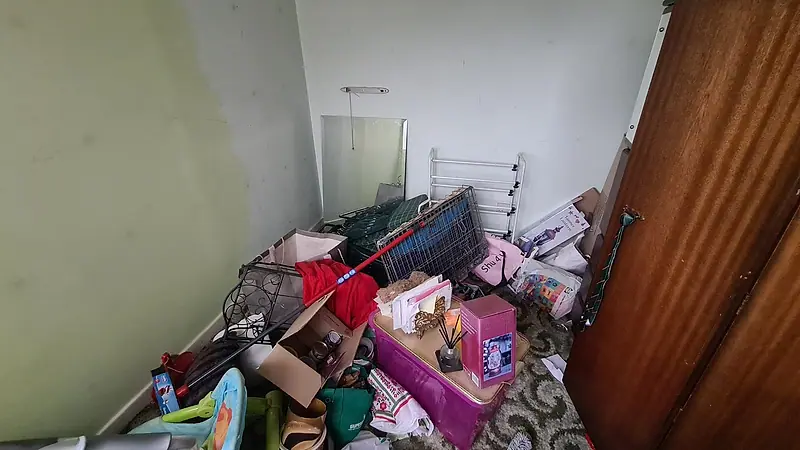
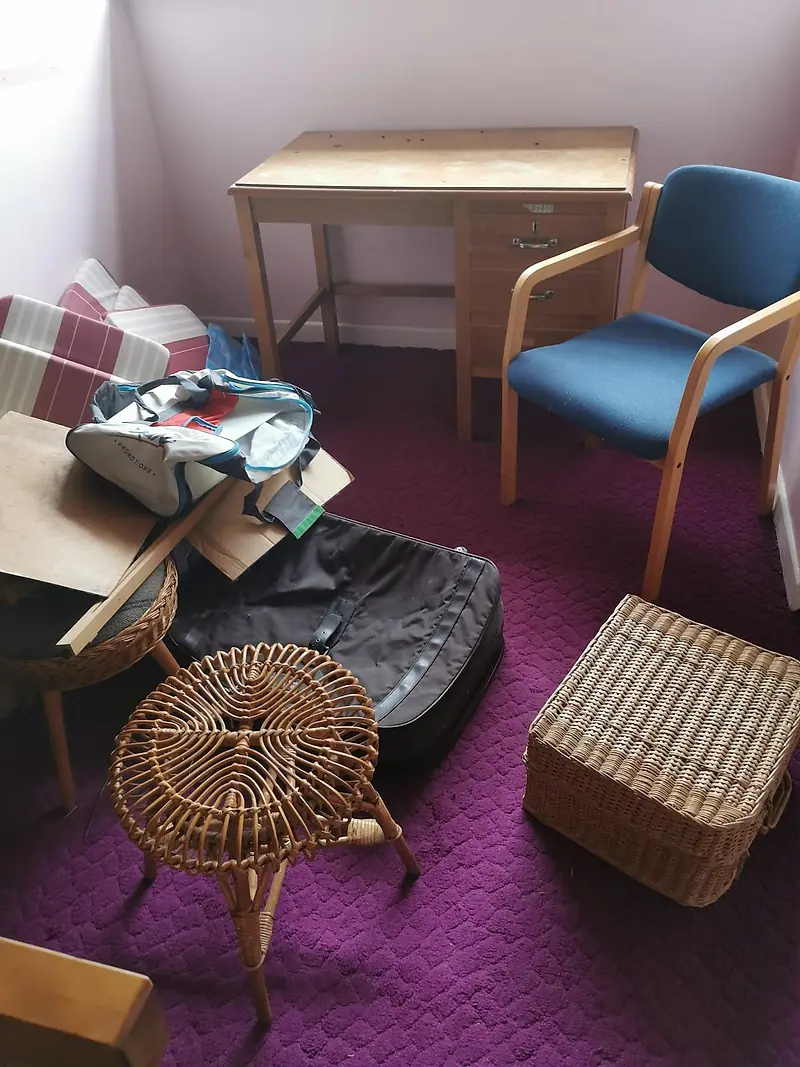
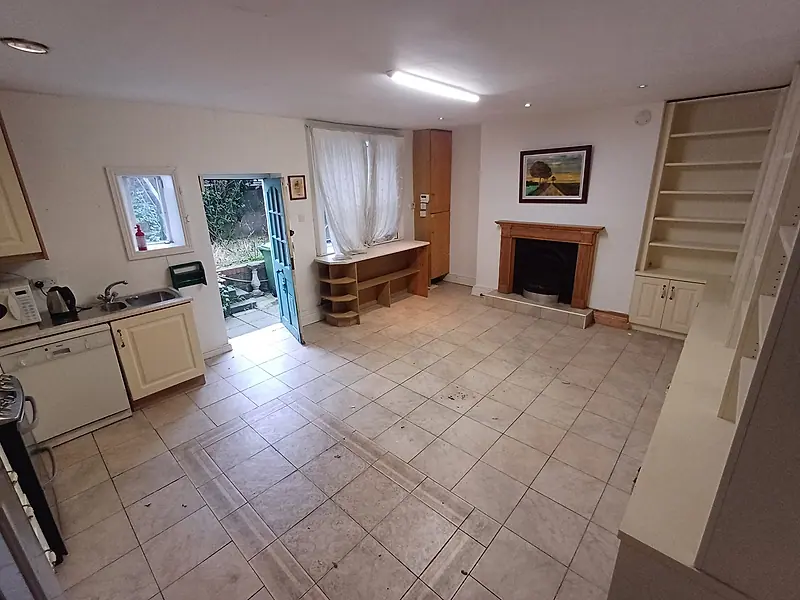
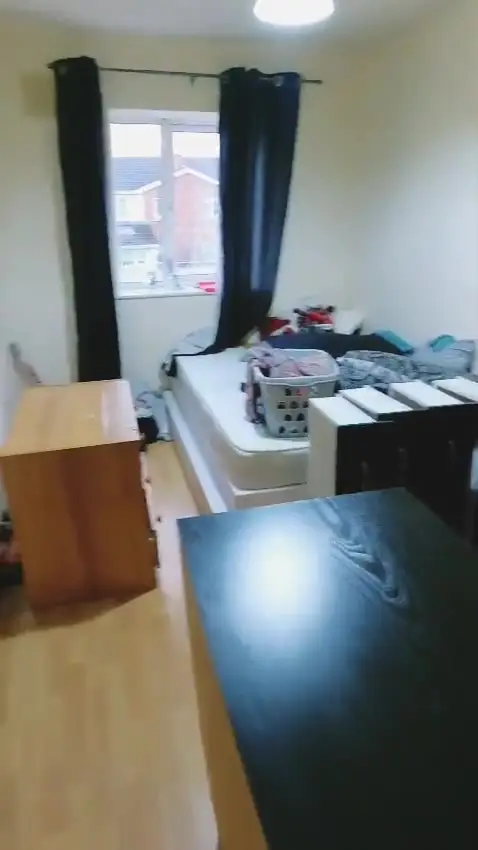
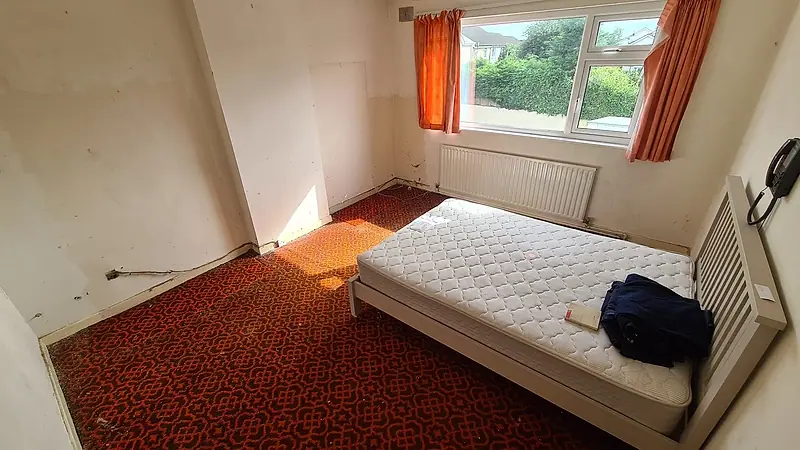
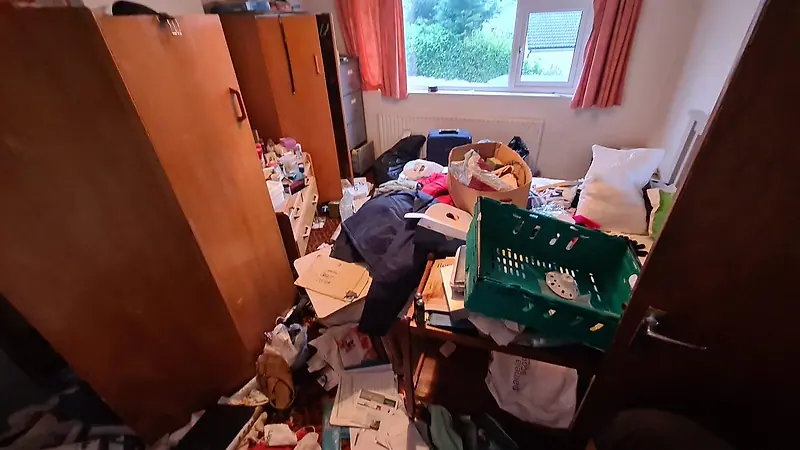
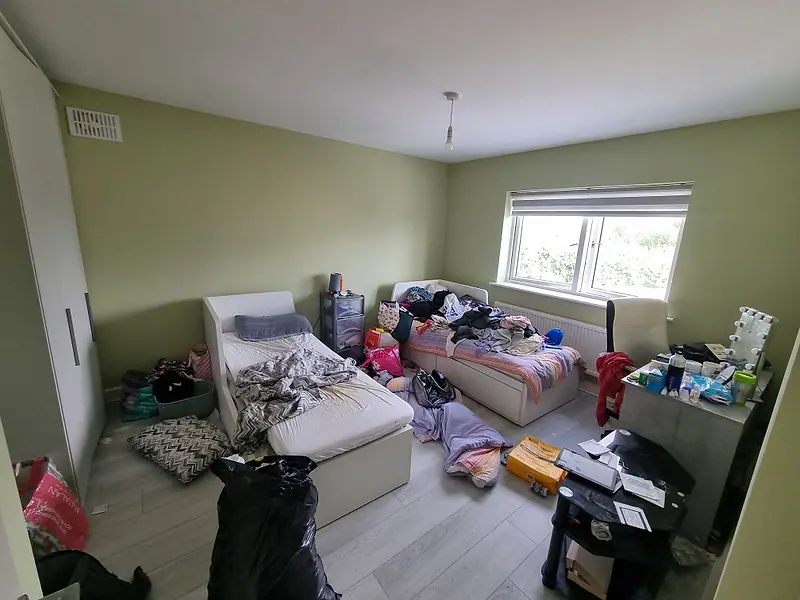
That box room was one of three bedrooms we cleared in a family house in Sutton, and the photo at the top of this page is from the same job.
What we clear in Dublin homes
A full clearance covers anything you aren't keeping, from the attic boards down to the back wall of the garden:
- Furniture: sofas, beds, wardrobes, dining sets, flat-pack, bulky antiques
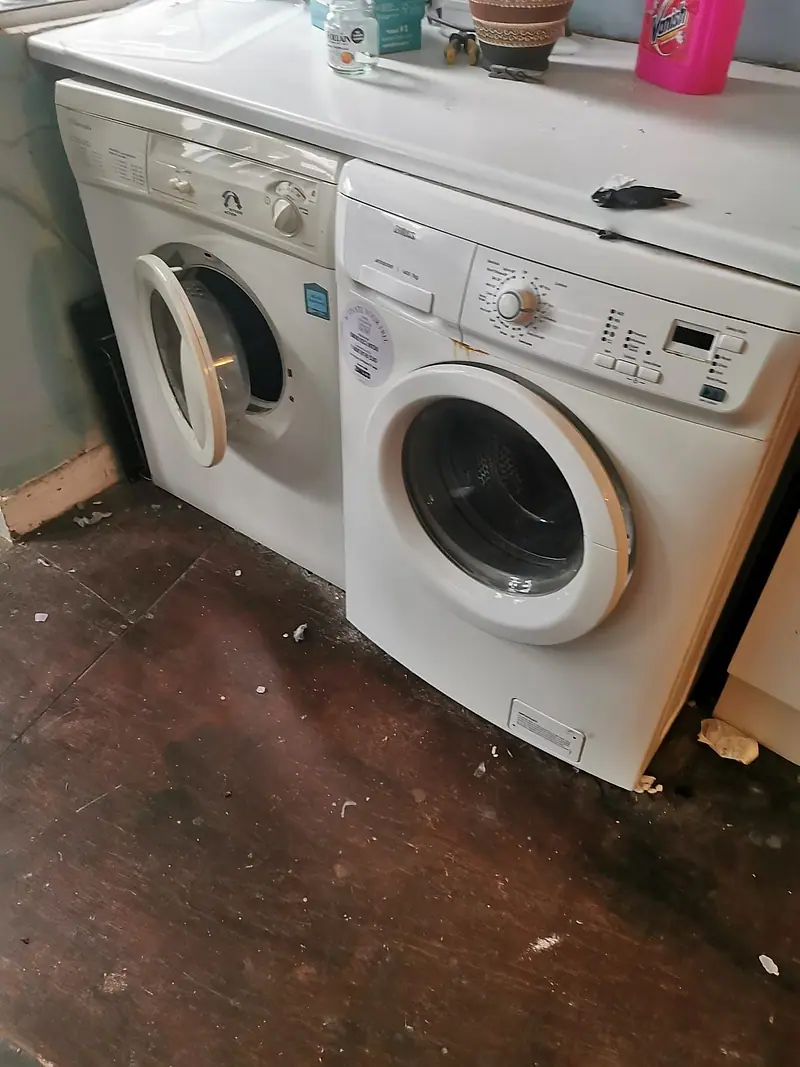
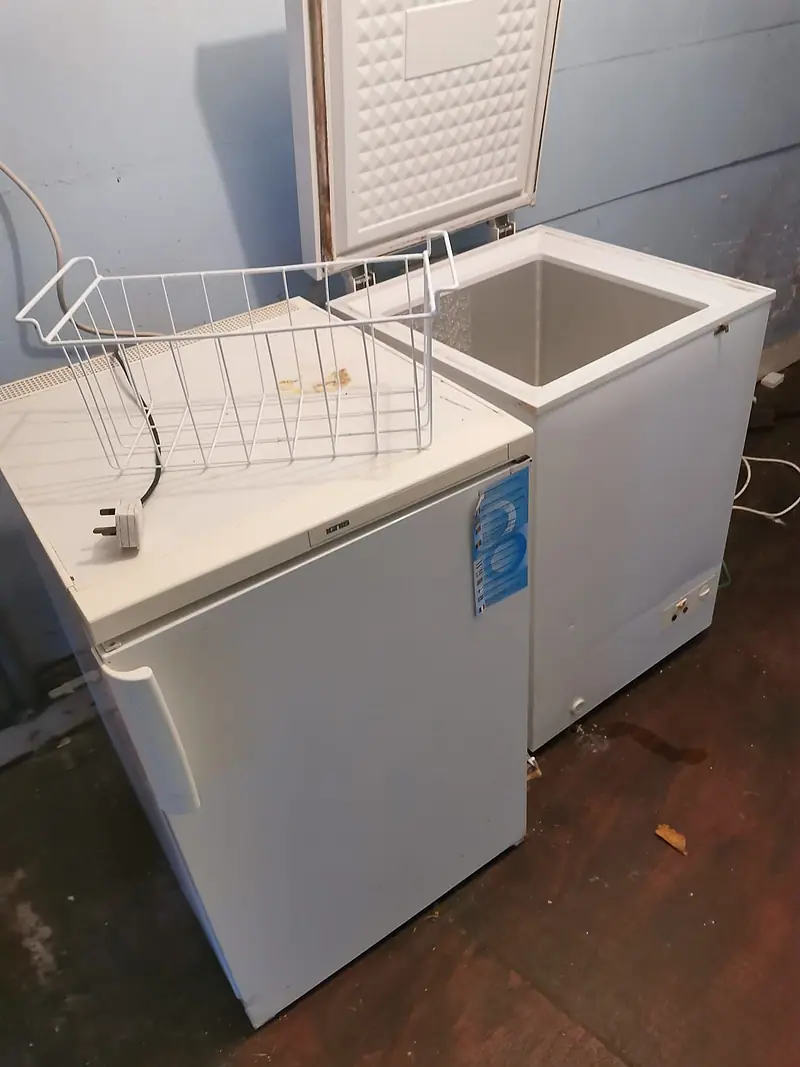
- Appliances: fridges, freezers, washing machines, cookers, TVs and small electricals
- Contents: clothes, books, kitchenware, bedding, ornaments, paperwork you've finished with
- Attics and lofts: decades of boxes, Christmas decorations, old suitcases, loose timber (attic clearance)
- Garages and sheds: tools, bikes, paint tins, garden furniture, and the shed itself if needed (garage and shed clearance)
- Gardens: cuttings, broken pots, old play equipment and green waste (garden clearance)
If you only need one room, one item or one van load, see junk removal and furniture removal. It's the same crew, priced to suit a smaller job.
Room by room: how the day runs
Every house is a little different, but a Dublin clearance usually follows the same order. Working from the top down means each load only travels the stairs once, and rooms that are finished stay finished.
- The attic. Boxes come down the ladder one at a time, and you can look through them on the landing before they go anywhere.
- Bedrooms. Wardrobes and chests of drawers are emptied and checked, then beds and wardrobes are taken apart if they won't make the turn on the stairs.
- Bathroom and hot press. Towels, bedding and toiletries are bagged. Cleaning chemicals are kept separate from everything else.
- Kitchen. Presses are emptied, food and crockery cleared, and the fridge-freezer and washing machine unplugged for appliance recycling. Fitted units stay put unless we've agreed otherwise.
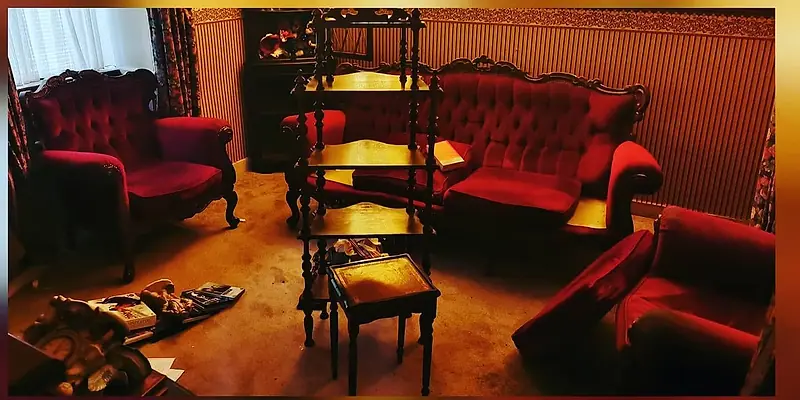
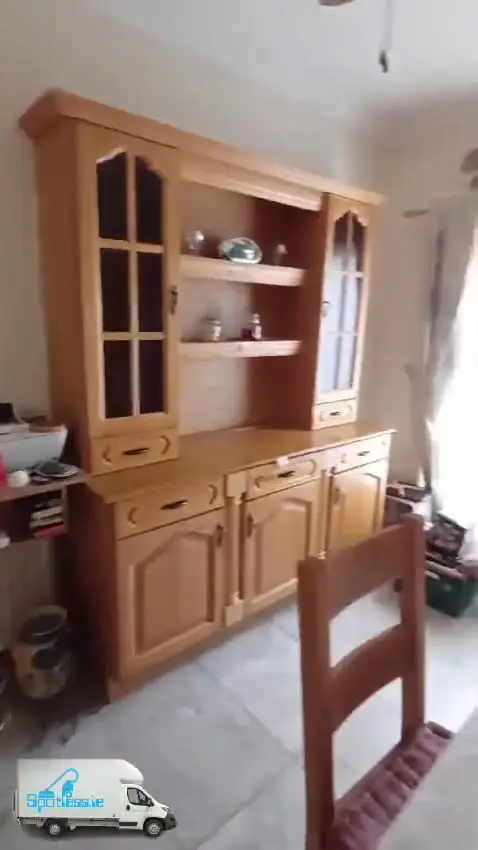
- Living and dining rooms. Sofas, sideboards, display cabinets, pictures and rugs. This is usually the heaviest part of the day.
- Garage, shed and garden. The outside spaces go last, once the house is empty and the route to the van is clear.
- The walk-round. We go through every room with you, or send photos on WhatsApp if you can't be there, before the van leaves.
Dublin houses come with Dublin challenges
We clear everything from Victorian red-bricks to 1970s semis and city-centre apartments, and the house type changes how we plan the job:
| House type | What it usually means for the clearance |
|---|---|
| Victorian and Edwardian terraces (Rathmines, Ranelagh, Drumcondra, Phibsborough) | Narrow halls and steep stairs, furniture that came in before the doors were changed, street parking only. More hands, more care, more time. |
| 1930s–1950s houses (Cabra, Crumlin, Marino, Drimnagh) | Small rooms packed with decades of contents, often a garden shed and outhouse too. |
| 1970s–1990s estates (Lucan, Tallaght, Swords, Castleknock, Clondalkin) | Driveway parking and easy loading, but full attics and garages are common. |
| Apartments (city centre, Docklands, Sandyford, Dún Laoghaire) | Lifts, management company rules, loading bays and time slots. See apartment clearance. |
| Large period houses (Dublin 4, Dublin 6, Foxrock, Howth, Killiney) | Multiple floors, basements and outbuildings: often a two-day job with a bigger crew. |
When you send photos, a quick note about stairs, parking and anything very heavy (pianos, safes, solid wood wardrobes) helps us send the right crew and price it properly. For a closer look at the housing in each part of the city, we have separate pages for the northside and the southside.
How long a Dublin clearance takes
The honest answer is that it depends on what's inside, but these are the usual ranges for our crew:
| What's being cleared | Usual time on site |
|---|---|
| A single room, box room or garage | Part of a day |
| One- or two-bed apartment | Usually a day or less, depending on the lift |
| Two-bed cottage or small terraced house | Around a day and a half |
| Three-bed semi with a full attic | One to two days |
| Large house with a garage, shed and outbuildings | Two days or more, sometimes with a bigger crew |
Time stretches when there's no parking near the door, when the attic is packed to the felt, or when the family wants to sort as we go. None of that is a problem. We allow for it in the plan and tell you when you get the quote, and time is one of the four things that set the price, along with the volume, the access and any items that need special disposal.
Parking, permits and the walk to the van
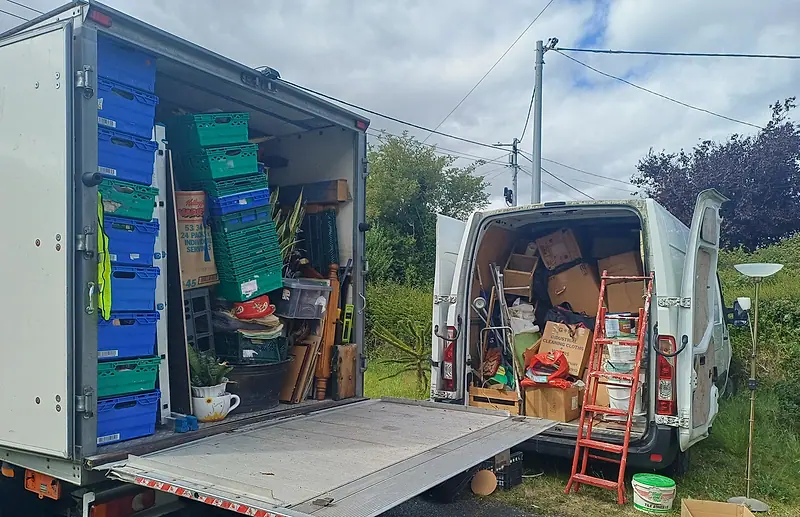
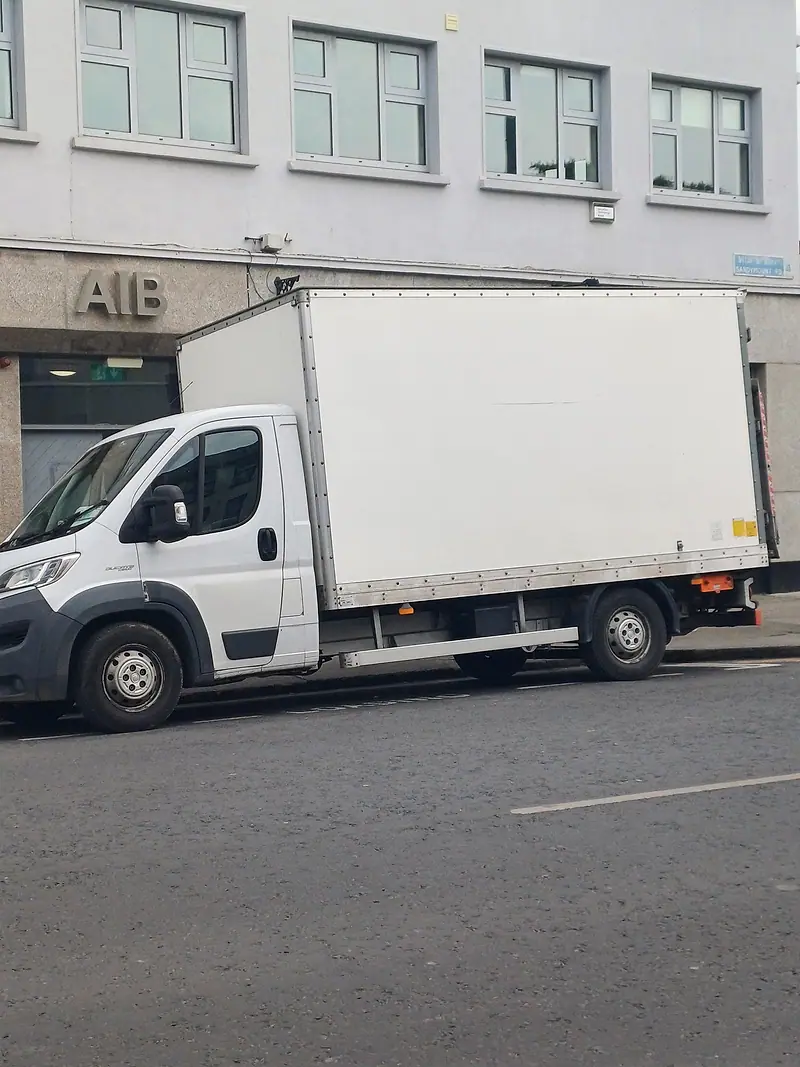
Our Luton van needs somewhere to stop close to your front door. In Dublin that's often the trickiest part of the whole job, so we ask about it when we quote:
- Driveways. The easiest option. If a car normally sits there, move it the night before if you can.
- Residents' permit and pay-and-display streets. Common across the inner suburbs. A visitor permit for the day helps; if there isn't one, we'll find the nearest legal place to stop.
- Clearways and bus lanes. On main roads we time the loading to avoid rush hour.
- Terraces with no front garden. The van waits on the street and we carry straight out of the front door, with covers down in the hall.
- Apartment blocks. Loading bays, set-down areas and car park height barriers all need planning ahead.
When people call us
Most Dublin clearances start with one of four situations:
- A bereavement. Emptying a parent's or relative's home, often while probate is still being sorted. We go gently and at your pace; see bereavement house clearance.
- A sale or a new letting. The estate agent wants the house empty for photos and viewings, or the landlord needs it ready for the next tenancy. That's property clearance.
- Downsizing or emigrating. You're taking the essentials and want everything else gone in one visit. If you're staying put and only need a few rooms done, a house clear out is the lighter option.
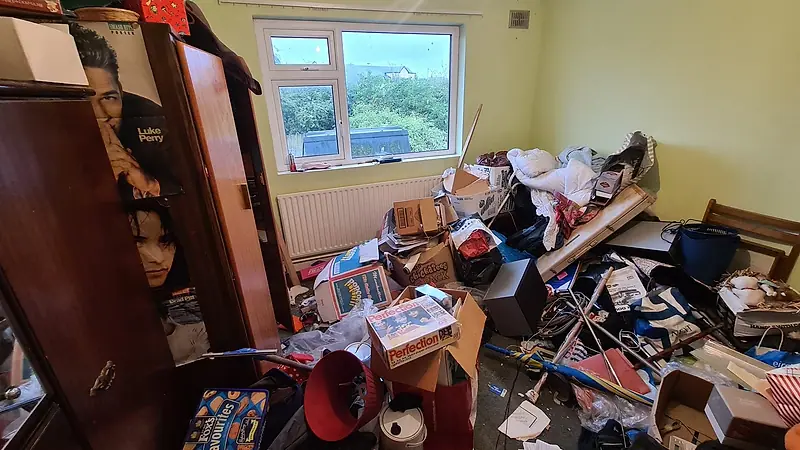
- A home that has become too full for someone. We're discreet and never judgemental, and we can work in stages. See hoarder clearance.
Want a price for your house? Photograph each room, the attic and any shed, add your area, and send it on WhatsApp. We'll reply with a fixed price, usually the same day.
When you can't be there on the day
Plenty of Dublin clearances are arranged by someone who isn't in Dublin at all: a son in London, a daughter in Galway, an executor juggling a full-time job. That's fine. A neighbour, a relative or the estate agent can let us in, or the key can be left in a lockbox.
We'll message you on WhatsApp before we start, check with you about anything we're unsure of while we work, and send photos of every empty room at the end. Whatever we set aside for you, such as post, documents, photographs and jewellery, is left together in one place or with whoever holds the key.
Where your things go
We don't treat a clearance as one big trip to the dump. Things are sorted as they come out of the house:
- Reuse: furniture and household goods that still have life in them are kept apart so they can go on to someone else where possible.
- Recycling: metal, electricals, appliances, cardboard and glass are separated out.
- Disposal: whatever is left goes to licensed waste facilities.
SPOTLESS.IE is operated by Krystal Klean Express Limited (trading as Krystal Klean), an authorised waste carrier holding a valid Waste Collection Permit issued by the National Waste Collection Permit Office. Permit No. NWCPO-25-13287-01.
That matters to you as well as to us. If household waste ends up dumped by an unpermitted collector, it can be traced back to the house it came from. There's more on this in our guide to where cleared furniture ends up.
Why Dublin families choose Spotless
Our Google reviews all come from real customers, and the same few things turn up in them again and again:
- Respect. Bereavement clearances are a big part of our work, and families often mention how patient the crew was and how carefully personal belongings were handled.
- Keeping our word. People mention work finished in the time we said, at the price we quoted, even on clear-outs that turned out larger than anyone expected.
- Easy to deal with. Most jobs are arranged over WhatsApp: photos in, a price back, updates on the day and a final check.
- Nothing left behind. The attic, the shed and the forgotten press under the stairs get done as well as the rooms you can see from the hall.
We're fully insured on every job, so if something does go wrong while we're in your home, it's covered.
Getting ready for the clearance
You don't need to do much. If you can, though:
- take out anything you're keeping, or mark it clearly
- gather important papers you've already found (deeds, wills, bank statements)
- empty the fridge of food the day before, or ask us to do it
- let us know about parking, alarms and who has the keys
Our guide on how to prepare a property for clearance covers it step by step.