
The short version
If you only have ten minutes, do these:
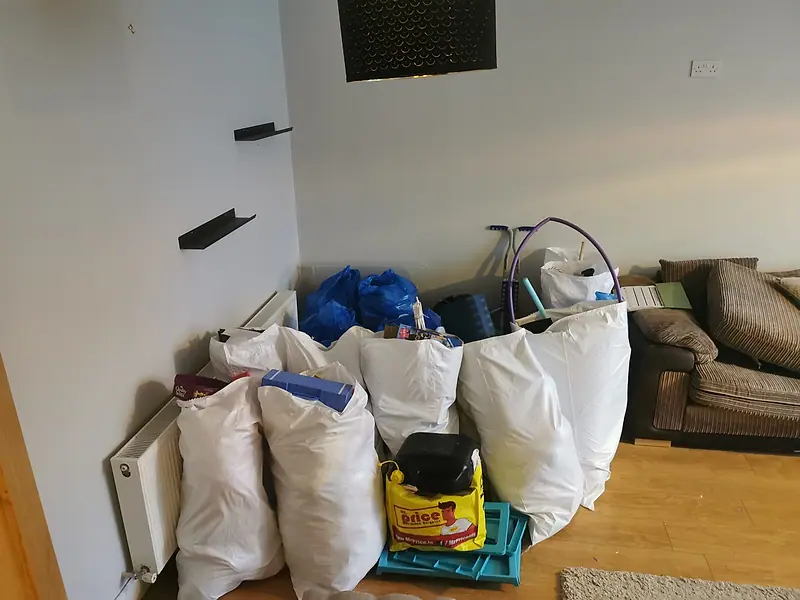
- Remove or clearly mark everything you're keeping.
- Find documents, keys and valuables before anyone starts bagging.
- Empty and switch off the fridge and freezer a day or two before.
- Sort out parking for a large van as close to the door as possible.
- Tell the crew about access: the attic, shed and garage, alarm codes and keys.
- Be there, or be reachable, on the day.
The rest of this guide explains each step, and the other things that help.
A week or two before: decisions and paperwork
The most useful preparation is deciding, not lifting. Agree who has the final say, especially if several family members are involved, and make one person the contact for the clearance company.
Then search for the important things. Look in drawers, wardrobes, coat pockets, handbags, books, biscuit tins and the hot press for:
- wills, deeds, leases, bank and credit union books, pension and insurance papers
- passports, and birth and marriage certificates
- cash, jewellery, watches and medals
- keys for cars, sheds, garages and other properties
- photographs, letters and keepsakes
- phones, laptops, tablets and memory sticks with personal data on them
A good clearance crew checks drawers and pockets as they go, but you know where things are likely to be hidden. If anything might matter for insurance or probate, note it or photograph it before the clearance. If the clearance follows a death, our bereavement clearance guide covers the executor's side.
Labelling: one simple system
Labels prevent mistakes. Use one system, and make sure everyone involved knows it.
| Label | Meaning |
|---|---|
| KEEP | Stays in the house; don't touch |
| A family member's name | Going to that person; leave it for them to collect |
| CHECK | Not decided yet; ask before it goes |
| No label | Can go |
Better still, move everything you're keeping into one room and put a sign on the door. A single keep room is far easier for a crew than stickers scattered through the house. For things you can't move, like a piano or a fitted wardrobe, a clear label and a mention when you book is enough.
Things to sort before the crew arrives
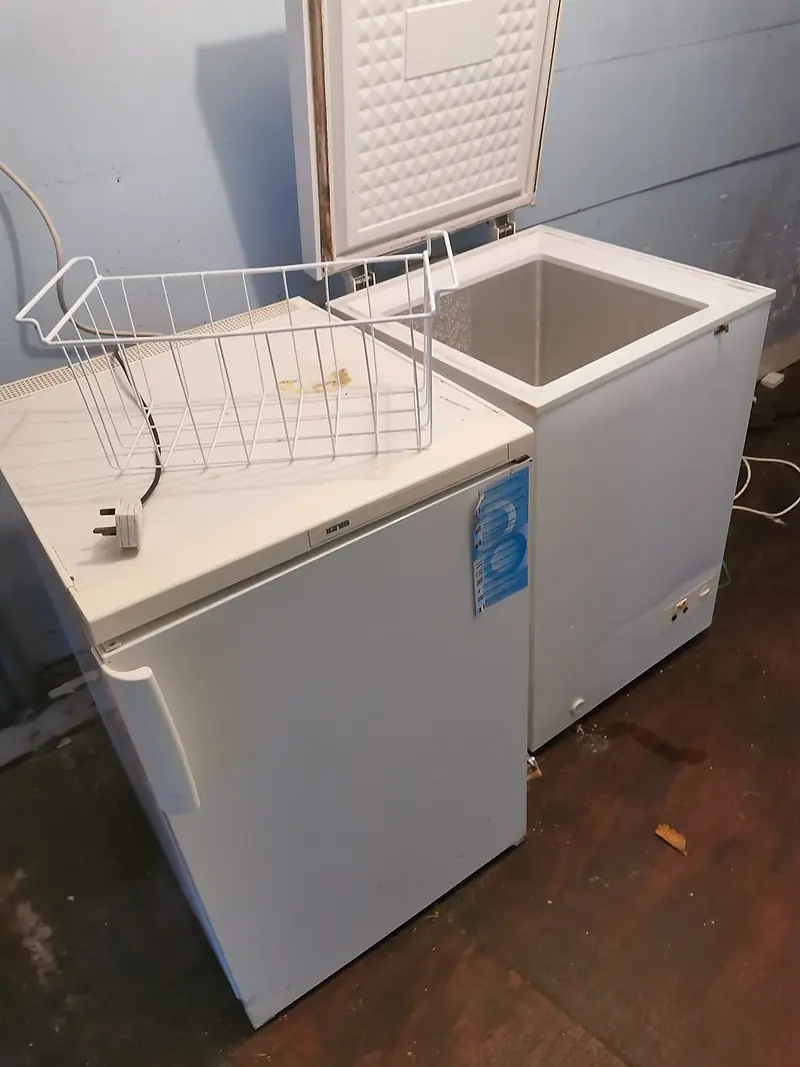
Appliances. Empty the fridge and freezer and switch them off a day or two before so they defrost, leaving the doors slightly open. Unplug the washing machine and turn off its water supply. A gas cooker must be disconnected by a Registered Gas Installer before it's moved.
Things that aren't yours. Broadband routers and TV boxes often belong to the provider and may need to go back. Mobility aids, hospital beds or hoists supplied by a health service may need to be returned too, so ask who supplied them. Return anything borrowed or hired.
Hazardous items. We can't take paint, chemicals, gas cylinders or anything that might contain asbestos. Use a civic amenity site or a hazardous waste collection for those, and we'll clear the rest.
Medicines. Return old prescriptions and medicines to a pharmacy rather than leaving them in the house.
A rented property. If the house is rented, check with the landlord or the letting agent what belongs to the property and must stay, such as the landlord's furniture, white goods, curtains or a fitted wardrobe. A short list or a few photos agreed in advance avoids anything being cleared by mistake.
 spotless.ie
Parking, access and the neighbours
A clearance crew carries everything out to the van, so every metre counts.
- Parking. A Luton van needs a decent space. If there's a driveway, keep it free. On a busy terrace, ask a neighbour whether they can leave a space outside, and tell the crew about permit parking.
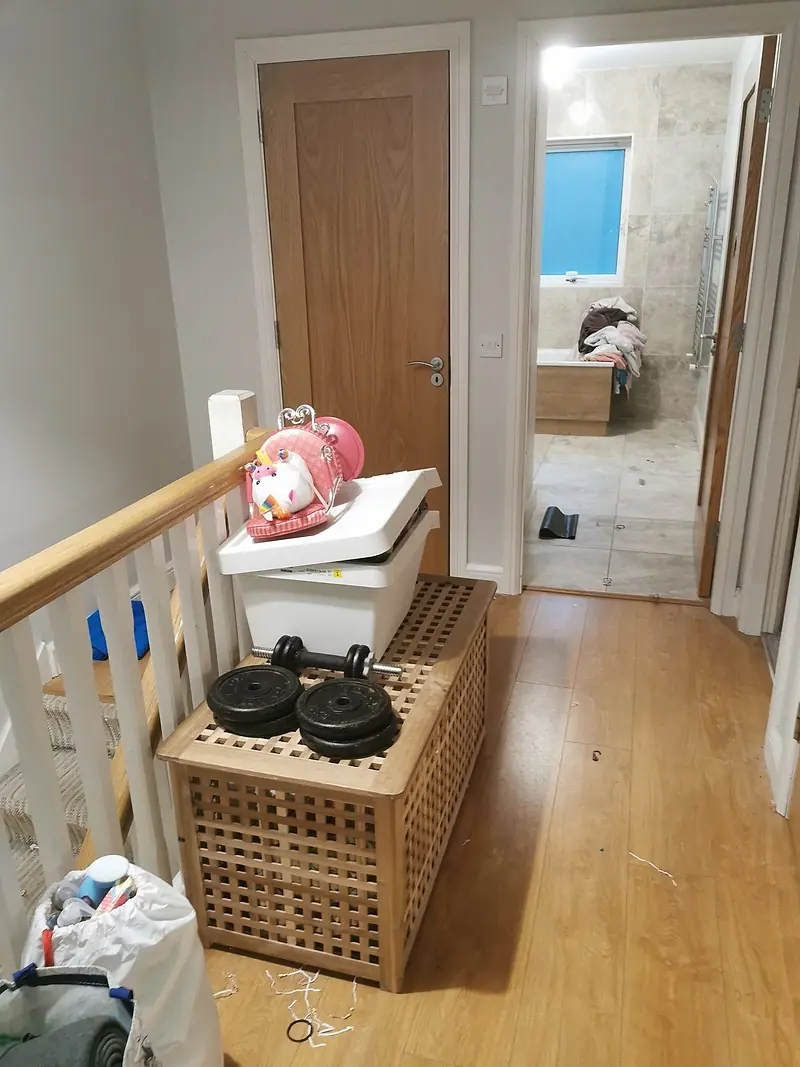
- Routes. Clear a path through the hall and up the stairs, and move rugs, plants and anything fragile out of the way.
- The awkward spaces. Make sure the attic hatch can be reached, and that the garage and shed are unlocked or their keys left out.
- Alarm and keys. Share the alarm code, or be there to turn it off.
- Pets and children. Keep them away from the work and the open front door.
- Neighbours. A quick word that a van will be outside for the day avoids surprises, especially on a narrow road or in a cul-de-sac.
The house itself: utilities and admin
If the house is going to sit empty after the clearance, a few practical jobs are worth doing:
- take meter readings on the day
- tell the home insurer if the house will be unoccupied
- set up post redirection with An Post
- cancel or change the bin collection
- leave the heating on low in winter so the pipes don't freeze
- keep the electricity on until the clearance is finished, so there's light in the attic
Ready for a price? Send photos of each room, plus the attic, garage and shed, on WhatsApp. We'll reply with a fixed price, usually the same day.
On the day
Be at the house for the start if you can, or stay available by phone. Walk the crew through each room, show them the keep room and point out anything marked CHECK. If you can't be there, agree a list in advance and ask for photos as the work goes on. Our reviews often mention being able to sort and keep things on the day, so don't feel you have to decide everything beforehand.
A typical full house takes one to two days. Bigger houses are usually cleared from the top down: the attic first, then the bedrooms, then downstairs, and finally the garage, shed and garden, so everything only travels through the house once. Before the crew leaves, walk through every room and open every press.
After the clearance
Rooms are left clear, with floors swept or vacuumed where needed. A clearance isn't a full clean, so if the house is going on the market or to a new tenant, you may want cleaners in afterwards. Empty rooms are also the easiest time to have the carpets cleaned, and if the outside needs freshening up for the estate agent's photos, see power washing.
Getting the clearance booked
Our Dublin house clearance service works from photos with a fixed price, and we cover the rest of Leinster too. To see exactly what's taken, read what a house clearance includes, and for how prices are worked out, see our house clearance cost guide.
The harder-to-reach spaces have their own pages: attic clearance, garage clear-outs and shed clearance, and flats have their own logistics, covered under apartment clearance. For a home that has become very full, our hoarder clearance service works in stages. Clearing the house room by room yourself first? Our room-by-room guide suggests an order.
