
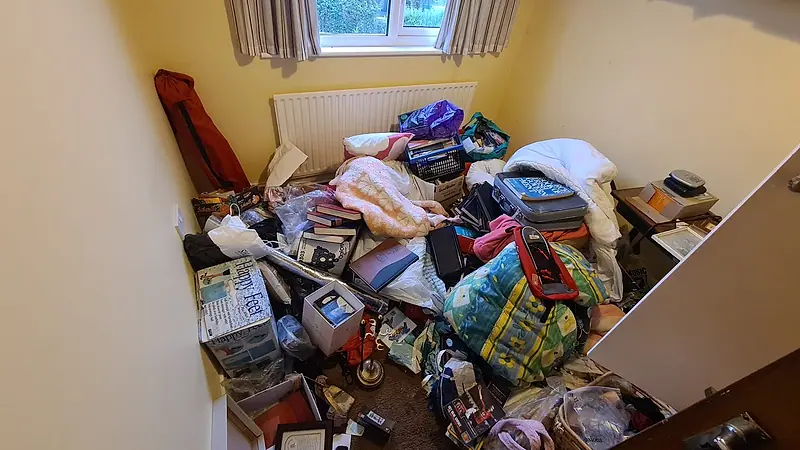
What a complete clearance covers
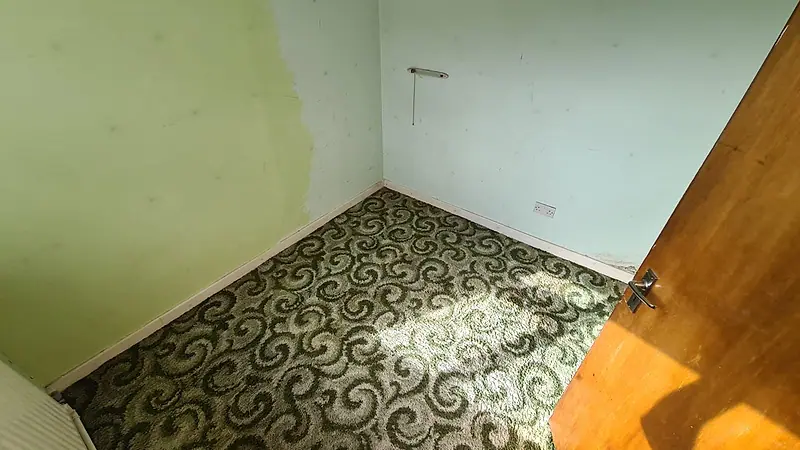
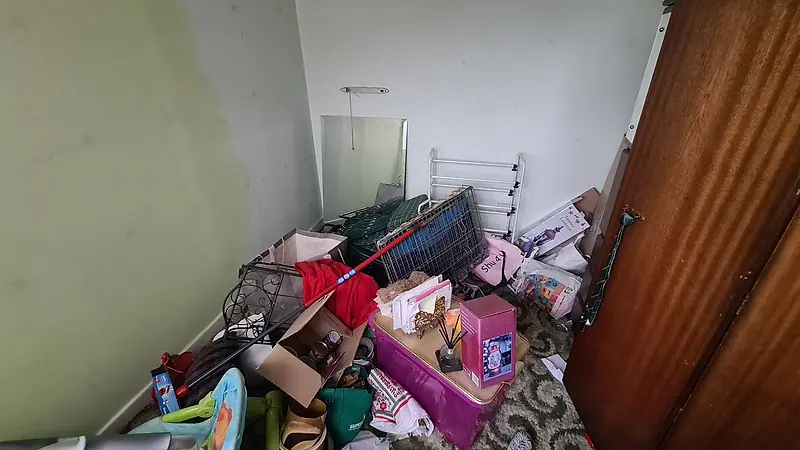
A complete house clearance leaves the property empty: every room, every press and wardrobe, plus the attic, the garage, the shed and the garden. Fixtures such as the fitted kitchen and bathroom stay unless you've arranged otherwise, and the rooms are left swept or vacuumed, ready for an estate agent, a landlord or builders.
In Dublin, most full houses take one to two days with a crew of two or three. A two-bed cottage can be done in a day and a half; a big period house with a basement, a packed attic and outbuildings takes longer. The clearance itself is the quick part. The planning around it is what makes it go well. Our guide to what a house clearance includes sets out the scope room by room.
The timeline at a glance
| When | Focus |
|---|---|
| Four weeks out | Decide who's in charge, set the deadline, get a quote |
| Three weeks out | Find documents and valuables, choose keepsakes, sell or give away good pieces |
| Two weeks out | Utilities, post, insurance, bins and subscriptions |
| The week before | Keys, parking, alarm codes, a final walk-round |
| Clearance day | Top to bottom, back to front |
| Handover day | Meter readings, photos, keys |
If your deadline is closer than four weeks, compress the plan rather than skipping steps. The order still works, and we can often come within a couple of days of you accepting the quote.
Four weeks out: decide and book
- Agree who's in charge. One person makes the calls and is the contact for the clearance company. After a death, that's usually the executor; our guide to clearing a house after a death explains why.
- Fix the deadline. A closing date, a lease end, a new tenant, the agent's photographer. Work back from it.
- Get a quote. Photograph every room, the open wardrobes, the attic, the garage, the shed and the garden, and send them with the Eircode. Our house clearance cost guide explains what goes into the price.
- Pencil in a date. Once the clearance day is fixed, everything else can be planned around it.
Three weeks out: valuables, keepsakes and paperwork
This is the slowest part and the one that matters most.
- Search for documents: wills, deeds, bank, credit union and post office books, insurance and pension papers, share certificates, car documents and passports.
- Look in the odd places: biscuit tins, coat pockets, under mattresses, the back of the hot press, between the pages of books.
- Choose keepsakes. If several family members are involved, agree an order so everyone gets a fair turn.
- Sell or give away good pieces. Valuable furniture, art or collections should be valued and sold before the clearance, not after. If the house is part of an estate, ask the solicitor first.
- Set up a keep room. Put everything that's staying in one room and label the door. On the day, the crew works around it.
We check every drawer and box as we clear and set aside anything that looks personal or important, but the more you've found beforehand, the easier it is for everyone. Our guide on how to prepare a property for clearance has more tips.
 spotless.ie
Two weeks out: utilities, post and insurance
- Keep the electricity on until the clearance is finished. The crew needs light in the attic and on the stairs. Arrange final meter readings for handover day instead.
- Think about the heating. If the house will stand empty through the winter, ask a plumber whether to leave the heating on low or drain the system, to avoid burst pipes.
- Redirect the post. An Post runs a mail redirection service, so letters follow the person or the executor.
- Tell the home insurer. Many policies have conditions for properties left unoccupied, so check before the house sits empty.
- Cancel or transfer the bin collection, broadband, TV and any subscriptions, timed to the handover date.
- Gas cooker: have it disconnected by a registered gas installer before clearance day.
- Medicines: take unused medicines back to a pharmacy rather than leaving them in the house for the clearance.
Planning a full clearance? Send photos of every room, the attic, the garage and the garden with the Eircode. We'll reply with a fixed price and help you plan the date, usually the same day.
The week before: access, parking and keys
- Keys. Who lets the crew in? You, a neighbour, a relative, the estate agent or a key safe.
- The alarm. Codes, or someone to switch it off.
- Parking. Dublin streets vary a lot. Tell us if it's permit parking, a clearway, a narrow terrace or an apartment loading bay, and we'll plan around it. A word with the neighbours about leaving the space outside free can help.
- The neighbours. A quick heads-up is courteous, especially on a terrace or a shared drive.
- A final walk-round. Check the keep room is labelled, nothing valuable is lying about, and you know roughly what's in the attic.
If the home has become very cluttered over the years, a calmer, staged approach usually works better than one big push; our hoarder clearance service is set up for that.
Clearance day: the order of the rooms
The order that works for most houses is top to bottom and back to front, so the route to the door stays clear and nothing is carried through a room that's already been swept.
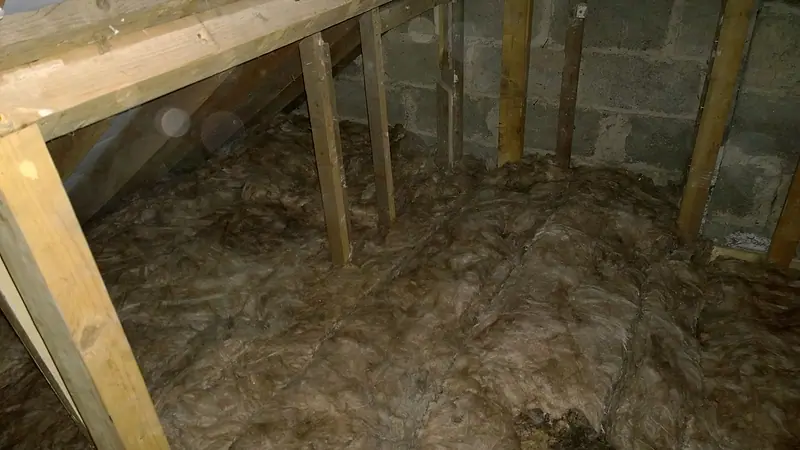
- The attic first. It's usually the fullest space, and everything in it comes down through the house. See attic clearance.
- Upstairs bedrooms and the box room, then the bathroom and the hot press.
- The landing and stairs, with covers on the stair carpet.
- Living and dining rooms.
- The kitchen and utility, near the end, so there's a kettle and a sink for as long as possible.
- The hall, last inside.
- The garage, shed and garden, often alongside the house, since they don't share the route through it (garage and shed clearance).
If you're sorting some rooms yourself first, our room-by-room clear-out guide has tips for each one.
Handover day
- Walk every room with the photos you took beforehand, and check the attic, shed and garage are empty.
- Take meter readings for electricity and gas, with dated photos.
- Photograph the empty rooms for the agent, landlord or solicitor.
- Hand over every key, including sheds, windows and the garage, with a note of who has which.
- Check the bins are empty, and do a final check of the letterbox.
- Leave a short note for the agent or the next occupant: bin collection days, and where to find the meters, the fuse board and the stopcock.
If the house is going on the market, this is the point to clean the carpets and power wash the driveway; see preparing a property for sale. When you're ready to book, our house clearance in Dublin page explains how we work across every postcode.
