 spotless.ie

A clearance that respects the life lived in the house
Clearing a parent's or relative's home is one of the hardest jobs a family faces. It's physical work, but it's emotional work too. Every room holds memories, and every drawer might hold something important. Families tell us the hardest part is starting.
Our job is to take the weight off you. We clear the house carefully and quietly, at a pace that suits the family, and we treat the belongings the way you'd want them treated: as someone's life, not as rubbish.
- Discreet and respectful. We work quietly and keep the neighbours' attention to a minimum.
- Personal items set aside. Photos, letters, documents, jewellery and keepsakes are handed to you, never binned.
- Your pace. One visit, or a clearance in stages while the family decides.
- One point of contact. You deal with Ciprian directly, usually by WhatsApp, from the first photo to the last room.
- A fixed price before we start. No surprises added to an already difficult time.
- Left ready. The house empty and tidy for the sale, the letting agent or the landlord.
What's included, and what isn't
A bereavement clearance with us covers the whole property, inside and out, along with the careful sorting that goes with it. So you know exactly what you're booking, here's where we draw the line:
| Included | Not something we do | Talk to us first |
|---|---|---|
| Every room, plus the attic, garage, shed and garden | Valuing jewellery, art or antiques | Pianos, safes and very heavy pieces |
| Checking pockets, handbags, drawers and boxes as we go | Probate or legal advice, or taking paint, oil drums, gas cylinders or chemicals | Anything in the shed you're unsure about |
| Papers, photos and keepsakes kept aside for the family | Selling items on behalf of the estate | Fitted wardrobes, kitchens or carpets |
| Beds, wardrobes and a tired old shed dismantled | A full clean or redecoration | Anything you suspect could be asbestos |
| Reuse, recycling and licensed disposal of what leaves | Wiping old phones or computers | Dropping pieces to a relative's home |
If anything on your list sits in the right-hand column, mention it when you send photos. Most of it we can plan around; a few things, such as asbestos, need a specialist, and we'll tell you that before the day rather than on it.
How we approach a bereavement clearance
First, we listen. Before any quote, we ask a few gentle questions. Who's making decisions? Is the estate in probate? Is anything already promised to family members? Is there a deadline, like a sale closing, a lease ending or the house being handed back to the council?
Then we plan the clearance with you. From your photos we work out what's involved and suggest how to stage it. Sometimes it's a single day. Sometimes it's a first visit for the attic, garage and shed, and a second for the main rooms once the family has been through them.
On the day, we check everything. We open every drawer, wardrobe, handbag and box before anything is bagged. In older homes in particular, families are often surprised by what turns up in coat pockets, under mattresses and at the back of presses. Anything personal or valuable is put aside in one place for you.
Then we clear, sort and leave it tidy. Reusable items are separated, appliances and metals go for recycling, and the rest goes to licensed facilities. We finish with floors swept or vacuumed where needed.
Clearing the house when an estate is in probate
We're not solicitors and we don't give legal advice, but these are the practical points families find most useful:
- The executor decides. The person named in the will (or the administrator, if there's no will) is responsible for the estate. Agree the clearance with them.
- Note anything of value first. When applying for a grant of representation, the executor files a Statement of Affairs (Probate), Form SA.2, with Revenue, listing what the estate owns. If there's jewellery, art, antiques, collections or a car, have them noted or valued before the clearance.
- Keep the paperwork you find. Bank statements, share certificates, insurance policies and old wills matter to the solicitor, so we hand over every document we come across.
- Staging helps. Clear what's clearly unwanted first, and leave anything that might be relevant to the estate until the solicitor says it can go.
If you're the executor, or the solicitor or estate agent acting for one, our page on clearances for executors and solicitors sets out what we need from you: instructions, keys and who receives the invoice. Our guide to bereavement clearance walks the family through it step by step, including a checklist.
How long it takes, and when to book
Most family homes take us one to two days, attic and shed included. A house where forty years of life is stored in the loft and the garage may take a little longer. A staged clearance is spread over as many visits as the family needs, with breaks of days or weeks in between.
There's no right time to start. Some families book within weeks of the funeral because a rented home has to go back to the landlord or the council by a set date. Others wait months, until the grant of probate is moving or everyone has had a chance to come home and choose a few things. If it has only been a few days, our page on the first steps after a death covers securing the house, the fridge and the post before anyone thinks about clearing.
When you are ready, quotes usually come back the same day, and if there's a deadline we can often start within a few days of you saying yes.
Access, parking and keeping things quiet
Before the day we'll ask where the van can stop. A driveway is ideal. On a terraced street or a road with permit parking, it helps if a neighbour can keep a space free, or if you can arrange a visitor permit where the street has them. In an apartment block, the management company may want the lift booked and protected; give us their contact and we'll sort it out with them.
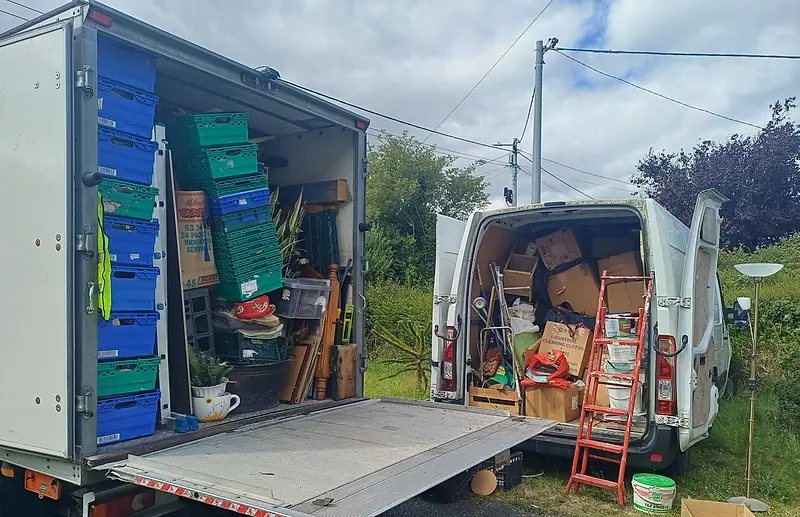
Inside, covers go down on stair carpets and hall floors before anything heavy moves, and large wardrobes and beds are taken apart in the room rather than forced around a banister. Outside, we load neatly and steadily. Nothing belonging to the family is left sitting on the footpath, and we don't make a show of the job for the street.
Questions worth asking any clearance company
Whoever you choose, a few questions tell you a lot:
- Are you an authorised waste carrier? We are, under permit NWCPO-25-13287-01. If an unpermitted "man with a van" dumps the contents, the household can be held responsible.
- Are you insured? We're fully insured on every job, from the first box carried down the stairs to the last one loaded.
- Is the price fixed? Ask for one price for the whole job, including the attic, the shed and anything heavy, before anyone arrives.
- What happens to personal papers and valuables? The answer should be "they're set aside for you", not "we don't have time to check".
- Can we keep things or change our minds on the day? A good crew makes room for that.
- Where do the contents go? You should hear about reuse, recycling and licensed disposal.
Where the belongings go
Families often ask this before anything else, and it's a fair question. Everything that leaves the house is sorted into three streams as we load:
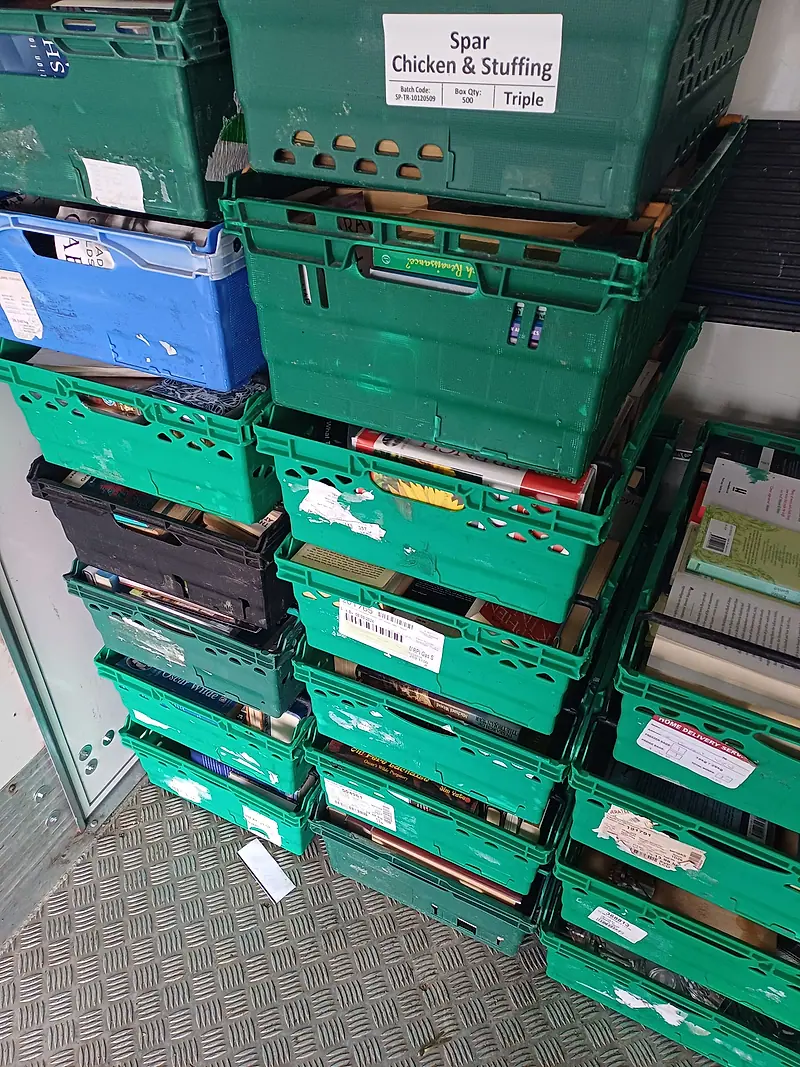
- Reuse. Good furniture, wearable clothes, books, kitchenware and ornaments are set aside so they can be used again where possible.
- Recycling. Metals, appliances, electricals and cardboard go for recycling.
- Licensed facilities. What can't be reused or recycled goes to licensed waste facilities, never a lane or a ditch.
Some things belong with the family rather than in any of those streams: blessed items, medals, framed photographs and anything with a name written on it. We hand those back rather than decide for you. Our page on bereavement removals explains in more detail how we sort a loved one's belongings, one pile at a time.
When a family isn't nearby
Many bereavement clearances are arranged by sons and daughters living in another county or abroad. We make that straightforward:
- You send photos, or ask a neighbour or the estate agent to send them.
- We agree a list of what stays (furniture for family, boxes of papers, sentimental items).
- Keys are collected from whoever holds them.
- We send photos as the work goes on and when the house is clear, and the set-aside items are kept safe for collection or delivered to a family member locally.
Our page on clearing a parent's home from a distance covers keys, photos and collections in more depth.
Not sure where to start? Send a few photos of the house and tell us what's happening. We'll suggest a plan and give you a fixed price, with no pressure and no obligation.
The whole house, not just the rooms you can see
Older family homes often have decades of things stored out of sight. We clear all of it:
- The attic. Boxes, suitcases, Christmas decorations and old furniture, carefully brought down. See attic clearance.
- The garage and shed. Tools, bikes, garden furniture and machinery, plus the shed itself if it's past saving. See garage clearance and shed clearance.
- The garden. Pots, cuttings and green waste, so the house is ready to show.
If the house has become very cluttered over the years, that's more common than people think, and nothing to be embarrassed about. Our hoarder clearance page explains how we handle larger, staged clearances sensitively.
How the price is worked out
You get one fixed price for the whole house, agreed before anything is booked. It's built from a handful of things:
- How much there is. Roughly how many van loads the rooms, attic, garage and shed come to.
- Getting it out. Stairs, an apartment lift, a narrow hall, or a long carry to where the van can park.
- Time spent checking. Opening every box and drawer takes longer than a straight clear-out, and we build that time in rather than rushing it.
- Items with their own route. Fridges, freezers, mattresses and electricals are handled separately.
- Staging. Two or three visits are still priced as one job.
Photos of each room, the attic, the outbuildings and the inside of the wardrobes give us what we need. For a very large or unusual property a short visit may make more sense, and we'll say so.
Preparing for the day
You don't need to sort the house before we come. A few small things do make the day easier for everyone:
- Take or mark what's staying. Bring home what the family wants, or mark it with coloured tape. A note saying "leave this room" on a door works for a whole room.
- Keep the electricity on. Attics, sheds and back bedrooms are slow and fiddly to clear by torchlight.
- Tell us about anything tucked away. A second attic hatch, a locked shed, a press under the stairs nobody opens.
- Gather the keys. Front and back doors, the shed, the garage and any side gate.
- Choose one person to decide. One name and one phone number to ring if we find something we're unsure about.
- Mention it to the neighbours if the van will be outside for a day or two on a tight street.
Where we do bereavement clearances
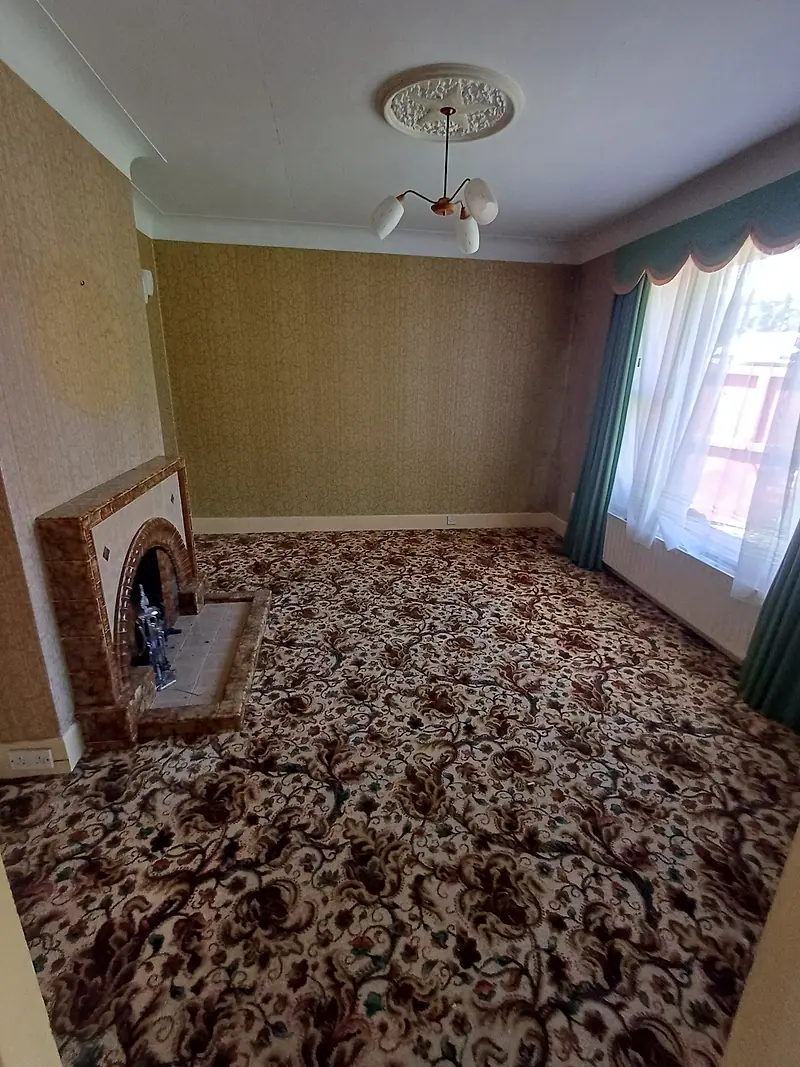
We're based in Dublin and carry out bereavement clearances in Dublin and all of Leinster, whether the home is a city terrace, a suburban semi-d or a farmhouse down a country lane. Some areas have their own page, written for the families who contact us from there: Athy and south Kildare, Carrickmines, Cabinteely and Foxrock, and Sandyford, Stillorgan and Leopardstown. For landlords, letting agents and solicitors handling a property on a family's behalf, see property clearance.