
Where a clearance fits after a death
When someone close to you dies, the house they lived in can feel like a huge job waiting. It isn't urgent. In nearly every case the clearance can wait weeks or months, until the family has had time to grieve and to decide what to keep.
What can't wait is a handful of small, practical jobs that protect the house and its contents in the meantime. None of them needs a clearance company, and we've set them out here because doing them early makes everything that follows a little easier.
| When | What to think about |
|---|---|
| The first few days | Lock up, count the keys, and ask a neighbour to keep an eye on the house |
| The first week | Empty the fridge, sort the bins, and take anything precious somewhere safe |
| The first few weeks | Redirect the post, tell the home insurer, and gather papers into one place |
| When you're ready | Decide what to keep, then book the clearance |
The first days: securing the house
- Lock up and count the keys. Find out who else has a set: neighbours, carers, a cleaner, other relatives. Keep a note of who holds what.
- Ask a neighbour to watch the house, especially on the day of the funeral. Death notices often give the time of the service, and an empty house on that morning is an easy target.
- Take valuables somewhere safe. Jewellery, cash, a laptop, the car keys and anything precious are better off with a family member than in an empty house. Make a note of what you've taken, so the executor has a record.
- Check the windows and back door, and leave a light on a timer if you have one.
There's no need to start sorting belongings at this stage. If you can't face the wardrobes yet, leave them.
The fridge, the freezer and the bins
These are the jobs nobody thinks of until the smell reminds them, so it helps to do them early:
- Empty the fridge of anything perishable within the first few days, and clear opened food from the presses too: bread, fruit, milk, anything in an open packet.
- The freezer can stay on if the electricity is staying connected. If not, empty it, switch it off and prop the door open.
- Put the bins out on collection day, or ask a neighbour to. If the house has a bin collection account, decide whether to keep it running until the clearance.
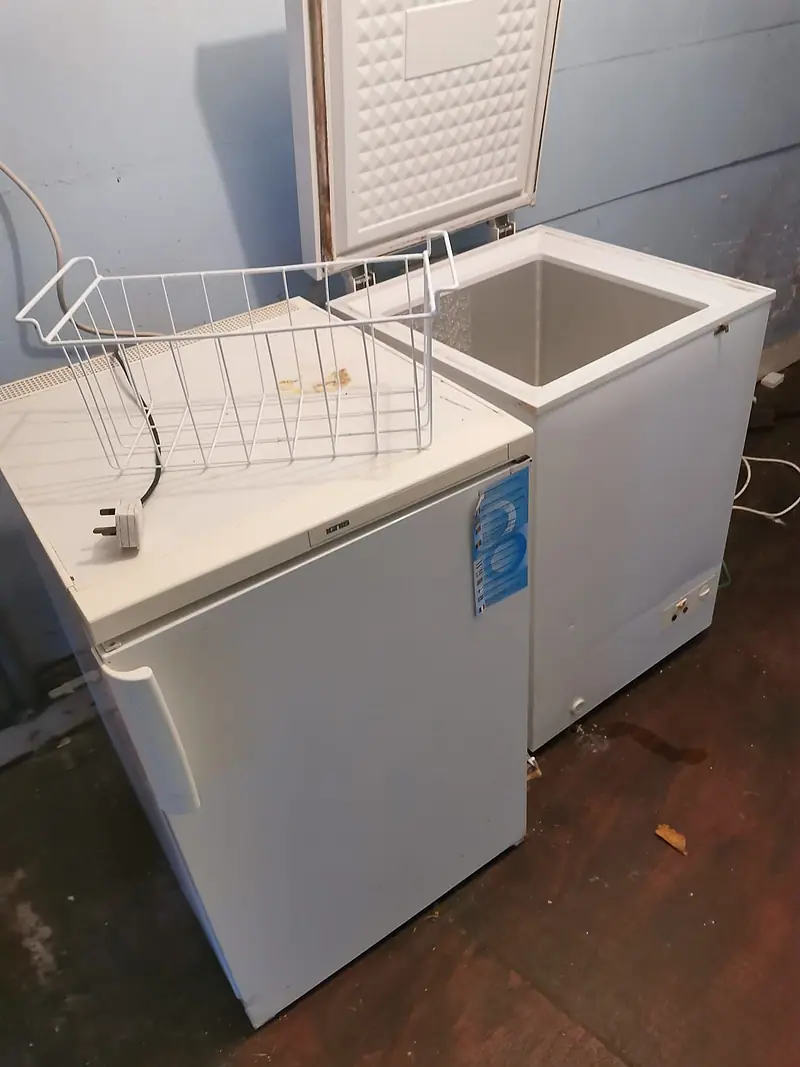
When the clearance happens, old fridges and freezers go for appliance recycling with everything else, so there's nothing to arrange separately.
 spotless.ie
Post, the phone and the accounts
Post keeps arriving for months, and some of it matters: bank statements, pension letters, bills, things from Revenue. A few ways to handle it:
- Redirect it. An Post offers a redirection service, so letters to the house come to a family member instead.
- Ask a neighbour to collect it each week and leave it somewhere you can pick it up.
- Keep it all together in one box, unopened if you'd rather, for whoever is dealing with the estate.
Citizens Information has a clear, practical list of who to notify after a death, from the bank to the Department of Social Protection, and it's a good place to start. Phone, broadband and TV accounts at the house can usually be closed once the family no longer needs them for visits.
Telling the home insurer the house is empty
This one is easy to miss. Many home insurance policies have conditions for a house left unoccupied: how long it can stand empty, how often someone should check it, or whether the water should be turned off. If the house is going to be empty, tell the insurer and ask what they need. It's general information only, as every policy is different, so check the wording and ask the solicitor or your broker if you're unsure.
In winter, an empty house with the heating off can be at risk of burst pipes. Ask the insurer, or a plumber, whether to leave the heating on low or turn off the water at the stopcock.
Ready to talk about the clearance, or just have a question? Message us on WhatsApp. There's no pressure to book, and we're glad to explain how it would work whenever you're ready.
Gathering the papers, without reading them yet
Before anyone clears anything, bring the paperwork into one place: one box, one drawer, one bag that goes home with the executor. You don't need to read it yet. The will if you can find it, anything from a bank, credit union or An Post, pension and insurance papers, and the deeds or a rent book are the main things. Our guide to clearing a house after someone dies has a fuller list, and explains who makes decisions and how probate fits in.
If you can't bring yourself to go through drawers yet, that's all right. When the clearance does happen, we open every drawer, pocket and handbag before anything is bagged, and hand back anything that matters.
Then book the clearance
When the family has had time in the house and decided what to keep, we can help. What helps us give you a fixed price:
- photos of each room, the attic and any shed or garage
- any deadline, such as a sale or a landlord or council wanting the keys back
- whether you'd like one visit or a clearance in stages
- who's making decisions, and whether anyone will be there on the day
Our bereavement house clearance page explains how the clearance itself works, and bereavement removals and clearance explains how belongings are sorted. If the house is a long way from where you live, see bereavement clearance for families living away; if a solicitor is handling the estate, clearing a house for executors and solicitors covers keys, invoices and timing. For simple ways to get the house ready beforehand, read how to prepare for a house clearance.
Spotless is based in Dublin and covers all of Leinster. We're an authorised waste carrier (permit NWCPO-25-13287-01), fully insured on every job, and we'll go at whatever pace the family needs.