Why wool needs a different approach
Wool is a natural protein fibre, much like hair. It's springy, it holds colour well, and its outer surface helps it shed dry soil, which is why a wool carpet can look good for a long time with regular vacuuming. It's also the fibre most easily harmed by a careless clean.
Three things set it apart from nylon or polypropylene:
- It drinks water. Wool absorbs moisture into the fibre itself, so it gets heavier, takes longer to dry and gives problems more time to develop.
- It dislikes high pH. Strong alkaline cleaners, common in general-purpose pre-sprays, can leave wool feeling harsh, yellow it and make some dyes bleed.
- It reacts to heat and friction. Very hot water combined with aggressive scrubbing can fuzz the tips of the pile.
None of that means wool is difficult to clean. It means the products, the amount of water and the drying need thought. Done properly, wool comes up brighter than almost any other carpet.
Is my carpet wool?
Plenty of people aren't sure, especially in a house they've bought with the carpets already down. The quickest ways to find out:
- Paperwork. The receipt, a fitter's invoice or a care leaflet usually names the fibre.
- An offcut. Spare pieces in the attic or under the stairs often have the details printed on the back.
- The feel. Wool is springy, slightly matt and warm underfoot. Polypropylene often feels slippery or a little waxy, and it can look shiny in strong light.
Many carpets are a mix. The most common is 80/20 wool and nylon, where the nylon adds wear resistance. We treat any carpet that's mainly wool as wool.
How a carpet is made matters as much as the fibre. Traditional woven carpets, such as Axminster and Wilton, are often wool on a jute or cotton backing, and they're the most sensitive to over-wetting. Tufted wool carpets on a synthetic backing are more forgiving. We check the back of the carpet at a corner or doorway where we can.
Loop pile and cut pile
The way the yarn sits on top changes the clean, too. Loop-pile wool carpets, often sold as Berber, have uncut loops that are tough underfoot but can fuzz or snag under a stiff brush, so they're agitated very gently. Their loops also hold soiling low down, which needs patient rinsing rather than more water.
Cut-pile wool, from twists to smooth velvet finishes, shows every footprint and brush stroke while it's damp. That's normal, and grooming the pile in one direction before we leave helps it dry evenly. A plush velvet pile can look patchy for a day or so as it settles.
Browning and shrinking: what goes wrong
Most damage to wool carpets comes from too much water, too slowly dried. The two problems people see:
| Problem | What it looks like | What causes it |
|---|---|---|
| Browning | A tan or brown tinge on the tips, worst on light colours | Natural backings releasing colour as a soaked carpet dries slowly, made worse by alkaline products |
| Shrinkage | Edges pulling off the gripper, ripples, gaps at the skirting | Woven backings tightening after being soaked |
| Dye bleed | Colours running into each other, often from a dark border | The wrong pH or too much water on a dye that isn't fast |
| Fuzzing | A furry, matted look on the pile tips | Very hot water with heavy scrubbing |
All four are much easier to prevent than to put right. That's the whole reason wool gets its own approach.
 spotless.ie
How we clean a wool carpet
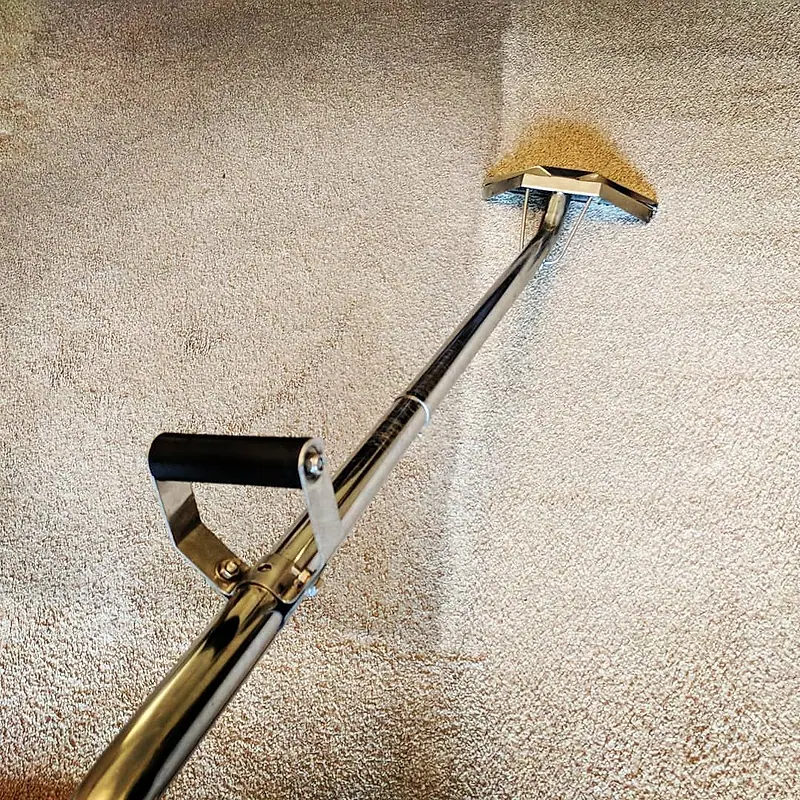
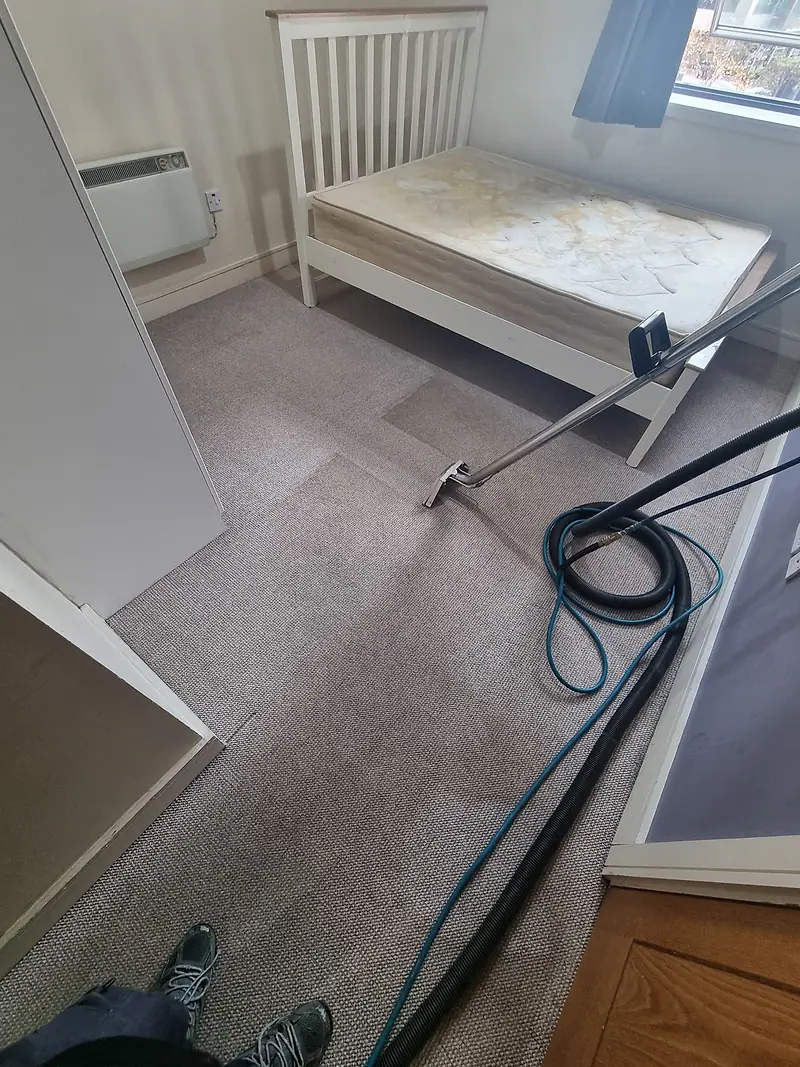
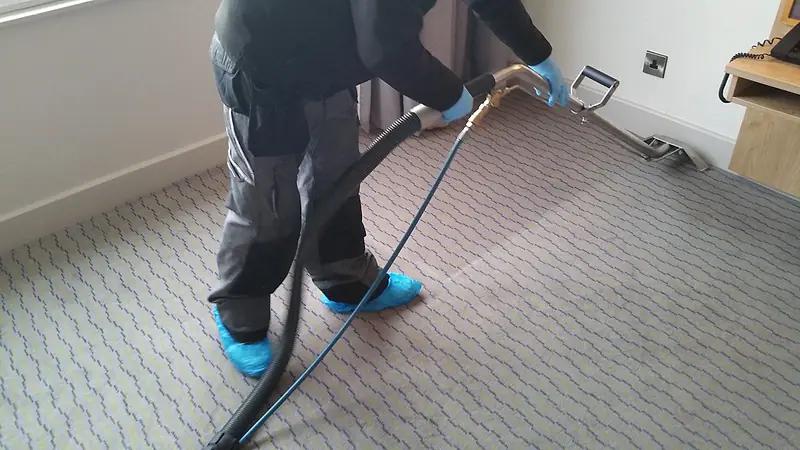
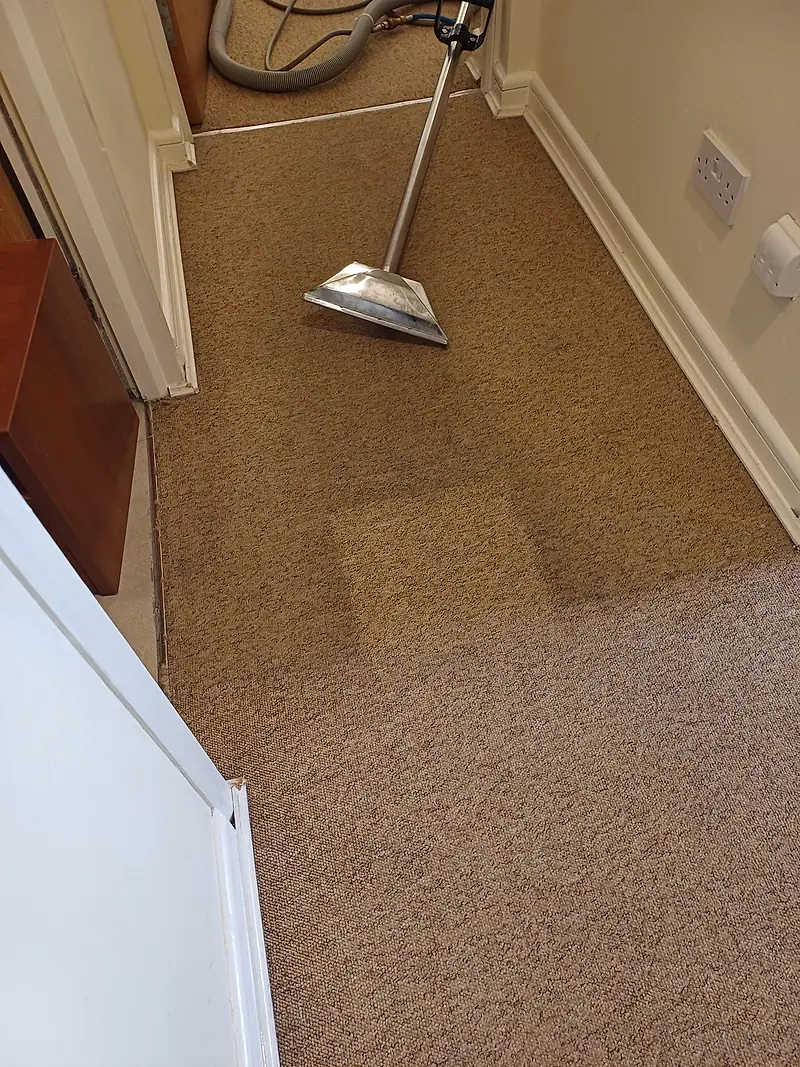
The method is still hot-water extraction, adjusted at every step for wool:
- Check and test. We look at the backing, check the fibre and dampen a hidden spot to make sure the dyes stay put.
- Vacuum thoroughly. Wool releases dry soil well, so a good vacuum takes out a lot before any water goes down.
- Wool-safe pre-spray. A mild product with the right pH goes onto the walking lanes and marks, and is given time to work instead of being scrubbed in.
- Controlled extraction. Fewer wet passes and more suction-only passes, so the carpet is rinsed but not soaked. Edges along the skirting, where shrinkage shows first, are kept especially light.
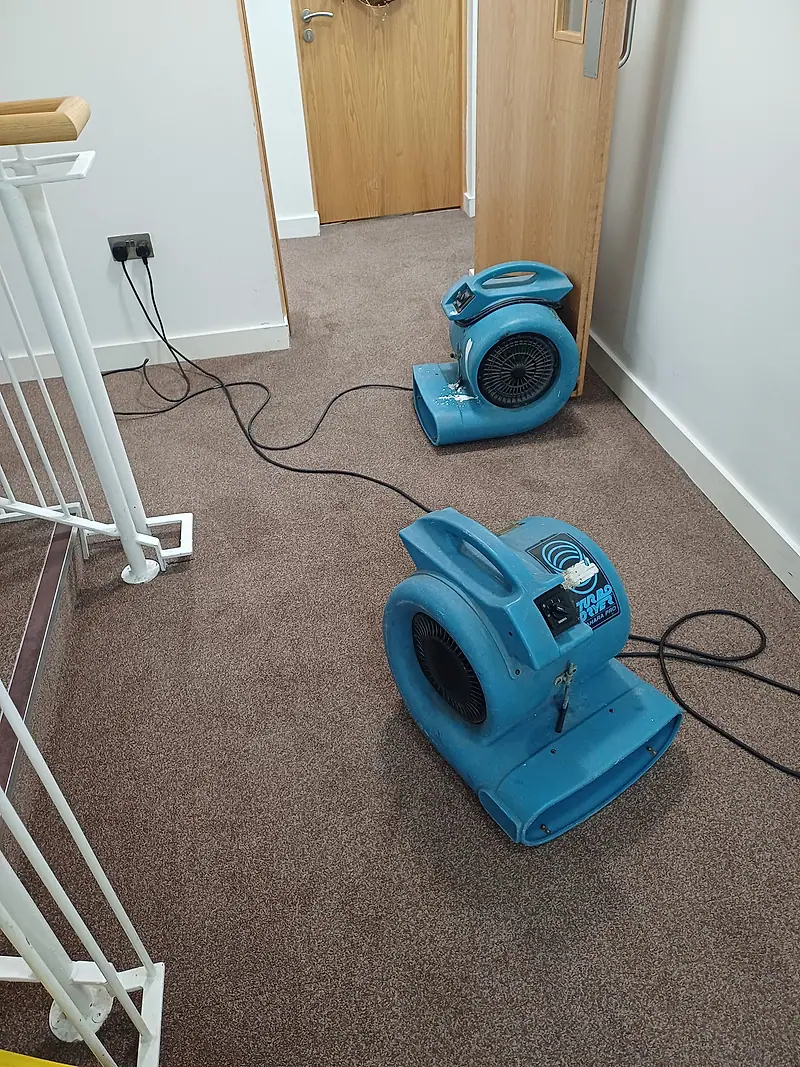
- Groom and dry. The pile is brushed back into line and air movers go down straight away.
Wool is one of the reasons training matters. Ciprian, who runs Spotless and works on the jobs himself, is fully trained in carpet cleaning, having completed a Prochem course in 2018 (certificate no. 2018/020).
Got a wool carpet that needs a clean? Send photos of the rooms on WhatsApp, plus the label or receipt if you have it. We'll give you a clear price and tell you how we'd approach it, usually the same day.
Drying a wool carpet
Wool takes longer to dry than synthetic carpet, but with good airflow it's still usually a matter of a few hours. Air movers do most of the work. Opening a window, leaving the heating on low and keeping doors open between rooms all help, and the guide to carpet drying times has more detail.
Don't be alarmed by a faint smell while it dries. Damp wool smells a little like a wet jumper, and it fades once the carpet is dry. A sour or musty smell that hangs on for days is different, and usually means the carpet was left too wet.
Keep furniture off until the carpet is fully dry. If a piece has to go back sooner, stand its feet on plastic coasters, because wood stain and rust from metal feet transfer easily into damp wool.
Stains on wool
Wool takes up many of the same dyes used in drinks and sweets, so red cordial, fizzy orange and some sauces can bond with it quickly. Most everyday marks still come out well, but a strongly coloured drink left overnight may leave a shadow. Our page on carpet stain removal sets out what to expect.
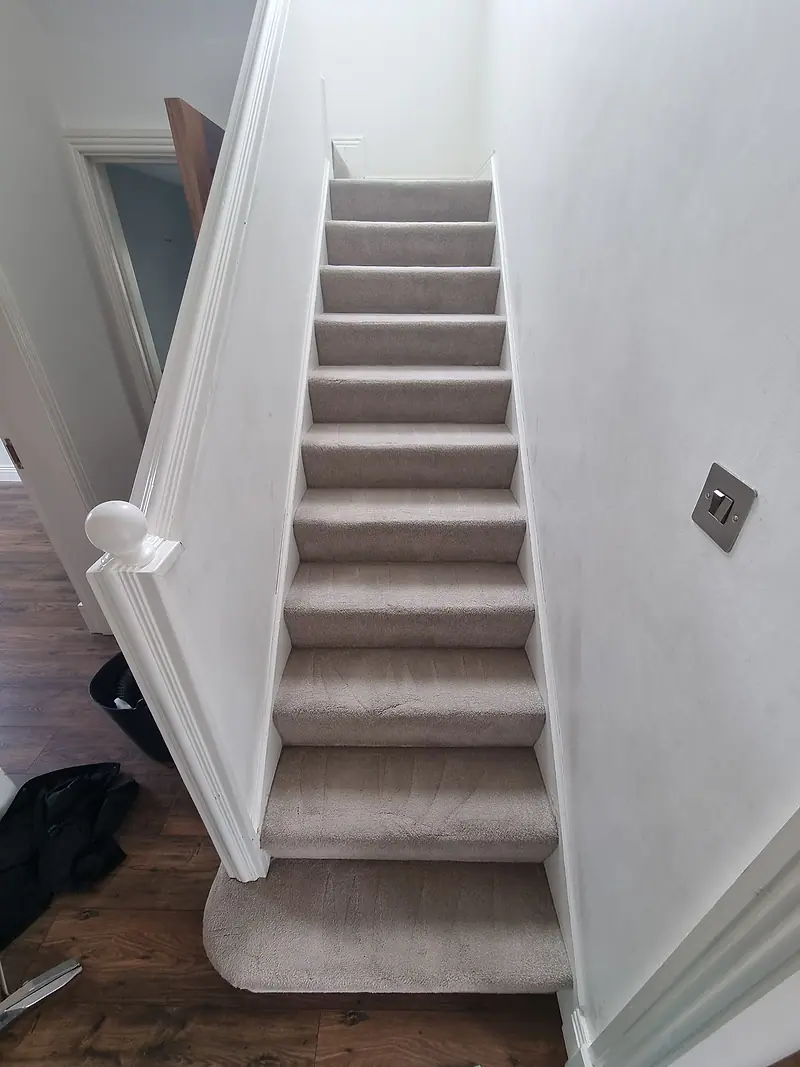
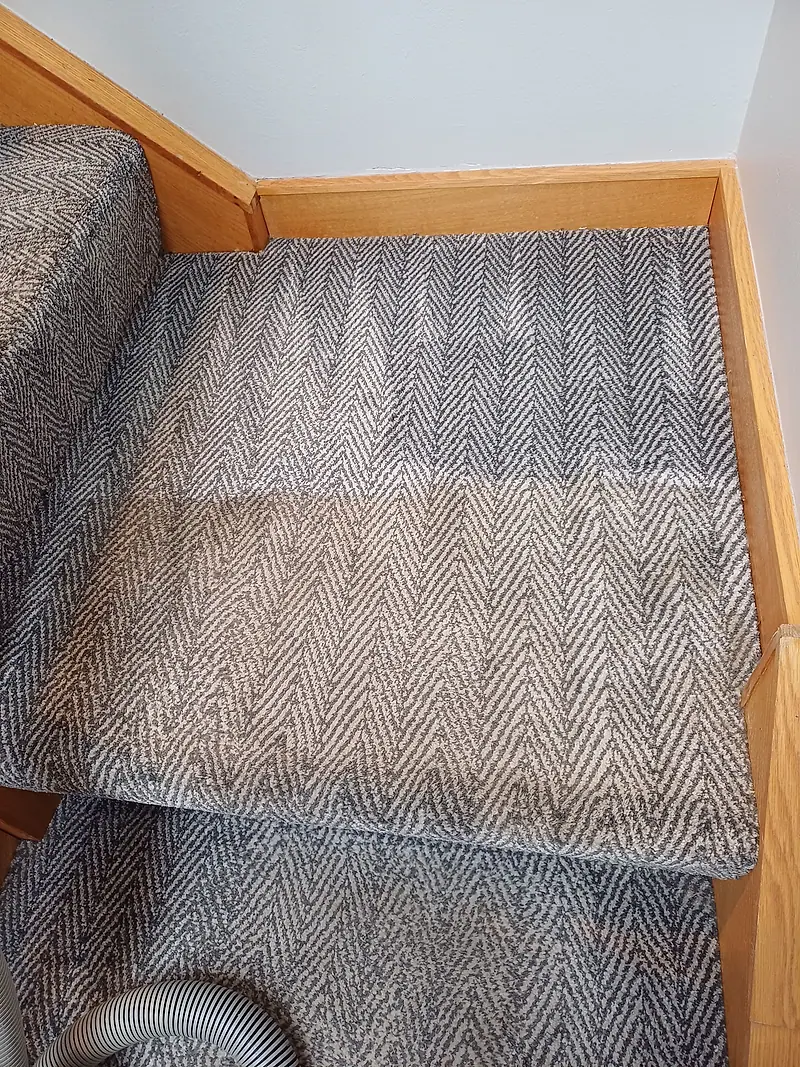
Stair runners in older houses are very often wool, and they get the same care described here, alongside the step-by-step work on our stair carpet cleaning page. Wool rugs have extra checks of their own under rug cleaning.
For looking after the carpet between cleans, see our guide to wool carpet care. For the rest of the house, including synthetic carpets, see our carpet cleaning service in Dublin. If you'd like the method explained in full, our guide to professional carpet cleaning covers it.