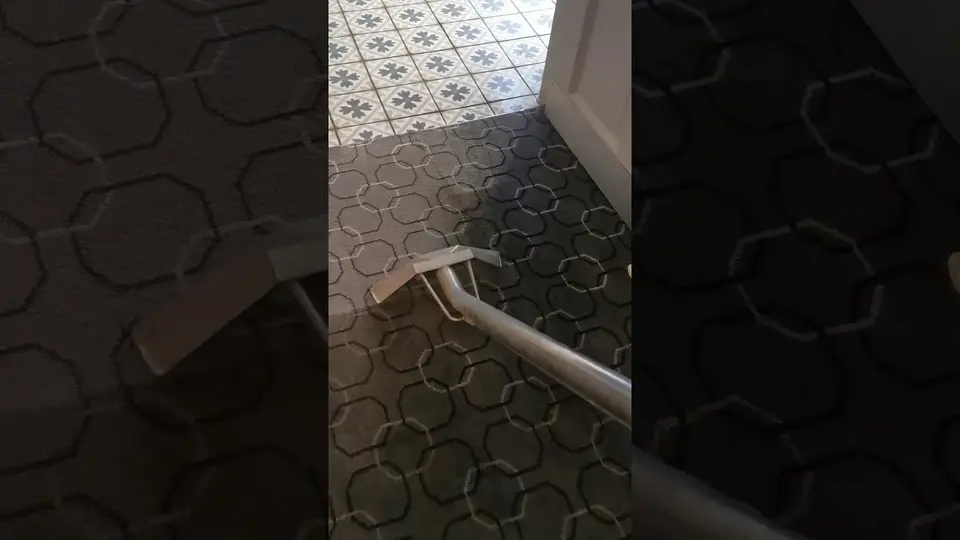
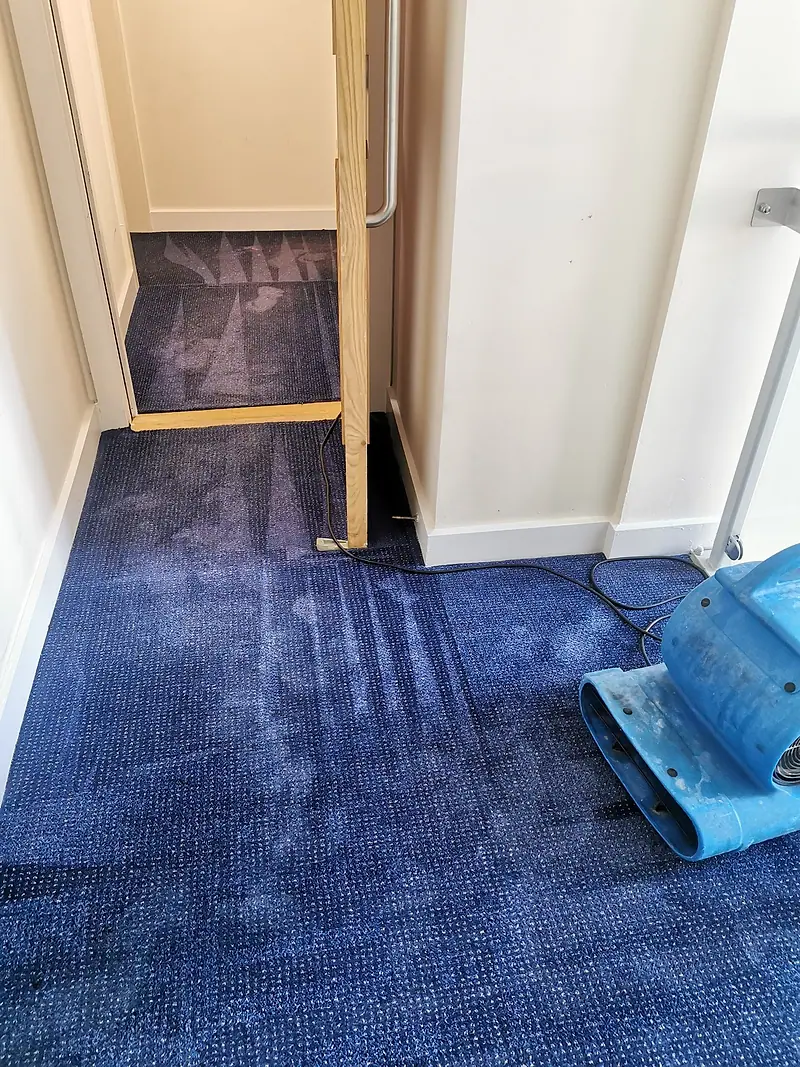
The short answer
After a hot-water extraction clean, a carpet is damp rather than wet, and most dry within a few hours. That's a typical range, not a promise. A short-pile synthetic carpet in a warm, airy room on a dry day can be ready quickly, while a thick wool carpet in a cold room in damp weather takes a good deal longer.
The good news is that you have a lot of control over it. Air, warmth and a bit of patience do most of the work.
What affects drying time
| Factor | Dries faster | Dries slower |
|---|---|---|
| Carpet | Short, synthetic pile | Thick, deep pile, and wool |
| Weather | Dry, breezy days | Damp, still, muggy days |
| Room | Warm, with air moving through it | Cold, closed up, north-facing |
| Amount of water | A machine with strong suction | Hire machines and over-wetting |
| Underlay | Stayed dry | Got soaked |
| Soiling | Light | Heavy soiling that needed extra passes |
The single biggest factor is how much water went into the carpet in the first place. An extractor with strong suction pulls most of it straight back out. Hire machines and heavy-handed cleaning leave far more behind, and water that reaches the underlay can take a long time to come out again. Our guide to how professional carpet cleaning works explains the extraction step in more detail.
How to speed it up
Drying is really about moving damp air out of the room and bringing drier air in. In practice:
- Ventilate. Open windows on a dry day, and leave internal doors open so air can circulate through the house.
- Keep it warm. Turning the heating on helps a lot, especially in winter. On a wet day, warmth with a window slightly open often works better than a wide-open window letting damp air in.
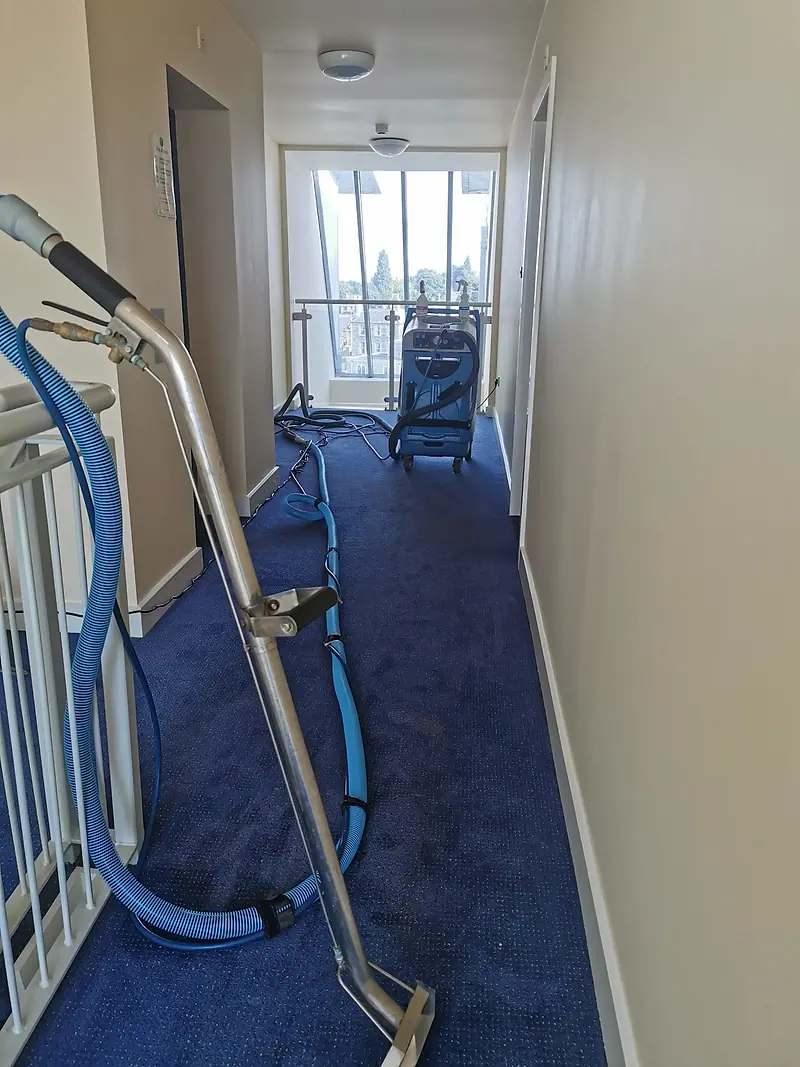
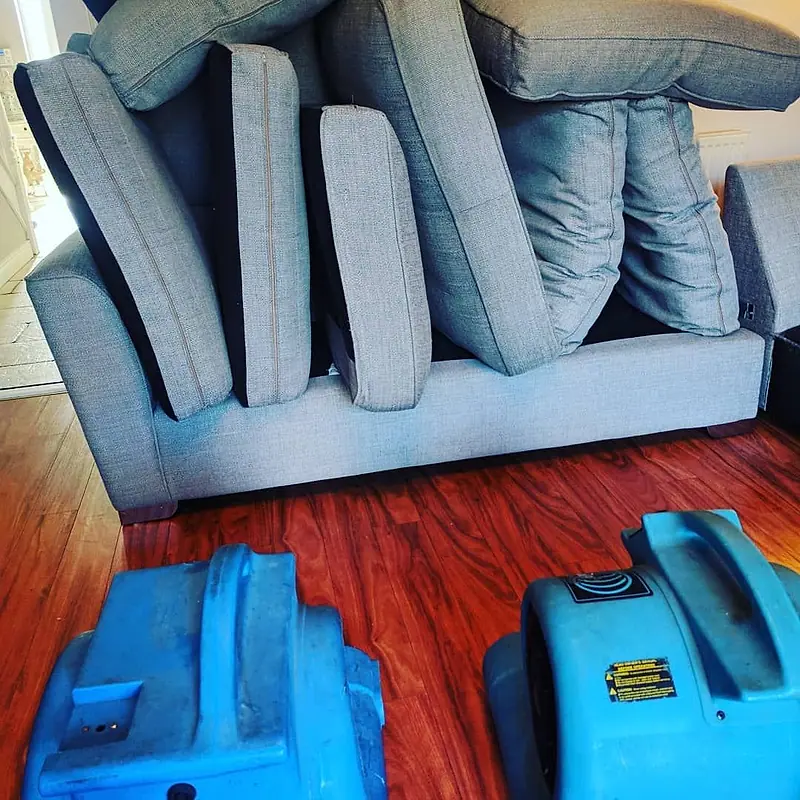
- Keep air moving. Air movers push air across the surface of the carpet, which is why we use them on our jobs. At home, a fan pointed across the floor rather than straight down into it helps too.
- Run a dehumidifier if you have one, with the door closed, on very damp days.
- Book a morning slot. A morning clean gives the carpet the whole day to dry before anyone needs the room in earnest.
Avoid putting a heater right up against the carpet or going over it with a hairdryer. Concentrated heat dries the surface unevenly and isn't good for some fibres and backings.
Walking on a damp carpet
You can usually walk on a freshly cleaned carpet straight away, as long as you're careful:
- Wear clean socks or slippers, not outdoor shoes. Damp pile picks up dirt from soles very easily.
- Take care on the stairs. A damp tread, and a hard floor at the bottom, can be slippy.
- Keep pets off until it's dry if you can, and wipe paws after trips outside.
- Plan a route. If people need to come and go, put a mat at the door and agree a path around the edge of the room.
 spotless.ie
Putting furniture back
This is where most drying problems start. Furniture put back too soon can leave marks that are harder to shift than the original dirt.
- Wait until the carpet is dry before moving anything heavy back onto it.
- If you can't wait, slide a square of tin foil, plastic or a furniture coaster under each leg. Metal feet can leave rust marks on damp carpet, and some wood stains and varnishes can bleed into it.
- Don't lay rugs back down on a damp carpet. Colour can transfer from the rug's backing, and the rug traps moisture underneath it.
- Keep long curtains clear of the floor until it's dry, especially ones that pool on the carpet.
How to tell it's dry
Don't trust the surface alone. The tips of the pile dry first, while the base can stay damp for a while longer.
- Press your palm flat into the carpet and hold it for a few seconds. If it feels cool, it's still damp.
- Check the edges and corners, and the areas that were most soiled, since they usually got the most attention.
- Check where air doesn't move, such as behind doors and under windows.
Damp carpet often looks slightly darker than dry carpet, so a patchy look in the first few hours is normal and evens out as it dries.
Want your carpets cleaned and dried properly? Send photos of the rooms and stairs on WhatsApp. We'll give you a clear price, usually the same day, and tell you what to expect on drying.
When drying goes wrong
Most carpets dry without any fuss. If yours doesn't, these are the usual signs and what they mean:
- Still wet the next day. Usually too much water went in, or the room has had no warmth or airflow. Get air moving and the heating on, and contact whoever cleaned it.
- A musty smell. A faint damp smell while drying is normal, particularly with wool. If it's still there once the carpet is dry, the underlay may have got wet.
- Stains reappearing. Sometimes a stain that came out on the day creeps back as the carpet dries. This is called wicking: residue deep in the pile or the underlay rises to the tips of the fibres as the moisture evaporates. It can often be dealt with by a quick follow-up treatment, so tell your cleaner rather than scrubbing at it yourself.
- Brown marks on natural fibres. Wool, cotton and jute can brown if they stay wet for too long, which is one more reason to avoid over-wetting.
If you've cleaned a carpet yourself with a hire machine and it's still damp after a day, more airflow and warmth is the answer, not another pass with the machine.
Sofas, mattresses and rugs
Upholstery dries on a similar timescale, but thick seat cushions take longer. Standing the cushions on their ends and keeping air moving around them helps, and our sofa cleaning guide covers the rest. A mattress needs to be fully dry before the sheets go back on, so a morning clean is best; see mattress cleaning for how it's done. Rugs can't go back down until both the rug and the floor underneath are dry, and our rug cleaning page explains why they're handled differently from fitted carpet.
Getting it done
We offer carpet cleaning in Dublin and across Leinster, by hot-water extraction, with air movers to speed up drying and honest advice on how long yours will take. We also clean sofas and upholstery, so a living room can be done in one visit.
If you're cleaning at the end of a lease, build drying time into the handover. Our end-of-tenancy carpet guide explains how to time it, and for offices that need to be back in use quickly, see commercial carpet cleaning.