
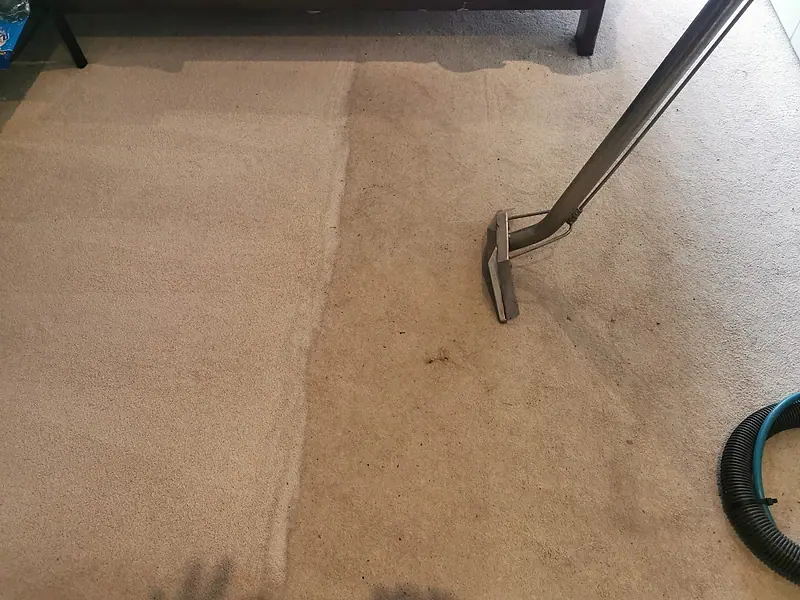
What landlords and letting agents look for
At the end of a tenancy, the landlord or letting agent compares the property with how it was when you moved in. Carpets get a lot of attention, because problems are easy to spot. They'll usually look at:
- General cleanliness. Is the carpet clean and vacuumed, or grey in the walkways?
- Stains. Food, drink, make-up, mud, and anything new since the start of the tenancy.
- Odours. Pets and smoking leave smells that soak into carpet and underlay.
- Damage. Burns, tears, bleach spots, pet scratching or chewing, and patches of lost colour.
- Edges and corners. Dust and fluff along the skirting boards and in the corners behind doors.
The hall, stairs and landing deserve particular attention. They take the most traffic, they're usually the first carpets anyone sees when the front door opens, and the front edge of each step darkens long before the rest of the house shows wear.
The most useful document here is whatever was recorded at the start: an inventory, a check-in report, or photos taken the day you moved in. If you have them, dig them out now. If you're a landlord and you didn't take any, make it part of the routine for the next tenancy.
Normal wear and tear, or damage?
Carpets wear with use, and nobody expects a carpet to look brand new after years of ordinary living. The general distinction is between wear that comes from normal use and damage that comes from accidents, neglect or misuse.
| Usually normal wear | Usually beyond normal wear |
|---|---|
| Flattened pile along walkways | Burns from cigarettes, irons or candles |
| Slight fading from sunlight | Large or numerous stains |
| Dents from furniture | Bleach or dye spills |
| Light soiling after a long tenancy | Pet urine, scratching or chewing |
| Fraying at the edges of an old carpet | Tears, holes or cut sections |
Where a particular mark falls depends on how old the carpet was and what condition it was in at the start, how long the tenancy lasted and what the lease says. It isn't always clear-cut, and this table is a general guide, not legal advice.
Your lease, your deposit and the RTB
Start with the lease. Some leases say something specific about carpet cleaning when the tenancy ends, and many don't. Either way, handing back clean carpets, with a receipt to show for it, takes one of the most common points of disagreement off the table.
If the landlord would rather arrange the carpet cleaning themselves, that's fine too. Just agree it clearly, ideally in writing, including who is paying for it, so nobody is surprised when the deposit is being settled.
If you and your landlord can't agree about a deduction from the deposit, the Residential Tenancies Board (RTB) handles disputes between landlords and tenants, including deposit disputes, and its website explains the process. We're carpet cleaners, not solicitors, so for anything beyond the practical side of the carpets, the RTB is the place to go.
Timing: clean the carpets last
The most common mistake is cleaning the carpets too early. If the carpet is cleaned and then furniture is dragged out, boxes are carried through and people traipse in and out with the last of the rubbish, you've paid to clean it twice.
A sensible order for moving out:
- Move your belongings out, and arrange collection of anything you're not taking with you.
- Clear what's left. Old furniture, mattresses and the last bags. If there's a lot, a property clearance or an apartment clearance deals with it in one go.
- Do any touch-ups, such as filling holes or painting, while dust sheets can still go down.
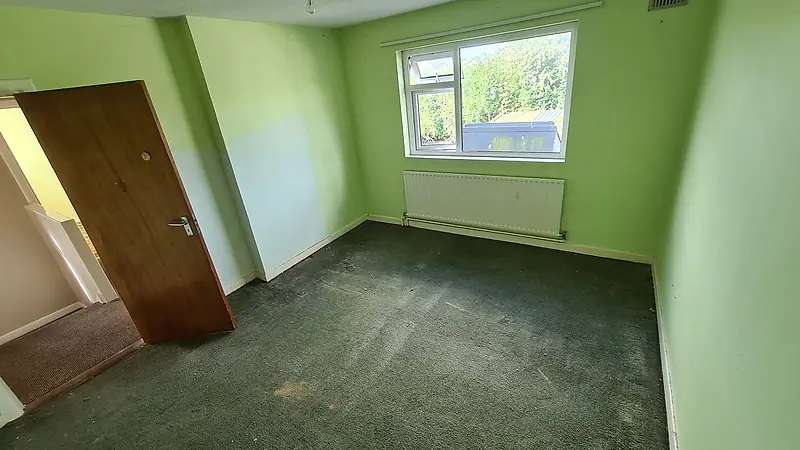
- Clean the carpets once the rooms are empty, so every corner can be reached.
- Let them dry before the inspection. Drying usually takes a few hours, so if you can, have the clean done the day before the handover rather than that morning. Our guide to carpet drying times explains what affects it.
- Walk through with the landlord or agent once the carpets are dry.
 spotless.ie
Keep a record: receipts and photos
Whoever cleans the carpets, keep evidence that it was done:
- A receipt or invoice showing the date, the address and what was cleaned.
- Photos of every room once the carpets are dry, taken in daylight, with the date.
- Close-ups of any marks that wouldn't shift, so there's no argument later about whether they were there before.
- Your check-in report or photos, kept with the rest.
Store it all together until the deposit is settled. It takes ten minutes and can save a long back-and-forth.
Moving out, or turning a property around? Send photos of the rooms, the stairs and any stains on WhatsApp, with your area. We'll give you a clear price, usually the same day, and work to your handover date.
Stains that might not come out
Be realistic, and don't make things worse in the last week:
- Usually come out well: mud, food, tea, coffee and the general grey of everyday use.
- Often improve but may leave a mark: red wine, older pet stains and make-up.
- Usually permanent: bleach, burns, hair dye, and stains already scrubbed with the wrong product.
Resist the urge to attack a stain with every product under the sink the night before the inspection. Strong household products can spread a stain, bleach the colour out of the carpet or set the mark for good, turning something that would have cleaned into real damage. Blot fresh spills with a white cloth and cold water, and leave the rest for the clean.
If something won't come out, it's usually better to be upfront with the landlord than to hide it under a rug.
For landlords: carpets between tenants
Between tenancies is the best time to deal with carpets, because the rooms are empty and nothing has to be worked around. A typical turnaround runs like this: clear anything the last tenant left behind, do any repairs, clean the carpets, then photograph everything for the next check-in report.
If the property is let furnished, the sofas and armchairs and the mattresses are worth doing at the same time, because a stained mattress is the first thing an incoming tenant notices. Because Spotless also clears properties, we can clear what's been left behind and clean the carpets in one arrangement. Our guide to preparing a rental property covers the rest of the turnaround, from the clear-out to the outside of the house.
Getting it done
We clean end-of-tenancy carpets by hot-water extraction in Dublin and all of Leinster, for tenants, landlords and letting agents. See carpet cleaning in Dublin for how we work and what's included, or read how professional carpet cleaning works if you'd like to know more about the method. If a whole house of furniture has to go first, house clearance takes care of that.
Send a photo of each room and any stains you're worried about, and you'll have a clear price before anything is booked.
