 spotless.ie
House clearance in plain terms
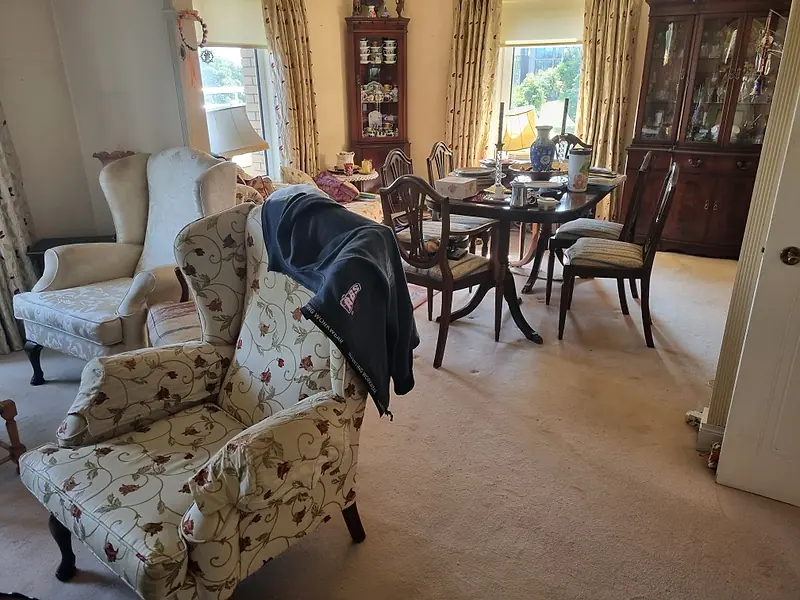
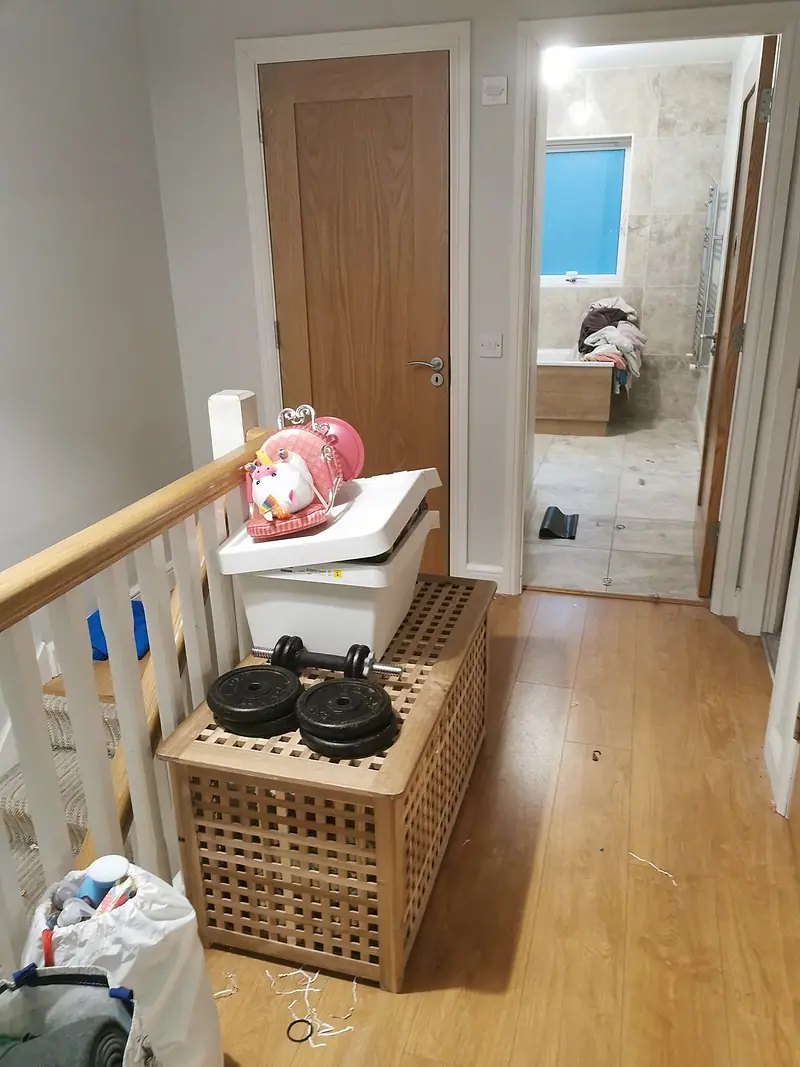
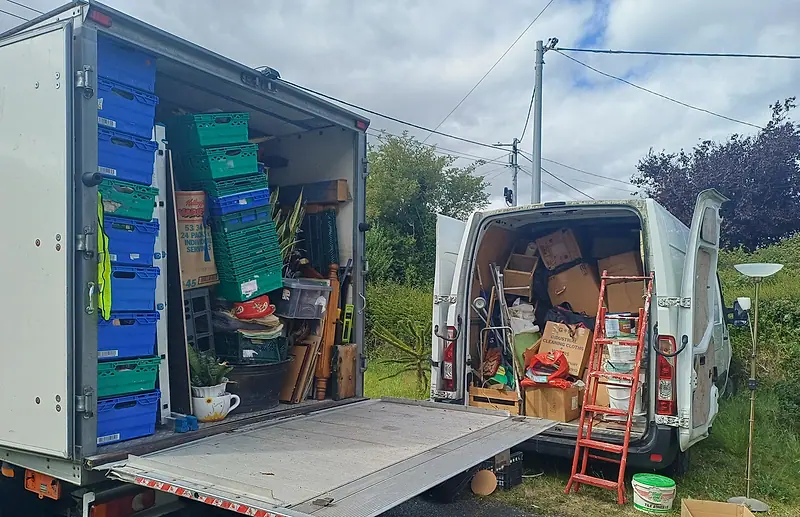
A house clearance means we take everything you're not keeping out of a property, load it, drive it away and leave the rooms empty behind us. It might be a whole house after a parent has died, three rooms before a move, or the contents of a rental between tenants. The heart of the job doesn't change: careful lifting, careful checking, and as little as possible going to waste.
Spotless is a small, hands-on company. Ciprian, who set it up, works on jobs himself with a small crew, so the person you arrange things with on WhatsApp is often one of the people at the house on the day. Here's what you can count on:
- One fixed price, agreed up front. Worked out from your photos and confirmed before anything is booked.
- You decide what stays. Mark the things you're keeping, or go through them with us as we work.
- Pockets, drawers and boxes checked. Anything personal, valuable or official is put aside for you.
- Covered and above board. Every job we take on is fully insured, and our waste collection permit, NWCPO-25-13287-01, makes us an authorised waste carrier.
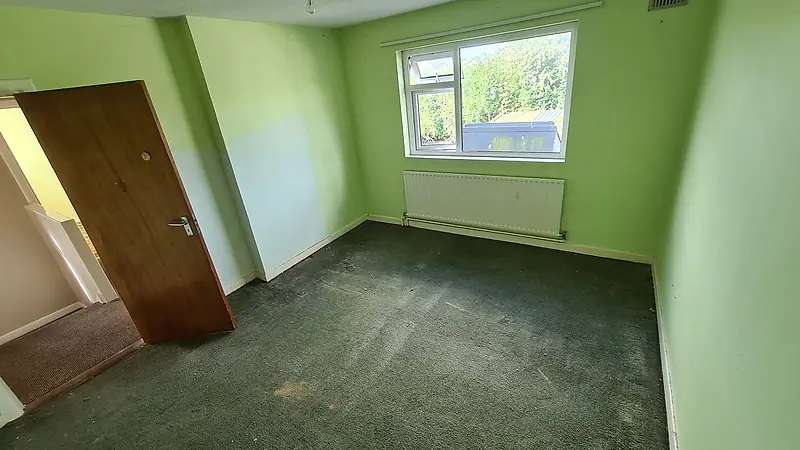
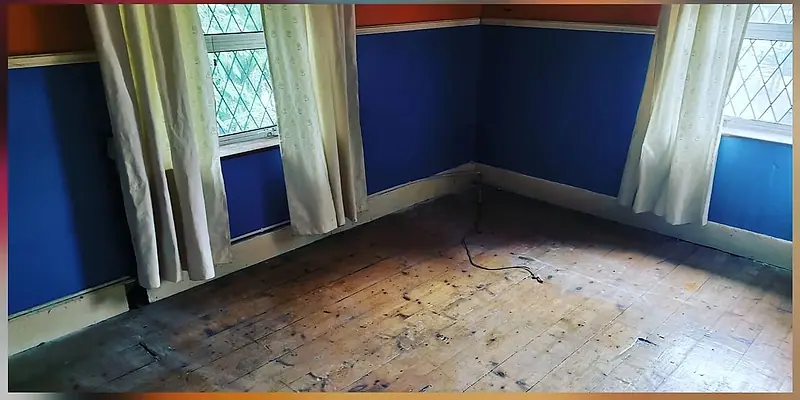
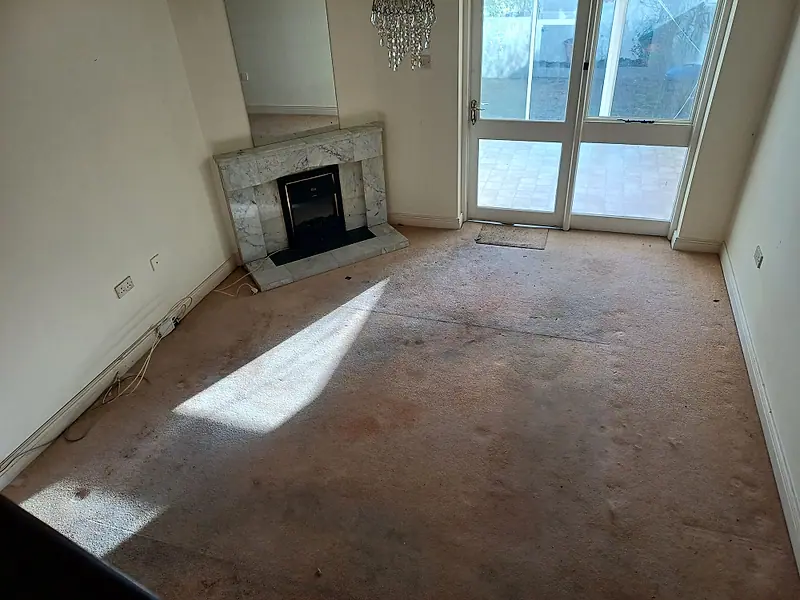
- Rooms left clear. Swept or hoovered at the end, so whoever comes next can walk straight in.
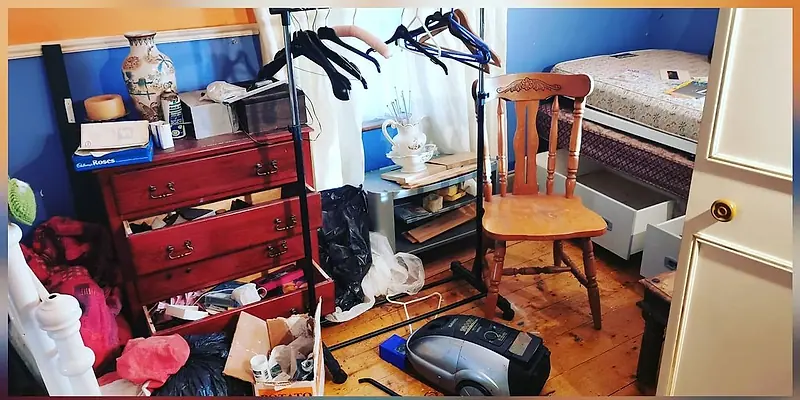
Full house, contents only, or a few rooms?
People say "house clearance" about quite different jobs. Knowing which one you need makes the quote quicker and more accurate.
| Type of clearance | What it covers | Common reasons |
|---|---|---|
| Full house clearance | The whole property, attic and outbuildings included, until nothing is left inside | Probate, selling a family home, handing a house back to a landlord |
| House contents clearance | Furniture and belongings throughout, with fixtures such as the fitted kitchen left in place | Downsizing, emigrating, a rental between tenants |
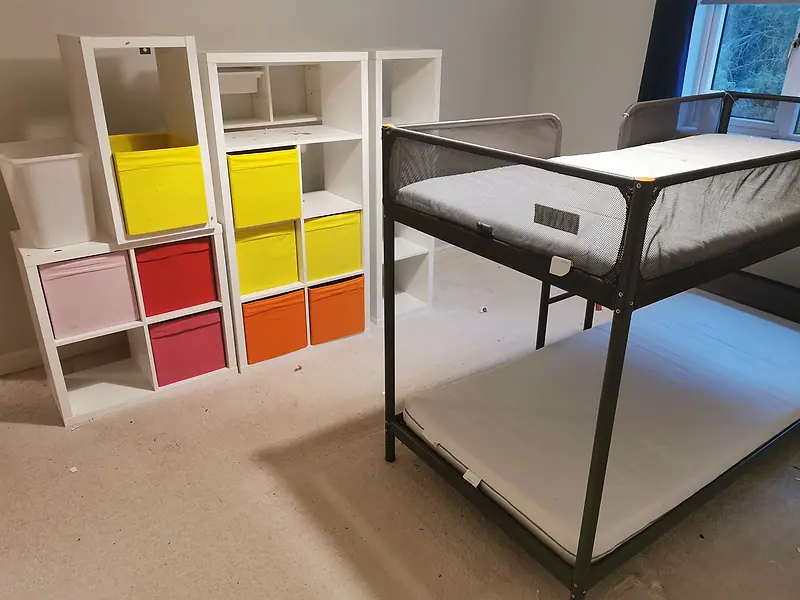
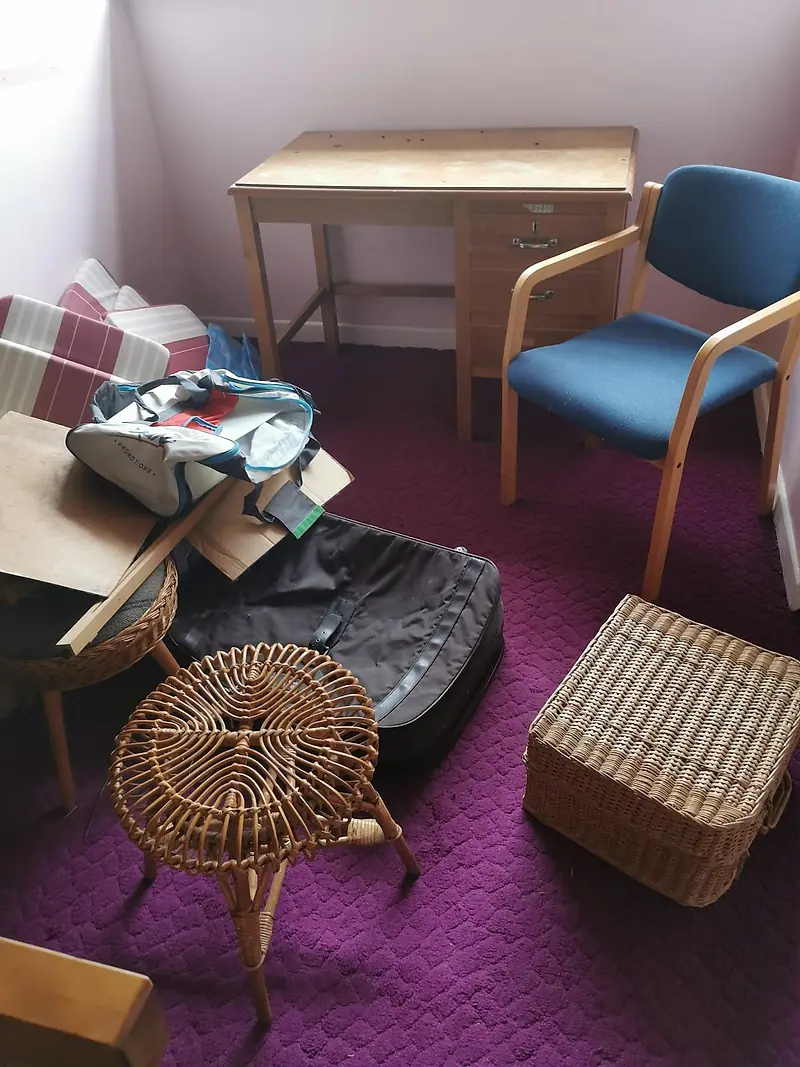
| Partial clearance | Chosen rooms or areas, such as a box room, the attic or the garage | Making space, getting ready for building work, a relative moving in |
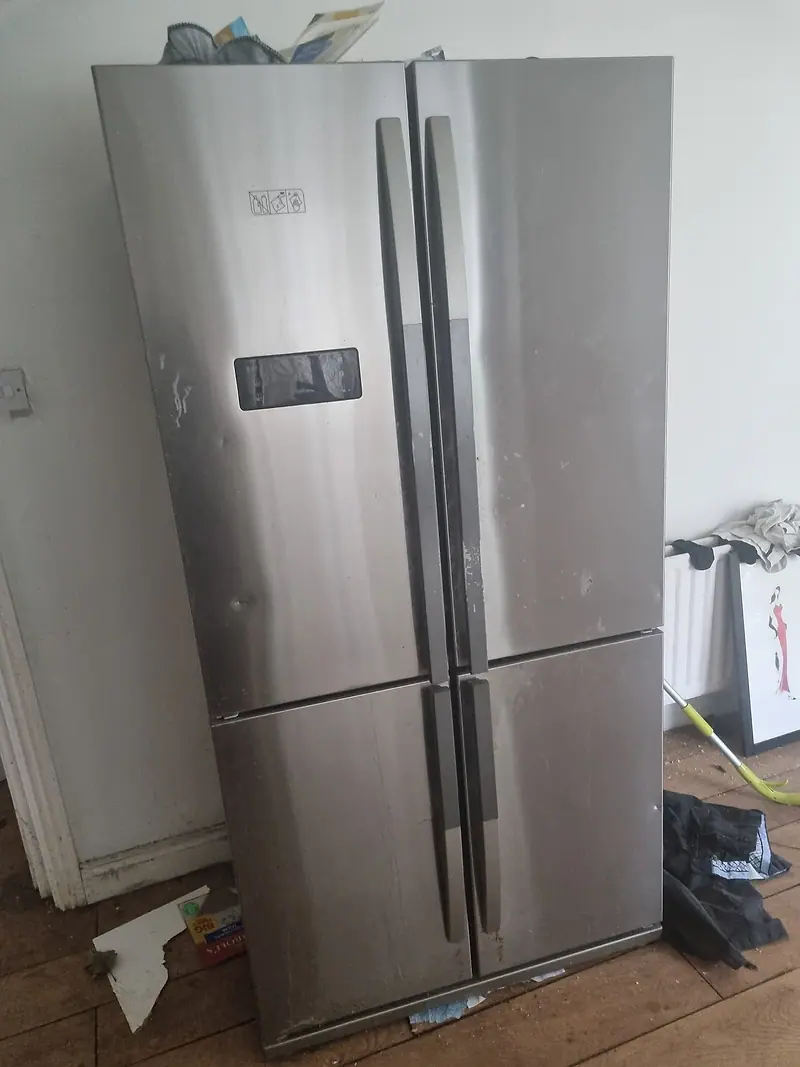
| Single items or a van load | A sofa, a fridge, a pile of rubbish | See furniture removal or junk removal |
With two or three of us on site, most full houses are done in a day or two. The extra hours nearly always go on the parts of the house nobody has opened in years: a packed attic or loft, a garage full of tools and old furniture (garage clear-outs), or a garden shed that needs emptying or taking down altogether (shed clearance).
Why people clear a house
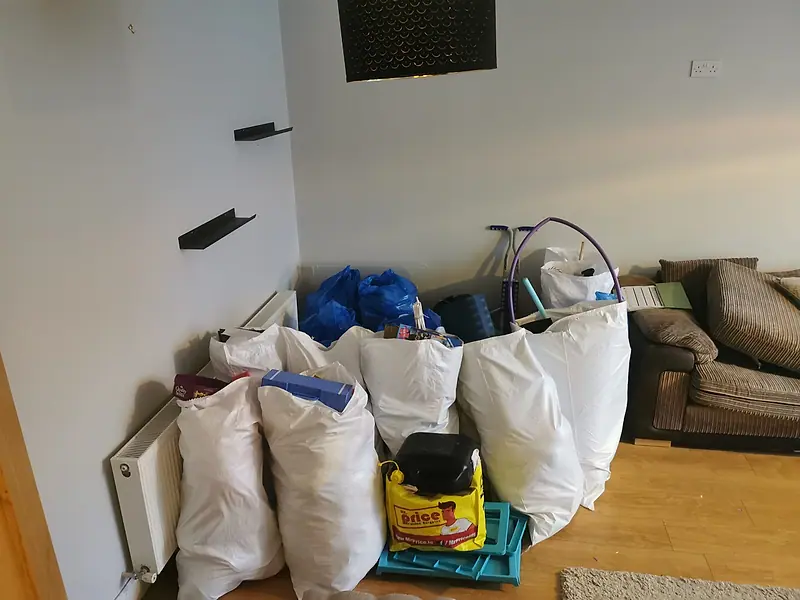
The reason behind a clearance shapes how we plan it, so tell us a little about yours when you get in touch.
After someone has died
Clearing the home of someone who has died is often the hardest practical task a family faces. We work at your pace, set aside papers, photographs and keepsakes, and can clear in stages while decisions are made. Our bereavement house clearance service is built around exactly this.
Selling or letting the property
Estate agents want a house empty for photographs and viewings, and landlords need it clear before the next tenant moves in. Property clearance covers sales, lettings and probate properties.
Downsizing or moving abroad
You're moving somewhere smaller, or emigrating, and taking only what fits. We clear everything that's left in one go, after the removal van has gone if that's easier.
A tip from experience: measure the rooms in the new place before deciding which furniture goes with you. It's far easier to leave a big wardrobe or a corner sofa behind on clearance day than to discover at the other end that it won't go up the stairs.
A home that has become too full
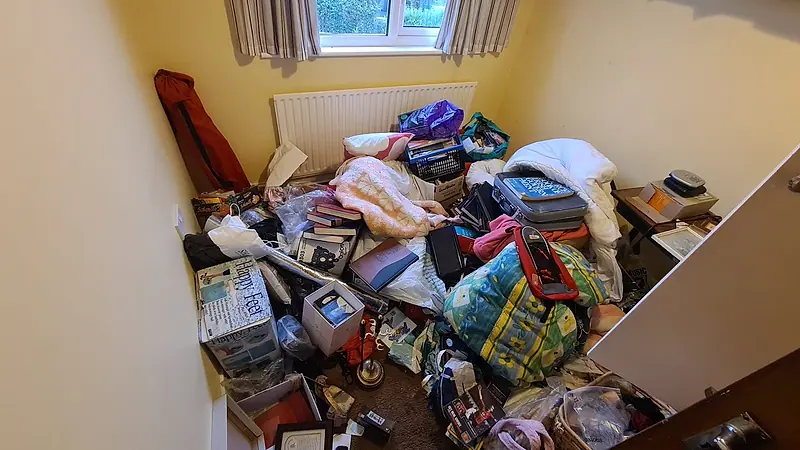
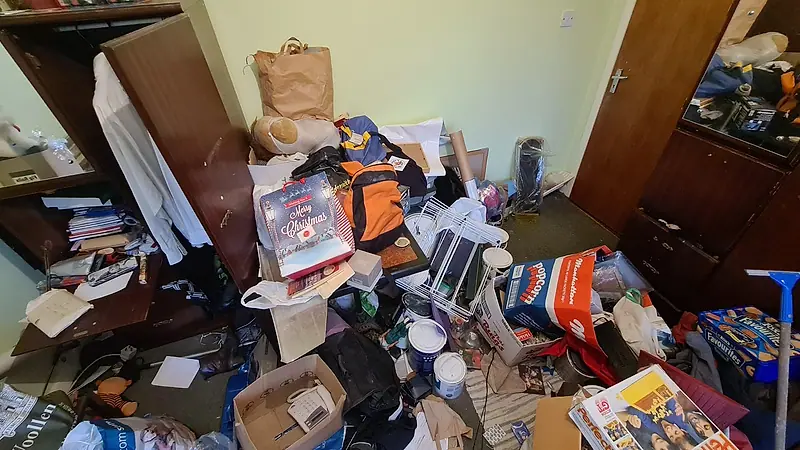
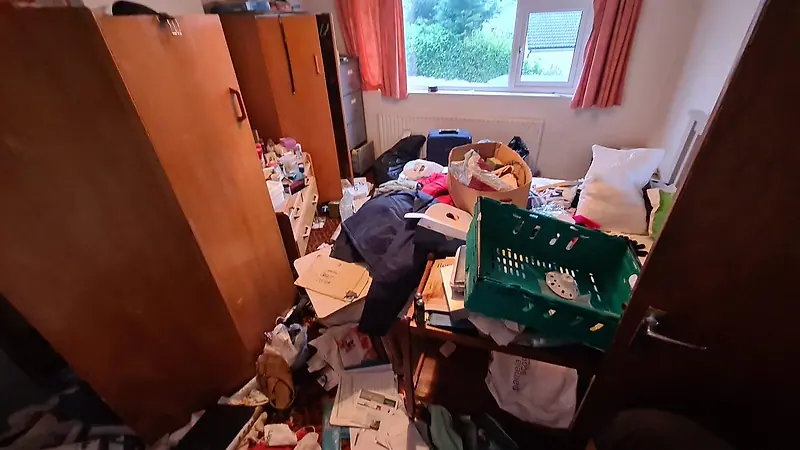
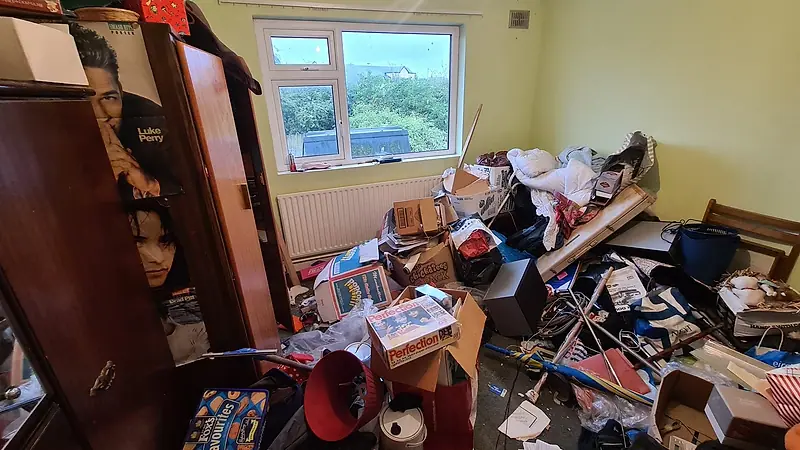
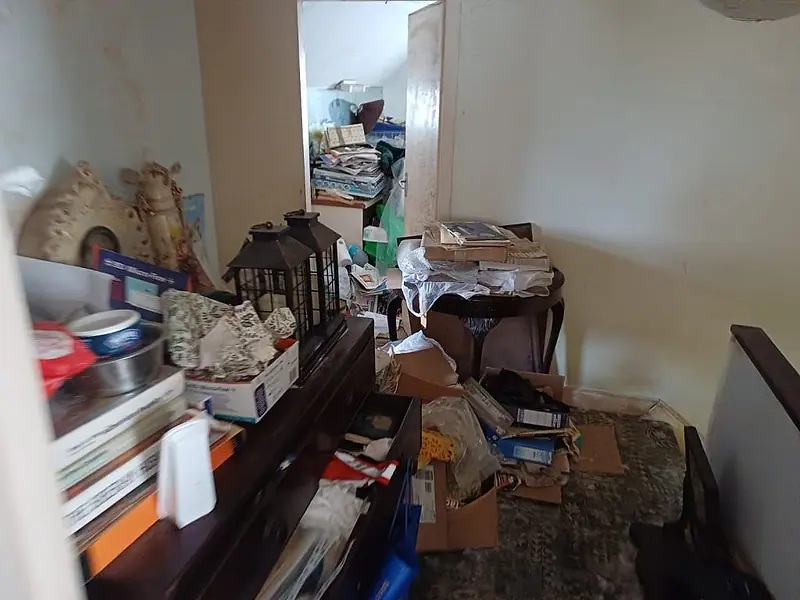
When a home has got on top of someone, the clearance has to be calm, private and at their pace, sometimes over several visits. That's how our hoarder clearance service works.
Apartments and flats
A lift that has to be booked, a shared stairwell and a building with its own rules all change the plan. See apartment clearance for how we handle them.
Not sure which kind of clearance you need? Send photos of each room, the attic and any outbuildings on WhatsApp, tell us the area, and we'll suggest the simplest way to do it, with a fixed price.
Which county is the house in?
Spotless is based in Dublin and covers Dublin and all of Leinster. The housing, the parking and the distances change a lot from one county to the next, and our county pages go into the local detail:
- Dublin. Victorian terraces, 1970s estates, city apartments and everything between, in every postcode from D1 to D24 and out across the county. See house clearance in Dublin.
- Kildare. Commuter estates around the bigger towns, older terraces in their centres, and country homes with sheds and outbuildings. See house clearance in Kildare.
- Wicklow. Bray and Greystones along the coast, and rural houses further south with long drives and big gardens. See house clearance in Wicklow.
- Meath and Louth. Newer estates around Navan, Ashbourne, Dunboyne, Drogheda and Dundalk, plus older town houses and farmhouses. See house clearance in Meath.
- Wexford, Carlow and Kilkenny. Market towns, seaside houses around Gorey, and farmhouses with yards to clear as well as the house.
- The midlands. Laois, Offaly, Westmeath and Longford, from Portlaoise and Tullamore to Mullingar, Athlone and Longford town.
Wherever the house is, send the Eircode along with your photos and we'll tell you straight away when we can get there.
What's included, and what isn't
Included as standard:
- furniture of every kind, with beds and wardrobes taken apart where they won't fit through doors
- appliances and electricals, from fridge-freezers and washing machines to old TVs
- clothes, bedding, books, kitchenware, ornaments and paperwork you've finished with
- the attic, garage, shed and garden, whenever they're part of what you've asked us to clear
- covers on carpets and stairs while we work, and floors swept or hoovered at the end
Not included, or only by arrangement:
- Cleaning. Rooms are left clear and swept, but it's not a deep clean. If the carpets are staying for the next owner or tenant, our carpet cleaning can follow once the house is empty.
- Hazardous materials. Asbestos, chemicals, gas cylinders and large amounts of paint or oil can't travel with ordinary waste. Tell us about them early and we'll be upfront about what we can take and who deals with the rest.
- Fixtures. Fitted kitchens, bathrooms and built-in wardrobes are left in place unless we've agreed something different beforehand.
Keep, sell, give away or clear
Before the clearance day, it helps to split the contents into four rough groups. You don't have to be precise, and you can change your mind while we work.
| Group | What usually goes in it | What to do |
|---|---|---|
| Keep | Photographs, documents, jewellery, family pieces | Move them to one room, or label them |
| Sell | Antiques, collections, good jewellery, quality furniture | Have them looked at by a dealer or valuer before the day |
| Give | Furniture and items family or friends have asked for | Agree who takes what, and when they'll collect |
| Clear | Everything else | Leave it where it is and we'll take it from there |
Anything in the "clear" group that's still in good condition is kept apart for reuse where possible, so it isn't wasted just because nobody in the family wanted it.
What happens to the contents
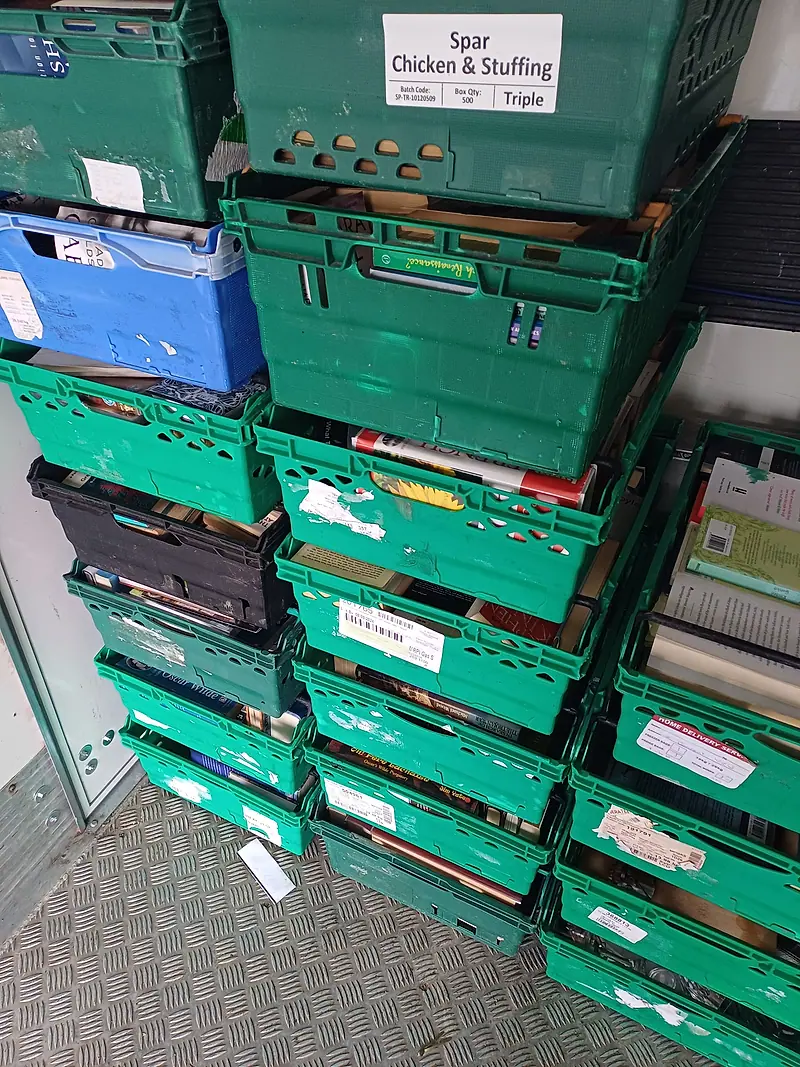
Everything is sorted as it's carried out, so the van doesn't arrive at one place with one big mixed load.
| What it is | Where it usually goes |
|---|---|
| Furniture and household goods in good condition | Set aside for reuse where possible |
| Books and clothes that are still usable | Kept apart for reuse where possible |
| Fridges and freezers | Specialist appliance recycling, because of the gases inside |
| Washing machines, cookers, TVs and small electricals | Electrical recycling |
| Bed frames, bikes, tools and other metal | Metal recycling |
| Cardboard and paper | Recycling |
| Everything else | Licensed waste facilities |
How the price is worked out
We don't publish a price list, because two three-bed semis on the same road can hold very different amounts. Each quote is a fixed price based on four things:
- Volume: how many van loads the contents are likely to fill.
- Access: stairs, the distance from the front door to the van, parking, lifts.
- Special items: fridges, freezers, mattresses and electricals, plus anything very heavy such as a piano or a safe.
- Time: how many of the crew, and for how long.
Most quotes are done from photos sent on WhatsApp or through the form, usually the same day. For very large or unusual properties we sometimes ask for a phone call or a visit before pricing. Once the figure is agreed it doesn't change, and customers have said in their reviews that we stuck to it even when the house held more than anyone expected.
Before the day
A little preparation makes the clearance quicker, though none of it is essential:
- decide what's staying and keep it together, or label it
- look for wills, deeds, bank books and insurance papers, and take them out
- tell us about anything hazardous, such as old paint, chemicals or a gas cylinder
- arrange access: keys, the alarm code, and someone to let us in if you can't
- check where the van can park, and whether a permit or a visitor space is needed
Choosing a house clearance company
Whoever you hire, these questions are worth asking:
- Do they hold a waste collection permit? If an unpermitted collector dumps waste from your house, the householder can be held responsible. Ask for the permit number and check it on the NWCPO register; any genuine collector will give you theirs without fuss.
- Is the price fixed? An open-ended hourly rate can grow quickly on a big house.
- Will they check things before they go? Cash, jewellery, deeds and photographs turn up in coat pockets, books and biscuit tins. A careful crew looks.
- Who actually turns up? Some websites pass jobs to whoever is free that day. With Spotless, it's our own crew.
- What happens to the contents? Ask where things go, and expect a clear answer like the table above.
You may also come across houseclearances.ie, our sister site for house clearance. It's run by the same owner, so if you've seen both, you're not comparing two rival firms.