
Clear-out or clearance?
The words get used interchangeably, but they describe different jobs, and the difference matters for the plan.
| House clear-out | House clearance | |
|---|---|---|
| Who's living there | You are, and you're staying | Usually nobody, or nobody for much longer |
| How much goes | Chosen rooms or spaces | Everything that isn't being kept |
| How long it takes | Often a day or less | Usually one to two days for a full house |
| Typical reasons | A move, downsizing, a renovation, getting space back | A death in the family, a sale, a rental turnover |
This page is about clear-outs in Dublin homes: the jobs where we come in, empty part of the house and leave the rest of your life undisturbed. If the whole property needs emptying, our main house clearance page and the Dublin house clearance page cover that, and our overview of the different kinds of house clearance helps if you're not sure which you need.
The rooms we clear most often
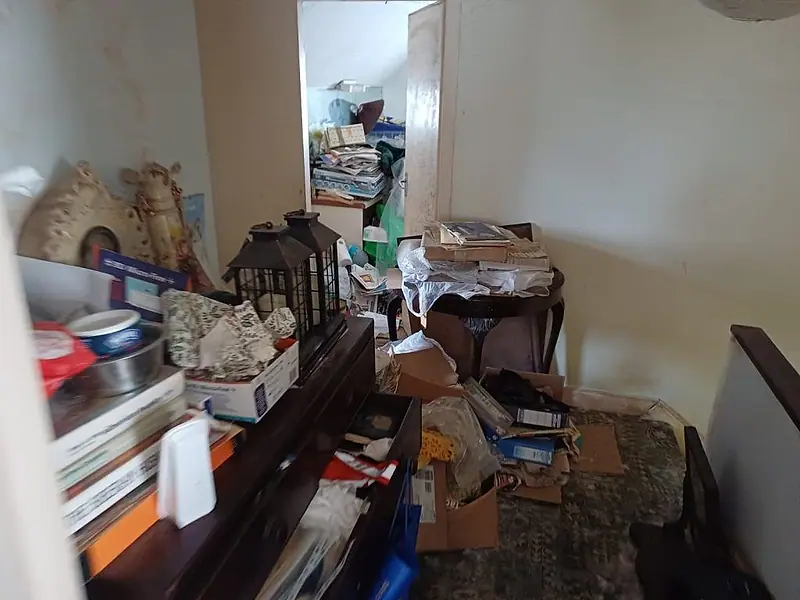
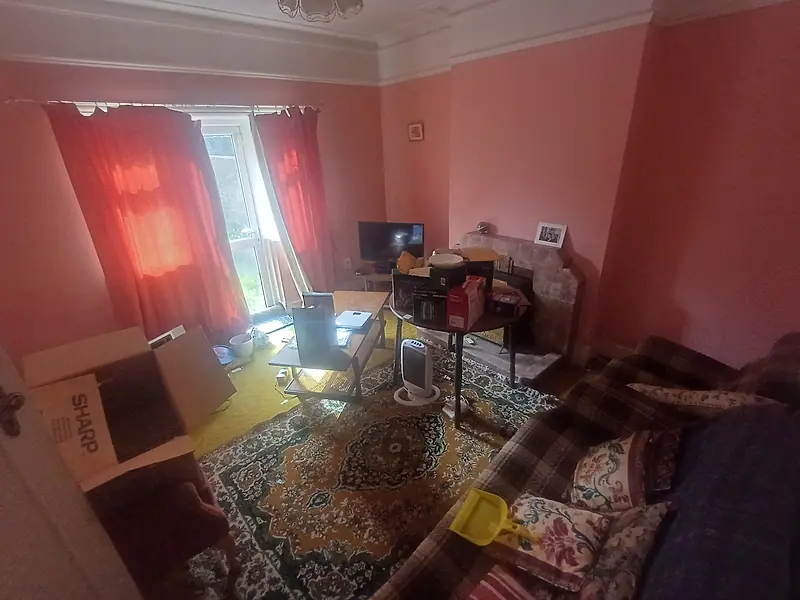
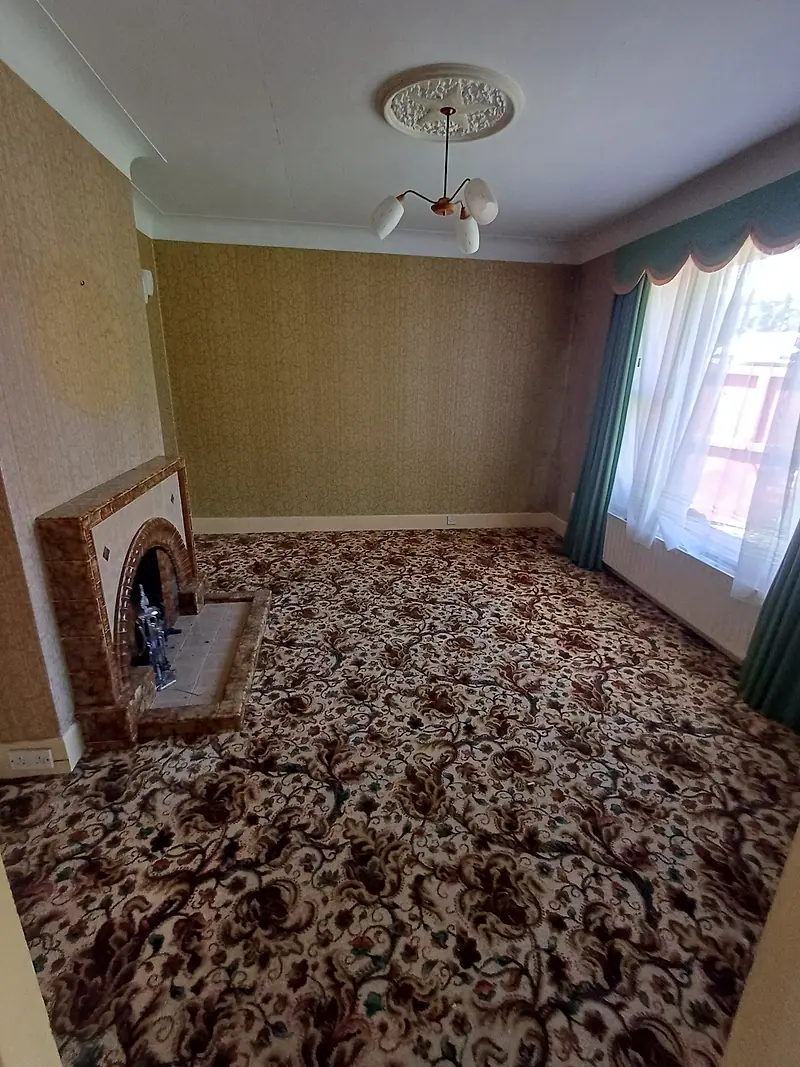
In a lived-in Dublin home, it's rarely the whole house that's the problem. It's the spaces where things go when there's no decision to make:
- The box room, which became the room for everything else.
- The attic, with decades of boxes and decorations; see attic clear-outs.
- The garage, where the car hasn't been in years; see garage clear-outs.
- The shed, full of tools and mowers; see shed clearance.
- The spare bedroom, with a bed under the boxes somewhere.
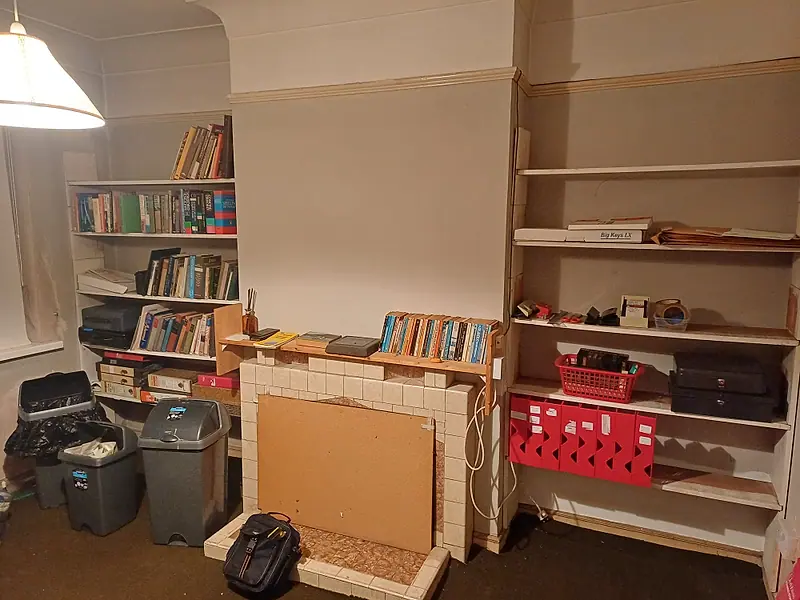
- The study or home office, with shelves of folders nobody opens.
- Under the stairs, with the hoovers, suitcases and bags of bags.
Where it hides, house by house
Different Dublin houses fill up in different places:
- Red-brick terraces in places like Phibsborough, Rathmines and Harold's Cross: the back return, the press under the stairs and, in some, a basement or a yard store.
- 1920s to 1950s houses in areas such as Marino, Cabra and Crumlin: the box room over the hall and the outhouse in the back garden.
- 1970s to 1990s estates in Dublin 15, Lucan, Tallaght and Swords: the integral garage, the attic above it and a shed that's full to the door.
- Newer townhouses and duplexes: the top-floor bedroom used as a store, and the attic over it.
Knowing where things are hiding helps us price the job properly, so include those spaces in your photos even if you think they're manageable.
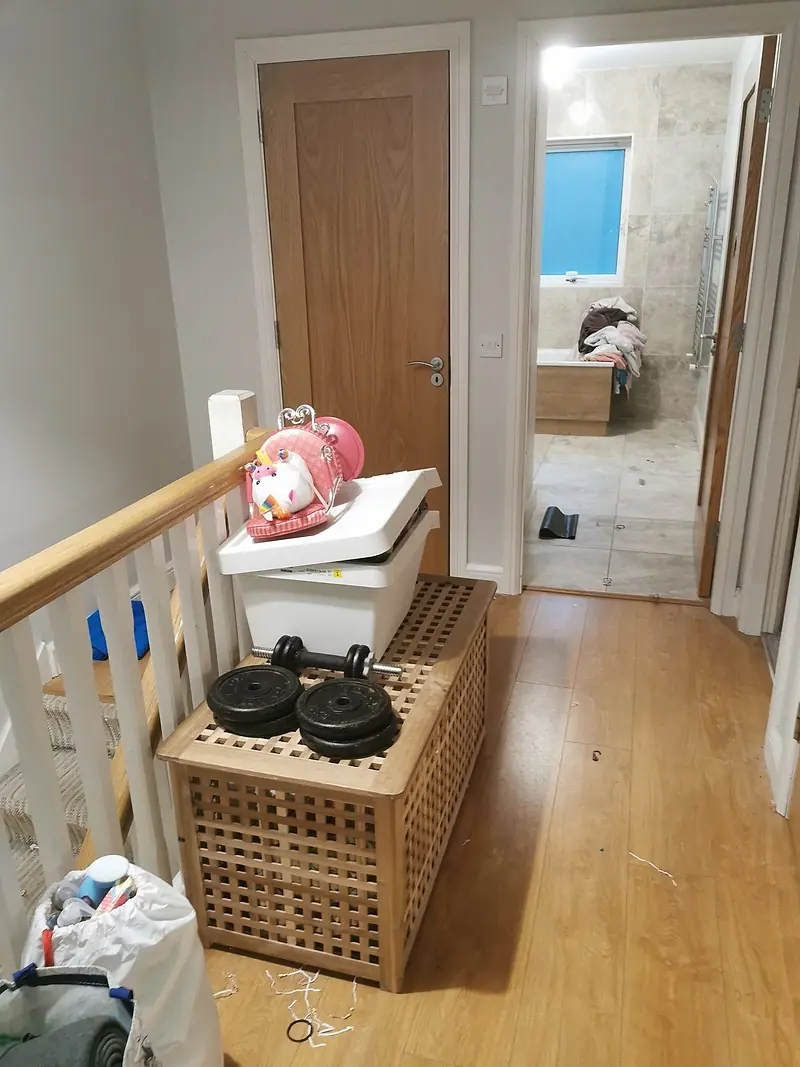
 spotless.ie
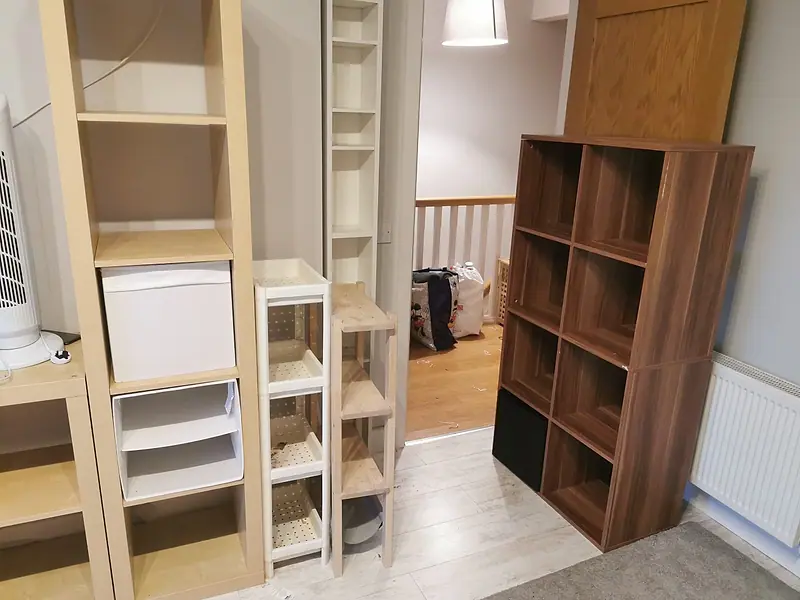
Before a move
Moving house in Dublin is expensive enough without paying to move things you don't want. A clear-out a week or two before the removal company comes means you pack only what's going, the removal quote is based on less, and the new place doesn't start out cluttered.
A simple way to do it: measure the rooms in the new home, decide which furniture fits, and let everything else go. We take the surplus furniture, the contents of the attic and garage, and anything else you've decided against, and leave the rest ready for the packers.
Downsizing after the children have gone
A four-bed semi holds a lot more than a two-bed apartment, and downsizing usually means letting go of furniture, books and keepsakes collected over decades. It's often done with grown-up children helping, sometimes from abroad.
We go at the pace of the person moving. Things they're unsure about are set aside, and we can do the job in two or three stages: the obvious surplus first, then the harder decisions closer to the move. Anything in good condition is set aside for reuse where possible, which many people find makes it easier to let go.
Before the builders arrive
A kitchen extension, a new bathroom or a full renovation usually means emptying the rooms being worked on, and often the route the builders will use. We clear what's going for good, so the builders start on time and the skip they bring is kept for building waste.
What we don't do is pack and store the things you're keeping. Plan a room the builders won't need, or a storage unit for the duration. When the work is done and you're unpacking, we can come back to take whatever didn't make it back into the new rooms.
Two renovations come with their own pages, because the space has to be completely empty: converting the garage into a room, covered under garage clearance before a conversion, and insulating or converting the attic, covered under attic clearance before building work.
Need part of the house cleared? Photograph the rooms or spaces you want emptied, tell us your area and what's staying, and send it on WhatsApp. You'll have a fixed price back, usually the same day.
Living in the house while we work
A clear-out happens in the middle of your normal life, so we plan for that:
- Covers on floors and stairs along the route to the door.
- One space at a time, so the rest of the house stays usable.
- Doors closed behind us to keep pets in and dust out.
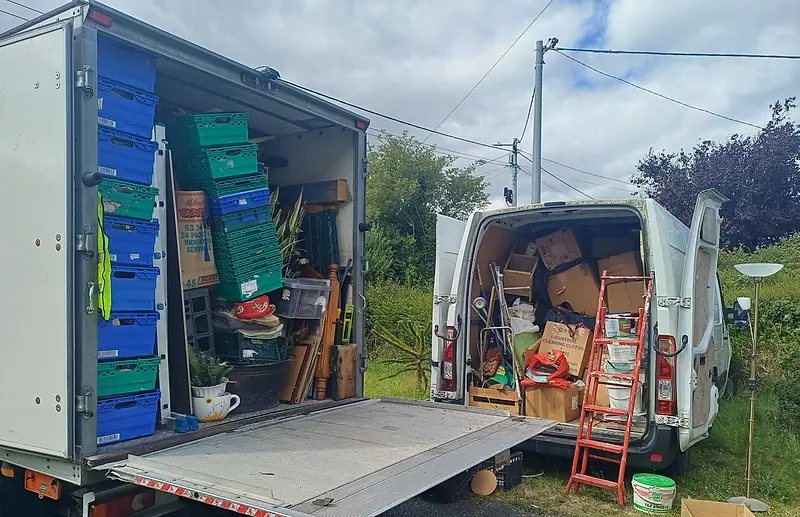
- The kerb kept clear, loading quickly so neighbours aren't blocked in.
- Everything checked before it goes, with anything personal set aside for you.
Dublin parking shapes the day as much as the house does. In a red-brick terrace in Dublin 6 or Dublin 7, we may be loading from the street in a permit zone; in an estate in Dublin 15 or Dublin 24, there's usually a driveway. Tell us which when you send photos.
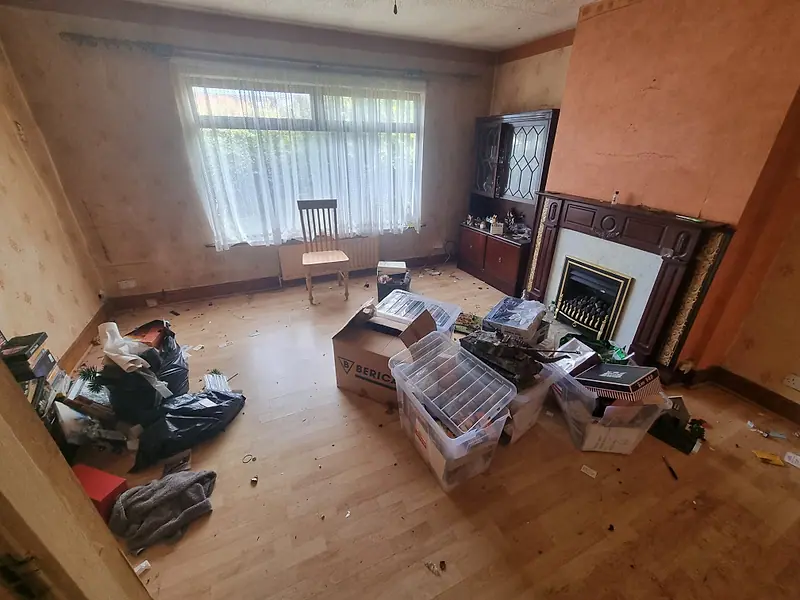
Pricing a partial clear-out
A clear-out is priced like any of our jobs, on what's going: the volume, the carry to the van, any items needing special disposal, and the crew's time. You get a fixed price from your photos before you book. Spotless is an authorised waste carrier, permit NWCPO-25-13287-01, and fully insured.
If the clear-out is the first step in clearing a parent's home, our bereavement clearance service works at the family's pace. If a home has become too full for someone to manage, a gentler, staged approach is usually better; see hoarder clearance. And for flats, where lifts and management companies change the plan, see apartment clearance. Our room-by-room clear-out guide has tips if you'd like to start on your own.