 spotless.ie
When the attic is in the way of the work
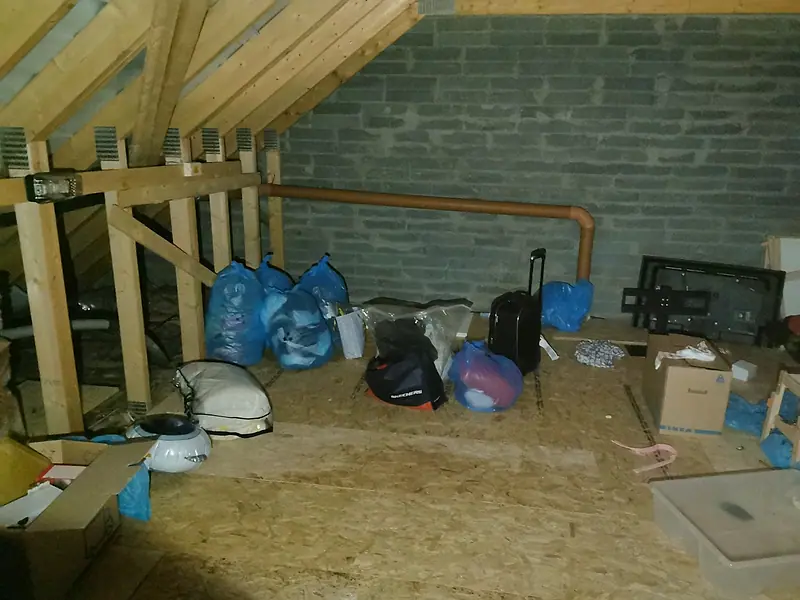
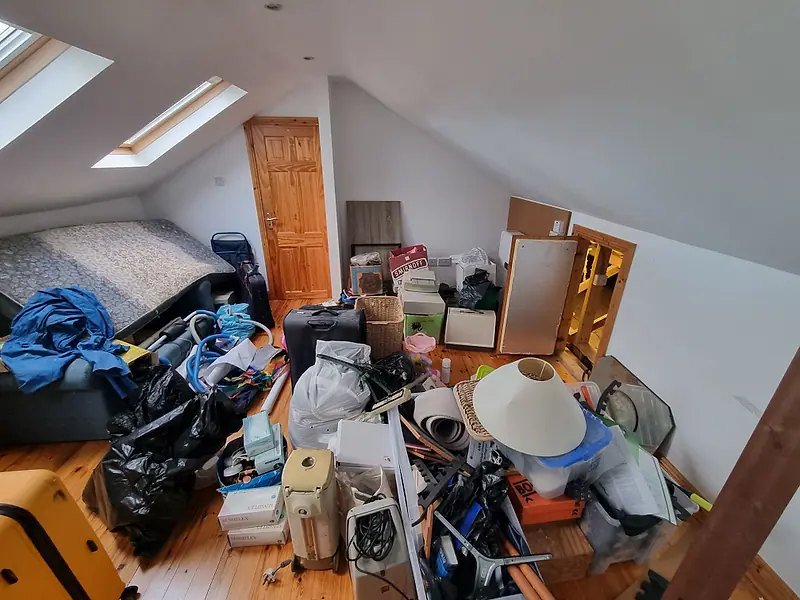
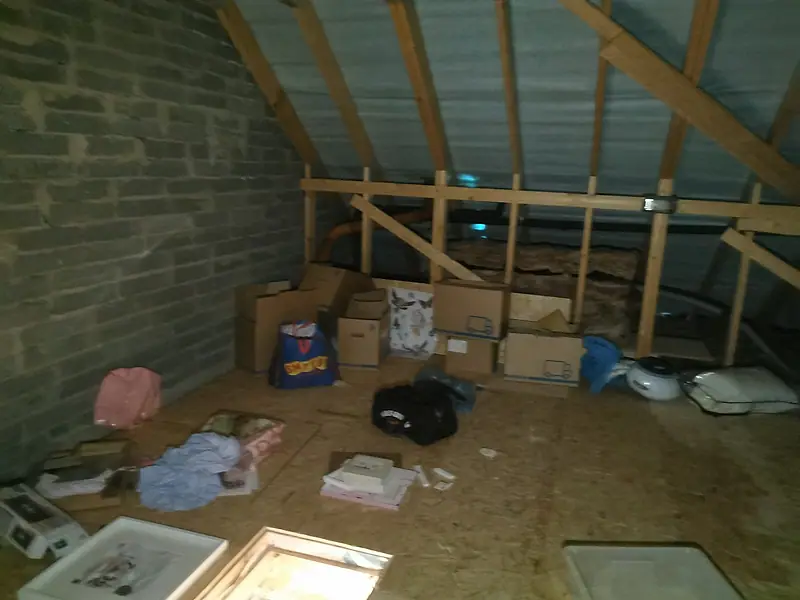
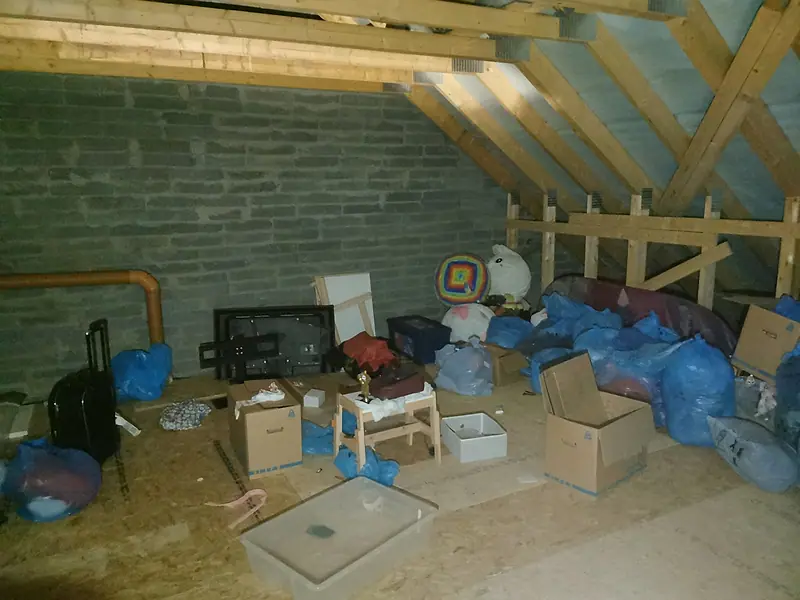
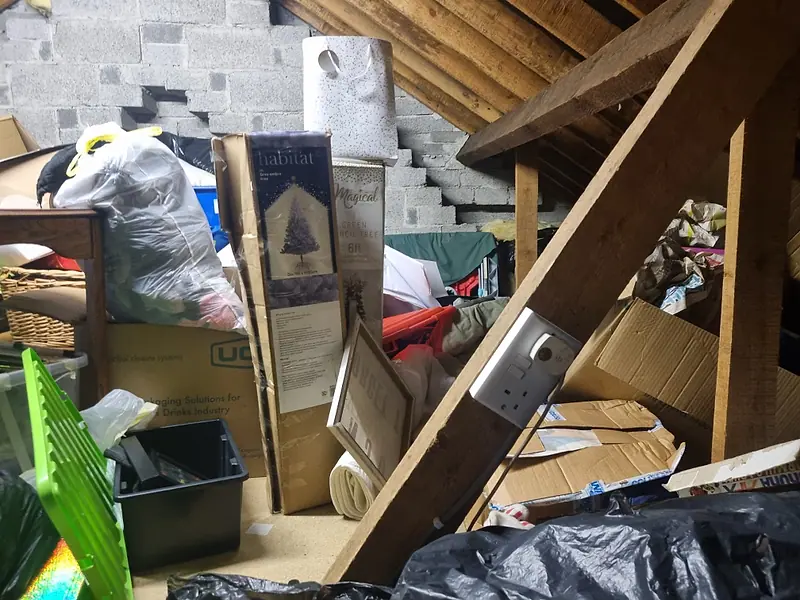
Most people don't clear their attic for its own sake. They clear it because something else is about to happen up there, and the person doing it needs room to work.
The three jobs we hear about most:
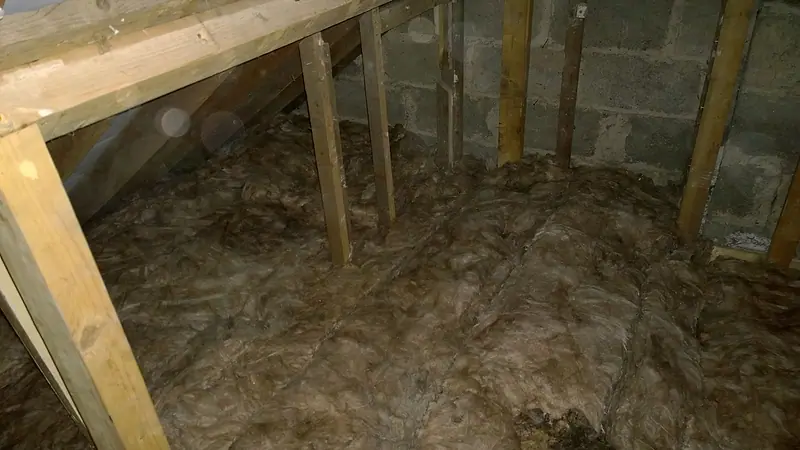
- Insulation upgrades. New insulation goes across the whole floor, between and over the joists, so the attic has to be empty.
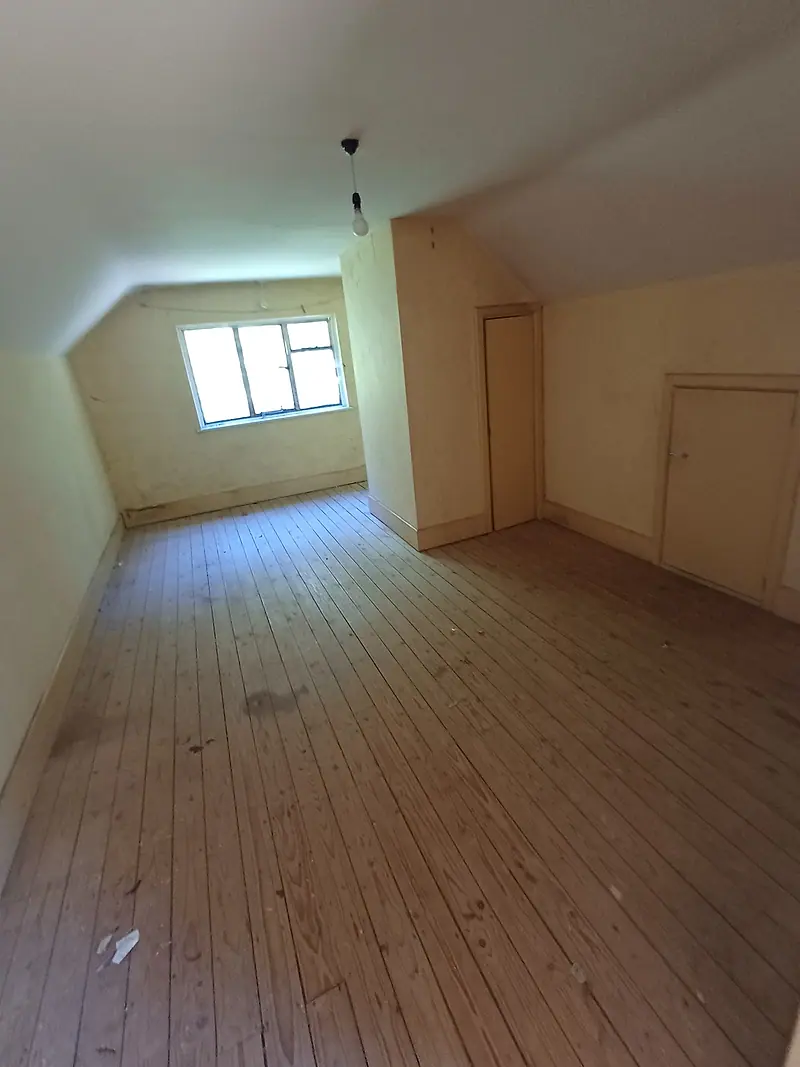
- Attic conversions. Builders need an empty space, and often the landing or a bedroom below cleared for the new stairs.
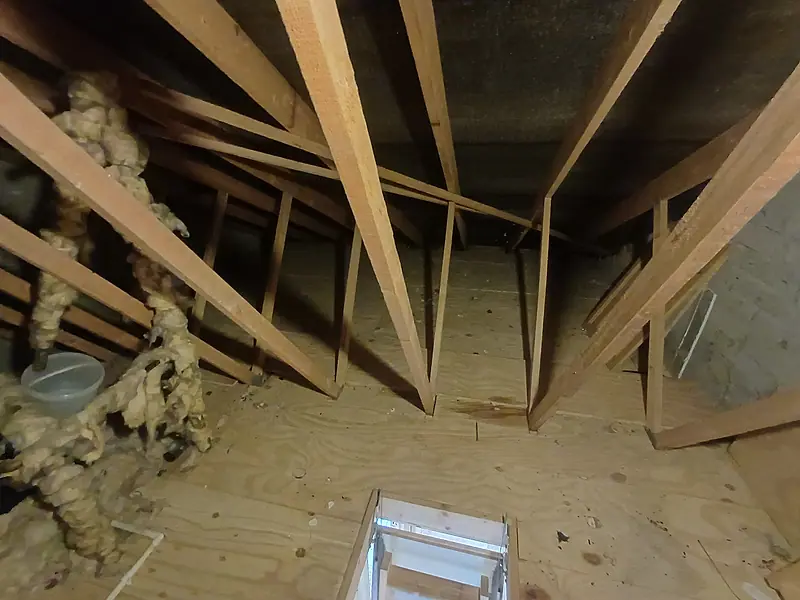
- Roof and water-tank repairs. A roofer chasing a leak or a plumber replacing the cold-water tank needs a clear path from the hatch and room to move around.
Contractors generally won't move your belongings themselves. It isn't their job, it slows them down, and nobody wants to be responsible for a box of family photos. That's where we come in. If you just want the space back for storage, our main attic clearance page covers that. This page is about getting the attic ready for the trades.
What each kind of job needs
Every contractor works differently, so always check with yours. As a rough guide:
| Work planned | What the contractor usually needs | What we do |
|---|---|---|
| Insulation upgrade | The whole floor clear, joists exposed | Everything down, loose boards removed if you want them gone |
| Attic conversion | An empty attic, sometimes the room below too | The attic emptied, plus the landing or box room if needed |
| Roof repair from inside | Clear access to the rafters and felt around the problem | The affected area or the whole attic, with damp items bagged |
| Water-tank replacement | A clear route from the hatch to the tank | The route and the area around the tank cleared |
| Electrical work | Access to cable runs across the joists | The joists along the runs cleared |
If you're not sure how much needs to come down, send us the contractor's instructions with your photos. We'll price the job to match what they've asked for.
Getting it all down safely
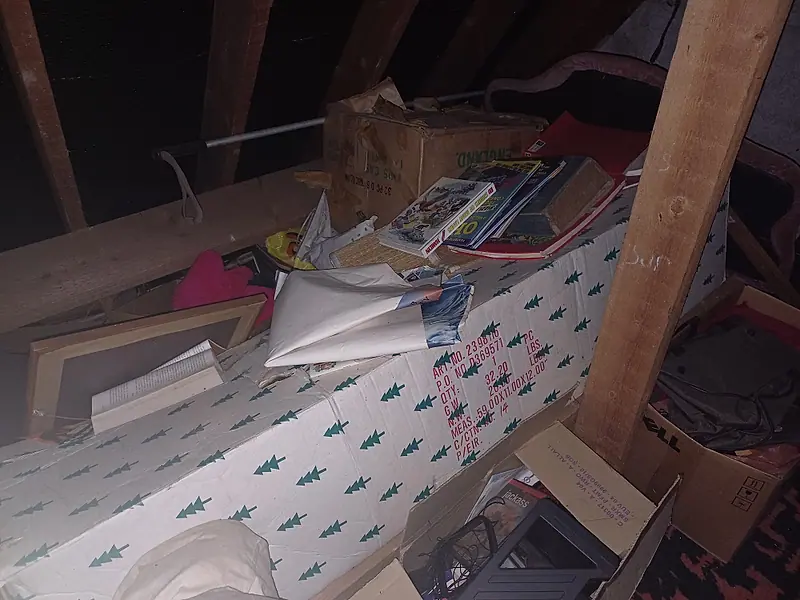
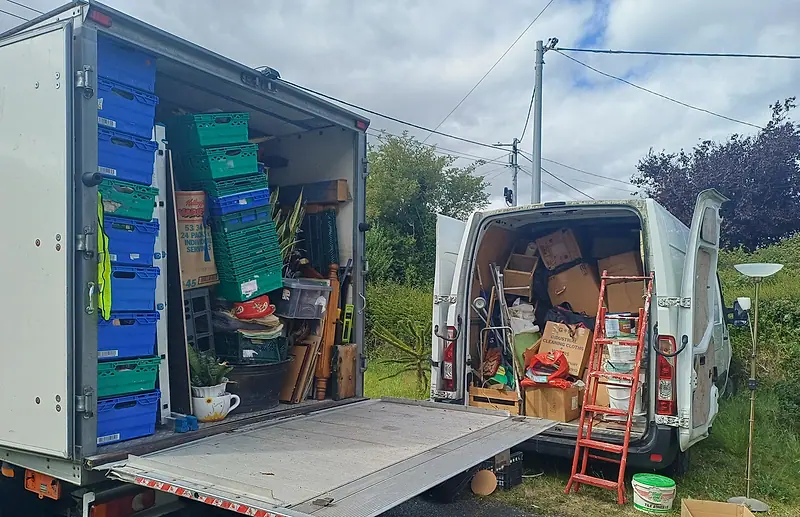
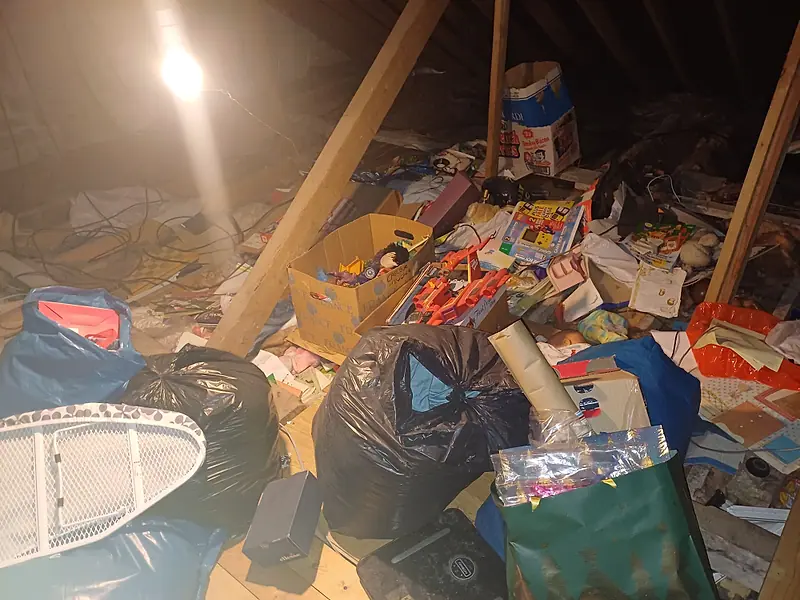
An attic packed for twenty years doesn't come down in a rush. We usually work as a small chain: one person in the attic handing things to the hatch, one on the ladder, and one carrying from the landing to the van. Boxes are passed down, never dropped, and anything heavy or awkward is taken apart in the attic first.
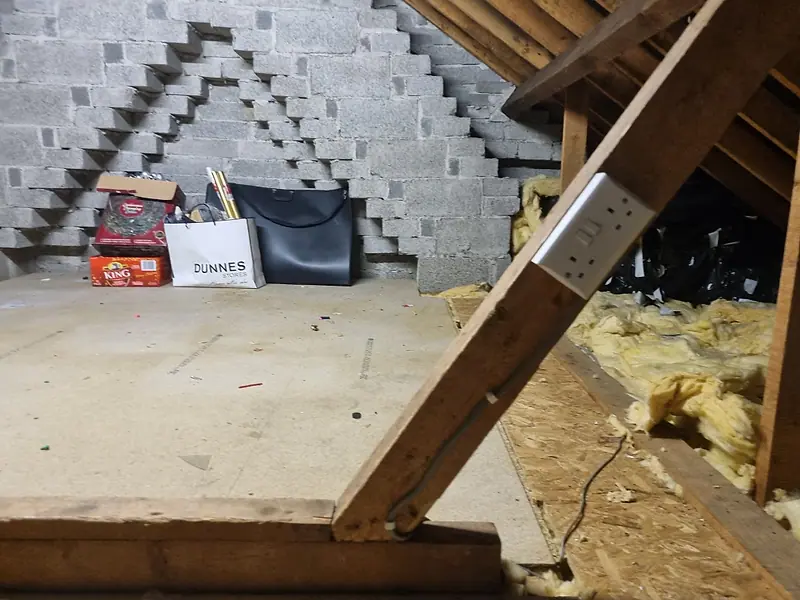
In unboarded attics we stay on the joists. That matters even more before an insulation job, because a foot through the ceiling below is the last thing you need the week the installer comes. We wear masks and gloves around old insulation and dust, and covers go on the landing and stairs before the first box moves.
Timing it with your contractor
The clearance is the easy part to schedule, so fit it around the contractor's date rather than the other way round. Book it a few days to a week before the work starts. That leaves time to deal with anything that turns up, and it means the attic isn't sitting half-full on the morning the installer arrives.
Before the clearance, decide where the things you're keeping will live while the work is on. A spare room works, as long as the builders won't need it. If the garage is full too, we can clear it on the same visit; see garage clearance before a conversion for how we approach that.
If the contractor's date moves, let us know. We'll move with it wherever we can.
Thinking about afterwards
Clearing for work is a good moment to decide what really needs to go back up, because the attic you get back may not be the attic you had.
- After an insulation upgrade. Thicker insulation often sits higher than the joists, so ordinary boards laid on top would squash it. If you want storage space again, ask your installer about raised boarding before they finish.
- After a conversion. The attic becomes a room, and the storage it used to give you is gone. The Christmas decorations, suitcases and baby things need a new home, so it's worth being ruthless now about what's worth keeping.
- After a roof or tank repair. The attic goes back to normal use, but it's a natural point to put back only what you'll actually need.
Most people find that less goes back up than they expected. Whatever isn't needed leaves with us on the day.
Contractor booked? Send a few photos of the attic, one of the hatch from the landing, and the date the work starts. We'll reply with a fixed price and a clearance date that fits.
Things to check before the attic empties
A few things in an attic are worth a second look before they go:
- Spare roof tiles or slates. If there's a stack left over from when the roof was done, ask your roofer before it goes. They can be hard to match.
- Unused insulation rolls. Your installer may or may not want them. Ask.
- Old paperwork. Bank statements and anything with personal details are set aside for you, never thrown loose into a bag.
- Keepsakes. Photo albums, letters, christening gowns and children's drawings turn up in every attic. If something looks personal, we stop and ask.
Price, and what's not included
You get one figure for the job, based on your photos and confirmed before anything is booked. The things that move it: the volume stored up there, how big the hatch is and whether there's a ladder, boarded floor or bare joists, and the carry from the top of the house down to the van. A contractor's deadline doesn't change the price; we just plan the date around it.
What we don't do: lift fixed flooring, strip insulation, remove water tanks or touch wiring. We also don't handle anything you suspect might contain asbestos, which needs a specialist contractor. Spotless is an authorised waste carrier under permit NWCPO-25-13287-01 and fully insured, and everything we take is sorted for reuse, recycling or licensed disposal.
If the attic is a floored loft or a converted room full of furniture, see loft clearance. If other rooms need emptying before the builders arrive, see house clear-outs in Dublin or our main house clearance page. If you'd rather bring some of it down yourself first, read our guide to clearing an attic before you go up the ladder.