 spotless.ie

A loft with a floor is a different job
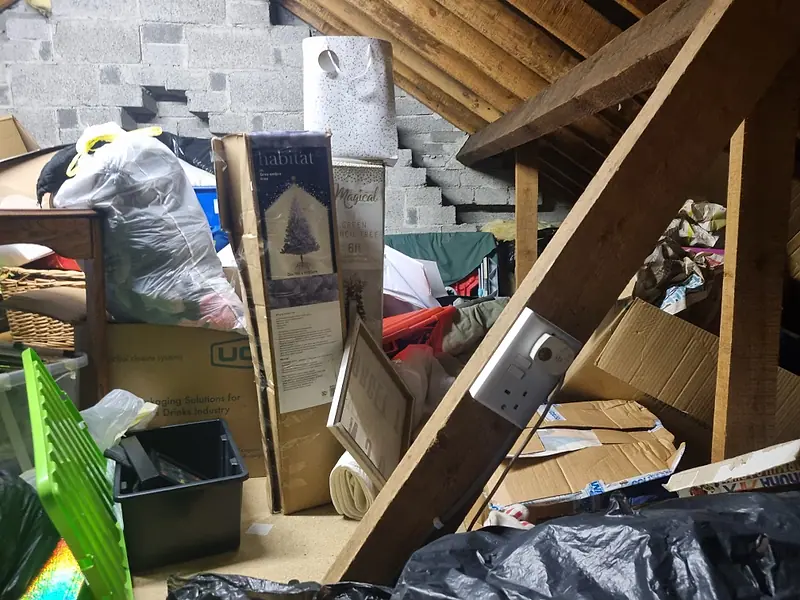
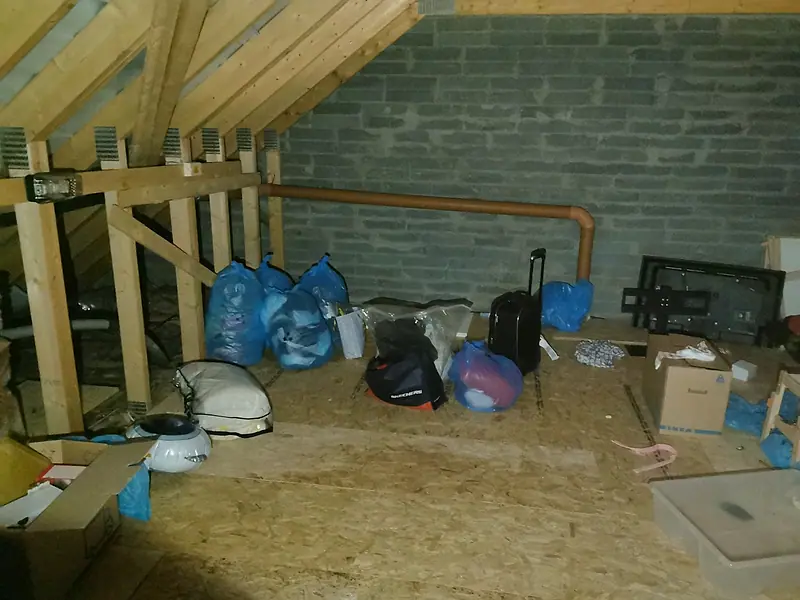
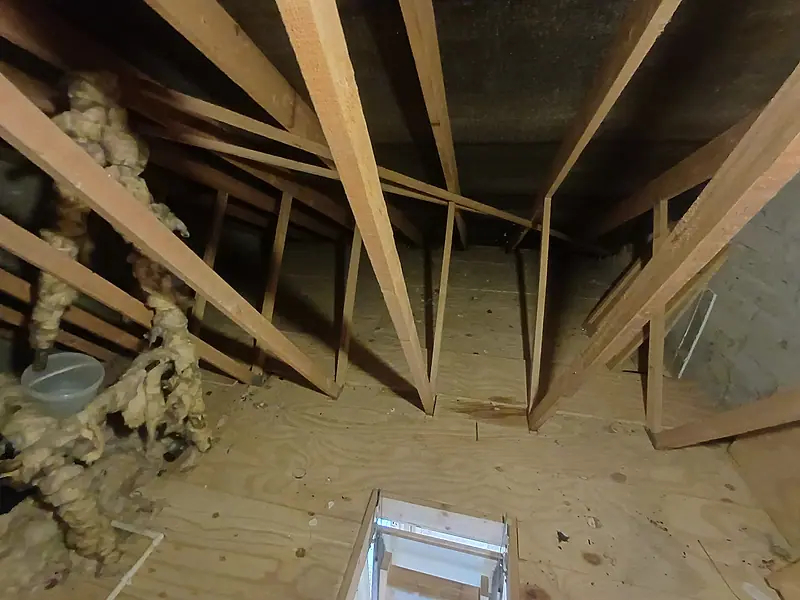
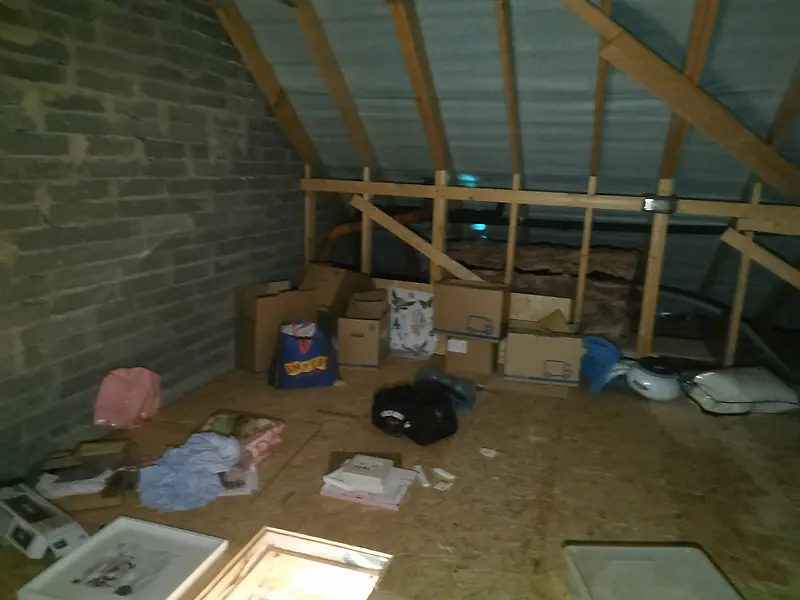
There are two kinds of attic. One is a storage space with a hatch, insulation between the joists and boxes balanced on a few boards. The other has a proper floor, sometimes a window, sometimes a fixed staircase, and has quietly become a room. This page is about the second kind.
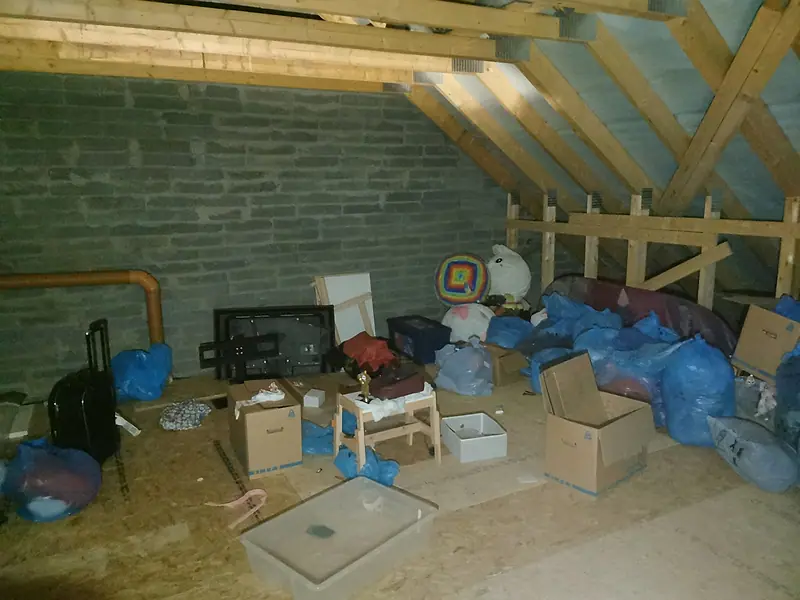
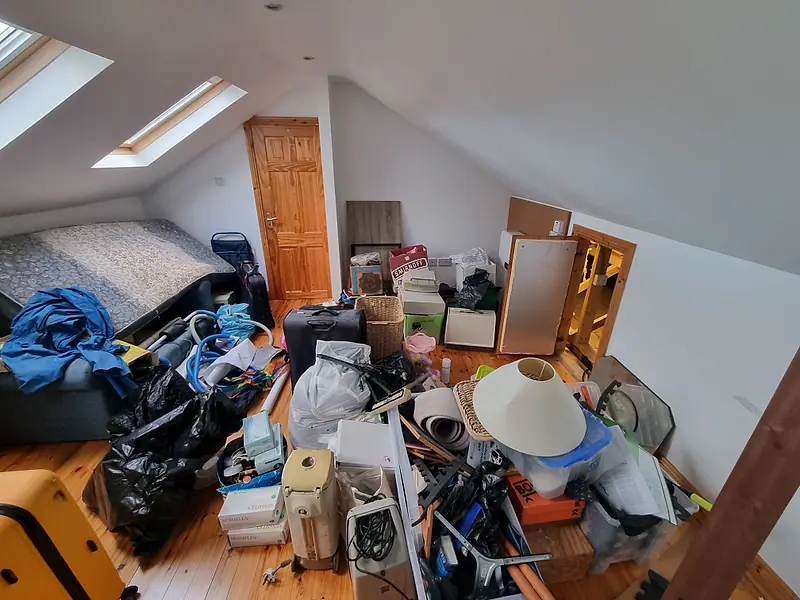
Floored lofts, roof-window rooms and dormer conversions fill up like bedrooms, not like attics. Instead of boxes and Christmas decorations, there's a bed, a desk, a wardrobe, a sofa bed nobody sleeps on and a treadmill nobody runs on. That changes the job: more furniture, more dismantling, and a tighter route down.
For a standard storage attic reached through a hatch, our main attic clearance page has the detail. If the loft needs to be empty for insulation, roof work or a conversion, see attic clearance before building work.
What we usually clear from loft rooms
Loft rooms tend to get cleared at turning points. A grown-up son or daughter moves out and leaves a bedroom's worth of furniture behind. A home office from the years of working from home is no longer needed. A house is going on the market, and the agent wants the attic room photographed as a room, not a store; see contents clearance before a sale for the rest of the house. Or a parent is moving somewhere smaller and the family is working down from the top of the house.
Whatever the reason, the contents look much the same:
- single, double and bunk beds, with their mattresses
- desks, office chairs and filing cabinets from home offices
- wardrobes, chests of drawers and bookcases
- sofa beds and futons
- exercise bikes, treadmills and weight benches
- TVs, games consoles and computer equipment
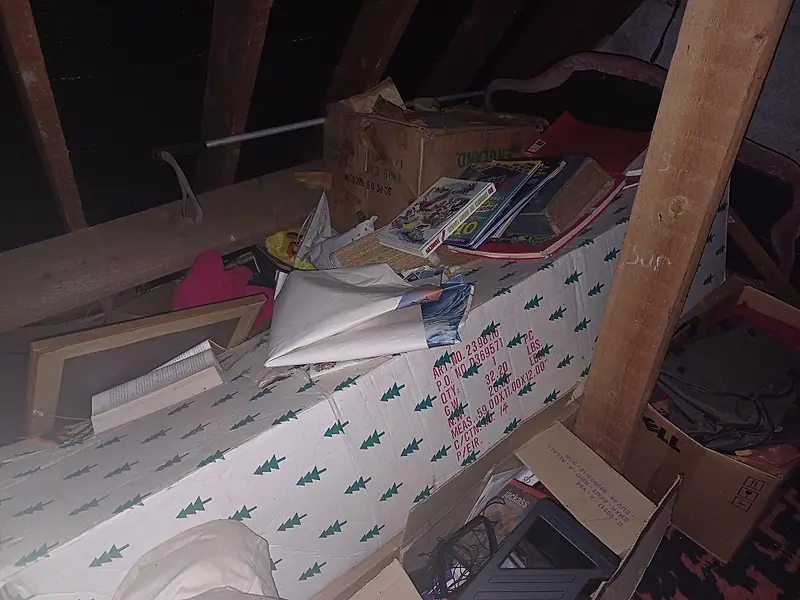
- toys and boxes from a loft that was a playroom
- whatever has been pushed into the eaves cupboards
Stira ladder or fixed stairs?
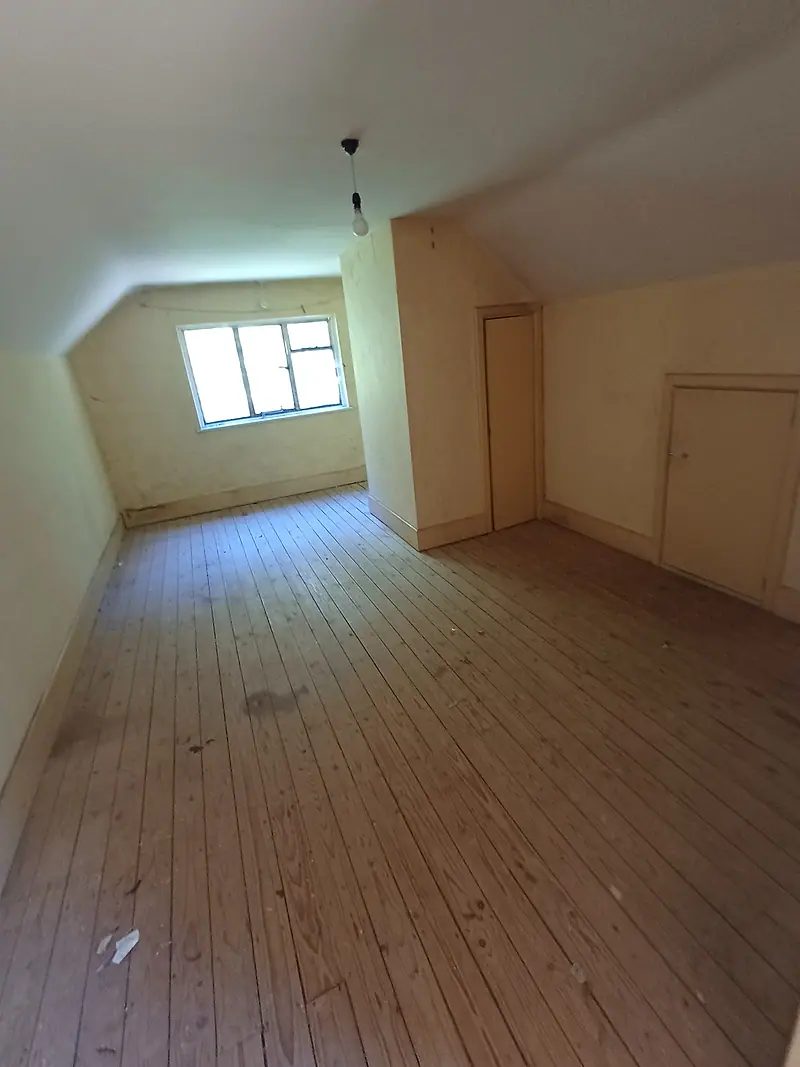
How you get into the loft decides how much has to be taken apart, and how long the job takes.
| Access | What it means | How we handle it |
|---|---|---|
| Folding Stira-style ladder through a hatch | Only what one person can carry safely, with a hand free for the rails | Everything broken down small, with a second person at the foot of the ladder |
| Fixed stairs, steep and narrow | Tight turns, low headroom and walls that mark easily | Furniture dismantled in the room, covers on every step |
| Space-saver or alternating-tread stairs | Very little room to turn or change grip | Smallest pieces only, carried slowly |
| Stairs added after the furniture went in | Some pieces went up before the stairs or window were finished | Taken apart to whatever size fits the route |
The last one catches people out. A sofa or a solid wardrobe that was lifted in before the conversion was finished may never fit down the stairs in one piece. We'll look at your photos and tell you before the day if something will have to come down in sections.
Taking furniture apart without damage
Most loft furniture comes apart, and most of it went up that way. Beds are unbolted, wardrobes taken down panel by panel, and desks separated from their drawers. Fixings for anything you're keeping are bagged and taped to the piece they belong to.
A word of honesty about flat-pack: a wardrobe that's stood for ten years often won't survive a second assembly. If you want to reuse a piece, tell us and we'll take extra care with it, but some chipboard simply doesn't go back together well. Solid furniture is a different story, and pieces in good condition are set aside for reuse where possible.
Clearing a loft room? Send photos of the room, the eaves cupboards and the stairs or ladder from the top and the bottom. We'll reply on WhatsApp with a fixed price.
Protecting the stairs and landing
The route out of a loft room runs through the best-kept part of most houses: the landing, the main stairs and the hall. So we protect it before anything moves.
- Covers down first, from the loft door all the way to the front door.
- Nothing slid or dragged. Every piece is carried, and turns are taken slowly.
- Heavy pieces dismantled upstairs, so a wardrobe never meets a banister in one piece.
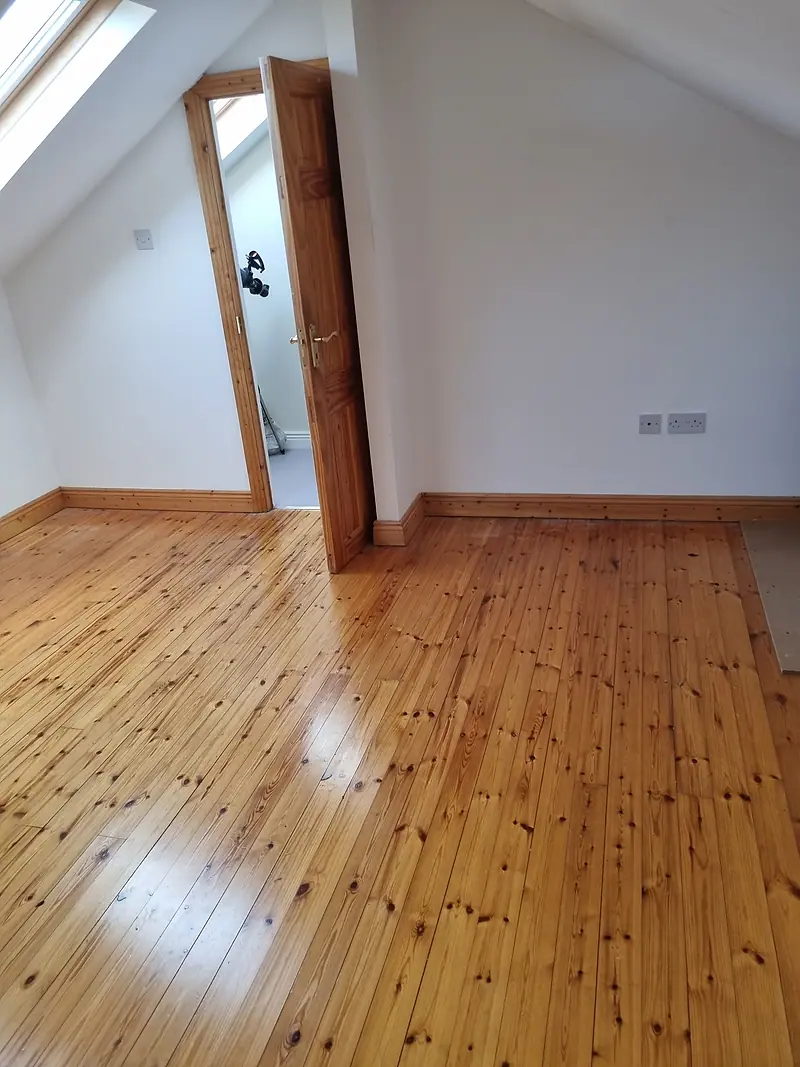
- Swept and vacuumed at the end. The loft floor is swept, and the landing is vacuumed where needed.
Customers mention the covers on their stair carpets in their reviews. It's a small thing, but it's the difference between a loft that's clear and a stairs that needs repainting.
Eaves cupboards and the bits behind small doors
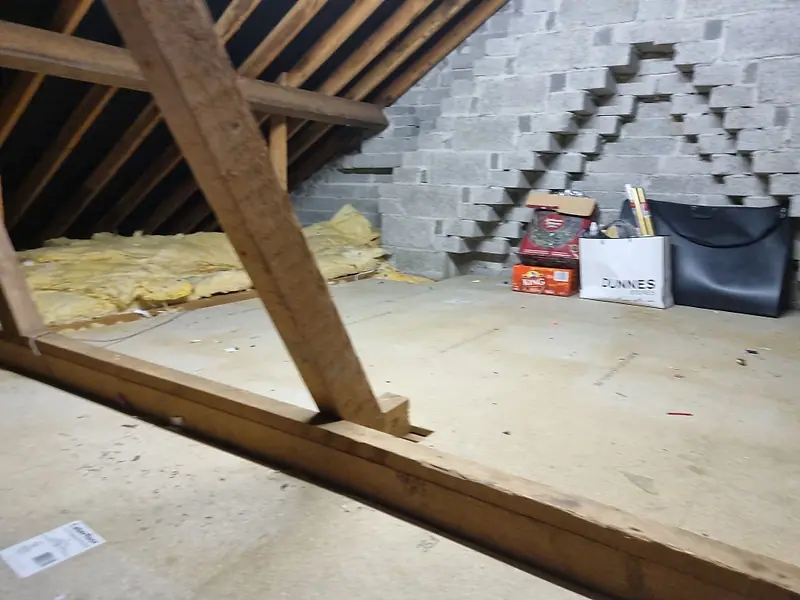
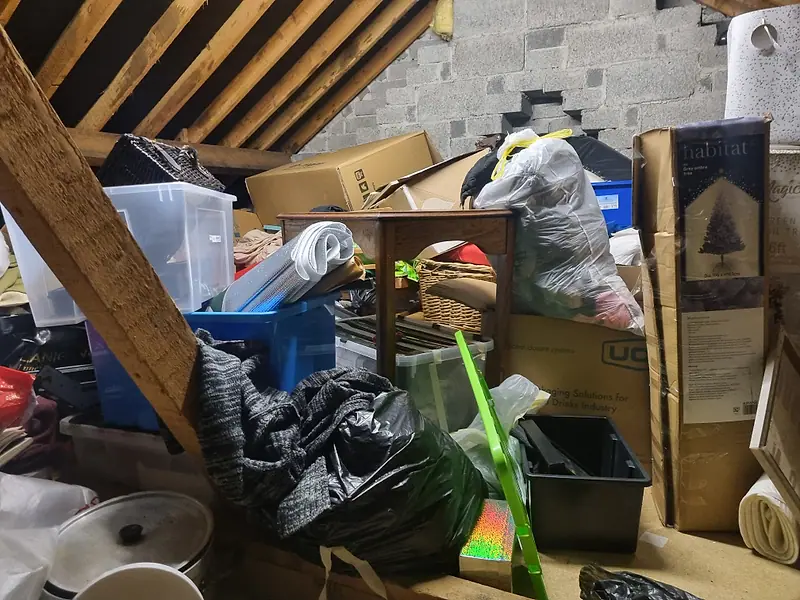
Converted attic rooms usually have storage in the eaves: low cupboards behind small doors in the knee walls, running the length of the room. Things go in there and stay in there. We often find suitcases, old curtains, rolls of wallpaper and boxes from the last house move.
These spaces are cramped and sometimes unfloored, so we work on the joists, keep clear of the insulation, and bring everything out to the middle of the room where you can see it before it goes. Anything that looks personal or valuable is set aside.
Pricing and getting ready
Every loft clearance gets a fixed price, worked out from your photos. It depends on how much furniture there is, how much has to be taken apart, the kind of stairs or ladder, and how many floors lie between the loft and the van. A lightly furnished room is usually part of a day's work; a packed room with full eaves and heavy furniture takes longer, and the quote will say so. Spotless is an authorised waste carrier (permit NWCPO-25-13287-01) and fully insured.
To get ready:
- photograph the stairs or ladder from the top and from the bottom
- show us inside the eaves cupboards, not just the room
- unplug computers and remove any hard drives you want to keep
- tell us which pieces, if any, you'd like kept or reused
If you'd like to bring down the lighter things yourself first, our attic clearance guide has safety tips for ladders and hatches.
If only one bed or wardrobe needs to go, furniture removal is simpler. When the loft belongs to a family home being cleared after a death, our bereavement clearance service works at the family's pace. For the whole house, house clearance starts at the top and works down.