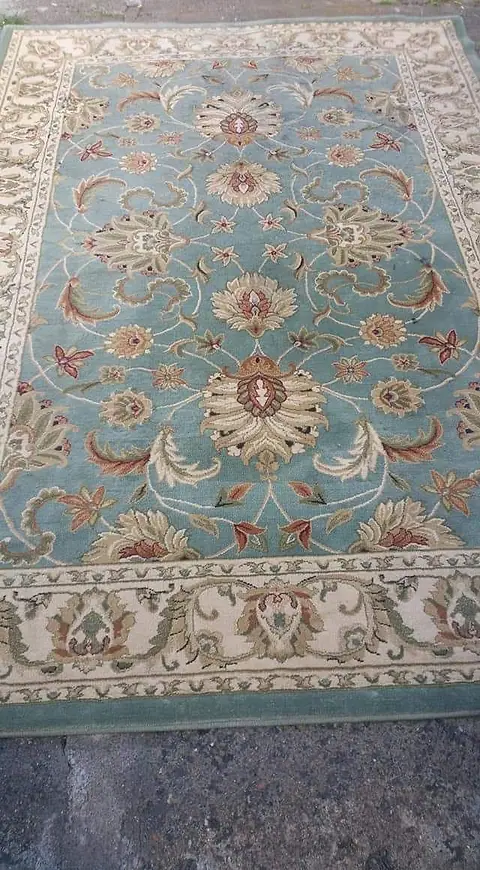
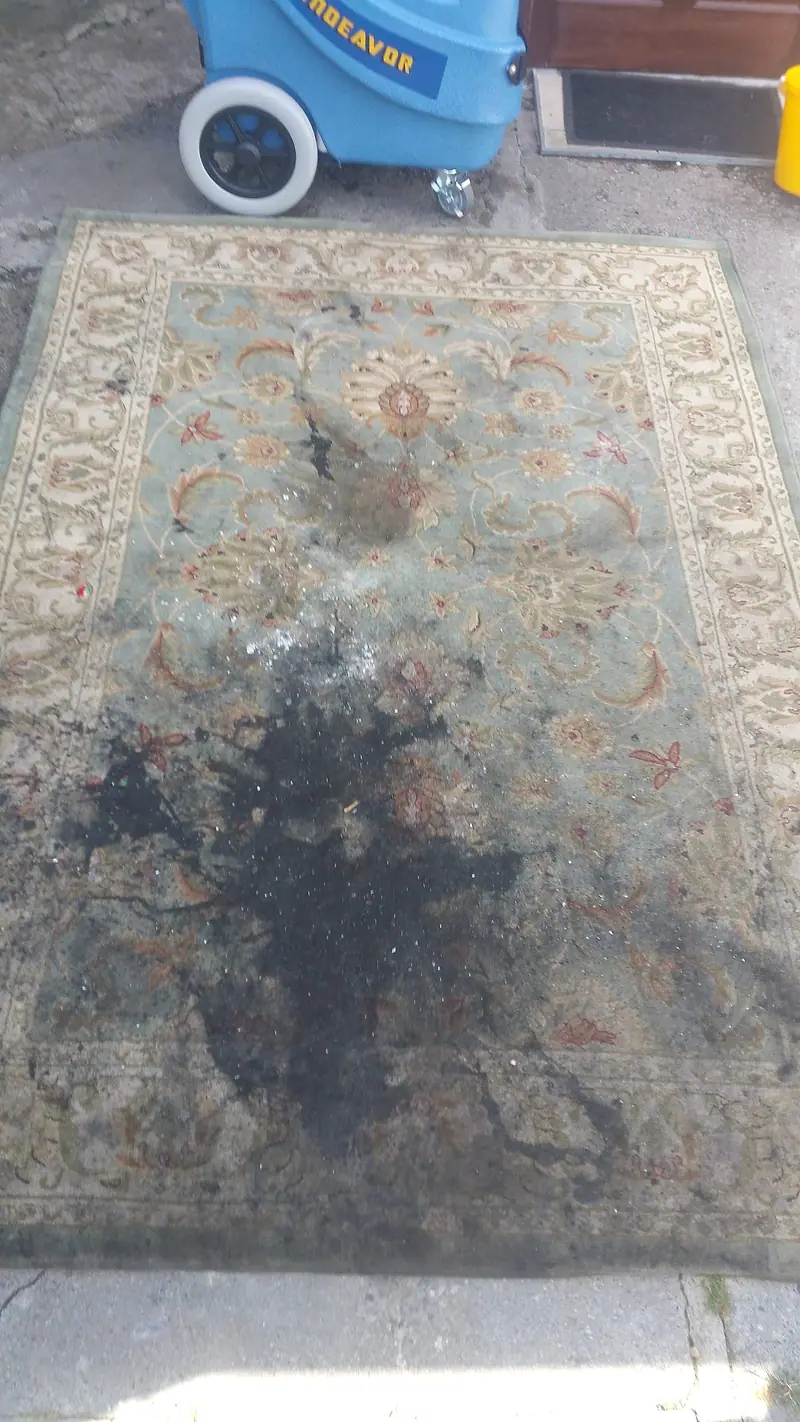
 spotless.ie
Rug cleaning in your home
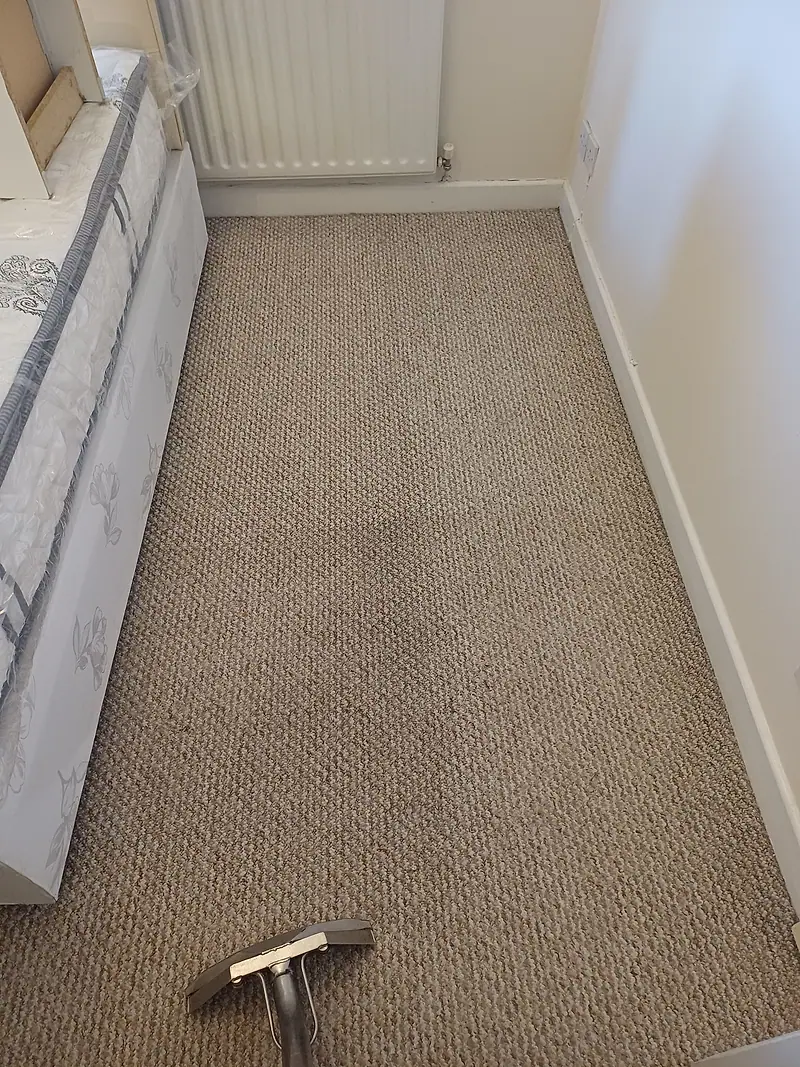
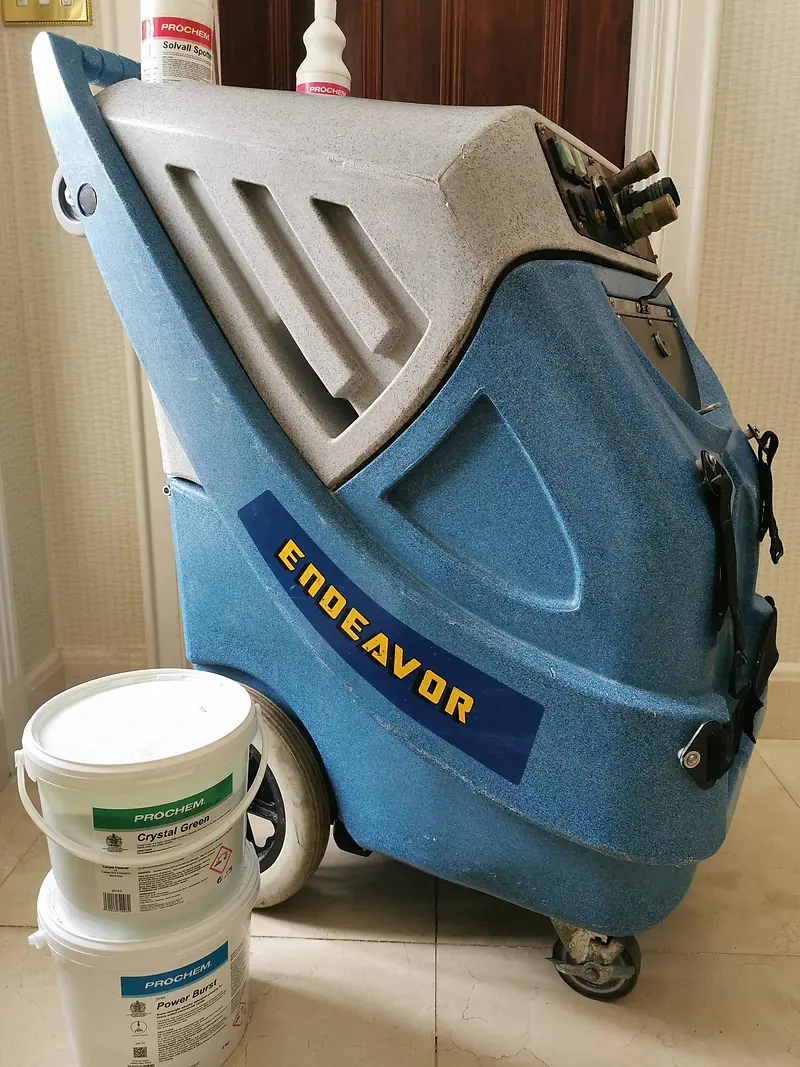
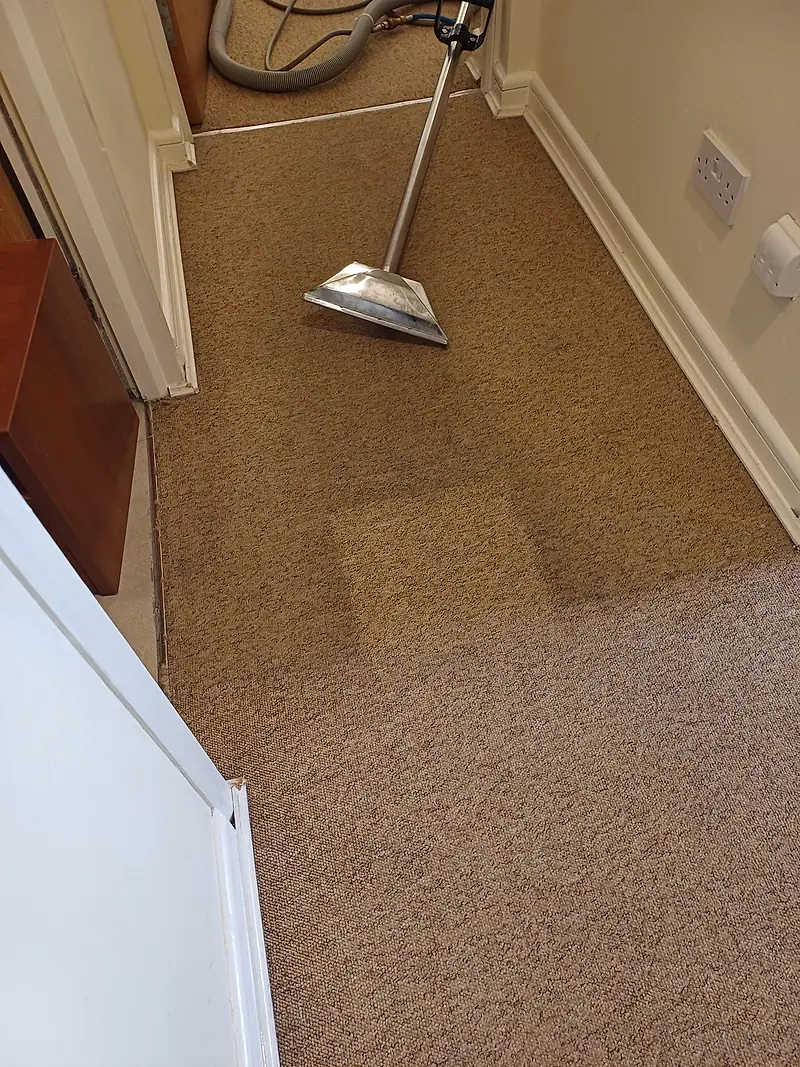
We clean rugs where they are, with the same portable hot-water extraction machine we use on fitted carpets, adjusted to suit each rug. There's no collection, no week-long wait for it to come back, and you see the result before we leave.
That suits most of the rugs people have at home: wool and synthetic rugs in sitting rooms, bedroom rugs and hall runners, and machine-made Persian-style rugs. It doesn't suit every rug, and part of the job is telling you which is which. Some rugs should go to a specialist rug washer instead, and we say so before we start, not after.
Every rug gets the same first steps:
- A look at the back to see how it's made: hand-knotted, hand-tufted, flat-woven or machine-made
- A fibre check: wool, synthetic, cotton, viscose, jute or silk
- A colour-run test on a hidden corner
- A word with you about the stains, what caused them and what's realistic
Hand-tufted rugs are worth a special mention. They look hand-made from the front, but the back is a glued canvas that can soften, smell or come away if it gets too wet. They're cleaned with as little moisture as possible.
What it's made of decides how it's cleaned
| Fibre | How it behaves | How we approach it |
|---|---|---|
| Wool | Hard-wearing and good at releasing soil, but absorbs a lot of water, and some dyes move | Controlled moisture, a fibre-safe solution and a colour test first |
| Synthetic (polypropylene, nylon, polyester) | The most forgiving; polypropylene holds on to oily soil | Pre-treatment for grease, then a full hot-water clean |
| Cotton flatweaves and dhurries | Can shrink, and dyes often run | Careful testing; some are better washed by a specialist |
| Viscose, art silk, bamboo silk | Weak when wet, marks and yellows easily | See below: a light, limited clean or a specialist |
| Jute, sisal, seagrass | Plant fibres that brown and shrink with water | Not something we wet-clean; a specialist is the better option |
| Silk | Delicate and valuable | Specialist only |
If you don't know what your rug is made of, the label on the back usually says. A photo of the label and a photo of the back are the two most useful things you can send us.
Viscose rugs: handle with care
Viscose deserves its own warning. A lot of rugs sold as "silk-look", "art silk" or "bamboo silk" are viscose, and they look lovely in the shop: soft, shiny and cheaper than wool. The catch is that viscose is made from wood pulp and loses much of its strength when wet.
Water can leave a viscose rug with brown or yellow marks, flattened or matted pile, and rings around a spot that was cleaned. Spills that would come straight out of wool can set permanently in viscose, and the shine that sold it tends to go dull and flattened wherever people walk.
So we're cautious. On a viscose rug, we test first and tell you honestly whether a clean is likely to make it better or worse. Sometimes the answer is a careful, light clean with modest expectations. Sometimes it's a specialist. And sometimes it's to leave it alone. If anyone promises to make an old, matted viscose rug look new, be wary.
Traditional and Persian-style rugs
"Persian-style" covers two very different things. A genuine hand-knotted rug, usually wool on a cotton foundation, shows its pattern clearly on the back, knot by knot, and its fringe is the end of the threads running through the whole rug. A machine-made Persian-style rug has a neater, more even back, and is often polypropylene or viscose.
Machine-made wool and synthetic Persian-style rugs are usually fine to clean on site. Hand-knotted rugs can be too, if they're in good condition and the dyes pass the colour-run test. What we watch for:
- Dyes that bleed, especially reds and dark blues
- A foundation that has gone brittle with age or old damp
- Moth damage, which often only shows once the dirt is out
- Old repairs, which can react differently to the rest of the rug
If your rug is antique, valuable or very sentimental, we'll usually recommend a specialist who can wash it fully and dry it under controlled conditions. That's not us being unhelpful; it's the right call for that rug.
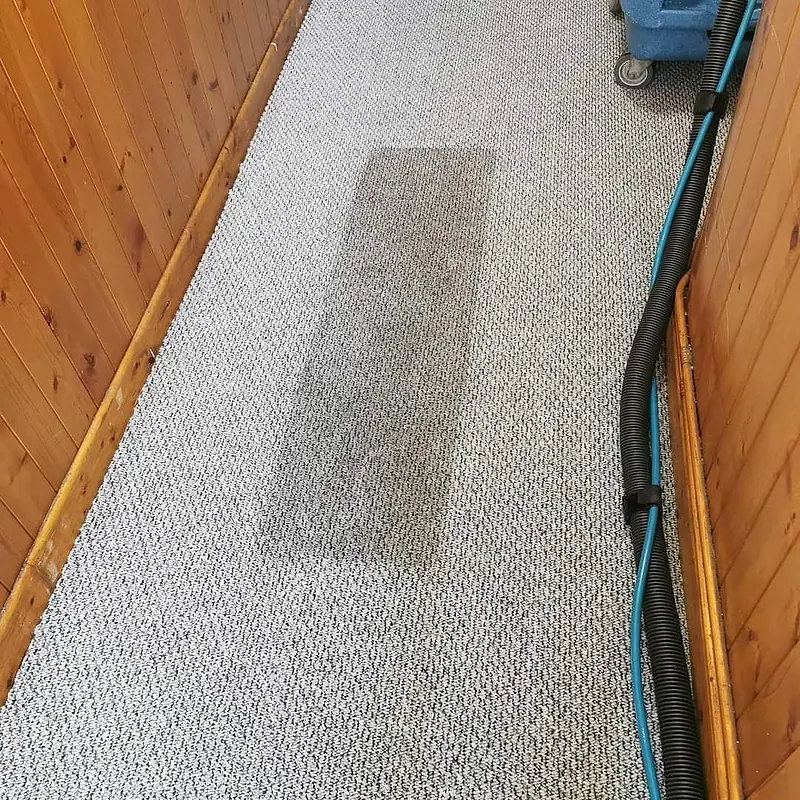
Fringes, edges and colour runs
Fringes are usually cotton, and they're the first part of a rug to look grubby. They're handled separately and gently, with as little water as possible, because wet cotton fringes can brown as they dry. Fraying or missing knots along the fringe are wear, and cleaning won't restore them. Bound or over-locked edges get the same care.
The colour-run test is simple. We dampen a hidden area with the cleaning solution, press a white cloth onto it and look for dye on the cloth. If colour moves, we change the approach or stop.
When a rug should go to a specialist
We clean rugs on site only. That covers most household rugs, but some need a full immersion wash in a rug-washing facility, which is a different service from ours. We'll suggest a specialist when:
- the rug is silk, antique or of real value
- pet urine has soaked right through to the foundation, because on-site cleaning can't reach and rinse it all
- the dyes run during the test
- it's viscose, jute or sisal and already marked
- there's moth damage or the foundation is brittle
We'd rather tell you that from the photos than find out halfway through the job.
Drying and putting it back
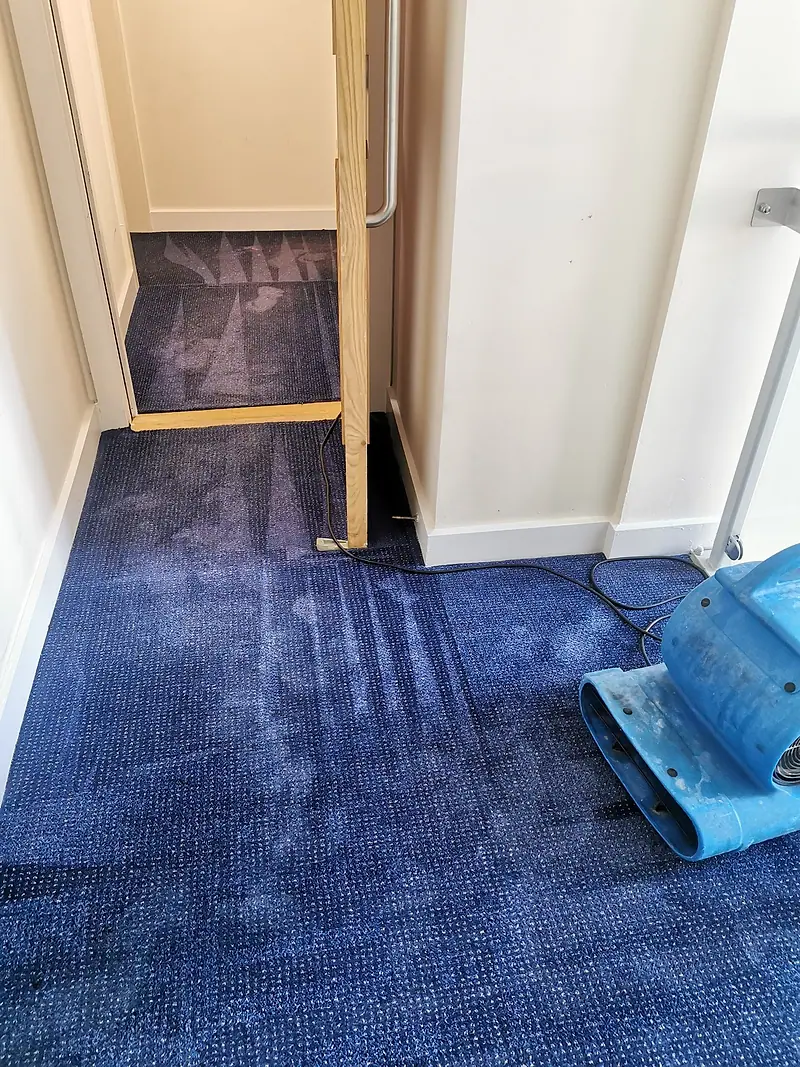
Rugs typically dry in a few hours, depending on thickness, fibre and ventilation. Air movers help, and lifting the rug off the floor while it dries lets air reach the back. Don't put a damp rug back on a timber floor, because trapped moisture can mark the wood. Keep pets and heavy furniture off it until it's fully dry.
The price depends on the size, fibre and condition of each rug, and how many there are. Rugs are often done on the same visit as carpets, sofas or mattresses. For rugs in offices, hotels or restaurants, see commercial carpet cleaning. We cover Dublin and all of Leinster, including local pages for Ranelagh, County Kildare and Carlow.
Ciprian, who runs Spotless, completed Prochem carpet-cleaning training in 2018 (certificate 2018/020). Send a photo of the front, the back and the label of your rug on WhatsApp, or through the contact page, and you'll get a fixed price, usually the same day.