
Help that starts with respect
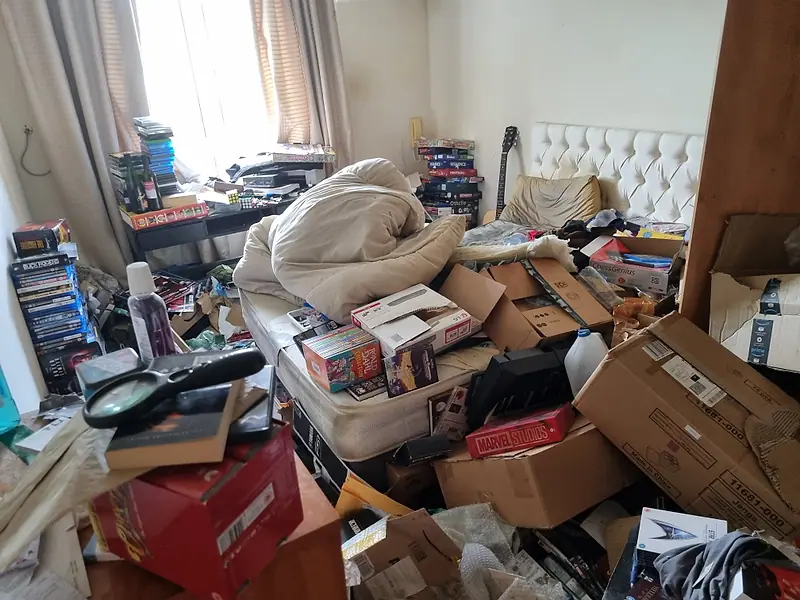
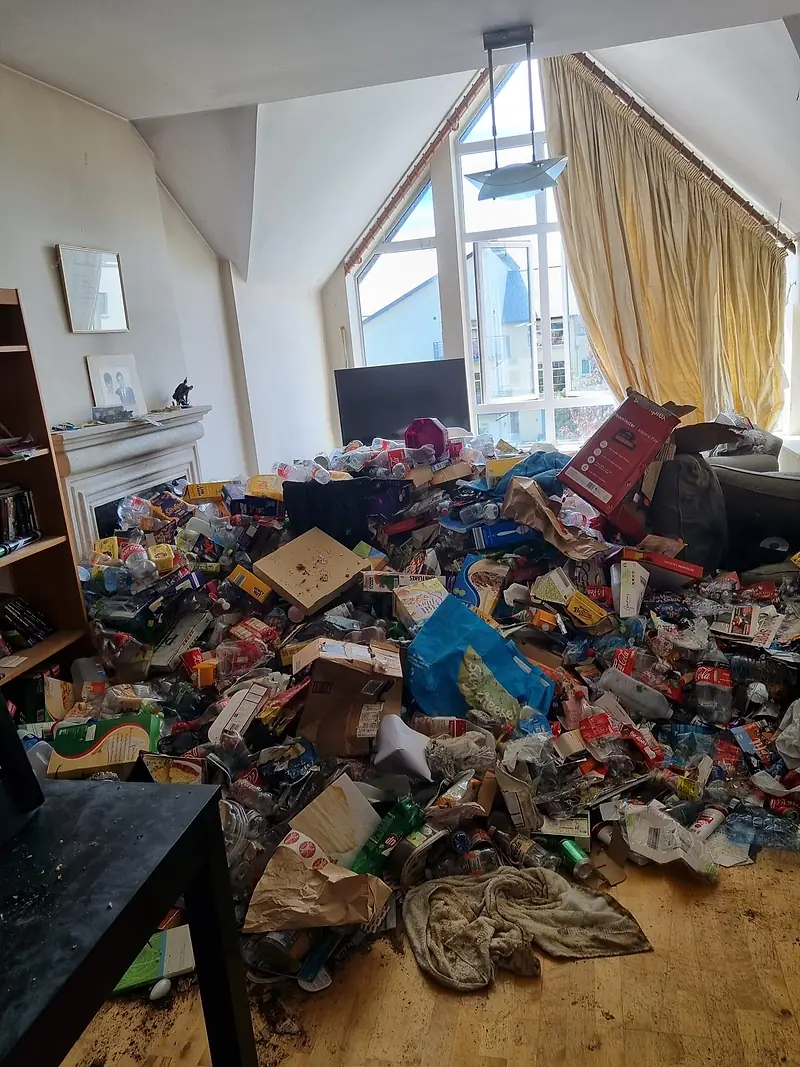
Hoarding is far more common than most people realise. It affects people of every age and background, and it usually builds up slowly over years. Grief, illness, loneliness, anxiety and a hard life all play a part. By the time someone calls us, they or their family have often felt stuck for a long time.
We don't do shock, and we don't do judgement. We clear cluttered and hoarded homes discreetly, safely and at a pace the person can manage, and we treat their belongings with the same care as any other home.
- Confidential from the first message. Send photos privately on WhatsApp. Nothing is shared or posted.
- The person stays in control. We agree what stays, what goes and what needs a closer look.
- Staged if that's easier. One room at a time, or one big push. Whatever works.
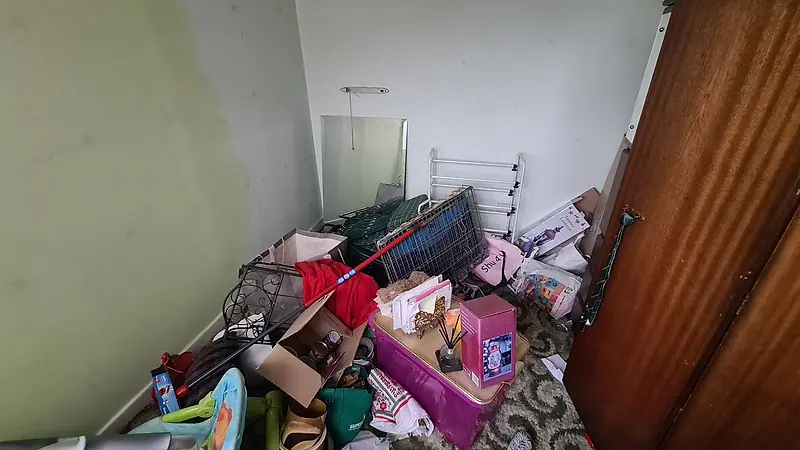
- Everything checked. Hoarded homes often hide important papers, cash, photos and keepsakes, and we set them aside as we go.
- Safety first. Exits, stairs, the kitchen and the boiler area are cleared early.
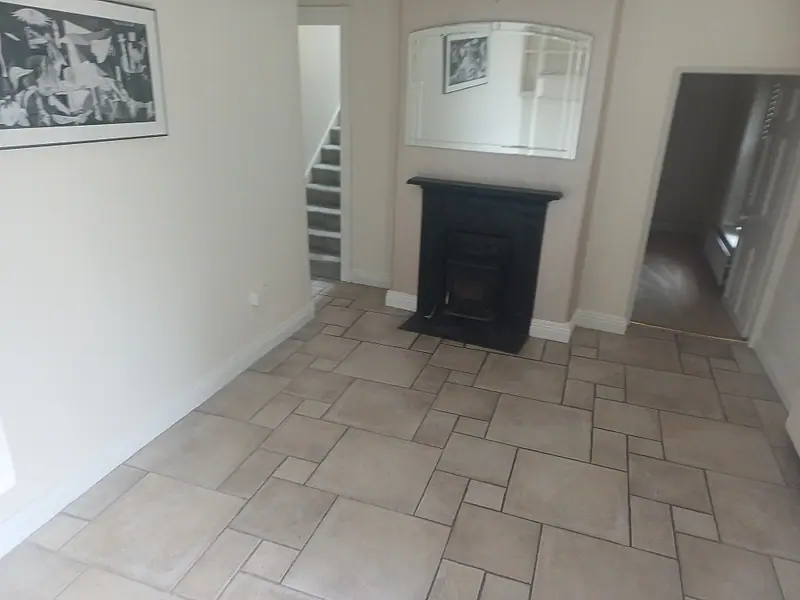
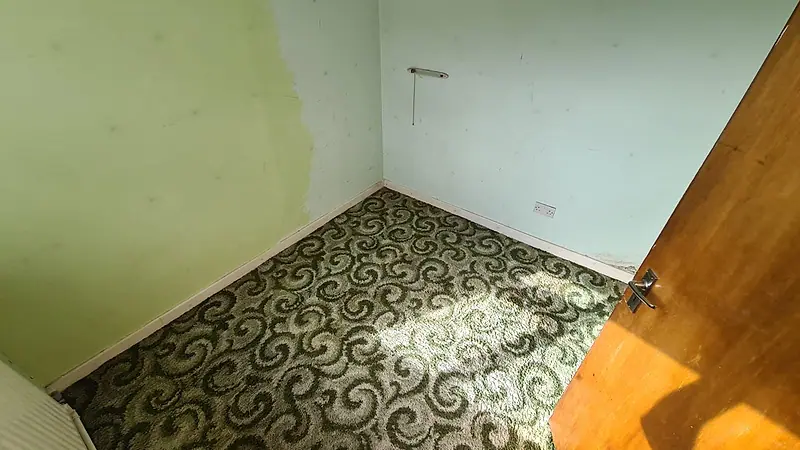
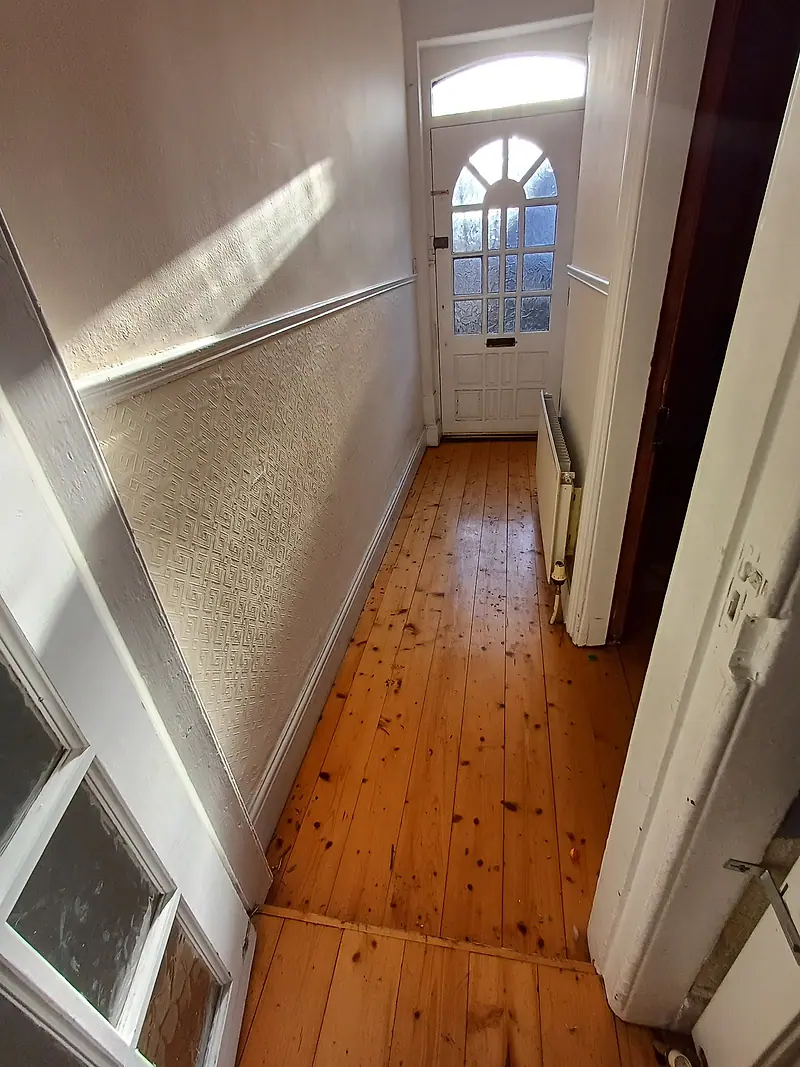
- Left clear and tidy. Floors cleared and swept, ready for the next step, whatever that is.
 spotless.ie
Who usually contacts us
- The person themselves. Sometimes someone simply decides it's time and wants a calm, practical helping hand. We'll go at your pace.
- Adult children and relatives. Often after noticing a parent's home becoming unsafe, or ahead of a move into care.
- Families after a death. When a loved one's home turns out to be far fuller than anyone knew. See bereavement house clearance.
- Landlords, agents and executors who need a property made safe and empty. Our page on hoarder clearance in Dublin covers the property side: tenancies, sales and fire risk.
What's included, and what isn't
It helps to know where our job starts and stops, so nobody is caught out halfway through.
| We do | We don't do | Tell us about first |
|---|---|---|
| Clear every room, the attic, the garage, the shed and the garden | Pest control or mould treatment | Signs of mice, rats or insects |
| Sort with the person into keep, check and let go | Specialist or biohazard cleaning | Needles, medication or sharps |
| Open bags, boxes and envelopes before anything leaves | Repairs, plumbing or electrics | Floors or ceilings you're worried about |
| Remove household waste, old food packaging and soiled bedding | Counselling or therapy | Pets that live in the home |
| Take away furniture and appliances that are going | Decisions the person hasn't agreed to | Very heavy items or narrow stairs |
| Sweep and leave the floors clear | Taking paint, solvents, oils, chemicals or gas bottles |
The last row of the middle column matters most. We'll help someone make decisions, but we won't make them on their behalf while they're living there.
How a staged clearance works
1. A private conversation. You send photos and tell us what's going on. We ask about access, who's deciding, any deadlines, and anything that worries you.
2. A plan and a fixed price. We suggest an order for the work, usually starting with safety: hallways, stairs, the kitchen, the bathroom and the area around the boiler. Then the rooms that matter most to the person.
3. Clearing, room by room. We work through each space carefully. Items are sorted as we go into things to keep, things to check, and things that can go. Nothing that's been marked as a keeper leaves the house.
4. Sorting what leaves. Usable items are set aside for reuse where possible, metals and electricals go for recycling, and waste goes to licensed facilities.
5. Finishing. Floors cleared and swept, rooms usable again. If the carpets need attention afterwards, we also clean carpets.
Safety matters, for everyone
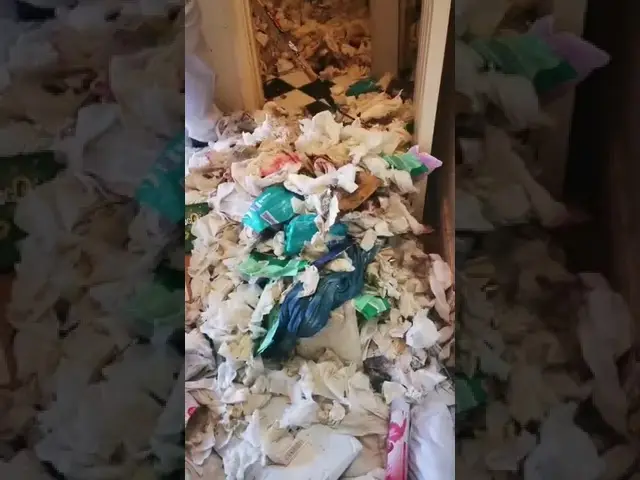
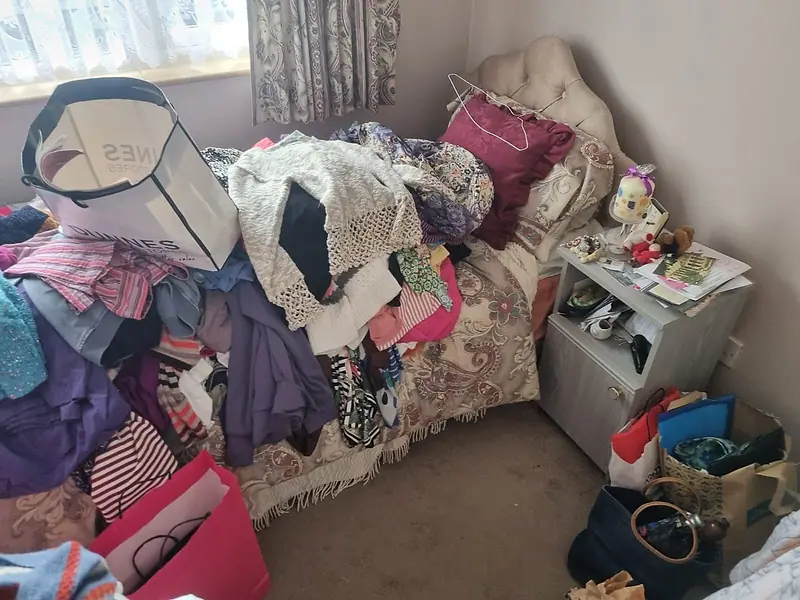
A heavily cluttered home can be dangerous: blocked exits, trip hazards on stairs, overloaded floors, stacked paper near heaters, and appliances that haven't been checked in years. Part of our job is spotting those risks and clearing them first. If there's anything we can't safely deal with, such as sharps or serious contamination, we'll tell you honestly. Paint, solvents, oils and chemicals are not something we take.
Want to talk it through first? Send a few photos and a short message on WhatsApp. You'll get a plan and a fixed price, in confidence and with no pressure.
What a hoarder clearance usually involves
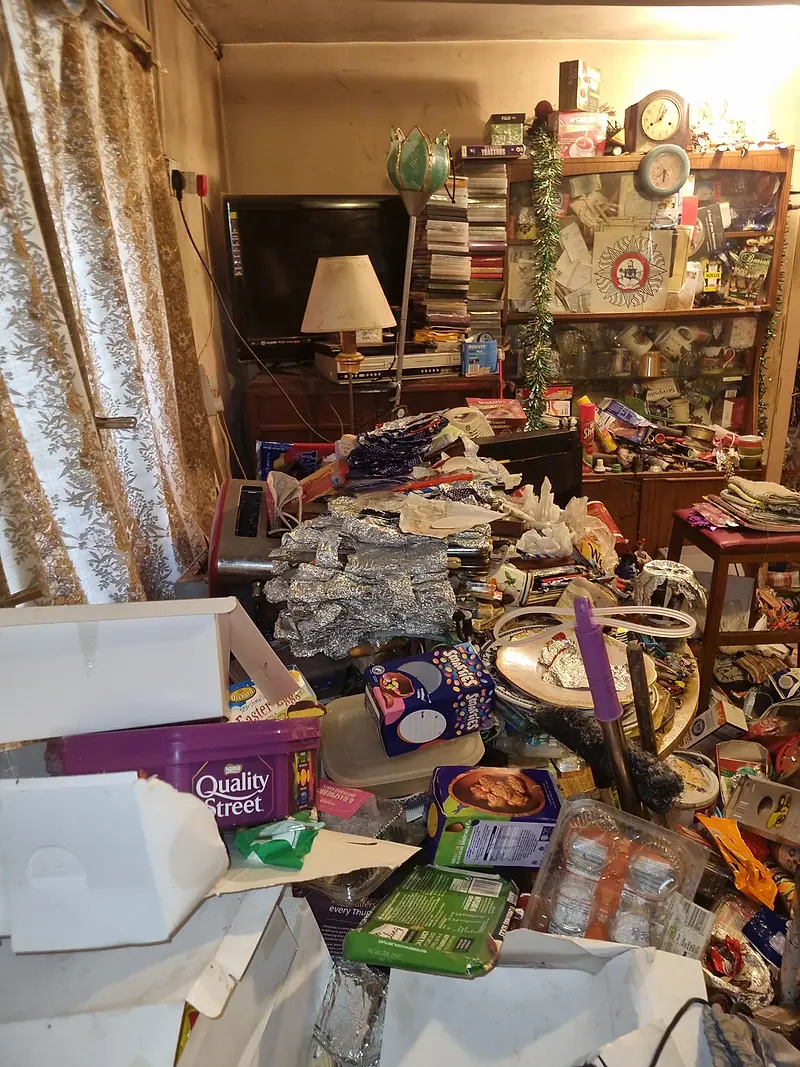
Every home is different, but most hoarder clearances include some mix of:
- Paper: newspapers, post, magazines and catalogues, sometimes going back decades. We look through them for anything personal or financial before they go.
- Bags and boxes: shopping bags, unopened deliveries, boxes of "useful" things. Opened and checked, not just thrown out.
- Clothes and textiles: wearable items set aside for reuse where possible.
- Furniture and appliances: broken or surplus items removed, appliances sent for recycling.
- Household waste: old food packaging, bottles and general rubbish, cleared and taken to licensed facilities.
What surprises families most is what turns up: cash in envelopes, jewellery in biscuit tins, old photographs, certificates and letters. That's exactly why we check as we clear, and why everything personal is handed back to you.
Pace and timing: how the visits are set
The pace is set by decisions, not by lifting. Where the person is happy for most things to go, a packed room can be cleared in a morning. Where every bag needs a conversation, the same room might take a full day, and that's fine.
A few things we've learned about timing:
- Shorter visits often work better. Half a day of decisions is tiring. We'd rather stop at lunchtime and come back next week than push someone past what they can manage.
- Start with something that makes a visible difference. A clear kitchen table or a usable bathroom builds confidence for the harder rooms.
- Leave a gap if it helps. A week between visits gives the person time to get used to the change.
- Deadlines change the plan. If a landlord, a sale or a care placement sets a date, we'll be honest about what's realistic and agree the order with you.
Quotes usually come back the same day, and we can often fit a first visit in within a few days.
Access, parking and keeping it private
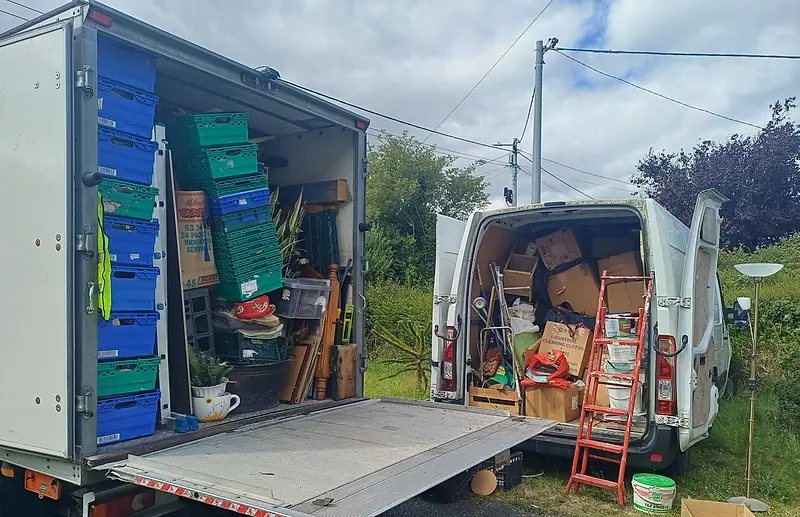
We'll ask where the van can stop as close to the door as possible, because a short carry means a quicker, quieter job. On a busy street or a road with permit parking, a free space outside for the day makes a real difference. Apartment blocks usually mean a lift booking and a word with the management company, which we can arrange.
Inside, the first job is often simply making a safe route from the rooms to the front door. In a very full home, that alone can take an hour or two, and we build it into the plan.
We load steadily, keep bags closed, and don't leave anything sitting outside for the street to look at. What the job involves stays between us and you.
Where everything goes
The keep pile stays in the house, always. Everything the person has agreed can go is sorted as we load:
- Reuse. Clean clothes, books, kitchenware and sound furniture are set aside for reuse where possible.
- Recycling. Paper, cardboard, metals and electricals are separated for recycling.
- Licensed facilities. Household waste and anything soiled goes to licensed waste facilities.
Everything leaves under our waste collection permit, NWCPO-25-13287-01, which makes us an authorised waste carrier, and we're fully insured on every job we take on. Nothing from the home is sold on, posted online or talked about.
Pricing a hoarder clearance fairly
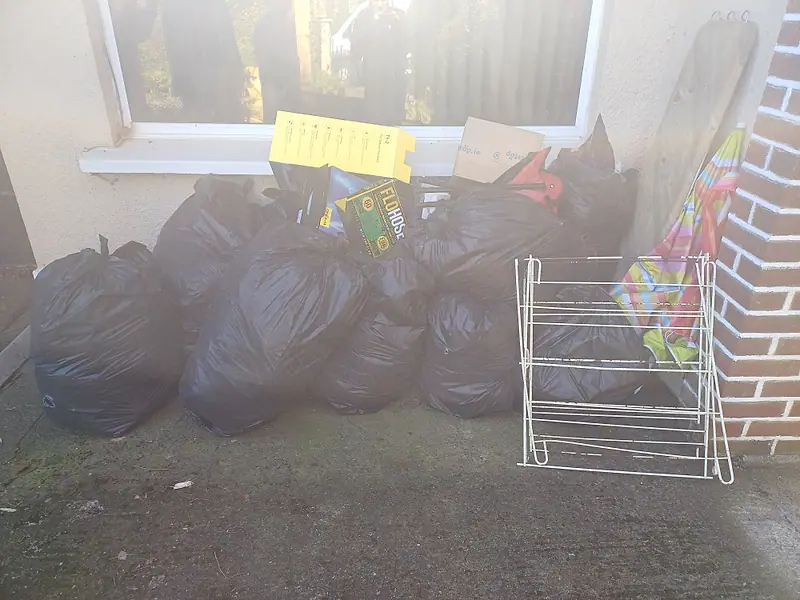
We price from photos, as with any clearance. The price depends on volume (how many van loads), access (stairs, narrow halls, how far to the van), the time needed to sort and check carefully, and any heavy items that are awkward to move. A staged clearance over several visits is priced as one job, so taking it slowly doesn't cost more. Photos of each room taken from the doorway, plus the attic, the garage and the garden, are usually enough. If it's hard to take photos, a short video walking through the house works just as well, and we'll keep it to ourselves. Our house clearance cost guide explains each factor in more detail.
Preparing for the first visit
There's no need to tidy before we come; that's what we're there for. A little preparation does help the first visit go smoothly:
- Agree the first area together. One room, or one route through the house, decided with the person beforehand.
- Set up a keep spot. A box, a table or a spare room where the things being kept can go, so they don't get mixed back in.
- Tell us what you're looking for. A will, a passport, a set of keys, a wedding ring. We'll keep an eye out from the first bag.
- Mention any medication or medical equipment, so it's kept safe and in reach.
- Settle any pets in one room while doors are open and bags are moving.
- Have someone the person trusts there, if that helps them feel more at ease.
Attics, garages and sheds too
Cluttered homes rarely stop at the front rooms. Lofts, garages, sheds and back gardens often hold years of stored items too. We clear all of it, carefully and in the same way: see attic clearance, garage clearance and shed clearance. For apartments, where lifts and management rules come into it, see apartment clearance.
If you're worried about someone
If a parent, relative or friend is struggling, go gently. Push hard and you risk the person shutting down. A few things that tend to help:
- start with the practical benefits (safety, getting the heating working, making room for visitors)
- agree small first steps, like clearing one room or one route through the house
- let them keep decision-making power over their own things
- if you think there's an underlying health issue, encourage them to talk to their GP
Our guide to hoarder house clearance covers this in more depth, including how to plan a clearance with someone who finds letting go hard.
Beyond the city
We're based in Dublin and work in Dublin and all of Leinster. Outside the city, a cluttered home often comes with sheds, yards and outbuildings as well; our page on hoarder clearance across Leinster explains how we plan those visits when the house is further from home.