
The property side of a cluttered home
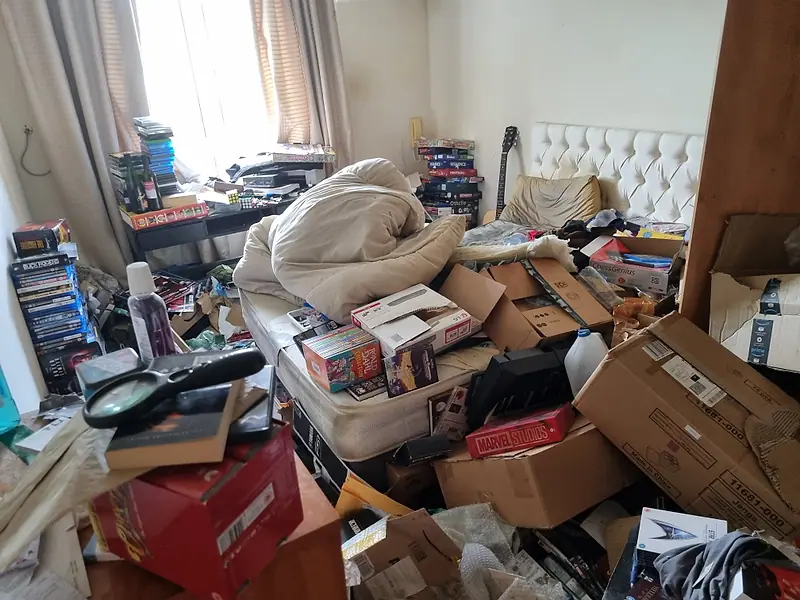
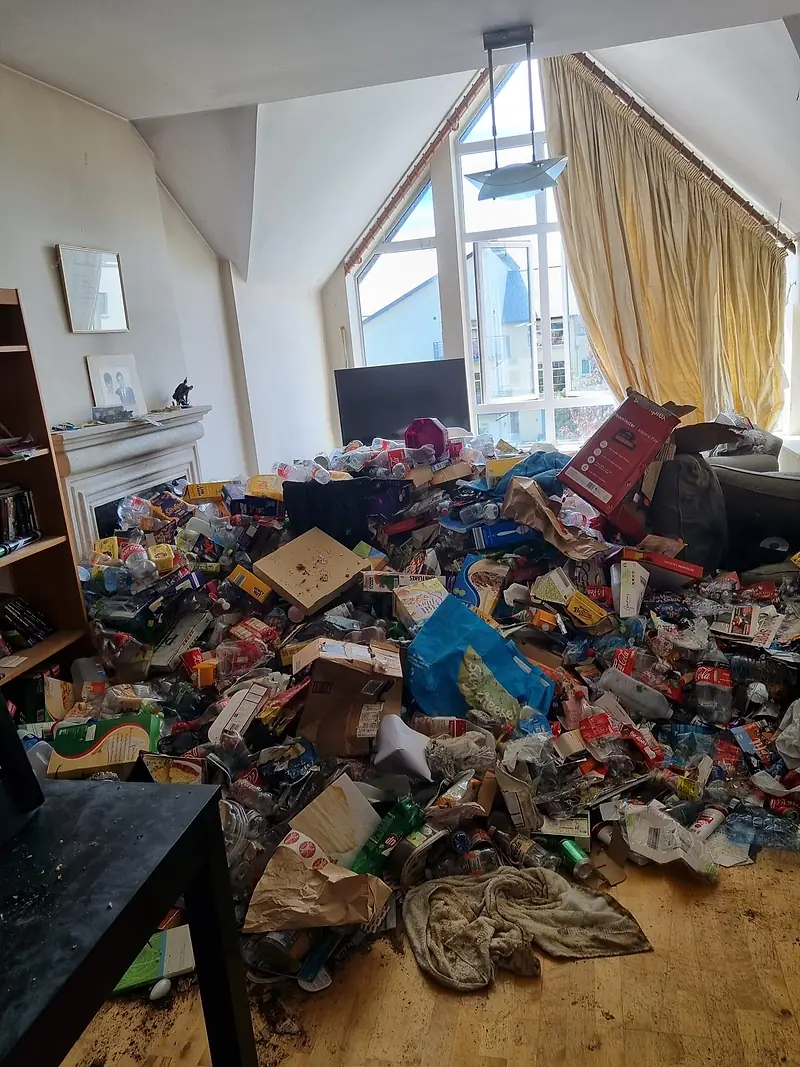
Most of what's written about hoarding is about the person, and rightly so. But there's often someone else with a problem to solve: the landlord whose tenant's flat has filled up, the executor who has to sell a family home packed to the ceilings, or the daughter who worries about a fire in her father's house every time the phone rings late.
This page is for them. Our main hoarder clearance and clean-up page explains how we work alongside the person who lives in the home. Here we cover the practical side for whoever is responsible for the property: who is allowed to decide, what to make safe first, and how to get a Dublin house or flat from overfull to usable or empty.
| Who's asking | What usually comes first | Who decides what goes |
|---|---|---|
| A landlord or letting agent | A calm talk with the tenant, and the exits and heaters | The tenant, while the tenancy runs |
| An executor | A careful search for the will, papers and valuables | The executor, with the family |
| A worried son or daughter | Safe routes, a usable kitchen and a proper bed | The person who lives there, where they're able to |
Landlords: when a tenant's home has filled up
It usually comes to light at an inspection, after a neighbour complains, or when a contractor can't get in to service the boiler. However it surfaces, the starting point is the same: the tenant's belongings are theirs, and the tenancy gives them rights.
We're not solicitors, and this is general information rather than advice, but a few principles help:
- Talk to the tenant first, calmly and in private, about the specific risk (a blocked exit, paper beside the gas fire) rather than the state of the place.
- Clear only with their agreement while the tenancy runs. We're happy to quote in confidence and to work with the tenant directly.
- If the tenancy has ended and belongings were left behind, read the Residential Tenancies Board's guidance on goods left in a property first, and check with your solicitor if anything is valuable or disputed.
- Keep a record of dated photos and any conversations.
In apartment blocks the management company may have concerns of its own, because a fire in one unit affects the whole building. See apartment clearance for how we work with lifts and loading bays, and property clearance for Dublin landlords for turning a rental round once it's empty.
 spotless.ie
Executors: a cluttered family home before a sale
When a parent dies and the family home turns out to be far fuller than anyone knew, the executor has two jobs at once: find what matters, then get the house ready to sell.
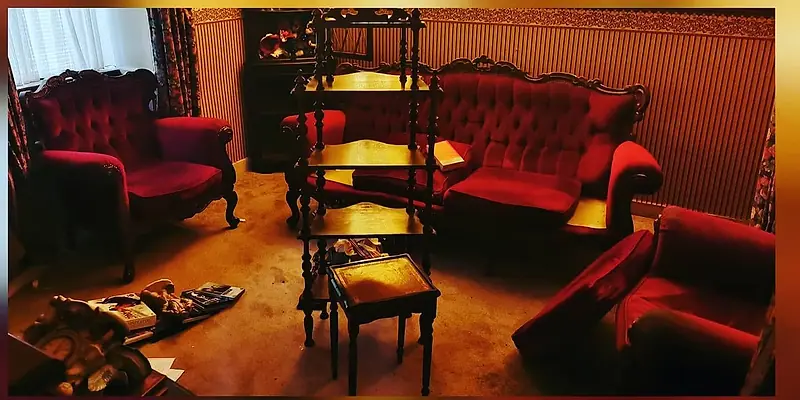
Find first. In a cluttered home, the will, bank books, share certificates, policies and cash can be anywhere: between newspapers, inside carrier bags, in coat pockets, in shoeboxes on top of wardrobes. We open and look through bags, boxes and stacks of paper rather than bagging them up whole, and anything personal, financial or official is kept back for you.
Then clear. Many executors find two stages work best. The first visit searches and removes the obvious waste. There's a pause while the family goes through what was kept back. The second visit empties the house for the estate agent. If the estate is in probate, check with the solicitor before anything that might have value leaves the house. Our bereavement house clearance page covers that side in detail, and clearing a Dublin property for sale covers the agent's timeline.
Families worried about fire and access
Clutter is a fire risk, and it's an access risk. If there were a fall or a fire tomorrow, could a paramedic get a stretcher up the stairs? Could a carer get to the cooker? Could the person get out of the bedroom in the dark?
Dublin homes bring their own versions of those worries:
- Older terraces and semi-ds often still have open fires, gas fires or storage heaters, with paper and boxes stacked close by. In a terrace, a fire can quickly affect the houses on either side too.
- Apartments rely on a clear hall inside the flat and fire doors that close properly. A stacked hallway can block the only way out.
- Upstairs floors in older houses weren't built for very heavy stacks of books, paper and magazines, so those are worth moving early.
- Carers and home help need room to work safely, and a crowded house can make their visits difficult.
So a first visit for safety usually aims for:
- a clear path from every bedroom to the front and back doors
- stairs and landings empty, with the banister free to hold
- a wide clear space around the cooker, boiler, heaters and fireplace
- room in the hall and bedroom for a carer, or a paramedic with a stretcher
Where the person lives there and can decide, they decide. We'll talk to them directly and won't clear anything they haven't agreed to. Our guide for families has ideas for starting that conversation.
Responsible for a cluttered property? Send photos in confidence on WhatsApp, with a line about the tenancy, the estate or the family situation. We'll suggest where to start and give you a fixed price.
Clearing quietly on a Dublin street
Neighbours are close in Dublin, so discretion matters. A few things help:
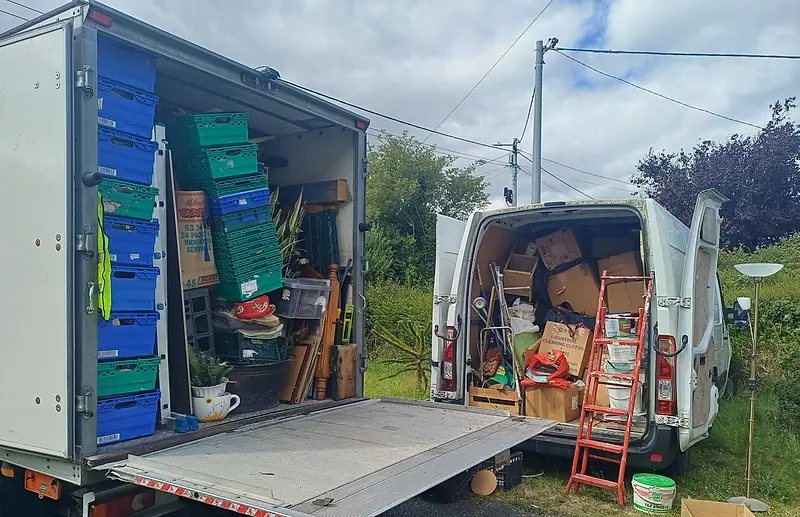
- bags and furniture go straight from the door to the van, not piled in the front garden
- parking is planned in advance, whether it's a driveway, permit parking or a loading spot on a busy road
- in apartment blocks, we work to the management company's rules on lifts, loading and bins
- we talk about the job with you, not with the neighbours
We work in all four council areas: Dublin City, Fingal, South Dublin and Dún Laoghaire-Rathdown. Attics and sheds are usually part of the job; see attic clearance and shed clearance. If the property is outside the county, our Leinster hoarder clearance page explains how staged visits are planned further afield.
What to send for a price
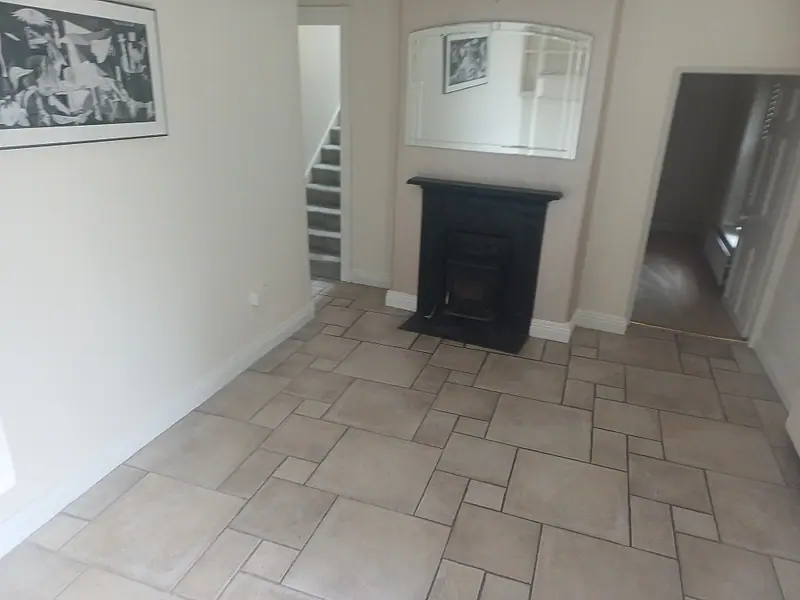
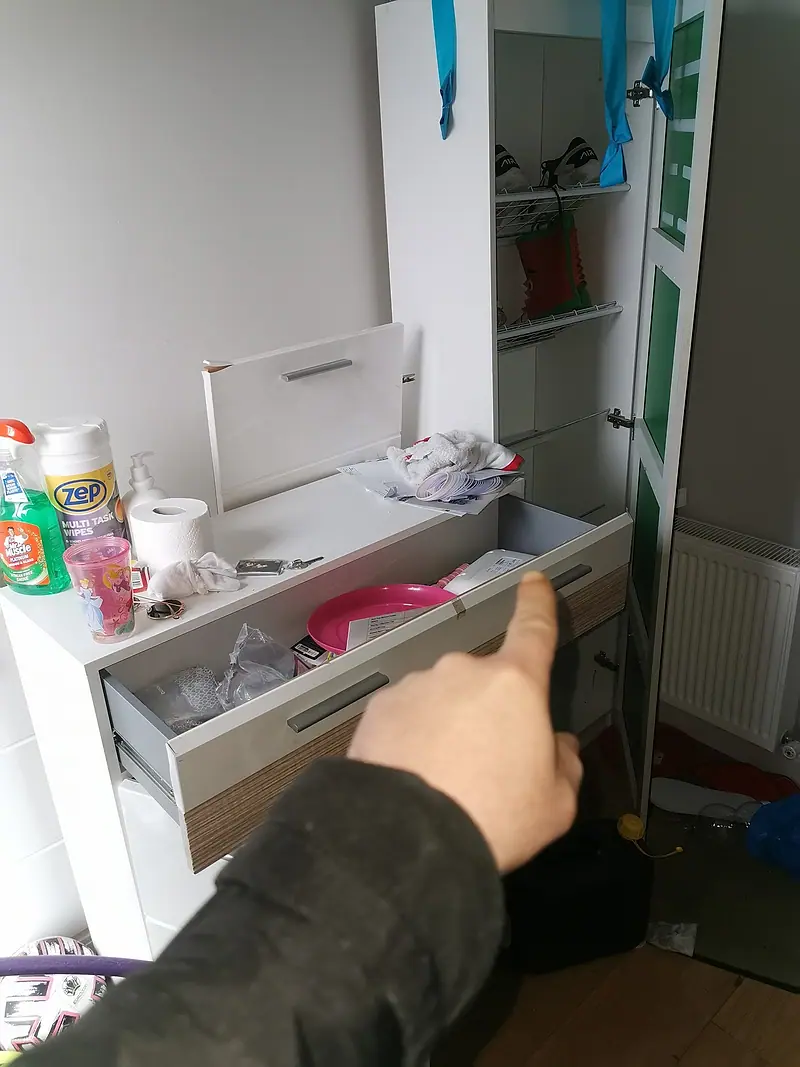
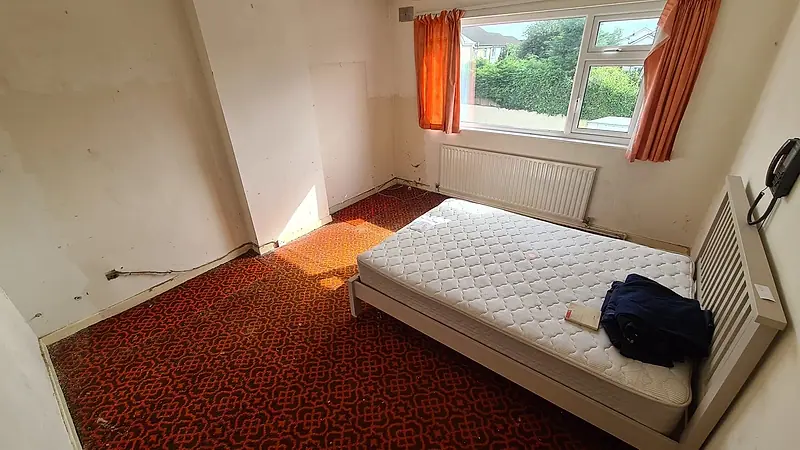
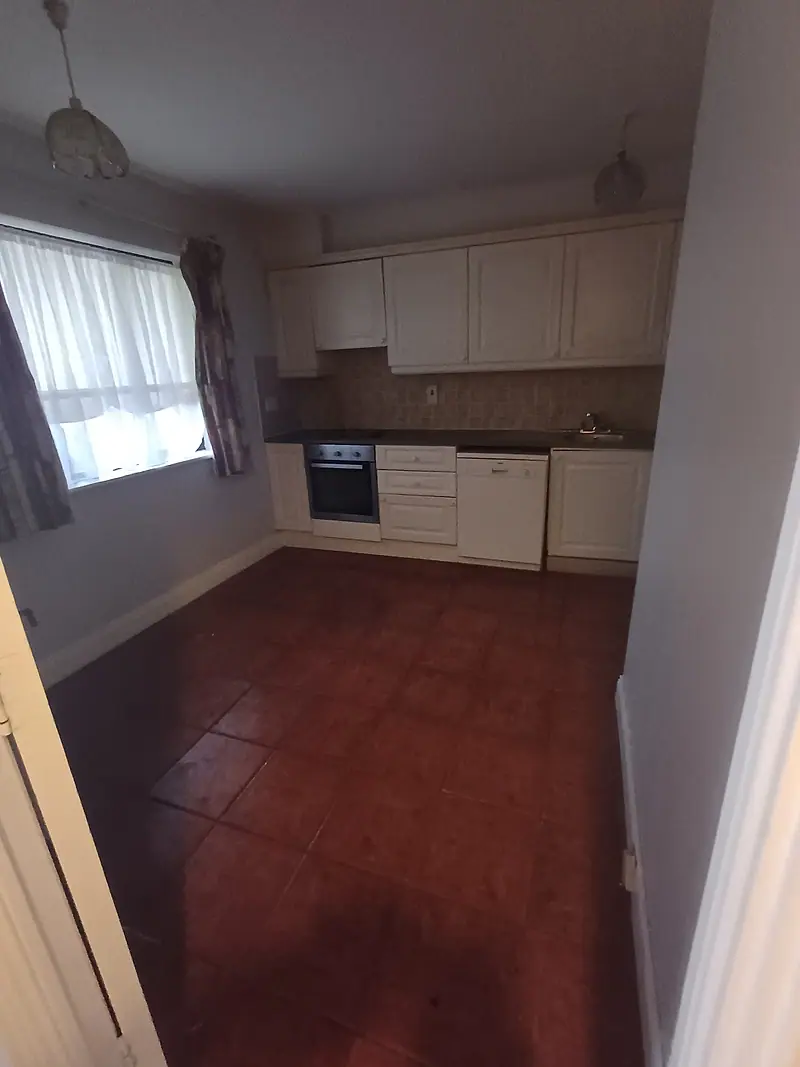
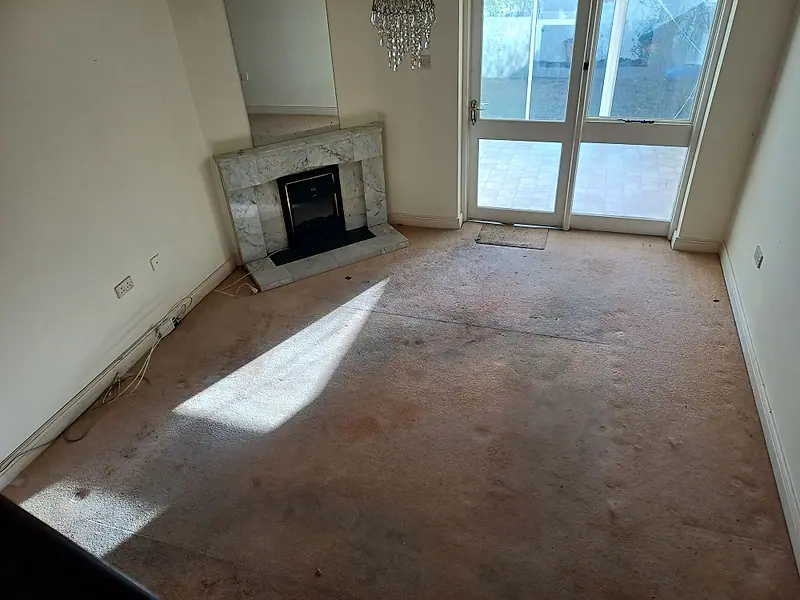
Photos of each room from the doorway, the hall and stairs, the attic hatch, and any shed or garage. Add a line about who's deciding (the tenant, the executor or the family), any deadline, and anything you're worried about, such as mould, pests, needles or gas canisters, so we can tell you honestly what we can and can't take on.
The price covers the agreed plan and is fixed before we book. We remove household waste, old food and soiled items as part of the clearance, and leave rooms clear and swept, but specialist decontamination isn't something we offer. Spotless is an authorised waste carrier (permit NWCPO-25-13287-01) and fully insured on every job.