
Hoarder clearance anywhere in Leinster
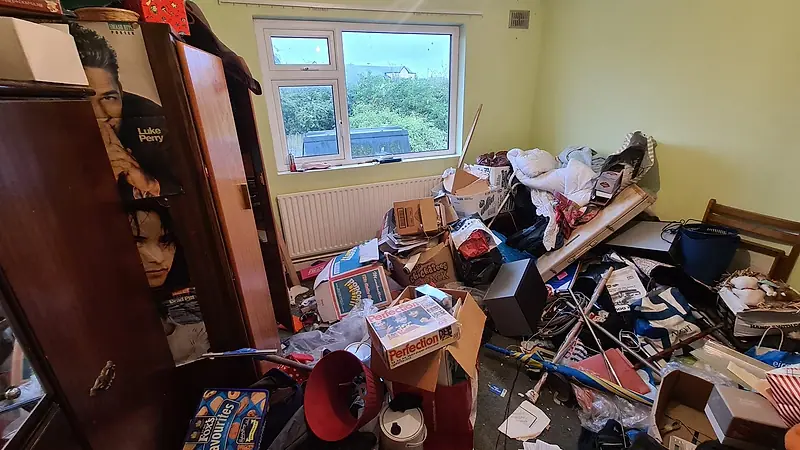
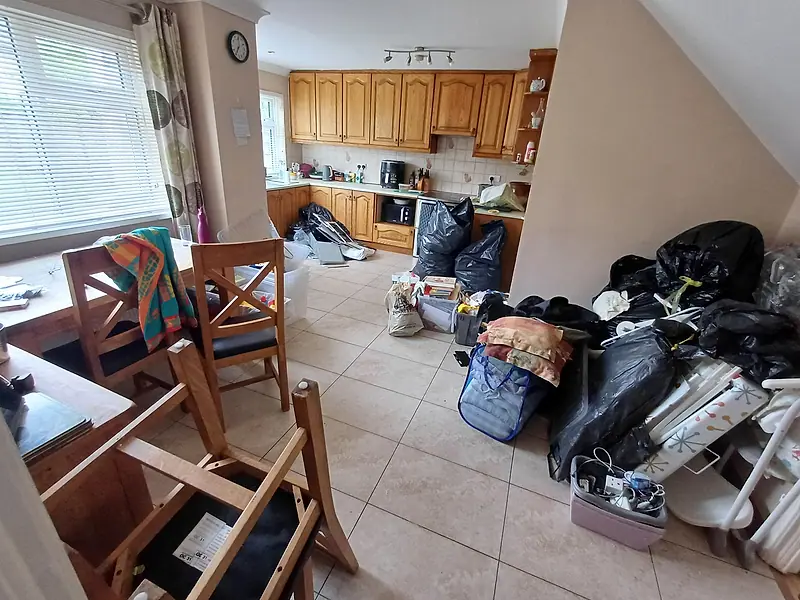
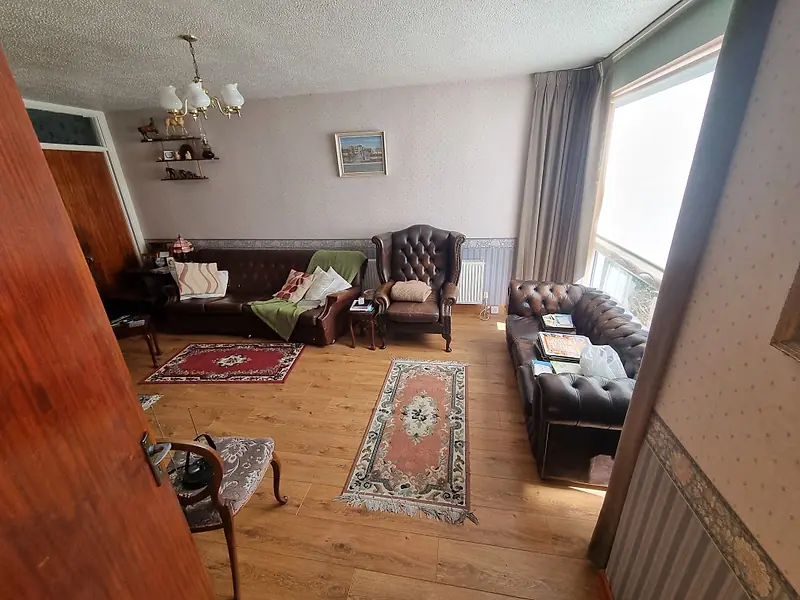
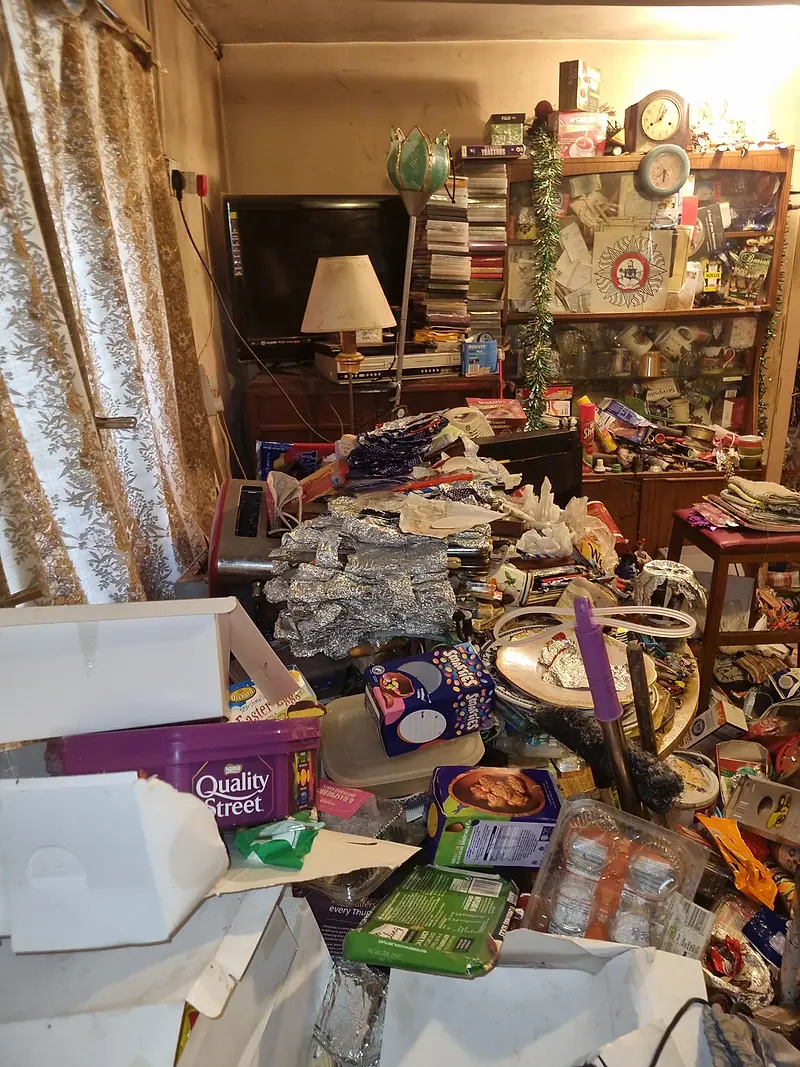
A very cluttered home is rarely cleared in one go, and it doesn't have to be. We plan hoarder clearances as a series of visits, agreed with the family and paced for the person who lives there, anywhere in Dublin and across the rest of Leinster. The home might be a semi-d in a commuter town, a farmhouse with a yard of outbuildings, or a terraced house in a county town.
Our page on hoarder clearance and clean-up in Dublin explains how we work in the city. This one is about how a staged, family-led clearance is put together when the home could be anywhere in the province, and the family may be spread out too.
- A plan before a price. We suggest how many visits make sense and what each one covers.
- The person who lives there decides. Family and support workers help; nobody overrules them.
- Set-aside boxes on every visit. Papers, photographs and valuables kept back and handed over.
- The same contact throughout. You deal with Ciprian, who works on the jobs himself with a small crew.
- Authorised and insured. Waste carrier permit NWCPO-25-13287-01, and fully insured on every job.
How the visits are planned
Most staged clearances follow a similar shape, though the number of visits depends on the home and on how quickly decisions come.
| Stage | What happens | Who's usually there |
|---|---|---|
| Before the first visit | Photos, a chat on the phone or WhatsApp, the plan and a fixed price | Whoever is organising, plus the person if they'd like |
| First visit | Safe routes through the house: hall, stairs, exits and the kitchen. Waste agreed in advance goes | The person, or a relative they trust |
| Between visits | The family and the person go through the set-aside boxes and the "not sure" pile in their own time | Nobody from Spotless |
| Middle visits | The rooms that matter most to the person, one or two at a time | As agreed |
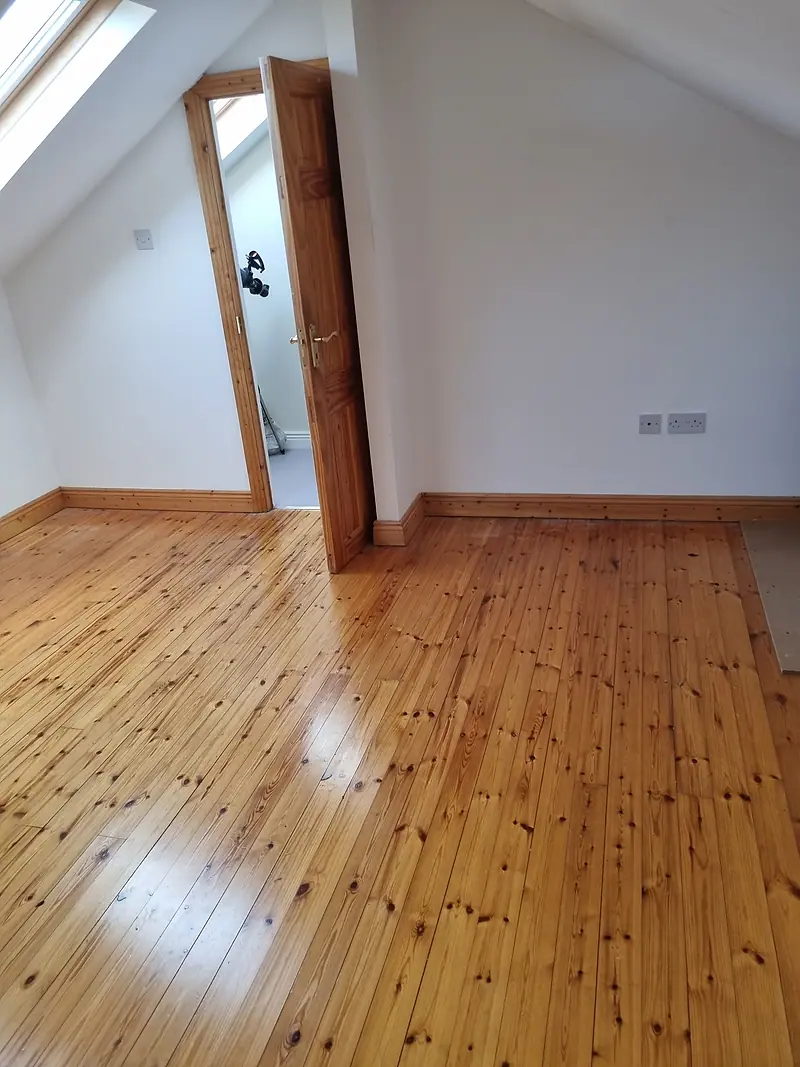
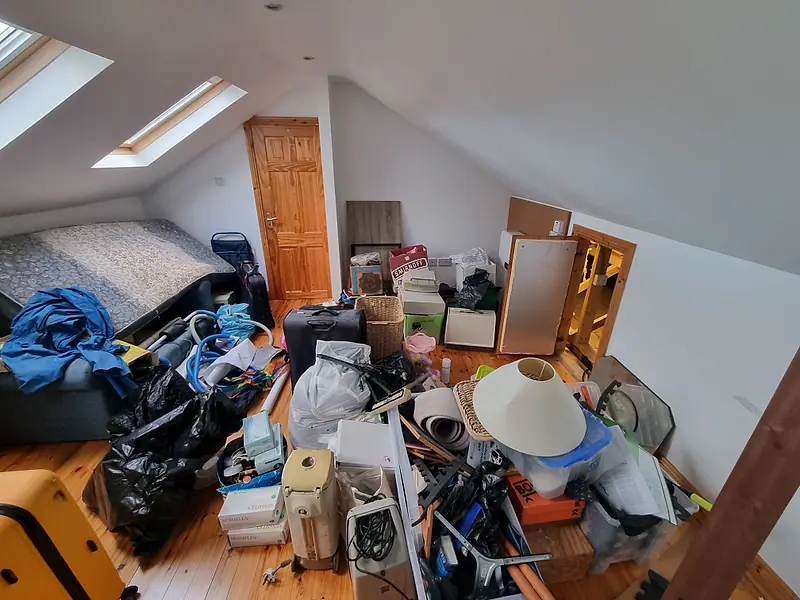
| Last visit | Attic, sheds, outbuildings and the yard, then a final sweep and photos | Anyone, or just a key holder |
The gap between visits matters as much as the visits themselves. It gives the person time to settle, to look through what was kept back, and to change their mind about anything in the "not sure" pile before it leaves.
Working with the family, or a support worker
Family-led doesn't mean the family takes over. In practice it usually looks like this:
- One family contact. One person confirms dates, keys and decisions, so nothing gets lost between siblings in different counties.
- The final say stays with the person whose home it is, as long as they're able to make those decisions. If they can't, whoever acts for them decides, and we follow their instructions.
- Support workers, public health nurses or social workers are welcome to be part of the plan. They often know which rooms will be hardest and when the person is at their best.
- Friends and neighbours sometimes act as the local key holder when the family lives further away.
We're a clearance company, so we don't offer counselling or assessments. What we bring is the practical side: lifting, sorting, loading and getting rooms usable again, done in a way that keeps the person on side.
 spotless.ie
What we set aside on every visit
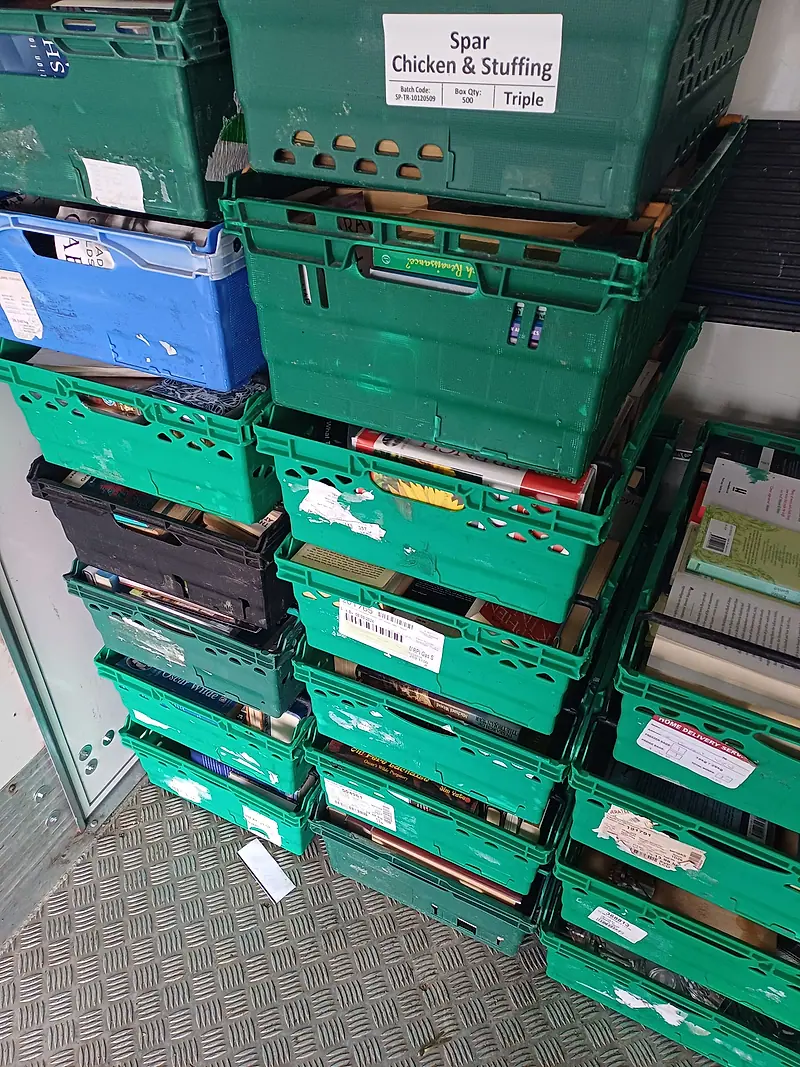
Cluttered homes hold far more than clutter. On each visit we keep a set-aside box for every room, and anything in these categories goes into it rather than into a bag:
- unopened post, especially anything from a bank, Revenue, the Department of Social Protection, a pension provider or the council
- bank, post office and credit union books, cheque books and cards
- cash, wherever it turns up, plus jewellery, watches and medals
- photographs, letters, certificates and anything handwritten
- keys, with a note of where they were found
- deeds, wills, insurance policies and anything that looks official
At the end of each visit the boxes are handed over, and if something turns up that we're not sure about, we ask before it goes anywhere.
Pacing it for the person who lives there
This is the part that decides whether a clearance works. A few things we stick to:
- Short sessions where needed. If three hours is the limit, three hours it is. Coming back another day is better than pushing on.
- They can say stop. Any item, any time. Anything moved back to "keep" stays in the house.
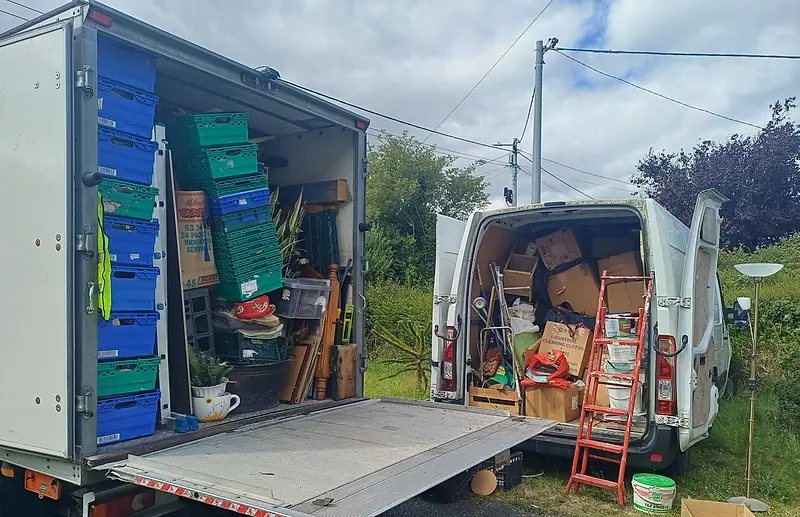
- No piles on the front lawn. Bags go straight to the van, so the person doesn't watch their belongings stack up outside, and the neighbours see as little as possible.
- Kept things stay put. We clear around what's staying rather than rearranging it, so the home still feels like theirs.
- Small wins first. A usable armchair, a clear kitchen table or a cooker you can get to on the first visit makes the second one far easier to agree to.
If the person is in hospital, in respite or about to move into a nursing home, talk to us about timing. Where they're able to decide, it's still their home and their call. Our guide to helping someone with a very cluttered home covers the conversation side in more depth.
Want a plan before anyone decides anything? Send a few photos on WhatsApp and tell us where the house is. We'll suggest how many visits it might take and give you a fixed price, in confidence.
Homes outside Dublin: outbuildings, yards and long lanes
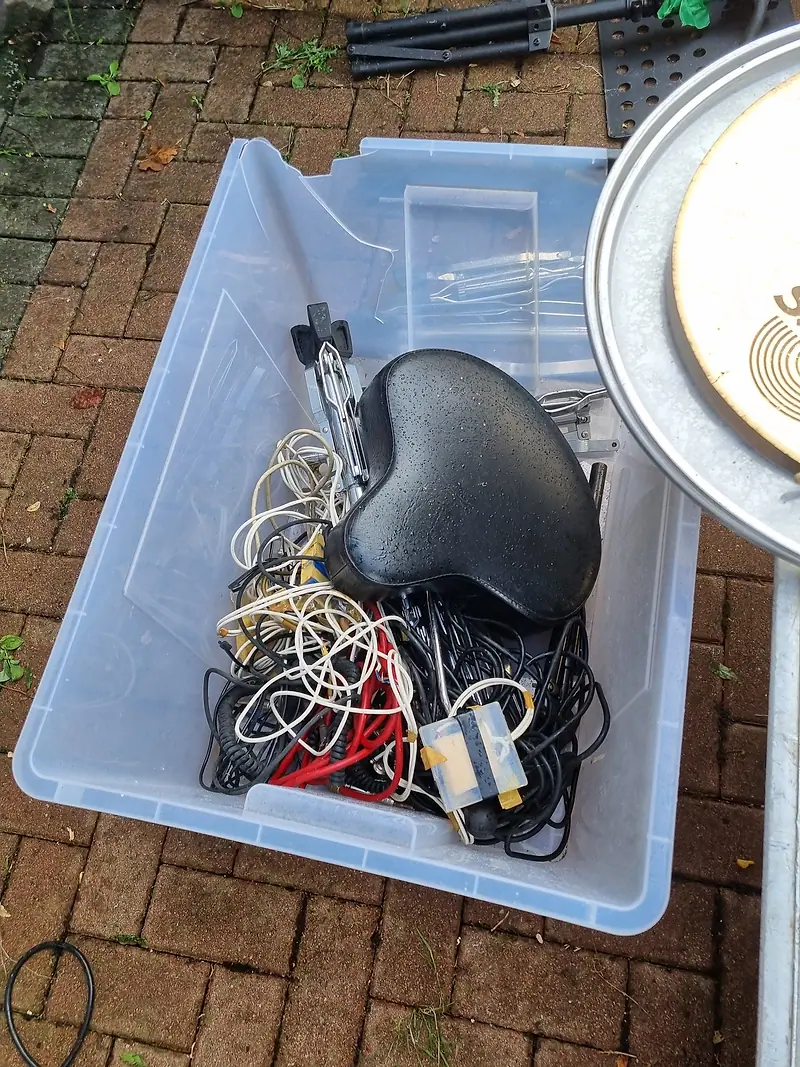
Outside the city, a cluttered home usually has more room for things to gather. Sheds, garages, old stables, lean-tos and the yard can hold as much as the house. We clear them as part of the plan, usually last, because they matter least for day-to-day safety. See shed clearance, garage clearance and garden clearance for what's involved, and attic clearance for the loft.
Tell us about access when you send photos. A long lane, a narrow gate, a soft yard after rain or a tight turn at the road all change how we load and which van suits the job.
If the home belonged to someone who has died, the family is often living elsewhere too. Our page on bereavement clearance for families living away explains how keys, photos and decisions work at a distance.
How a staged clearance is priced
The price is worked out from your photos and covers the whole plan, every visit included, and it's agreed before the first one. What moves it is the volume (roughly how many van loads), the access, the time the sorting will take, and anything needing special disposal, such as fridges, freezers, mattresses or electricals.
The most useful photos are each room from the doorway, the stairs, the attic hatch and any outbuildings, plus a line about who'll be making decisions. Our house clearance cost guide explains each pricing factor in more detail.