
Understanding hoarding first
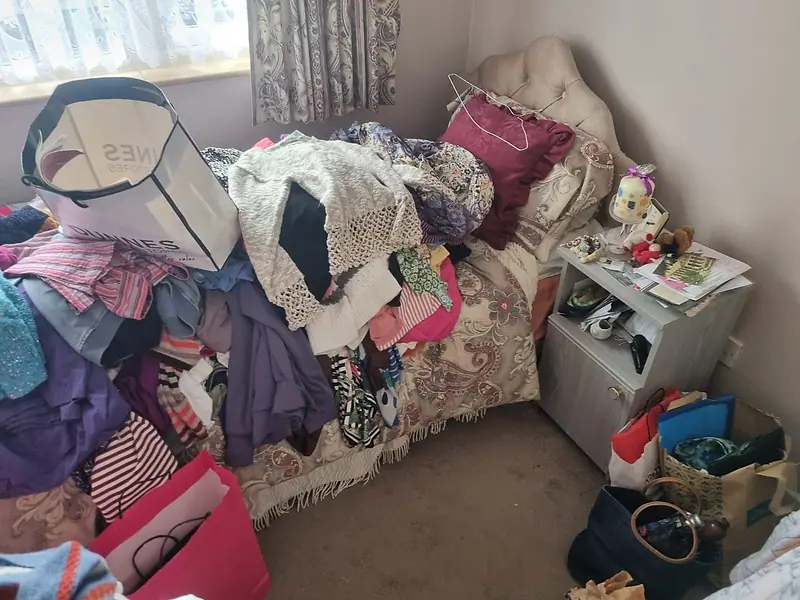
Hoarding is more than untidiness, and it isn't laziness. Hoarding disorder is recognised as a mental health condition in its own right. People who hoard find it genuinely distressing to let things go, and belongings build up until rooms can't be used for what they're meant for: a kitchen you can't cook in, a bed you can't sleep in, a hall you have to squeeze along.
It often grows out of something else. Grief, a hard life, anxiety, depression, illness, loneliness and getting older can all play a part, and many people have been struggling quietly for years before anyone notices. Some keep things because they might be useful one day, some because letting go feels like losing a memory, and some because the job simply became too big to start.
We're a clearance company, not clinicians, so we won't try to diagnose anyone. If you think there's more going on than clutter, the GP is the right first step. They can talk with the person, check for anything underlying and refer them on to other supports if that's appropriate. Clearing the home is the practical side, and it goes far better when the person is getting the right support alongside it.
How to talk about it
The first conversation sets the tone for everything after it. Push too hard and the person may shut the door, sometimes literally. These swaps tend to help:
| Instead of | Try |
|---|---|
| "You can't live like this." | "I'm worried about you on the stairs. Could we clear a path?" |
| Turning up with bin bags and a plan | Asking what bothers them most about the house |
| Talking about the whole house | Agreeing one small, specific first step |
| Making decisions for them | Asking "keep, or let go?" and accepting the answer |
| Clearing while they're out | Working with them, at their pace |
Lead with the things the person cares about: being safe, getting the heating working, having the grandchildren over, being able to cook again. Expect more than one conversation. Many people need time to come round to the idea, and that's fine.
Consent: whose decision is it?
If the person lives in the home and is able to make their own decisions, it's their home and their decision. Clearing someone's belongings behind their back usually backfires. It breaks trust, it can cause real distress, and the clutter tends to come back because nothing underneath has changed.
A few situations are different:
- If you're worried the person can't make decisions because of illness or memory problems, talk to their GP before doing anything. There are formal supports for decision-making in Ireland, and a GP or solicitor can explain how they work.
- If the person has died or moved into care, the executor or family decides. Our guide to clearing a house after a death covers that side.
- If it's a rented home, the landlord may need to be involved where there's a safety risk, but the tenant's belongings are still theirs.
Even once someone agrees, keep checking in. Agreeing to clear the hall isn't agreeing to clear the bedroom.
Safety comes first
A very cluttered home can be dangerous, both for the person living there and for anyone helping. Before you plan the order of rooms, look for these risks and deal with them first:
- Exits. A clear route from every bedroom to the front and back doors.
- Stairs. Nothing stored on the steps, and the handrail within reach.
- Cooker and heaters. Paper, boxes and clothes well away from the hob, the fire, plug-in heaters and the boiler.
- Smoke alarms. Working, tested and not buried behind boxes.
- Electrics. Overloaded sockets, damaged leads and extension leads under piles of paper.
- Heavy stacks. Tall piles that could topple, and very heavy loads upstairs.
Watch, too, for things that need specialist help: needles or sharps, chemicals, heavy mould, signs of mice or rats, or serious contamination. Wear sturdy gloves and shoes, don't put your hand into a bag you can't see into, and don't try to deal with pests or mould yourself.
A staged plan works better than one big push
Few people can make hundreds of decisions in a single day. A staged plan breaks the job into pieces the person can manage, and each finished stage makes the next one easier.
| Stage | Focus | Why |
|---|---|---|
| 1 | Hall, stairs and exits | Safety, and room to move things out |
| 2 | Kitchen and bathroom | Cooking, washing and hygiene |
| 3 | The bedroom | A proper bed and somewhere calm |
| 4 | Living room and other rooms | Somewhere to sit and have people over |
| 5 | Attic, garage and shed | Usually the least urgent |
Short, regular sessions often work better than long ones. Two or three hours, then stop, even if things are going well. Finish on a small win, like a cleared table or a usable armchair, so the next session starts on a good note.
 spotless.ie
Sorting: keep, check, let go
Agree a simple system before you start, and use it the same way every time:
- Keep. The person wants it. It stays, no argument.
- Check. Not sure, or it might matter: papers, envelopes, boxes nobody has opened. These get looked through before any decision.
- Let go. Agreed to go. Usable things are set aside for reuse where possible, and the rest goes for recycling or disposal.
Some families agree simple rules together, such as "newspapers older than a month can go" or "keep one of each kitchen gadget". Rules the person helps to set are far easier to stick to than rules handed down. Expect some things to move from "let go" back to "keep". That's part of the process, not a failure.
Want to talk it through first? Send a few photos in confidence on WhatsApp and tell us what's going on. We'll suggest a staged plan and a fixed price, with no pressure.
What to do with what you find
Cluttered homes often hide important things. Go slowly through papers, bags, coat pockets, books and biscuit tins.
| You find | What to do |
|---|---|
| Cash, jewellery, bank books, cards | Hand them straight to the person, or put them in one agreed safe place |
| Letters, bills and official post | Keep together in one box to go through with them, as some may need dealing with |
| Photos, certificates, keepsakes | Set aside, and never bag them up with rubbish |
| Medicines | Return old or unwanted medicines to a pharmacy rather than binning them |
| Needles, chemicals, gas canisters | Don't handle them without proper protection, and get specialist advice |
| Keys | Label where you found them and keep them together |
When to bring in practical help
Families can do a lot themselves, especially the first small steps. But some jobs are too big, too heavy or too emotionally loaded to do alone: more than a car can carry, heavy furniture or broken appliances, or a deadline such as a move into care.
If you're looking for help, ask any company:
- Will you work at the person's pace, in stages if needed?
- Will you check bags, boxes and papers as you go, and hand back anything personal?
- Do you hold a waste collection permit? (Ours is NWCPO-25-13287-01.)
- Will you be discreet and keep the job confidential?
- Is the price fixed before you start?
Our hoarder clearance service works exactly this way across Dublin and all of Leinster, and you're welcome to send photos in confidence before anyone decides anything. Our house clearance cost guide explains how the price is worked out, and what happens to furniture after a clearance explains where things go. Lofts, garages and outbuildings are often full too; see attic clearance, garage clearance and shed clearance.
Afterwards: keeping the home manageable
A cleared home is a fresh start, not the finish line. Clutter can build up again, particularly if the reasons behind it haven't been addressed, so keep the support going.
- Visit regularly, and keep visits friendly rather than inspections.
- Agree small habits together: post opened at the table, a bag for charity by the door.
- Notice and praise what's going well.
- If things slip, go back to one small step, and to the GP if needed.
Once rooms are clear, the carpets may need attention, and we also offer carpet cleaning. For simple decluttering methods that can help someone stay on top of things, see our guide to decluttering before a clear-out.
