
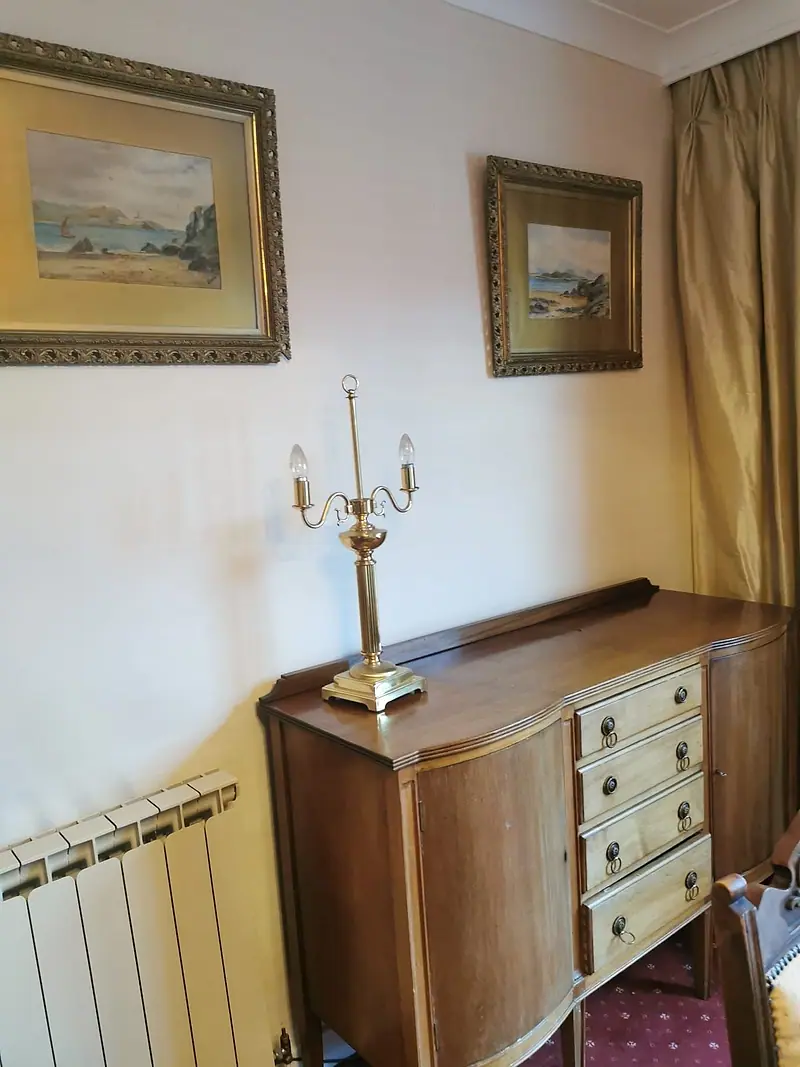
First: there's no rush to start
In the days after a death there's a lot to organise, and the house can usually wait. Unless there's a deadline, like a rented home that needs to be handed back or a sale that's already agreed, give yourself and your family time. Decisions about belongings are easier when they're not made in the first raw weeks.
When you're ready, it helps to break the job into stages: who decides, what to find, what to keep, and then the clearance itself.
Step 1: Agree who makes the decisions
The person who deals with an estate is the personal representative: the executor named in the will, or an administrator if there isn't one. They're responsible for the deceased person's assets, which can include the house and its contents.
In practice, families usually agree among themselves what happens to belongings, but it helps to have one person in charge of the clearance. That person agrees what stays, what goes and when, and is the point of contact for the clearance company.
Step 2: Find the important things first
Before anything is cleared, do a careful search for documents and valuables. Look for:
- the will, and any later copies or notes
- bank, credit union and post office books, recent statements and cheque books
- share certificates, insurance policies and pension paperwork
- property deeds, leases and rent books
- keys (car, safe, garage, other properties)
- jewellery, cash, watches and medals
- photographs, letters and other family keepsakes
Older people often kept important things in unexpected places: under mattresses, in biscuit tins, in coat pockets, at the back of the hot press. A good clearance crew checks as it works, but the more you find beforehand, the easier it is.
 spotless.ie
Step 3: Think about probate before anything valuable goes
We're not solicitors, so take advice on your own situation, but this is the general picture in Ireland:
- To deal with the estate, the personal representative usually applies for a grant of representation (probate) through the Probate Office.
- As part of that, a Statement of Affairs (Probate), Form SA.2, is filed with Revenue, listing the assets the deceased person held at the date of death.
- Most household contents are worth very little second-hand, but items of real value (jewellery, art, antiques, collections, a car) should be noted or valued before they're given away, sold or cleared.
If you're working with a solicitor, ask them before the clearance whether anything needs to be kept, listed or valued. A staged clearance makes this easy: clear the obviously unwanted things first, and leave anything that might matter to the estate until you have the all-clear.
Step 4: Decide what to keep, and give yourselves permission
This is the emotional part. A few approaches families find helpful:
- Each family member picks a few things first. Agree an order so it feels fair.
- Keep the stories, not the stuff. Photograph things you can't keep, like a favourite chair or a cluttered workbench, before they go.
- Separate "keep", "give" and "let go". Clothes and furniture in good condition can go on to help someone else.
- Don't decide everything in one day. Put uncertain items in one room and come back to them.
Step 5: The clearance itself
When the family is ready, the clearance can happen in a day or two for a typical house, or in stages. With Spotless it works like this:
- Photos and a fixed price. You send photos of each room, the attic, garage and shed. We reply with a price for the whole job, before anything is booked.
- Agree what stays. Tell us, show us, or label it. If you're not going to be there, we agree a list and send photos as we go.
- Careful clearing. Room by room, with every drawer and box checked, and anything personal set aside for you.
- Responsible disposal. Reusable items set aside for reuse where possible, metals and appliances to recycling, the rest to licensed facilities. Our waste collection permit is NWCPO-25-13287-01.
- Left ready. The house empty, floors swept or vacuumed where needed, ready for an estate agent, a landlord or the next chapter.
Would it help to talk it through? Send a few photos and tell us what's happening. We'll suggest a plan, at your pace, with a fixed price and no obligation.
A short checklist for executors
- Agree with the family who is in charge of the clearance
- Search for the will, financial documents, keys and valuables
- Ask the solicitor whether anything needs to be listed or valued first
- Let each family member choose the things they'd like to keep
- Photograph rooms and items you'd like to remember
- Check the deadline (lease, council, sale) and work back from it
- Get a fixed price from a permitted clearance company
- Arrange access, meter readings and post redirection for the property
If the house is rented
If the person rented their home, from a private landlord or the local council, check the notice period and the condition the property needs to be left in. Tell the landlord or council what's happening early. Many are understanding about timescales after a bereavement. We can work to a handover date and leave the property clear and tidy for the inspection.
If the house is being sold
The estate agent will usually want the house empty, or nearly empty, for photographs and viewings. A clear, tidy house photographs better and is easier to show. If the outside needs freshening up, we can also power wash the driveway and patio, and inside we can clean the carpets once the rooms are empty.
Looking after yourself
Clearing a loved one's home brings up a lot. It's normal to find it harder than expected, to need breaks, or to want someone else to take it on entirely. Share the load with family, and lean on friends.
When you're ready for practical help, our bereavement house clearance service is designed around exactly this, across Dublin and all of Leinster, and families who live far away can leave the day-to-day with us.
