
Furniture removal without the heavy lifting
Old furniture is awkward to get rid of. It's too big for the car, too heavy to carry down the stairs alone, and most of it can't go out with the bins. We take it away for you: one sofa, a bedroom's worth or a houseful, from any room and any floor.
- Carried out by us. From upstairs bedrooms, apartments, attics and garages. You don't lift a thing.
- Taken apart where needed. Wardrobes, bed frames and big tables are dismantled on site so they leave without damaging walls or doorframes.
- Floors protected. Covers on carpets and stairs before anything heavy moves.
- Sorted honestly. Pieces that can be reused are set aside, metal and appliances are recycled, and the rest goes to licensed facilities.
- One fixed price. From a photo, usually the same day.
What we remove
| Item | What we do | Where it usually goes |
|---|---|---|
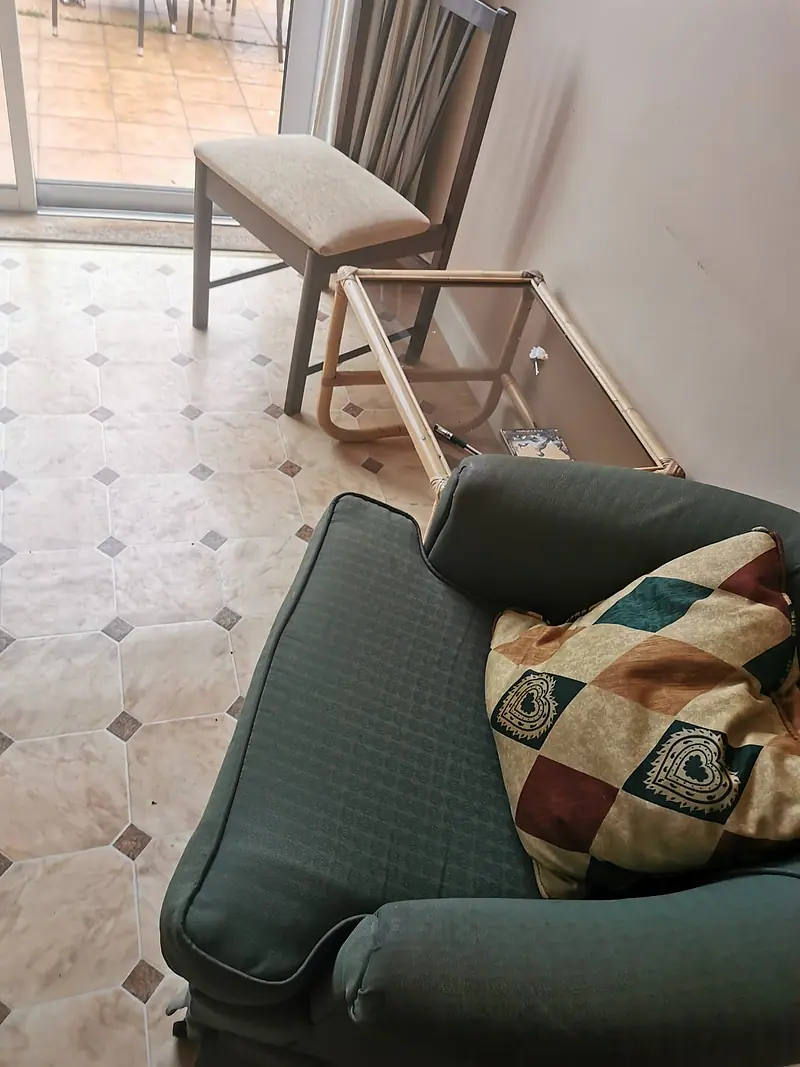
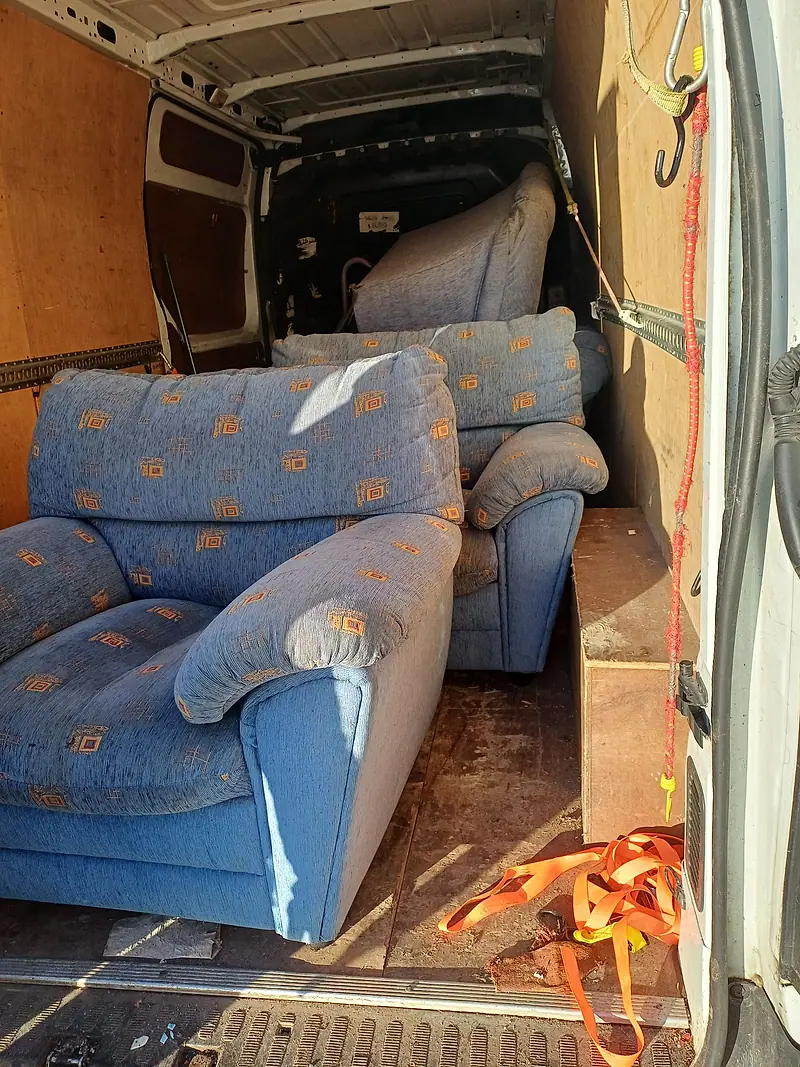
| Sofas, couches and armchairs | Carried out whole, or with legs and feet off for tight doors | Reuse if it's clean, undamaged and still has its fire-safety label; otherwise licensed disposal |
| Beds and bed frames | Dismantled on site | Metal frames recycled; good wooden frames set aside for reuse |
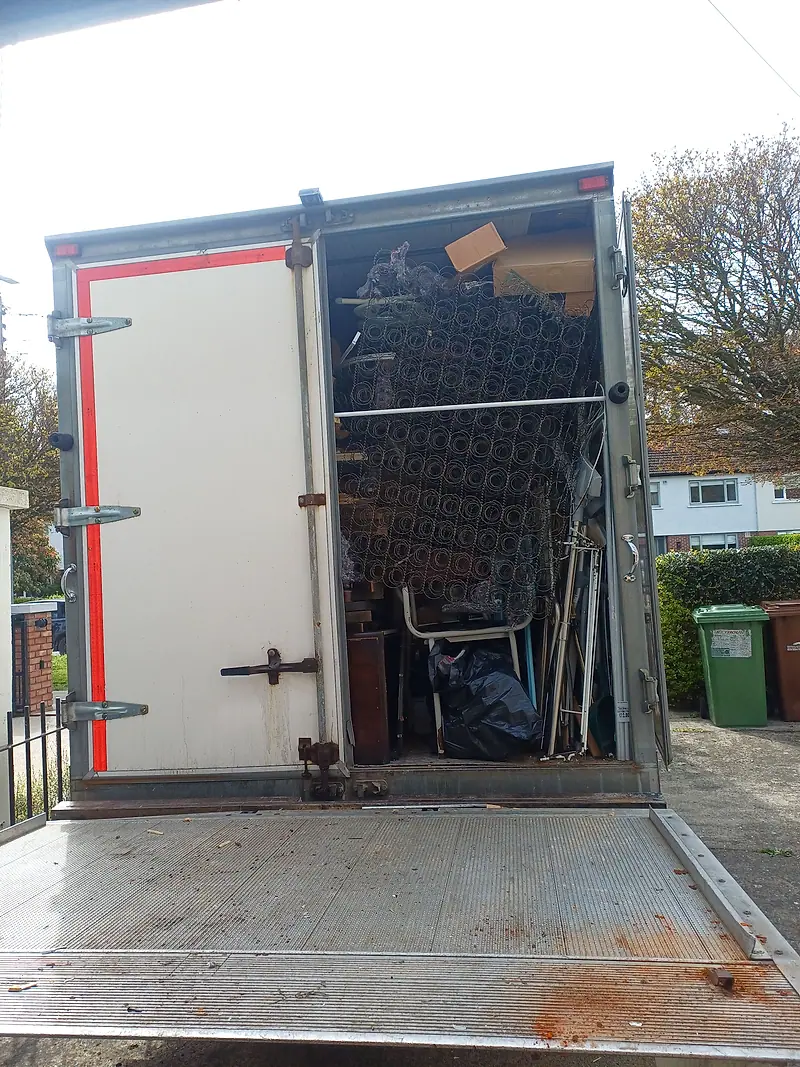
| Mattresses | Carried out, any size | Used mattresses generally can't be reused, so they go to licensed facilities |
| Wardrobes and chests of drawers | Emptied, checked and taken apart if needed | Solid pieces in good condition set aside for reuse |
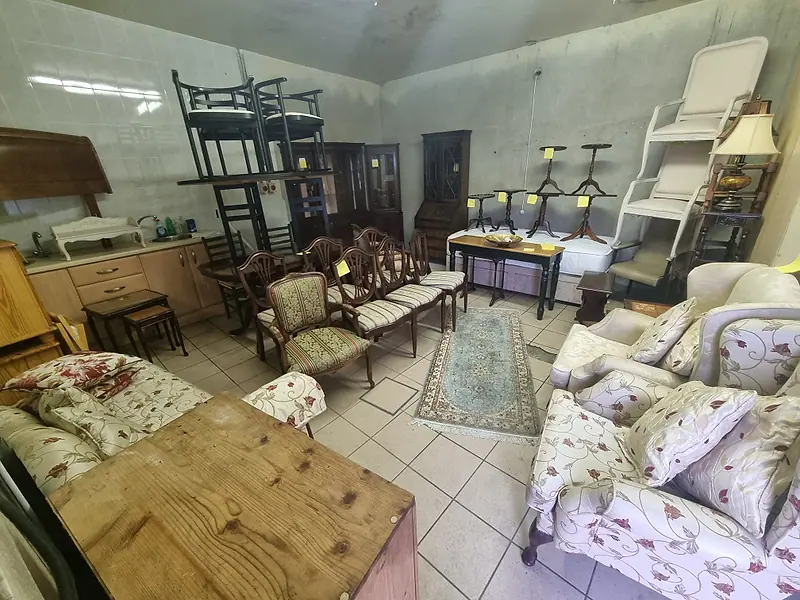
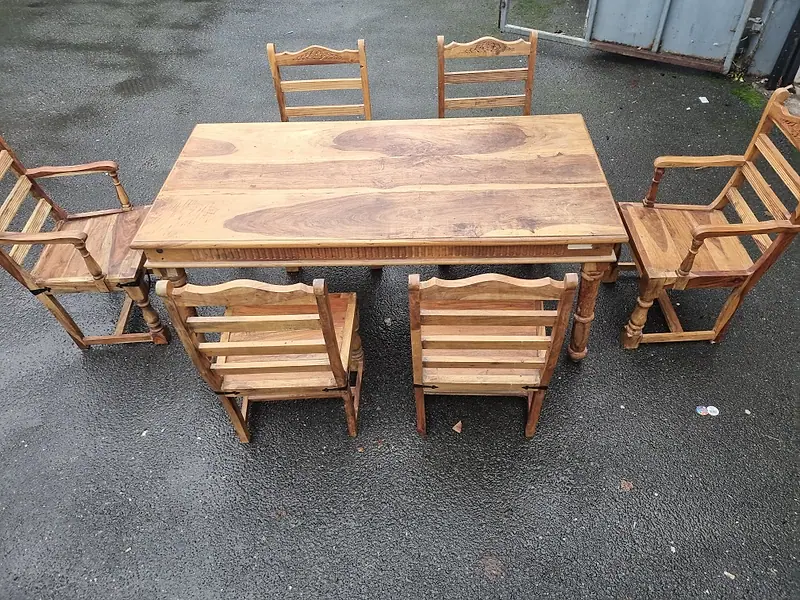
| Dining tables and chairs | Table legs off, chairs stacked | Reuse where possible |
| Flat-pack furniture | Taken apart | Chipboard rarely survives a second assembly, so most goes to licensed disposal |
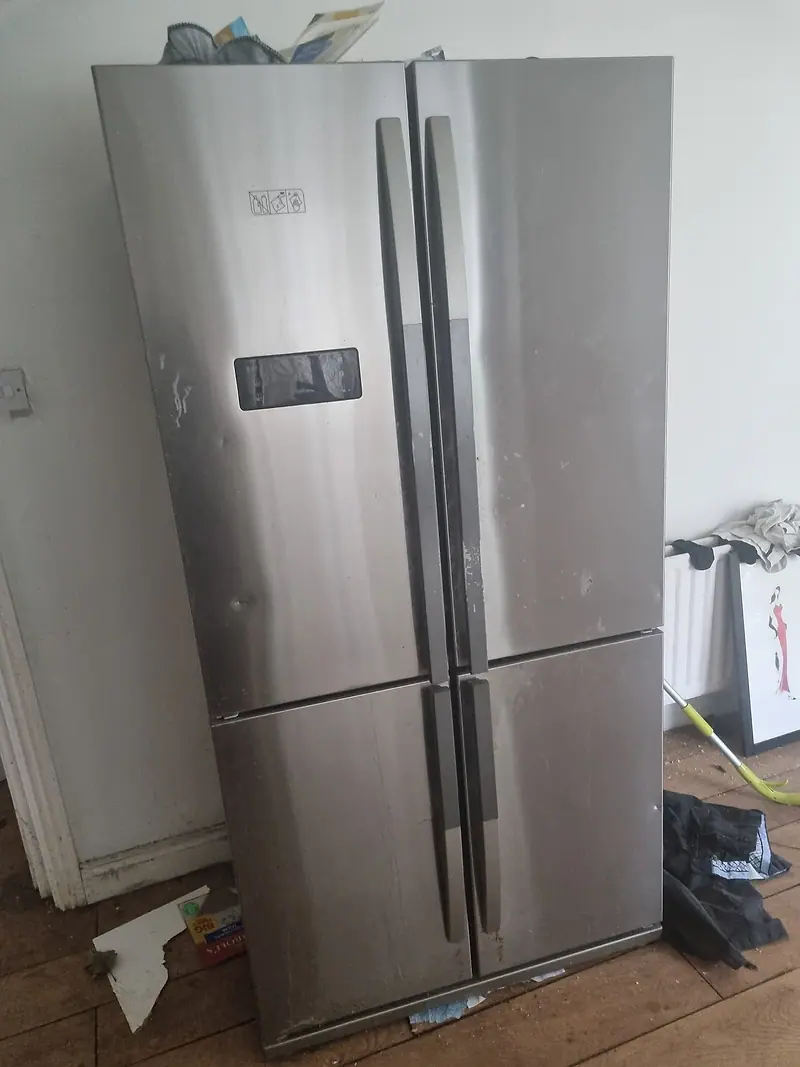
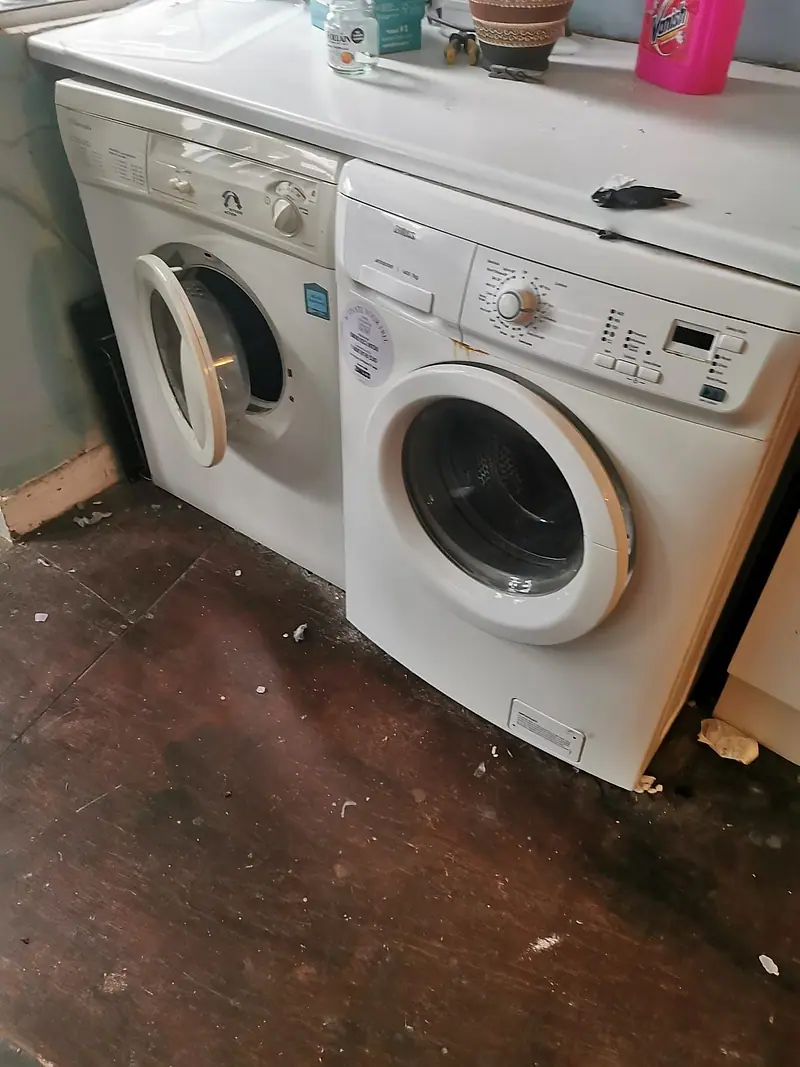
| Fridges, freezers, washing machines, cookers | Carried out once disconnected | Electrical and appliance recycling |
| Office desks, chairs and filing cabinets | Dismantled and carried out | Metal recycled; reusable chairs and desks set aside |
Very heavy pieces such as pianos, safes and solid oak or mahogany wardrobes need a word first, so we bring enough hands.
 spotless.ie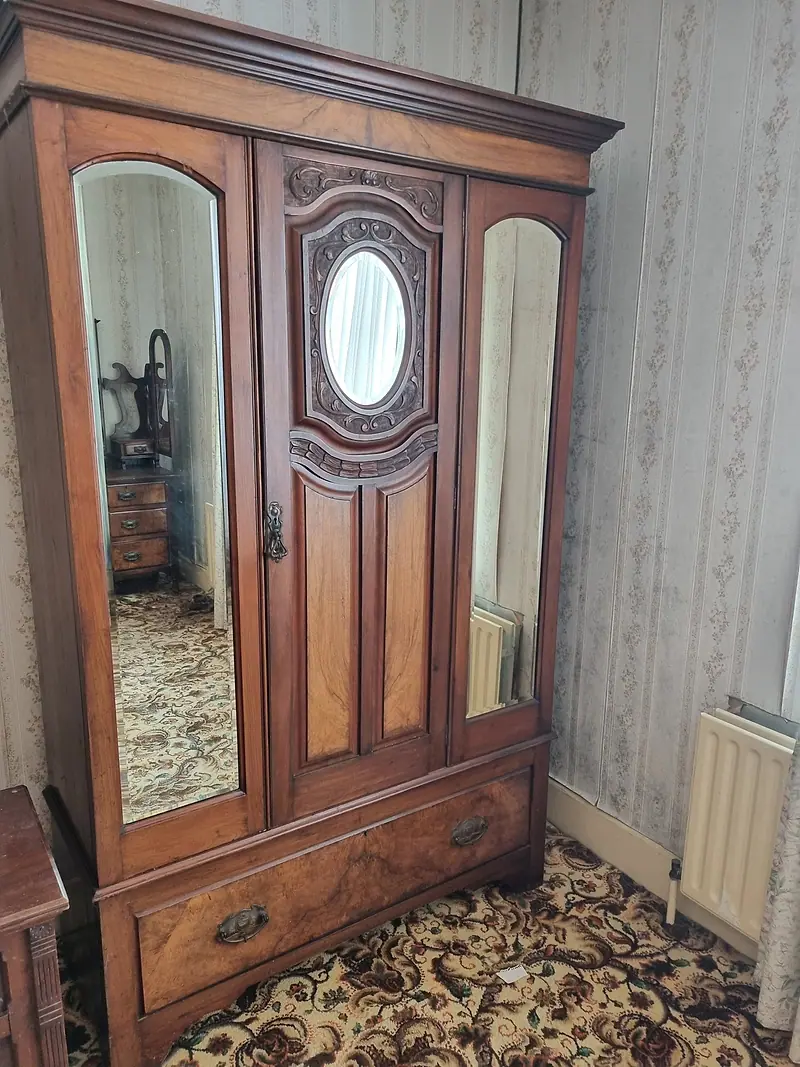
Sofa and couch removal
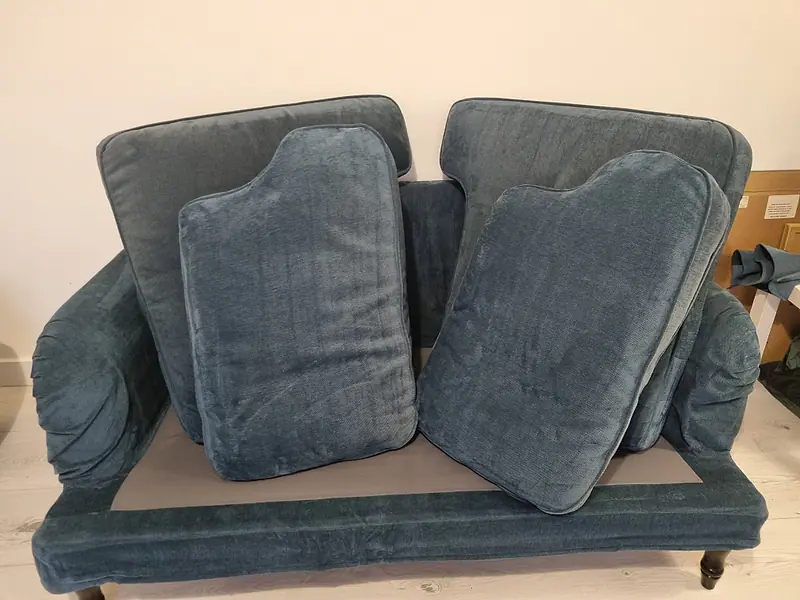
Sofas cause more trouble on the way out than anything else. Corner sofas usually unbolt into sections, which makes tight halls manageable. Sofa beds are much heavier than they look because of the metal frame folded inside. Electric recliners have motors and wiring that need separating from the rest. Tell us which kind you have, and whether it only just fitted through the door on the way in, and we'll plan the carry.
What's included, and what isn't
Every furniture collection includes the carrying, the dismantling and the sorting. A few related jobs sit with other trades:
| Included in the price | Not included |
|---|---|
| Carrying from any room or floor, attic and garage included | Disconnecting gas cookers (a registered gas installer's job) |
| Taking apart beds, wardrobes, desks and big tables | Removing fitted joinery fixed to walls or ceilings |
| Covers on stairs and hall floors | Assembling the new furniture that's replacing it |
| Checking drawers and pockets before anything leaves | Patching or painting walls behind old pieces |
| Reuse, recycling and licensed disposal | Repairing or reupholstering furniture |
| A sweep where the piece stood |
Reuse, recycling or disposal: the honest version
Most people would like their old furniture to go to someone who'll use it, and so would we. The truth is that a lot of furniture can't be reused, and anyone who says everything goes to charity isn't telling you the whole story.
Here's how it really works:
- Reuse. Solid wood furniture, dining sets, chests of drawers and good bed frames in decent condition are set aside so they can have a second life where possible.
- Recycling. Metal frames, filing cabinets, appliances and electricals are separated and sent for recycling, along with cardboard.
- Disposal. Worn upholstery, broken flat-pack, used mattresses and anything damaged go to licensed waste facilities.
Upholstered furniture is the hardest to place. Charity shops and reuse schemes are often strict about sofas and armchairs: they generally want the original fire-safety label, and the piece has to be clean and undamaged. Many won't take used mattresses at all.
If you'd rather donate something yourself first, go ahead, and we'll take whatever's left. You can read more about what happens to furniture after a clearance.
Step by step: how a collection works
- Send a photo of each piece. Add the floor it's on, whether there's a lift, and roughly where the van can park.
- Get a fixed price. Usually the same day, with a collection slot that suits you.
- We arrive and check. We confirm which pieces are going, so the lamp you're keeping stays where it is.
- Protect, dismantle, carry. Covers go down, legs and doors come off, and each piece is carried out by two of us where it's heavy.
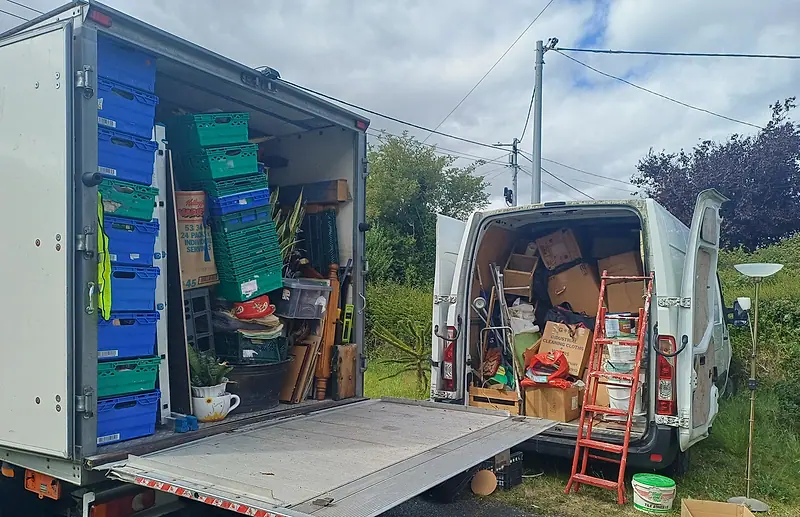
- Load and strap. Everything is secured in the van so nothing shifts or marks on the way.
- Sweep and go. We tidy where the furniture stood, and send a photo on WhatsApp if you weren't home.
Getting it out of the house
Furniture almost always went in more easily than it comes out. Doors have been changed, the stairs have a new banister, and the wardrobe was assembled in the bedroom twenty years ago.
We plan for that:
- Stairs and landings. Two of us on anything heavy, with covers down on the stair carpet.
- Tight doorways. Legs, feet, wardrobe doors and drawers come off before the frame moves.
- Fitted-looking wardrobes. Freestanding units built up in the room are taken apart panel by panel.
- Apartments. Lifts booked and protected, and loading planned around the building's rules. See apartment clearance for how we work in apartment blocks.
If something won't come out without damage, we'll tell you before we start rather than force it.
Parking and the van
A short carry is a quicker job, so tell us where the van can stop. Your own driveway is ideal. On a street with pay-and-display or permit parking, a space kept free outside the door helps, and in an apartment development the management company may have a set loading area. If the only route out is through a back lane or a side passage, mention it with your photos.
How long it takes
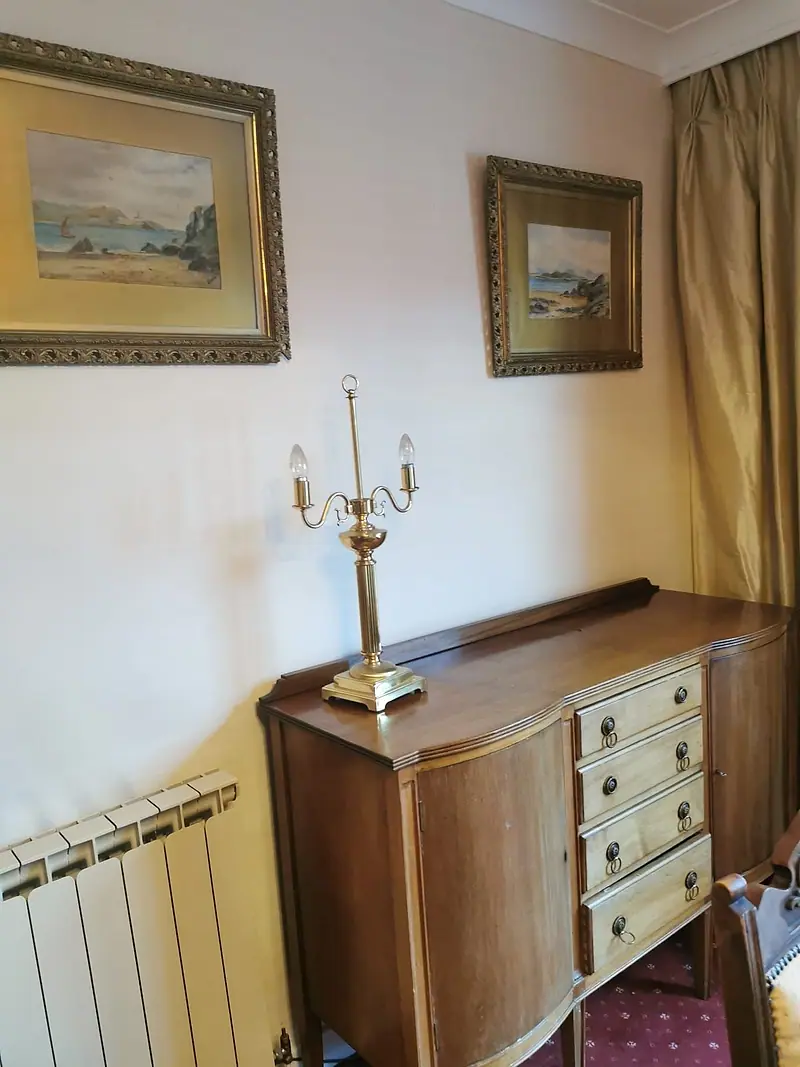
A single sofa from a ground-floor room is a short visit. A full bedroom set with a wardrobe to dismantle takes longer, and a houseful of furniture on several floors can run to a few hours. We'll tell you roughly how long when we quote. Collection slots are often available within a couple of days, and we can fit around a delivery date if new furniture is arriving.
Office furniture removal
We also remove office furniture: desks, pedestals, office chairs, filing cabinets, meeting tables, partition screens and storage units. Desks are dismantled on site, and metal furniture goes for recycling. Please empty filing cabinets and drawers first, and keep any confidential paperwork back for secure shredding.
Early mornings and Saturdays suit most offices, so the furniture leaves without disrupting the working day. When the whole office is being cleared, see office clearance. For warehouses and industrial units, see commercial and warehouse clearance.
One piece, or more than furniture?
Single items are fine. Send a photo of the sofa or wardrobe, tell us the floor and the parking, and we'll price that piece.
If you've got a mix of things to go, such as a broken chair, bags of clutter, an old microwave and some boxes, that's junk removal, priced by how much of the van it fills. If it's every room in the house, see house clearance. And if the furniture is sitting in a self-storage unit, our storage unit clearance service empties the whole unit in one go.
And if a piece is staying but looking tired, cleaning may make more sense than replacing it. We also offer upholstery and sofa cleaning, mattress cleaning and rug cleaning.
Want a price for your furniture? Send a photo of each piece on WhatsApp, with the floor it's on and the parking, and we'll reply with a fixed price, usually the same day.
How furniture removal is priced
Every price is fixed and agreed before we book. It's based on:
- How much there is: one piece, a room's worth, or a full van load.
- Size and weight: a two-seater sofa is quicker than a solid oak wardrobe.
- Access: the floor, the stairs, any lift, and how close the van can park.
- Dismantling: beds, wardrobes and desks that need taking apart.
- Special disposal: mattresses, fridges and freezers each have their own disposal routes.
A photo of each piece, ideally with a door or a person beside it for scale, is usually all we need. If you know the measurements of the big items, add them. Several pieces from the same house are priced together, so it's worth sending everything in one message rather than booking piece by piece.
Preparing for collection day
- Empty drawers and wardrobes, unless you've asked us to take the contents too.
- Defrost the fridge or freezer the day before, and leave the door open to dry out.
- Get the gas cooker disconnected by a registered gas installer before we arrive.
- Take pictures and mirrors off the walls along the route out, so nothing gets knocked.
- Tell us about tight spots: a turn on the stairs, a low ceiling or a narrow back door.
- Keep a parking space free outside, if you can.
Furniture removal across Dublin and Leinster
We're based in Dublin and collect furniture in Dublin and all of Leinster, from apartments in the city to farmhouses and bungalows in the county towns. We're fully insured on every job, whether it's one armchair or a whole house of furniture. As an authorised waste carrier under permit NWCPO-25-13287-01, we make sure your old furniture is collected legally and ends up where it should.