Fascias, soffits and bargeboards, explained
The roofline is the strip of boards where the roof meets the walls. It's easy to overlook until it turns green, and then it's the first thing you notice from the street.
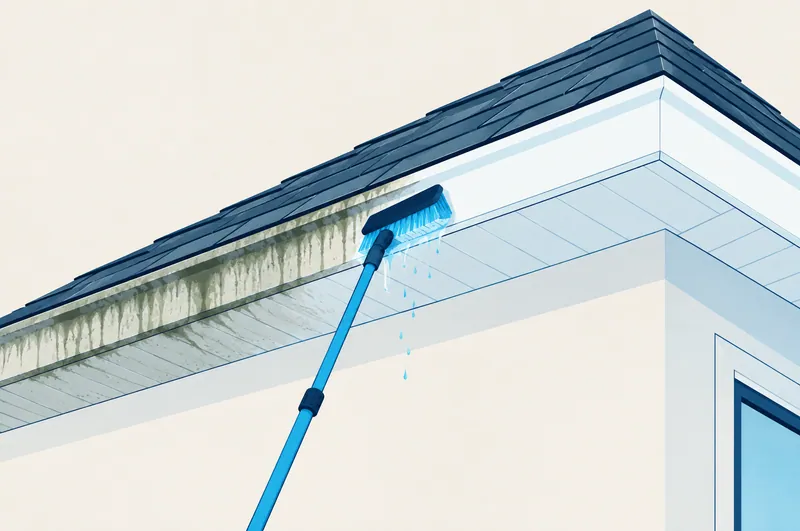
- Fascias run along the bottom edge of the roof. The gutters are fixed to them.
- Soffits sit underneath the fascia, closing the gap between the roof edge and the wall. Many have small vents to let air into the roof space.
- Bargeboards run up the sloping edges of a gable end, following the line of the roof.
- Gutter fronts are the outside face of the gutters, which collect their own grime and streaks.
On most houses built or refitted in the last few decades, all of these are white uPVC. Older houses may still have painted timber. Both can be cleaned, but they need slightly different handling.
uPVC or painted timber?
Not sure which you have? uPVC has a smooth, slightly glossy finish, joins at neat plastic trims and never flakes. Painted timber shows brush marks, often has fine cracks in the paint along the grain, and is common on older and period houses. A close-up photo tells us straight away.
The difference matters for cleaning. uPVC takes a wash well and comes up bright. Timber is washed more gently, and if the paint is already failing, a clean will show it. In that case it's worth having the fascias cleaned first and painted afterwards, rather than the other way round.
Why rooflines go green
White uPVC is a perfect surface for algae to show up on. Rain, shade and airborne dirt are all it needs. The north side of the house, where the sun never reaches, usually goes green first, followed by any part of the roofline near trees or hedges.
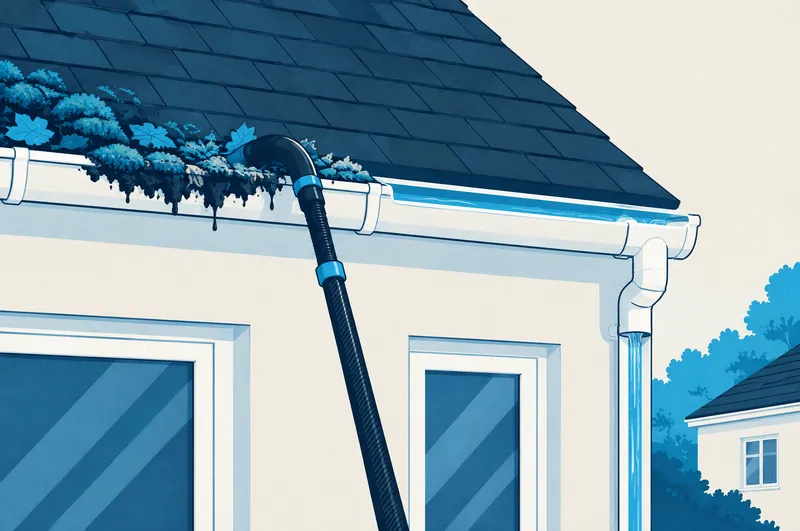
Overflowing gutters make it much worse. When water spills over the front of a blocked gutter, it runs down the fascia carrying silt and moss with it, leaving dark streaks and feeding the algae. If your fascias are streaked under particular sections of gutter, that's usually a sign the gutter needs clearing too. Our gutter cleaning page explains what to look for.
On busy roads, traffic grime adds a grey film on top. That responds well to cleaning too.
Why we use low pressure
It's tempting to think a high-pressure jet would be quicker. On a roofline, it's the wrong tool:
- uPVC scratches and dulls. A strong jet can roughen the surface, which then holds dirt and goes green faster.
- Joints and vents let water in. Fire water into soffit vents or behind the fascia and it ends up in the roof space, the insulation or the top of the wall.
- Painted timber lifts. On older houses, high pressure strips paint and drives water into the wood.
A low-pressure wash lifts the algae and grime from the surface without forcing water where it shouldn't go. Stubborn patches get extra attention rather than more pressure. It's the same principle as our soft washing for render and cladding.
What's included
- Fascias and bargeboards washed along the full length, front and back.
- Soffits cleaned, taking care around vents.
- Gutter fronts washed, with the worst streaks given extra attention.
- Windows and sills below rinsed so dirty run-off doesn't dry on them.
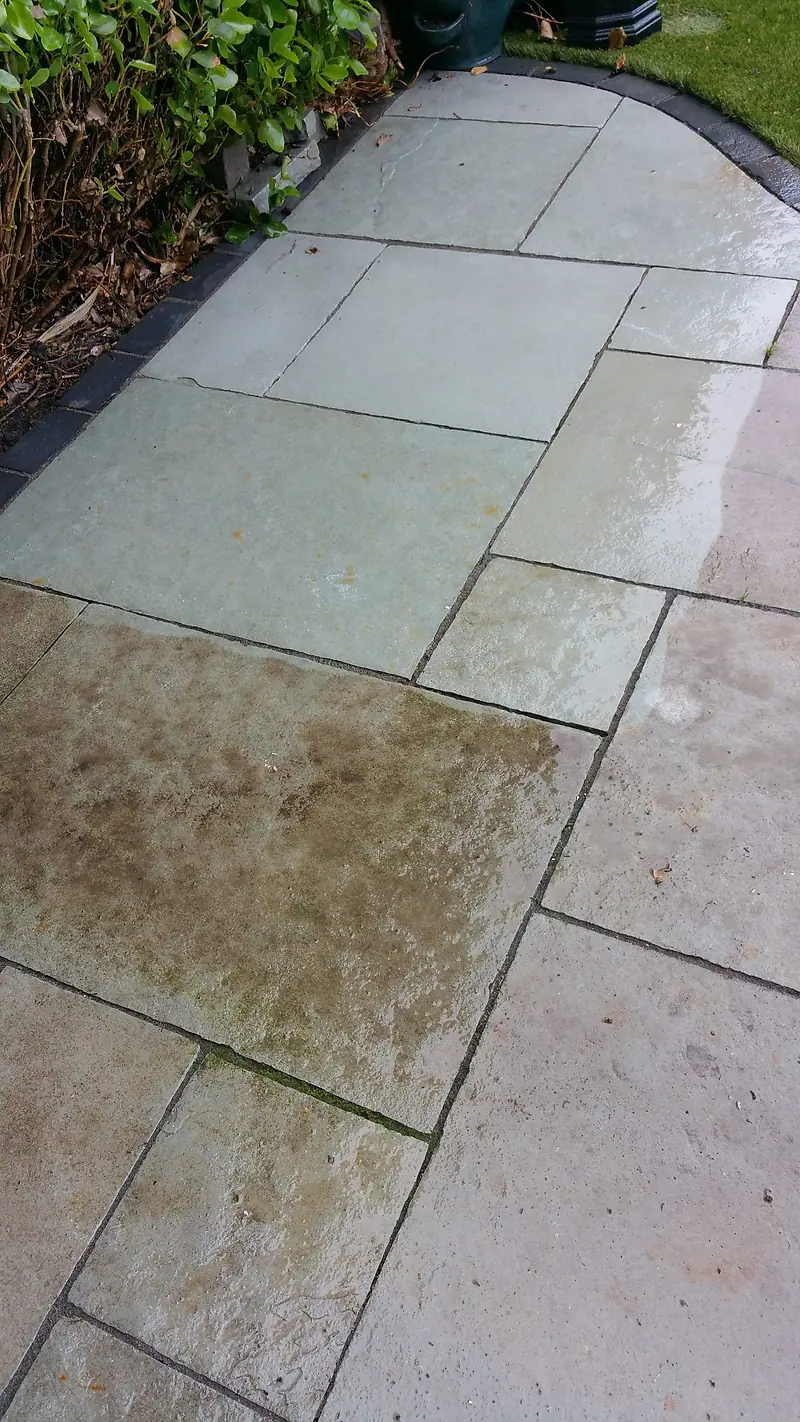
- Paths and patio below rinsed off at the end.
- Anything worth knowing pointed out, like a cracked gutter joint or a loose soffit board.
Repairs and painting aren't part of a clean, but if anything needs attention we'll photograph it so you can see it for yourself.
We'll tell you how long it'll take when we quote. Most houses are a single visit, and if you add the gutters or the roof, they're done on the same day where possible.
Black streaks and what to expect
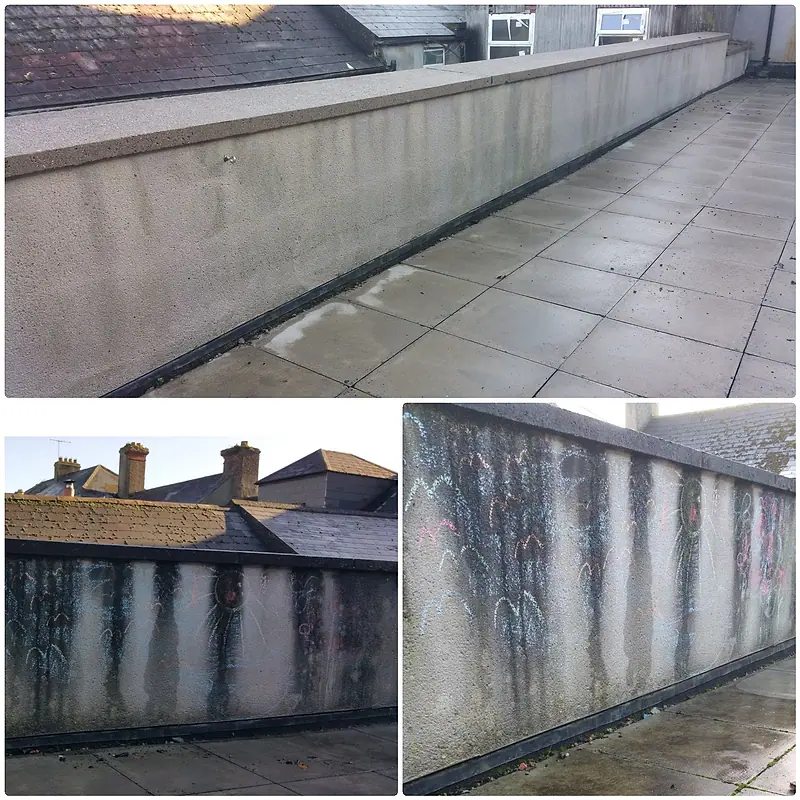
The black stripes that run down the front of old white gutters are a special case. They're caused by dirt and pollution bonding into the surface of the plastic over years, and they don't behave like ordinary algae.
Washing usually lightens them a good deal. On newer gutters they often come off completely. On older, weathered gutters some shadow can remain, because the surface itself has changed. We'll look at a close-up photo and tell you honestly what we think is achievable before you book, rather than promise a showroom finish. Keeping the gutters clear is the best way to stop new streaks forming.
Want a roofline price? Send photos of the front and back of the house on WhatsApp, with a close-up of the worst section. We'll come back with a fixed price, usually the same day.
Gutters, roof and roofline together
The roofline is usually best done as part of a bigger job:
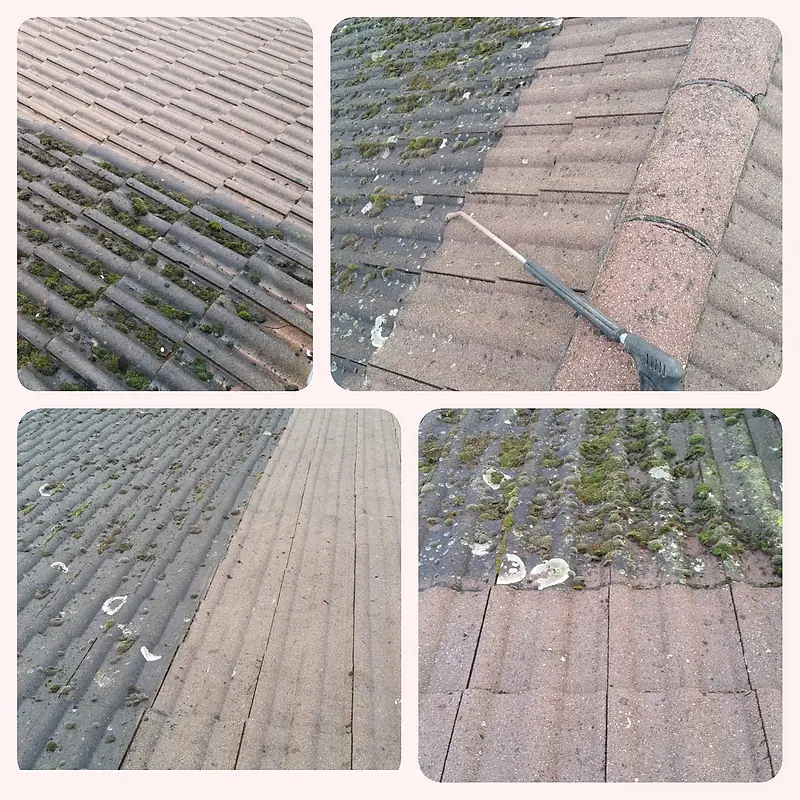
- Roof cleaning first, if the roof is mossy, because moss and dirty water come down onto everything below.
- Gutter cleaning next, so the gutters are clear and stop overflowing down the fascias.
- Fascias, soffits and gutter fronts washed once the work above is done.
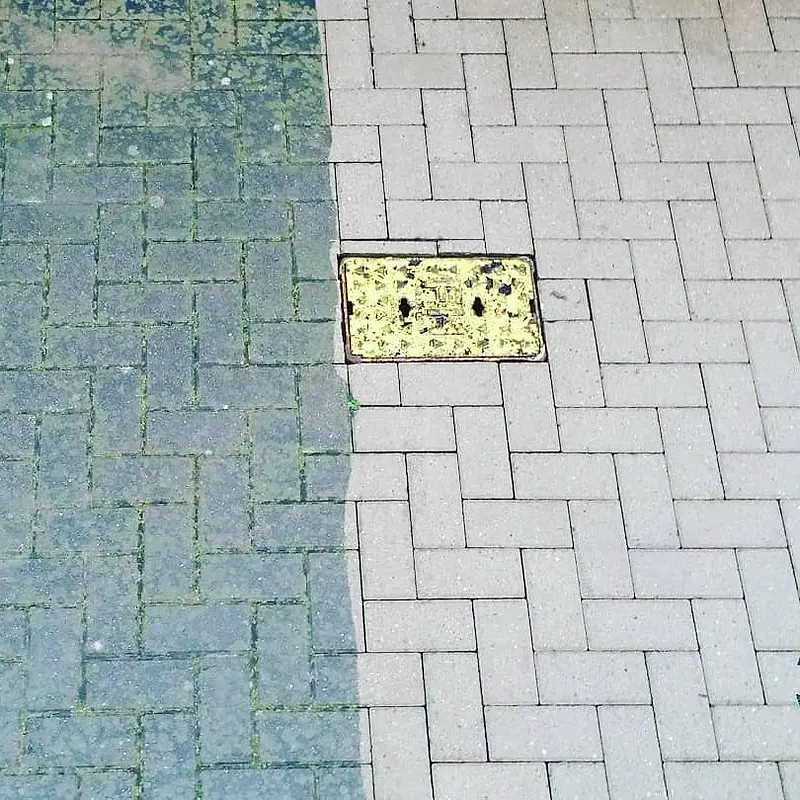
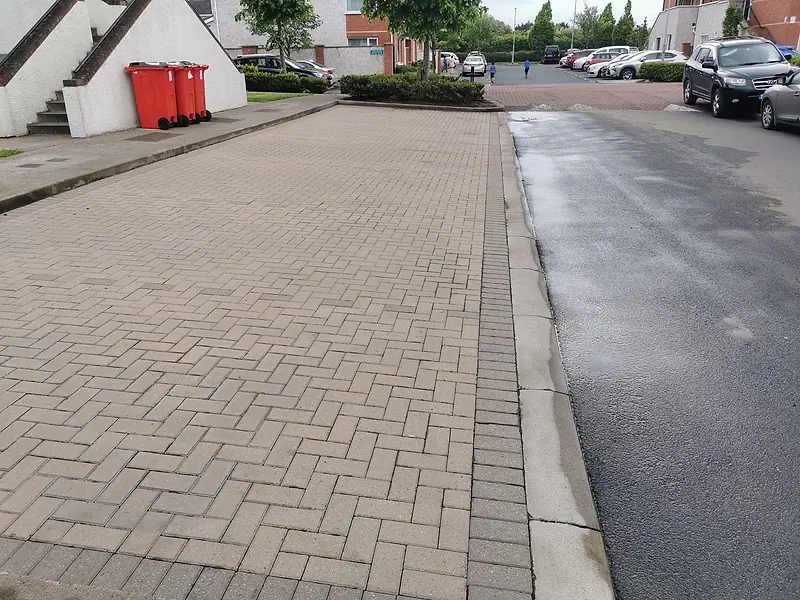
- Paving below last: the driveway or the patio, if they need it.
Doing it in that order means nothing you've just cleaned gets dirty again. You don't need everything, of course. Plenty of rooflines only need a wash. If you only want one thing done this year, tell us what bothers you most and we'll suggest where to start.
How fascia and soffit cleaning is priced
We price each house individually, based on:
- Size of the house: a terraced house, a semi-d or a detached house with extensions and gables
- Height and access: bungalow, two or three storeys, conservatories, side passages
- Condition: a light green film, or years of streaks and grime
- Material: uPVC, or painted timber that needs more care
- Extras: gutters cleared, roof moss removed, walls soft washed
You'll get a fixed price before anything is booked. See the power washing overview for everything else we clean.
 spotless.ie