Clear it out, or take it down?
Shed jobs come in two kinds, and some customers need both.
| Shed clearance | Shed removal | |
|---|---|---|
| What we do | Empty the shed of everything you don't want | Empty it, take the shed apart and remove it |
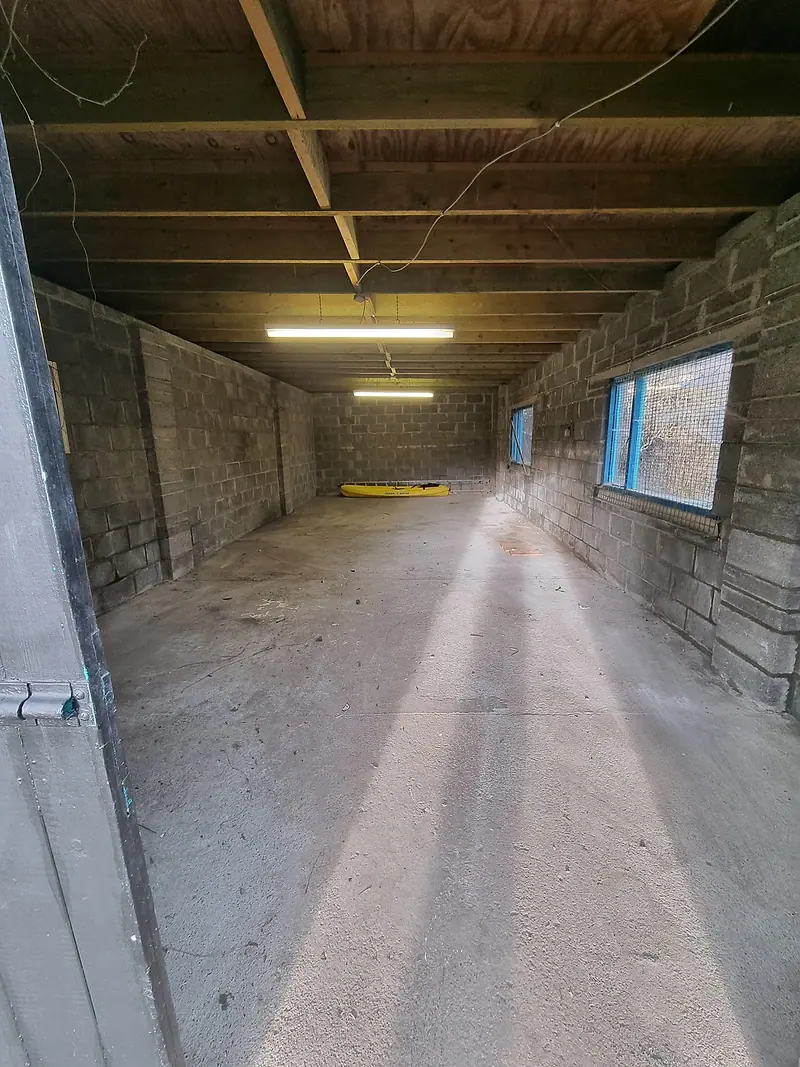
| What's left | An empty shed, swept out and ready to use | The base the shed stood on, cleared of debris |
| Best for | A shed that's sound but full | A shed that's rotten, leaking, collapsing or in the way |
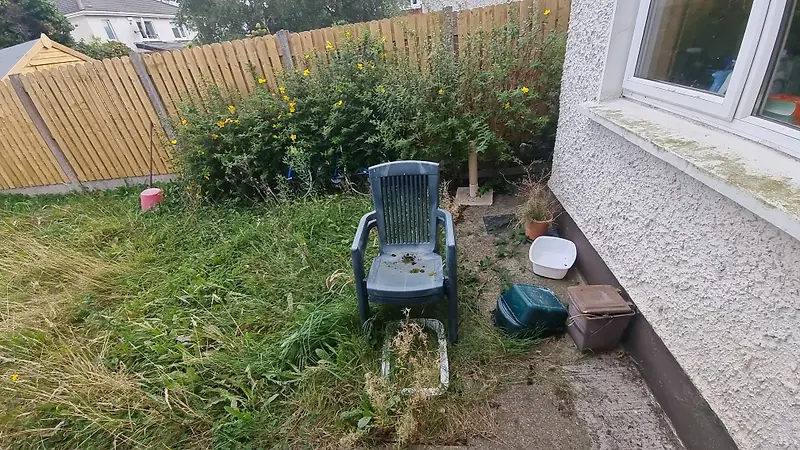
| Often added | Garden furniture, mowers and rubbish from around the shed | Old roof felt, rotten panels, glass and the floor |
We do both across Dublin and all of Leinster, with a fixed price from photos agreed before we book. As well as householders, we clear and remove sheds for landlords and letting agents between tenants, for estate agents getting a garden ready for viewings, and for builders who need an old shed out of the way before work starts.
If you were looking for shed cleaning services, a clearance is usually what's needed: everything out, sorted, and the floor swept. We don't treat or repaint timber, but we'll leave you a clean, empty space to work with. If you only want the shed emptied, our shed clear-out page covers that kind of job on its own.
Shed clearance: what we take
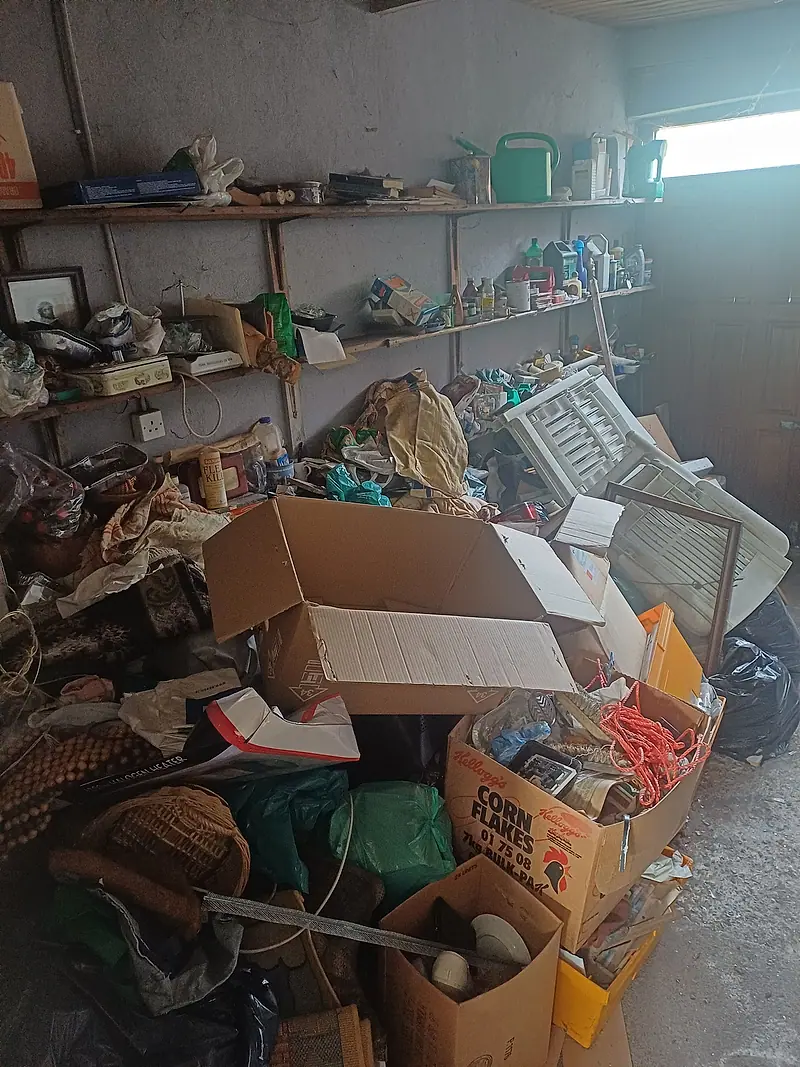
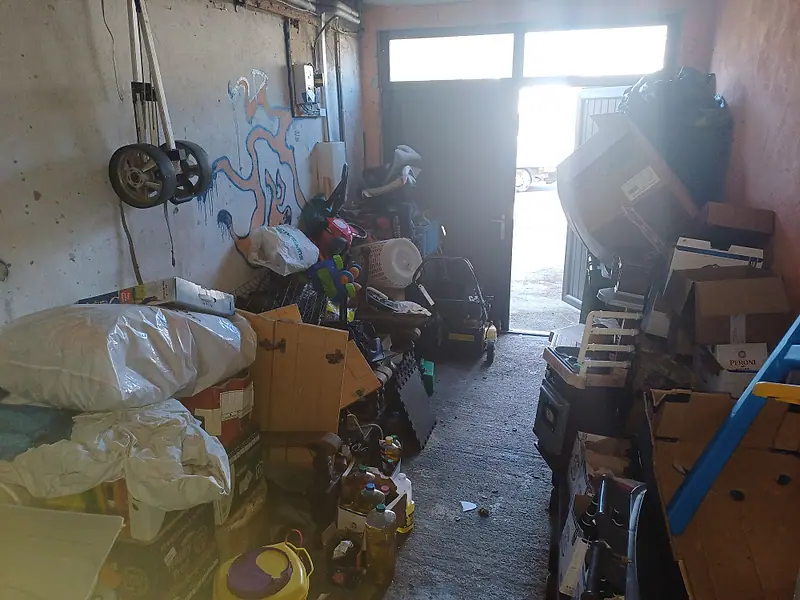
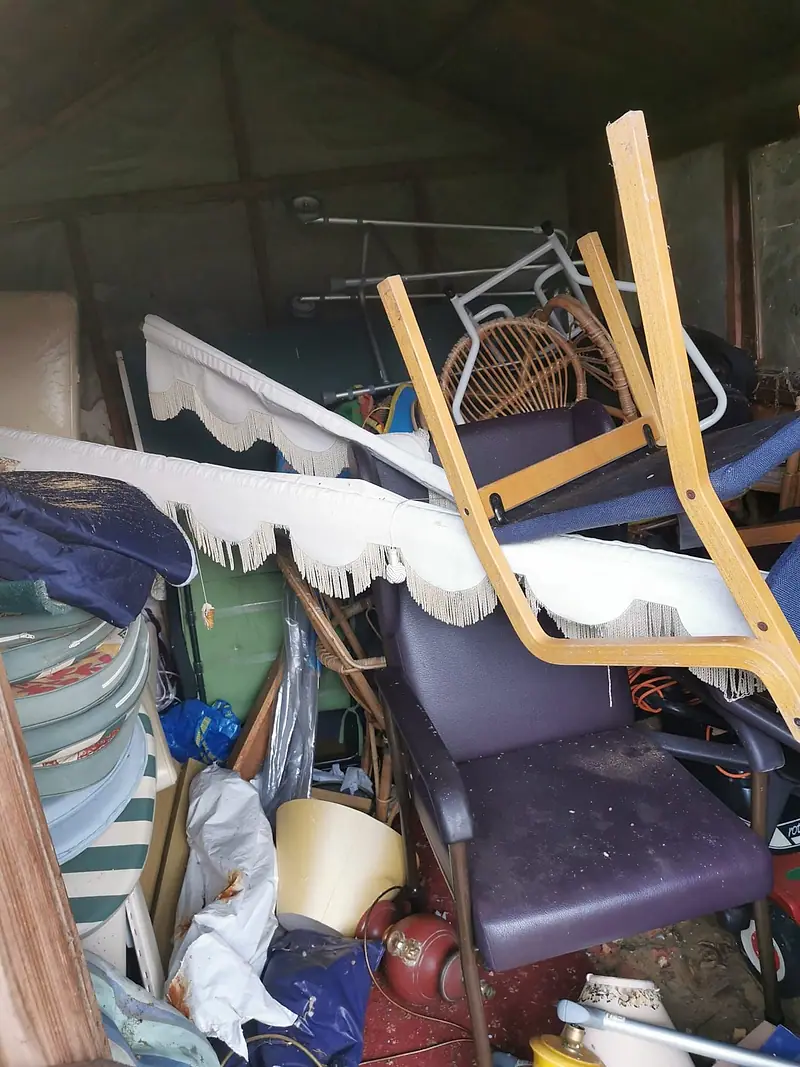
Sheds fill up with everything that doesn't belong in the house. We'll take:
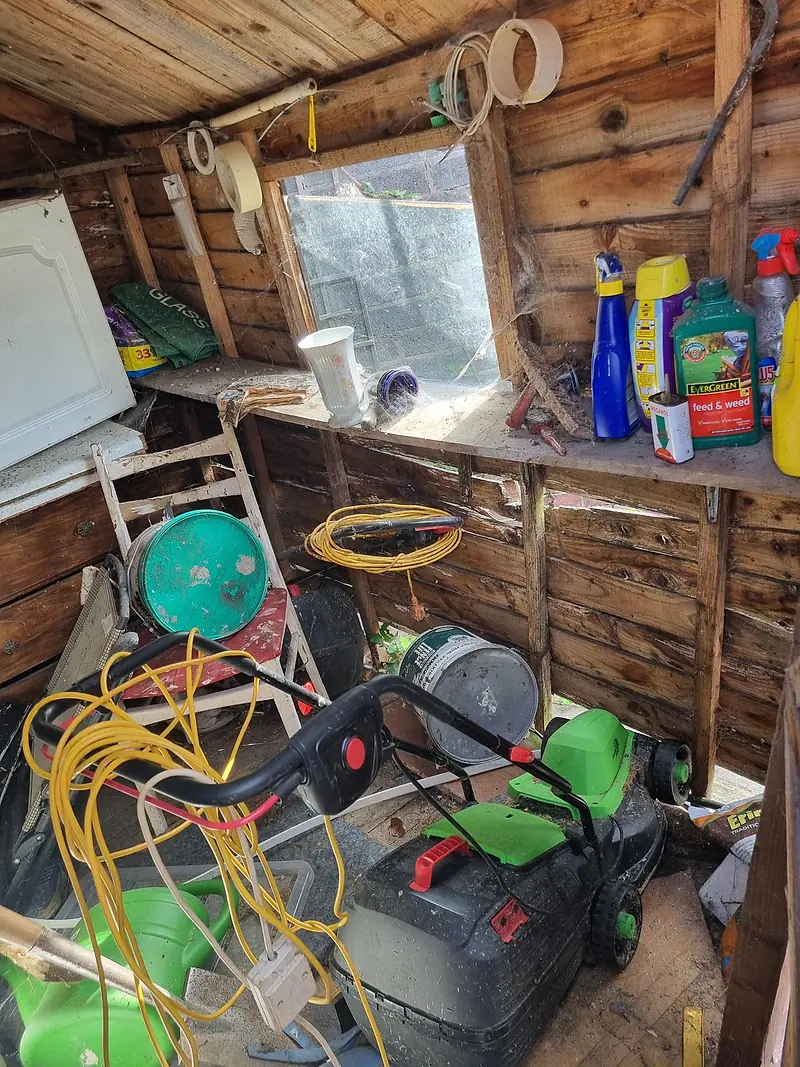
- lawnmowers, strimmers, hedge cutters and old garden tools
- garden furniture, parasols, cushions and barbecues
- bikes, scooters, children's toys and sports gear
- shelving, old kitchen units and storage boxes
- flowerpots, hoses, timber offcuts and broken trellis
- general clutter that was "put in the shed for now"
A few things we can't take: petrol, paint, solvents, oils, garden chemicals and gas cylinders. Take them to a civic amenity site or a hazardous waste collection, and we'll clear the rest of the shed.
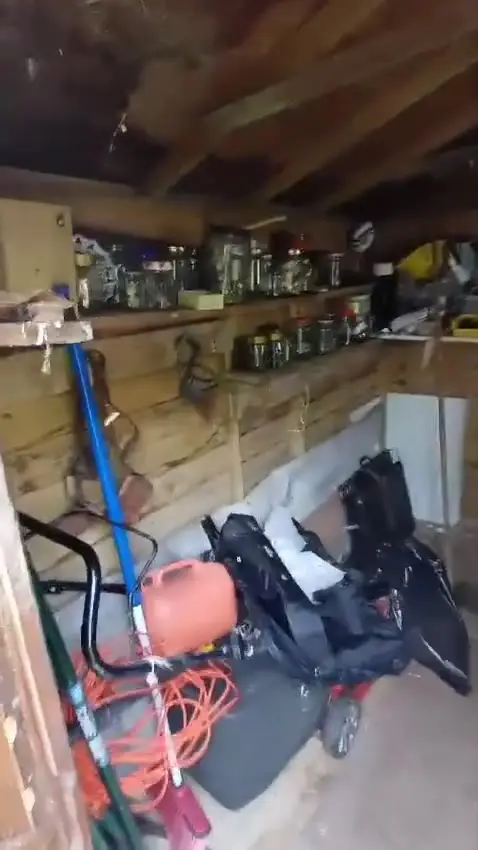
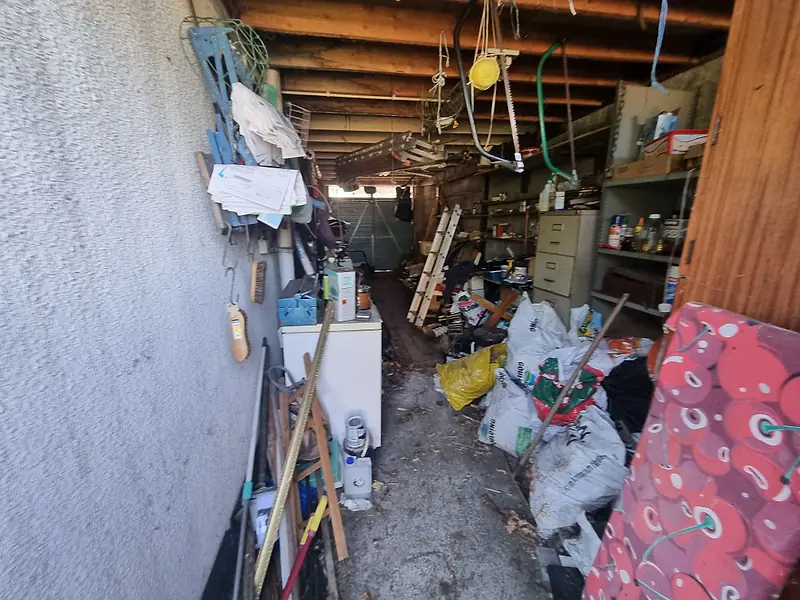
That walk-through shows a packed shed before we started: tools, a lawnmower and shelving, which is a fairly typical mix.
 spotless.ie
Signs a shed has had its day
Some sheds are worth emptying and keeping. Others are costing you more in worry than they're worth. If two or three of these sound familiar, removal is probably the better job:
- the floor is soft, sagging or has holes in it
- the roof felt is split and the shed leaks every time it rains
- the frame leans, so the door won't close properly or has dropped on its hinges
- panels are split or rotten at the bottom where they meet the base
- anything stored inside has gone damp, rusty or mouldy
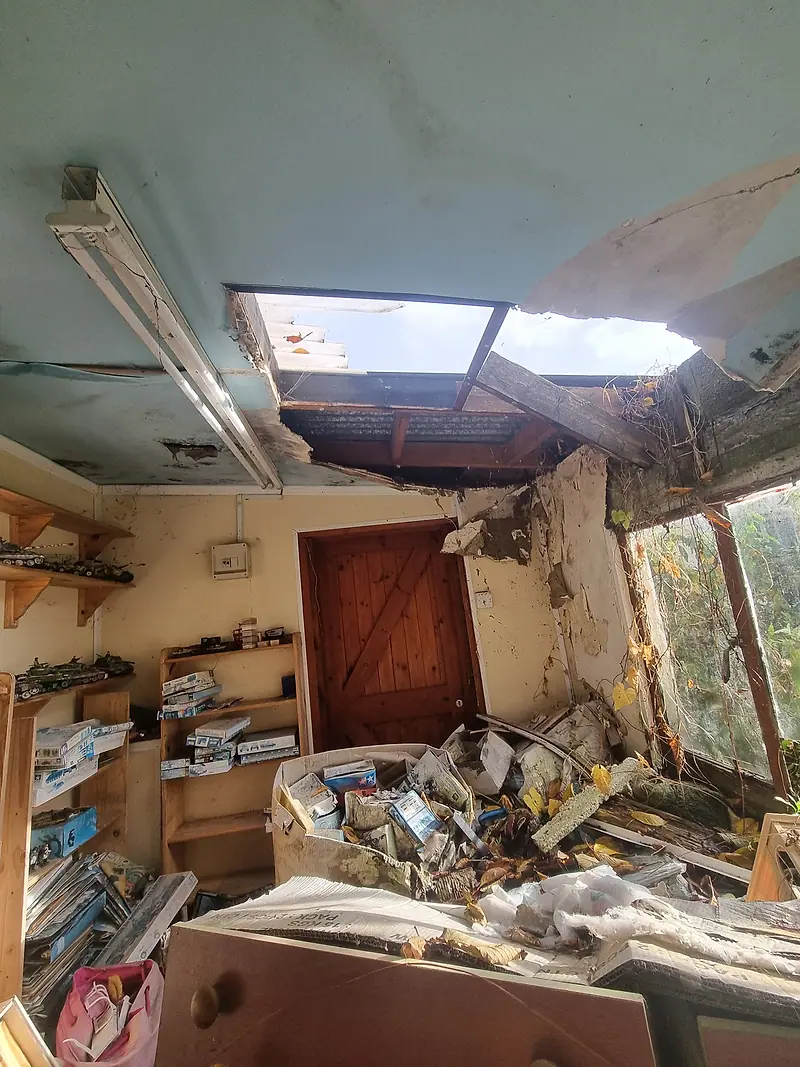
- the roof has partly collapsed, or the shed is no longer safe to walk into
The base is often still sound even when the shed isn't, so a new shed can usually go on the same spot once the old one has gone.
If you can't decide, send photos of the floor, the roof and the base along with the inside, and we'll give you an honest view. We'd rather empty a sound shed than take down one that has years left in it.
Shed removal and dismantling
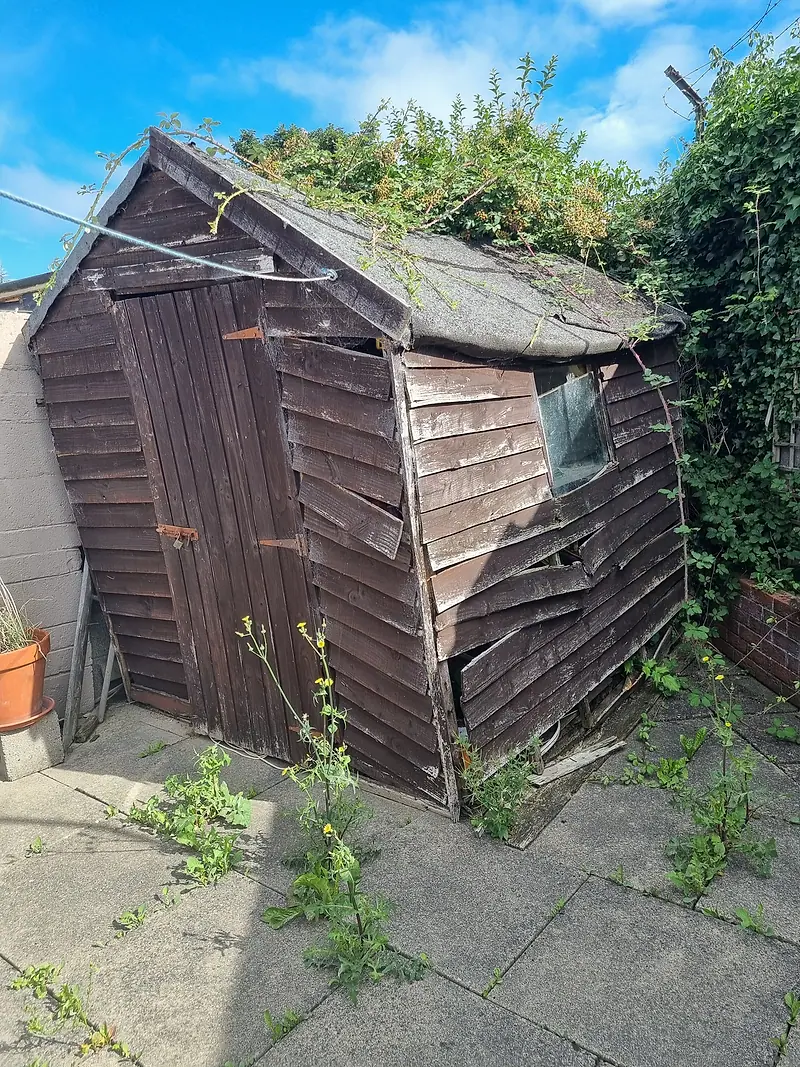
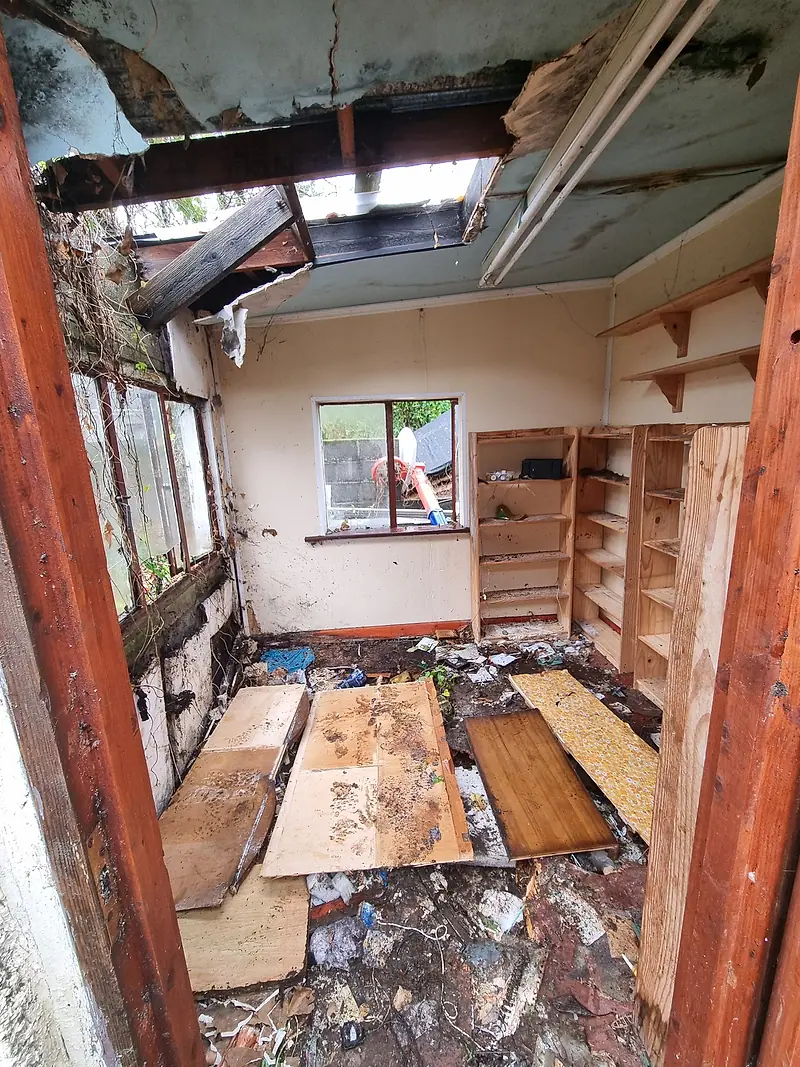
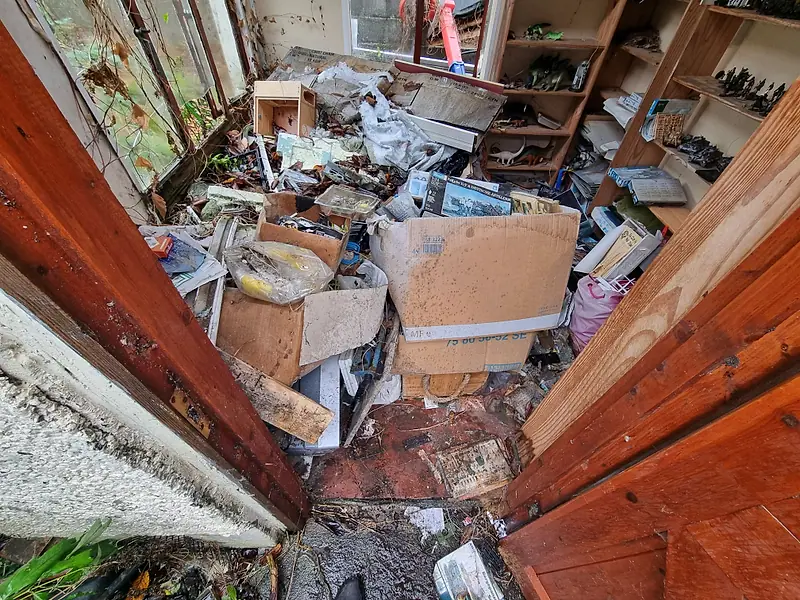
When the shed itself is the problem, we take it down and take it away. A large shed in bad condition, rotten in places and hard to get into, is exactly the kind of removal we're asked to do, and one of our reviews describes us clearing an attic and dismantling a shed like that on the same job.
How it works:
- Empty first. The contents come out and are sorted, just as in a shed clearance.
- Power checked. If the shed has electricity, an electrician must disconnect it safely before we start.
- Roof off. Felt or metal sheeting comes off first.
- Panels and frame. Timber sheds are unscrewed or taken apart panel by panel. Metal sheds are unbolted.
- Floor and debris. The floor comes up and the area is cleared of nails, glass and splinters.
- Away it goes. Timber, metal and glass are separated where possible, with the metal sent for recycling.
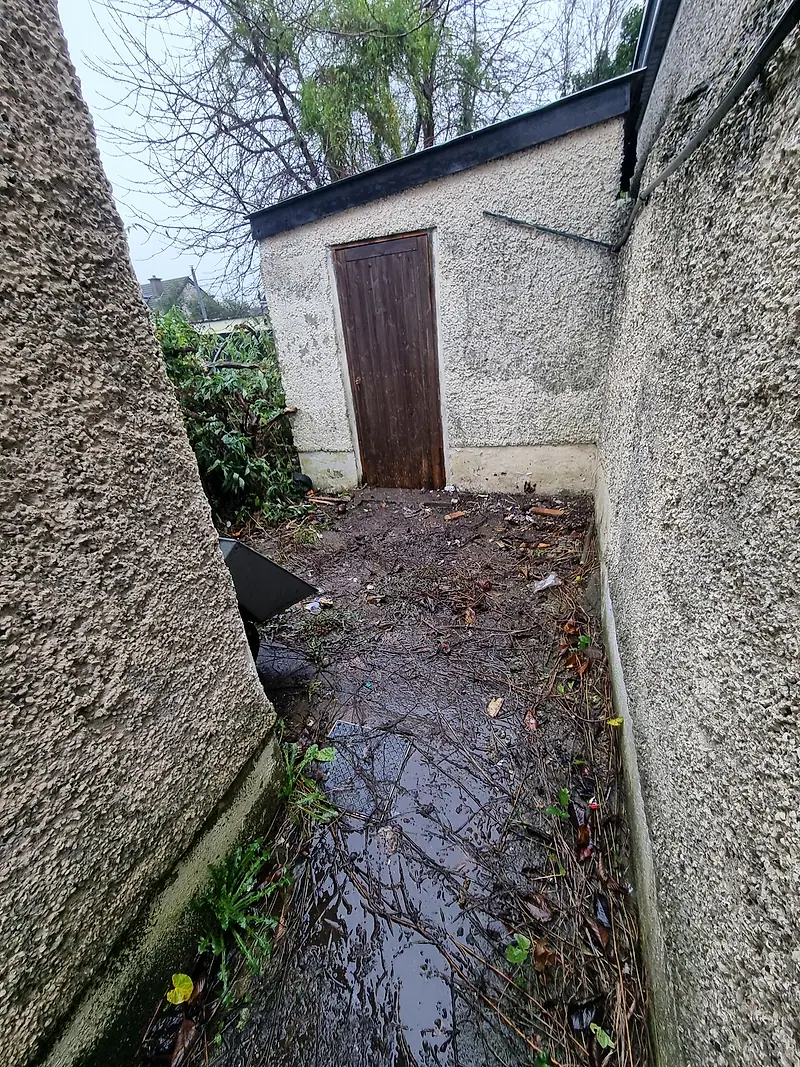
The concrete or slab base usually stays where it is. Breaking out a base is a different job, so mention it when you get in touch and we'll tell you whether it's something we can include. If a new shed is going on the same spot, measure the base before the old one comes down; it's the quickest way to know whether the new one will fit.
Timber, metal and plastic sheds
Each kind comes apart differently, and it helps us to know which you have:
| Shed | How it comes down | Worth knowing |
|---|---|---|
| Timber | Felt off the roof, then the panels unscrewed or prised apart one at a time | Rotten panels can crumble, so nails and splinters are picked up as we go |
| Metal | Unbolted sheet by sheet, working from the roof down | Old bolts are often rusted solid, and cut edges are sharp, so this one takes a little longer |
| Plastic or resin | Unclipped or unscrewed in sections | Light to carry, but old plastic goes brittle and can snap rather than unclip |
Whatever it's made of, the floor comes up last and the base is left clear of screws, glass and debris.
Old sheds and asbestos
Some older sheds and garages have corrugated cement roof sheets that may contain asbestos. If yours does, or you're not sure, tell us before we quote. We don't break up or remove asbestos materials. That has to be done by a specialist contractor, and we can clear the contents and take the rest of the shed once it has been dealt with.
The corners people forget
Sheds rarely stand alone. There's often something behind them, beside them or under them: rubble from an old patio, a broken trampoline, bags of garden waste that never made it to the recycling centre.
We look. Our reviews mention a shed full of rubbish the owners had forgotten about, found and taken away on the same job, and whole houses cleared together with their sheds in under two days.
If there's green waste as well, such as hedge cuttings, branches or old soil bags, see garden clearance. If the garage needs doing too, see garage clearance. For a whole property, house clearance covers everything from the attic down to the end of the garden.
Sheds in the city, the suburbs and the country
Where the shed is changes how we get things out of it.
- Dublin terraces. In mid-terrace houses with no side access, everything from the shed comes through the house. We put covers down on the hall and kitchen floors and carry carefully. See house clearance in Dublin.
- Suburban estates. Side gates and driveways make for an easy carry, though back-garden sheds in estates around Dublin and in Kildare are often packed to the roof.
- Wicklow and rural Leinster. Bigger gardens, older outbuildings and country properties with more than one shed. Long carries and uneven ground take more time, and we price for it. We clear sheds right across Wicklow, and in every other Leinster county too.
Want a price for your shed? Send a photo of the inside, one of the whole shed from outside and one of the route to the road. We'll reply on WhatsApp with a fixed price, usually the same day.
Shed clearance around Dublin
Every area has its own kind of shed, and its own way out of the back garden. We have pages for a few places where we do a lot of this work:
- Glasnevin. The old timber shed at the end of a long garden, often rotten and ready to come down.
- Drumcondra. Back gates onto lanes, which can make the carry much shorter.
- Ranelagh. Small gardens with no side gate, where everything comes out through the hall.
- Sandyford. Dublin 18 estate sheds in timber, metal and plastic, often cleared before landscaping.
- Carrickmines. Bigger plots with garden rooms, large sheds and machinery.
Where the shed and its contents go
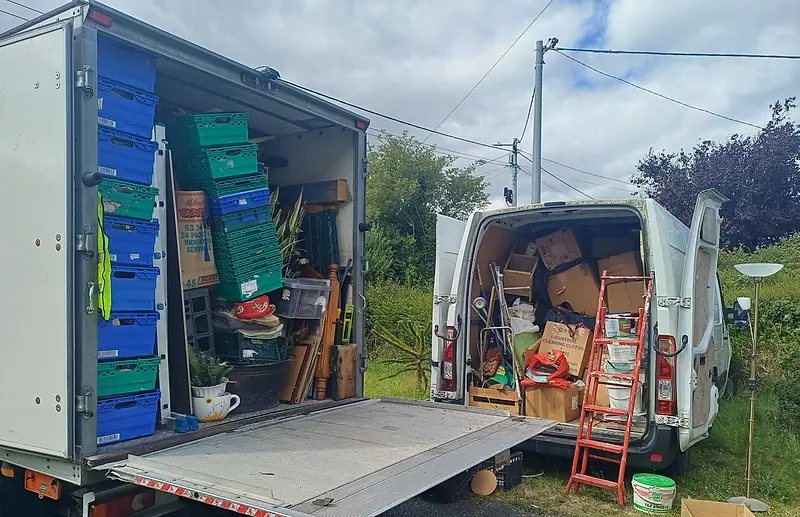
Things are sorted as they leave the garden. A mower that still starts, a set of tools or a bike with some life left in it is put to one side so someone else can use it where possible. Metal, from old tools to the sheets of a dismantled metal shed, goes for recycling, and so do electricals and cardboard. Timber, felt and the rest go to licensed waste facilities.
Our waste collection permit, NWCPO-25-13287-01, makes Spotless an authorised waste carrier, so the shed and everything in it is disposed of legally. Each job, dismantling included, is fully insured, and the same crew travels from Dublin to every county in Leinster.
What it costs and how long it takes
You'll get a fixed price for every shed job, based on your photos and confirmed before we book. What moves it:
- What's inside: how much of the van the contents fill, and how heavy or awkward the items are
- Clearance or removal: dismantling adds time, and the shed itself adds volume
- Size and condition: a large rotten shed takes longer to take apart safely than a small sound one
- Access: a side passage, through the house, or a long walk down the garden
Emptying an ordinary shed is often an hour or two's work; emptying and dismantling it takes longer, and a big or badly rotten shed longer again. We'll give you a realistic time along with the price. The shed clearance guide covers what to check before you clear or remove a shed yourself.
Before we come
- unlock the shed, or leave the key where we can find it
- if we're removing the shed, have any power to it disconnected by an electrician
- empty mowers and cans of fuel, which we can't take
- set aside any tools or furniture you're keeping
- mention asbestos or a wasps' nest, so nobody gets a surprise
- if a new shed is being delivered, tell us the date, so the old one is gone and the base is clear in time