 spotless.ie
A clear-out, not a removal
A shed clear-out means we take everything out of the shed that you don't want, and the shed stays exactly where it is. Nothing gets unscrewed, nothing comes down, and you're left with an empty, swept shed you can actually walk into.
If the shed itself has had its day, that's a different job. Our shed clearance and removal page covers taking sheds down and away. This page is for the more common situation: a perfectly good shed that's become impossible to use.
People book a shed clear-out for all sorts of reasons:
- getting the garden going again and needing the space for tools that actually work
- clearing a parent's shed while the rest of the family home is sorted
- landlords tidying up between tenants
- getting a house ready for sale, when an estate agent wants the shed in the photos
- simply wanting to shut the door without leaning on it
What usually comes out of a shed
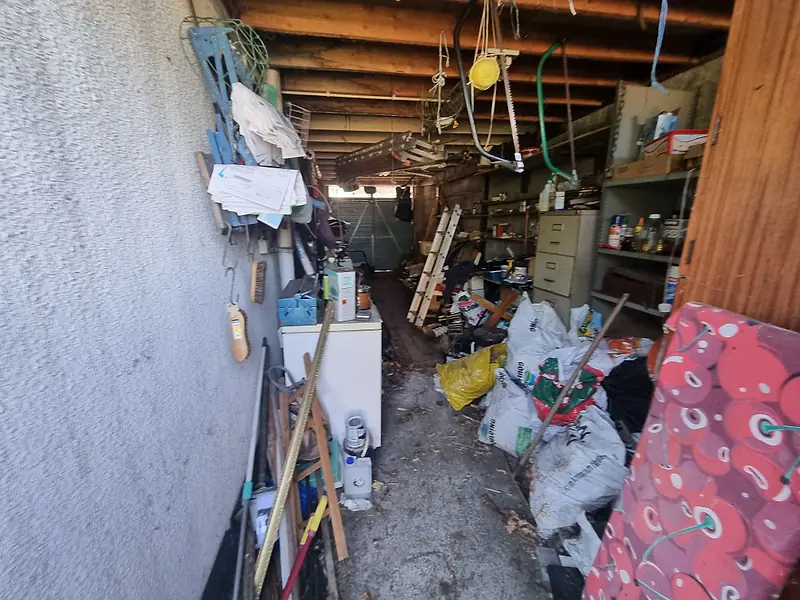
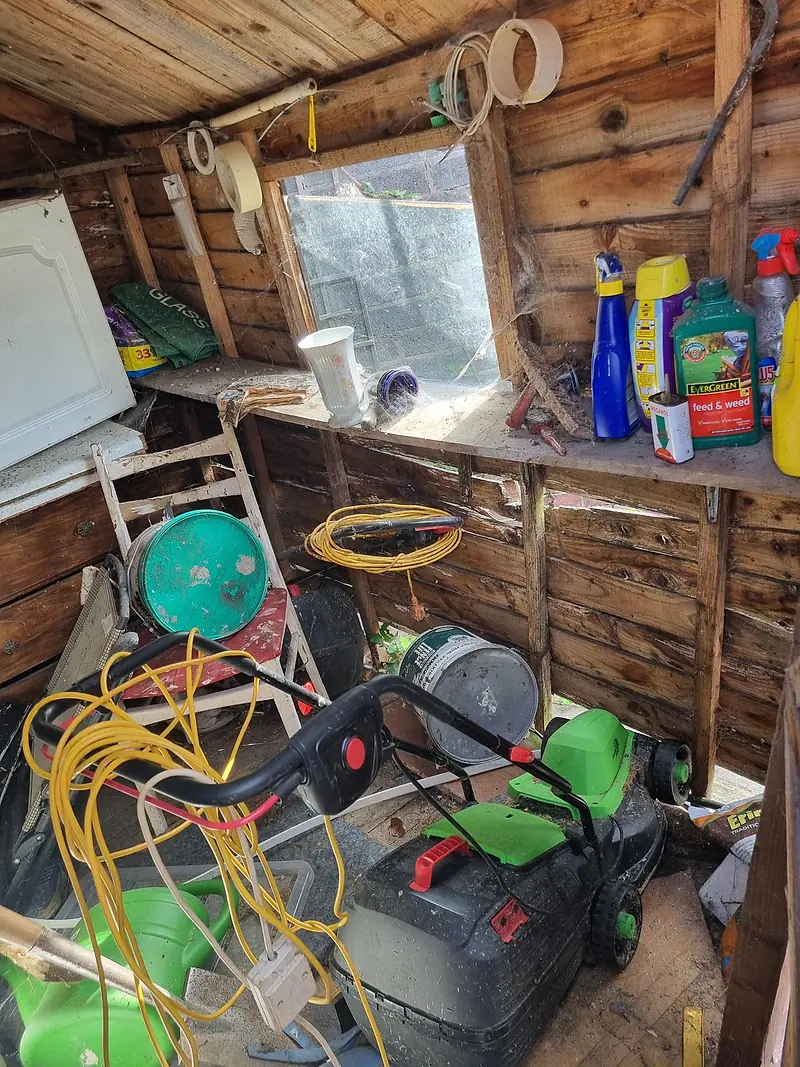
Sheds collect a very particular mix. These are the things we take out most often:
- lawnmowers, strimmers and hedge trimmers, working or not
- spades, rakes, shears and hand tools, often three of each
- bikes, scooters and sports gear the children grew out of long ago
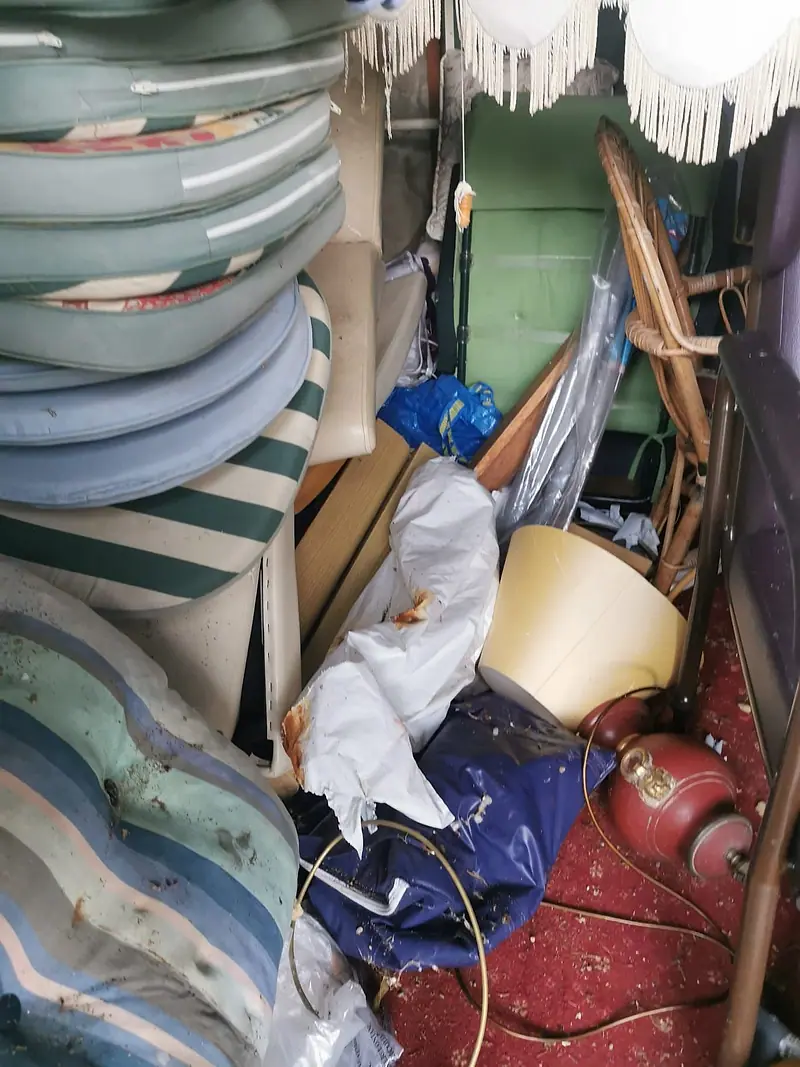
- folding chairs, parasols, cushions and old barbecues
- plant pots, seed trays, hoses and hose reels
- bags of compost and old grow bags, some of them solid
- timber offcuts, broken trellis and old fence panels
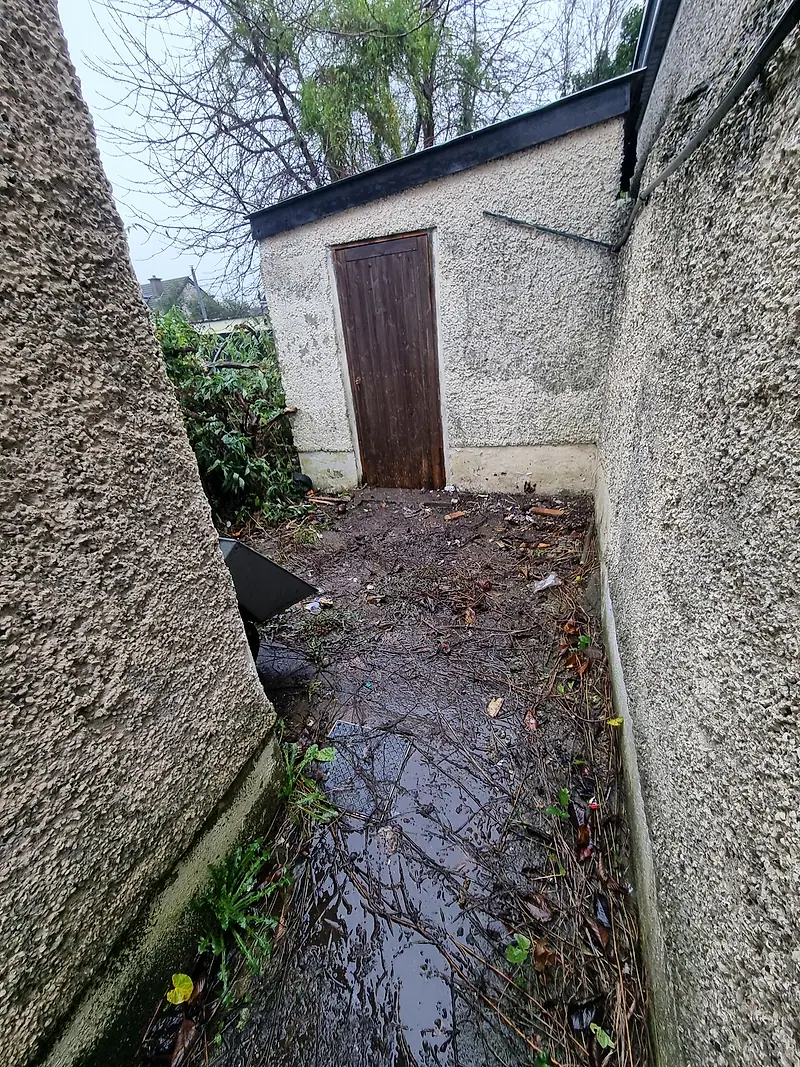
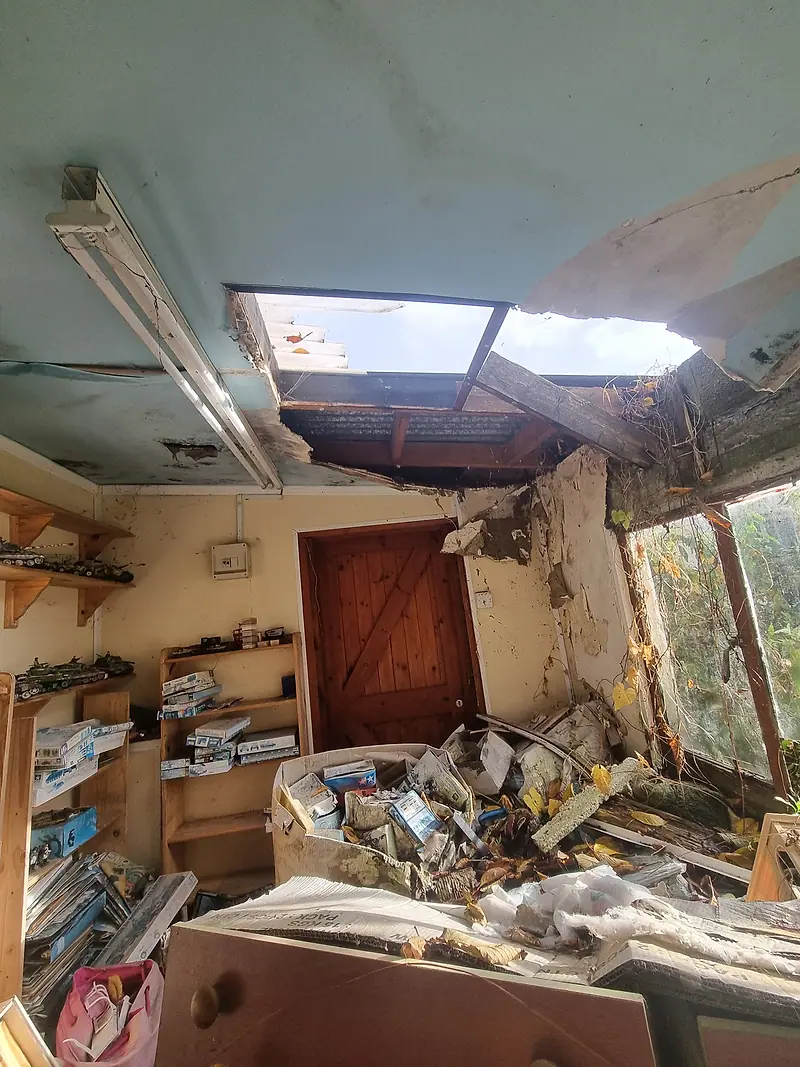
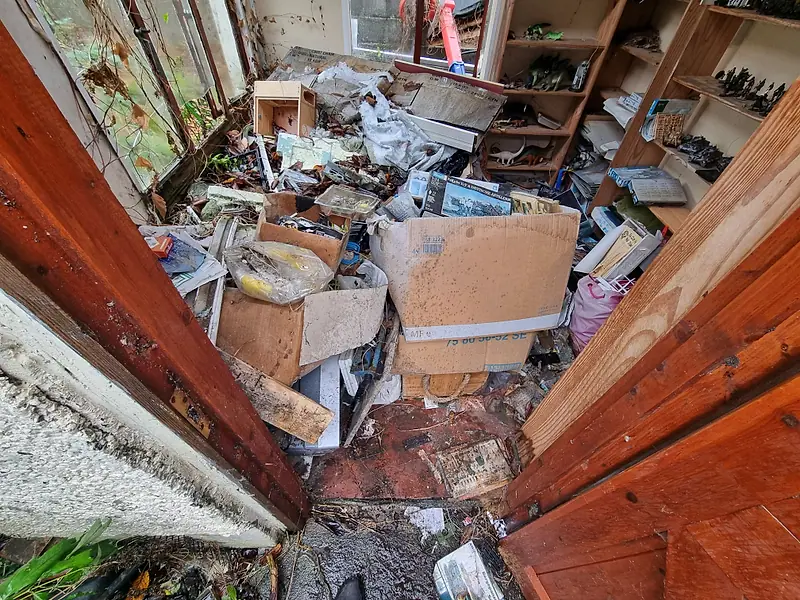
Damp is the other thing most sheds have in common. Cardboard boxes stored on the floor go soft, cushions get mildewed, and there's often evidence that mice have moved in over the winter. None of that puts us off. We wear gloves, bag anything damp or soiled as we lift it, and sweep out the debris at the end, so you're not left with a floor of shredded cardboard.
What we can take, and what we can't
Most of what's in a shed goes with us without any fuss. A few things we can't take, so please keep them back or mention them when you send photos.
| What's in the shed | What happens to it |
|---|---|
| Mowers, strimmers and hedge trimmers | Taken. Drain the fuel first if you can. Working ones are set aside for reuse, broken ones go for metal recycling |
| Hand tools, bikes and garden furniture | Taken, with anything in decent condition set aside for reuse where possible |
| Paint, wood stain, weedkiller, slug pellets and pesticides | Not taken. Take them to a civic amenity site or a hazardous waste collection |
| Fuel cans and barbecue gas cylinders | Not taken. Gas cylinders normally go back to the supplier |
| Old car batteries | Ask first. They're recyclable, but only through the right route |
| Roof sheets or panels that may contain asbestos | Not something we handle. A specialist contractor is needed |
We'll always be honest about what we can take. We can't take paint, solvents, oils or chemicals, and a civic amenity site is usually the right place for them.
Help with deciding what to keep
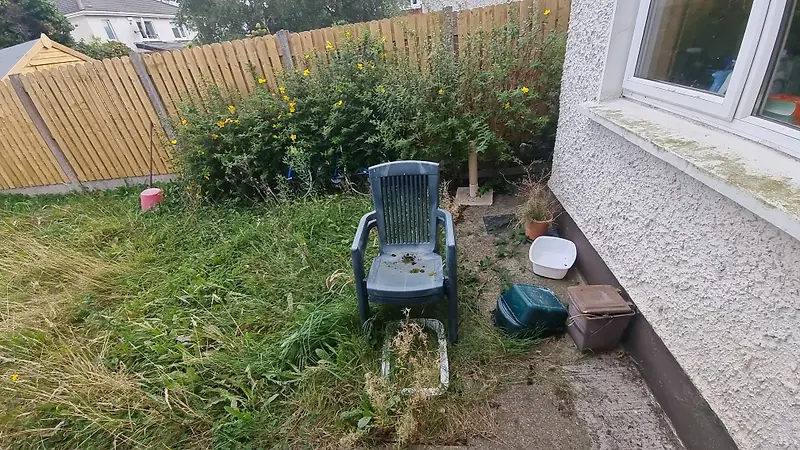
Sorting is the part most people dread, and it's where an extra pair of hands helps most. You don't need to have it all decided before we come. We take everything out onto the grass or the patio where you can see it, and you choose as we go.
A few rules of thumb that customers find useful:
- Keep one of each tool you actually use. The fourth trowel can go.
- Check the tools before you keep them. If the handle is split or the blade is rusted through, it's done.
- Be honest about the mower "for spares". If it hasn't been touched in years, it won't be.
- Outgrown bikes and toys are better off with another family than rusting in the corner.
- Leave space on the floor. A shed you can walk into gets used; one you have to unpack to reach the mower fills up again.
Once you've chosen, we put back what you're keeping, sweep the floor and leave the shelves usable.
Want your shed back? Take a photo through the open door and one of the route to the road, add your area, and send them on WhatsApp. You'll get a fixed price back, usually the same day.
When the shed is part of something bigger
A shed clear-out is often one piece of a larger job. If the garage is just as full, we can do both on one visit; see garage clear-outs, or clearing a garage before a conversion if the builders are coming. If there are hedge cuttings, old soil bags and broken pots around the shed, garden clearance covers the green waste.
When the shed belongs to a parent's home that's being cleared after a death, it's handled with the same care as the house; our bereavement clearance page explains how. For everything from the attic to the end of the garden, house clearance covers the whole property. And if you only have a pile of rubbish beside the shed, junk removal is the simpler option.
Price, timing and access
Every shed clear-out gets a fixed price, worked out from your photos and confirmed before we book. It depends on:
- How much is in there. A few rows of tools, or packed to the roof.
- Heavy items. Old mowers, workbenches and anything awkward to lift.
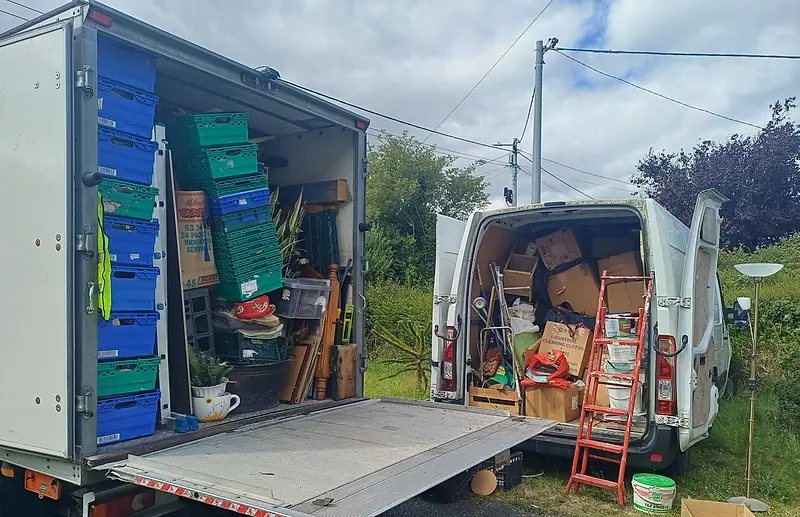
- The route to the van. A side gate and a driveway, or everything carried through the house.
- Sorting time. If you'd like to go through things with us, we allow for it.
With no side access, everything comes through the house. We put covers down on the floors from the back door to the front and carry carefully. Spotless is an authorised waste carrier, permit NWCPO-25-13287-01, and we're fully insured on every job.
Before the day
- unlock the shed, or leave the key somewhere we can find it
- drain or empty fuel from mowers if you can
- take paint, chemicals and gas cylinders out yourself, as we can't take them, and tell us about a wasps' nest
- move anything you know you're keeping to one side, or show us on the day
Our shed clearance guide has more tips if you'd like to tackle some of it yourself first.