
Stop paying for a unit full of things you don't need
Self-storage is meant to be temporary. A few months while you move house becomes a year, then three, and the monthly rent quietly adds up to more than the contents are worth. Clearing the unit is usually the moment people realise how much they've been paying to store things they haven't missed.
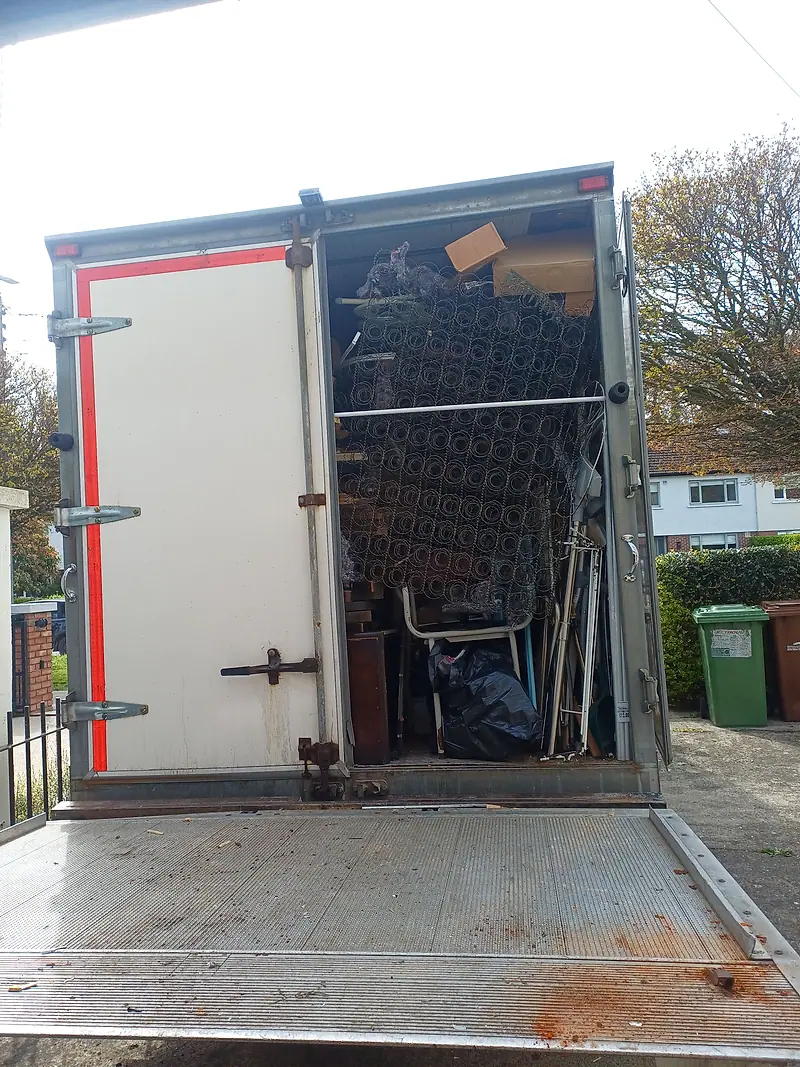
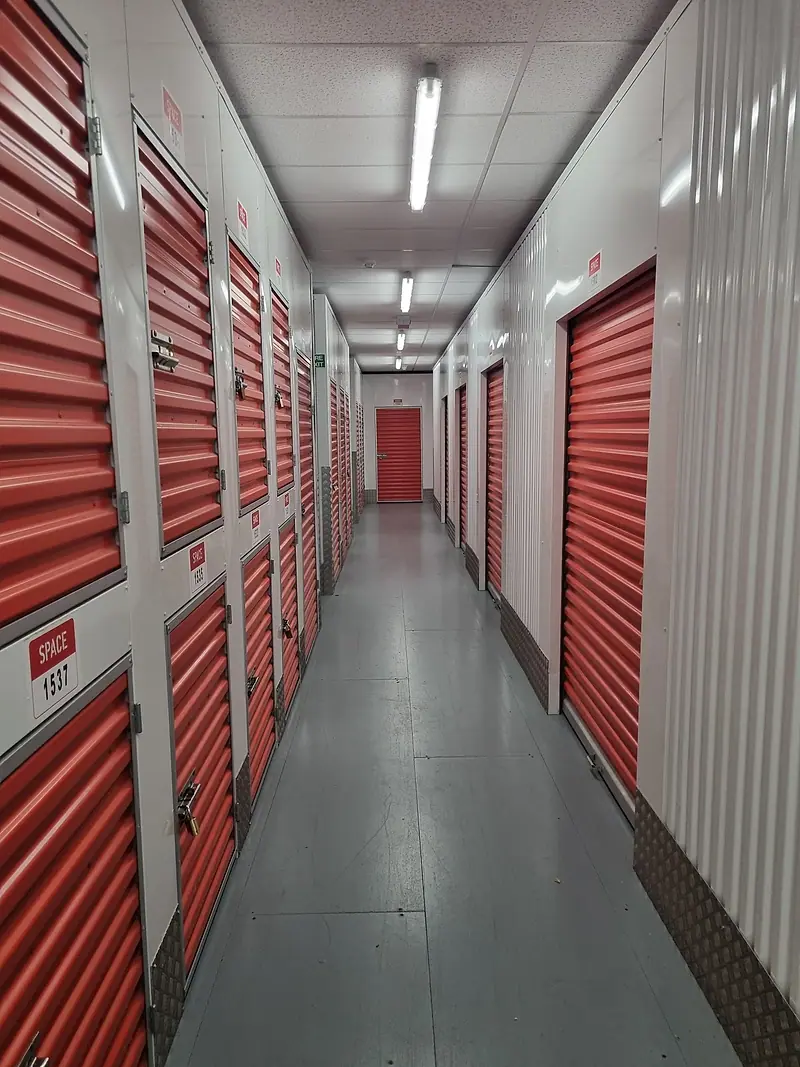
We empty storage units, usually in a single visit:
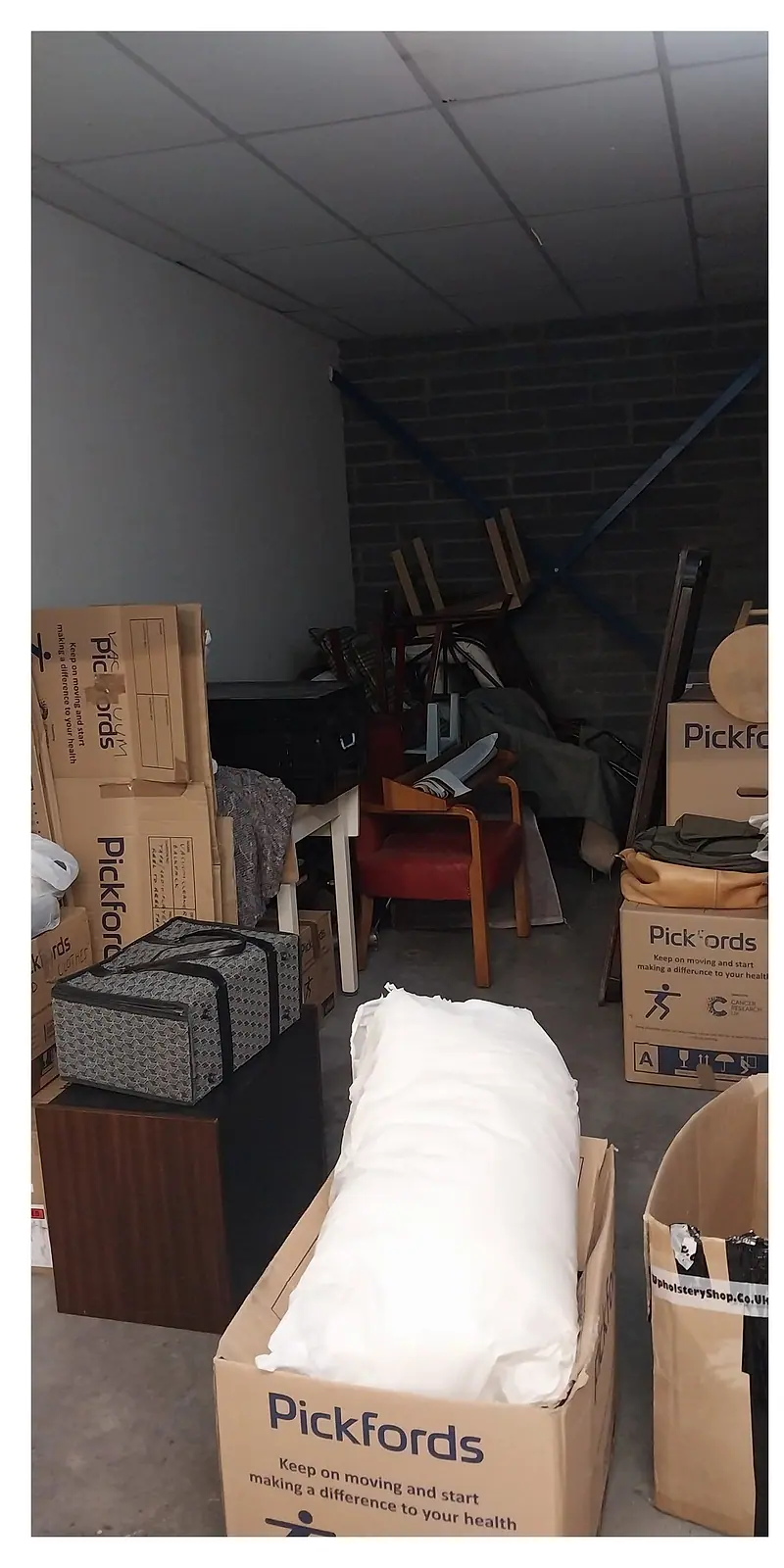
- One price, agreed first. Worked out from a photo of the open unit, and it stays the same on the day.
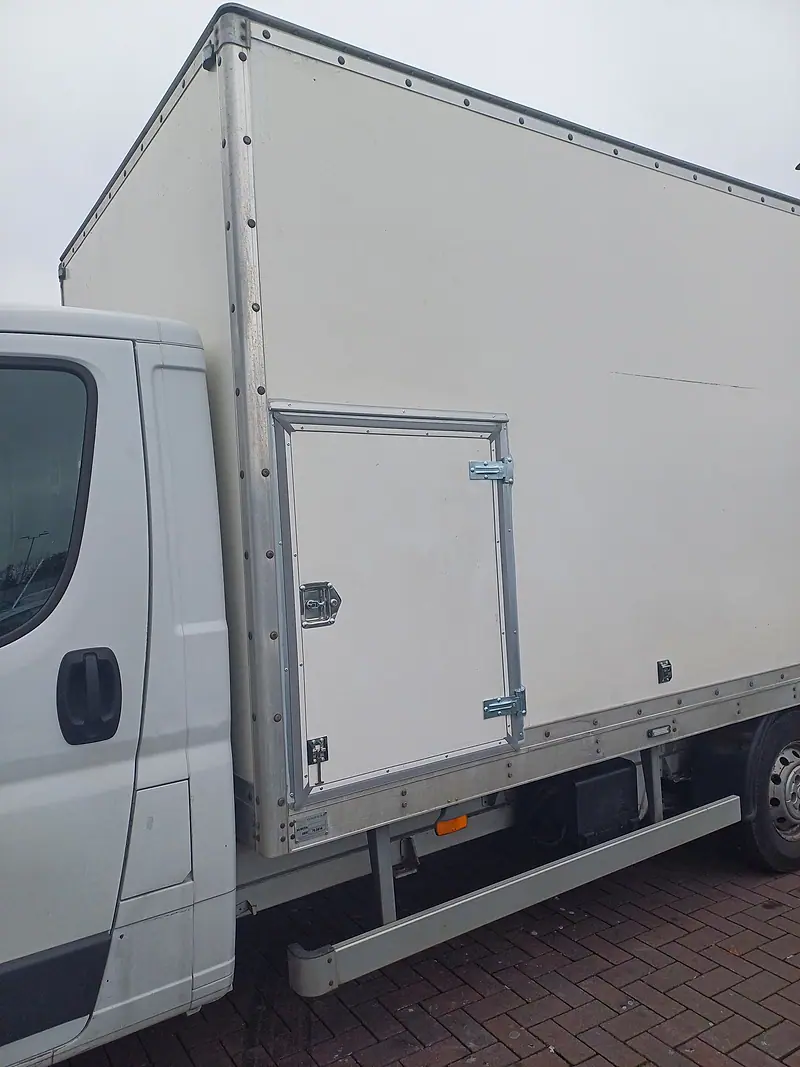
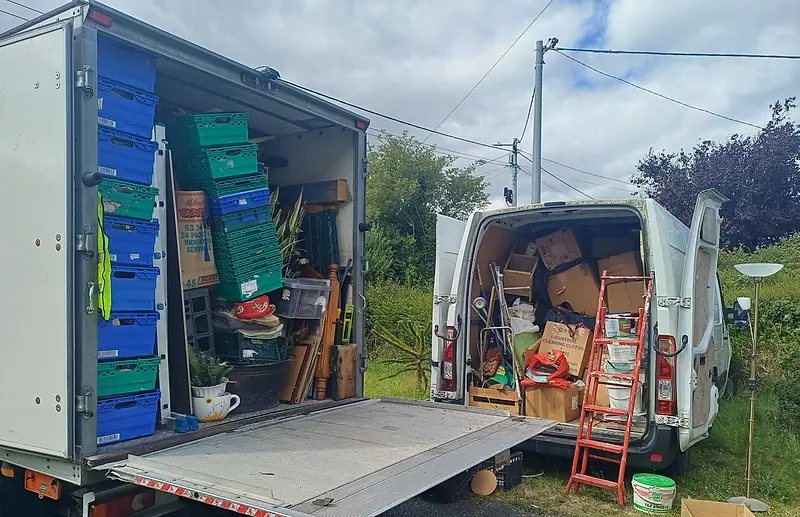
- One trip. We load the lot, so you don't spend weekends ferrying boxes in the car.
- Your keepers set aside. Tell us what's staying and we'll leave it boxed and ready, or put it to one side for you to collect.
- Boxes checked. Sealed boxes get opened, and paperwork, photos and anything personal gets handed back.
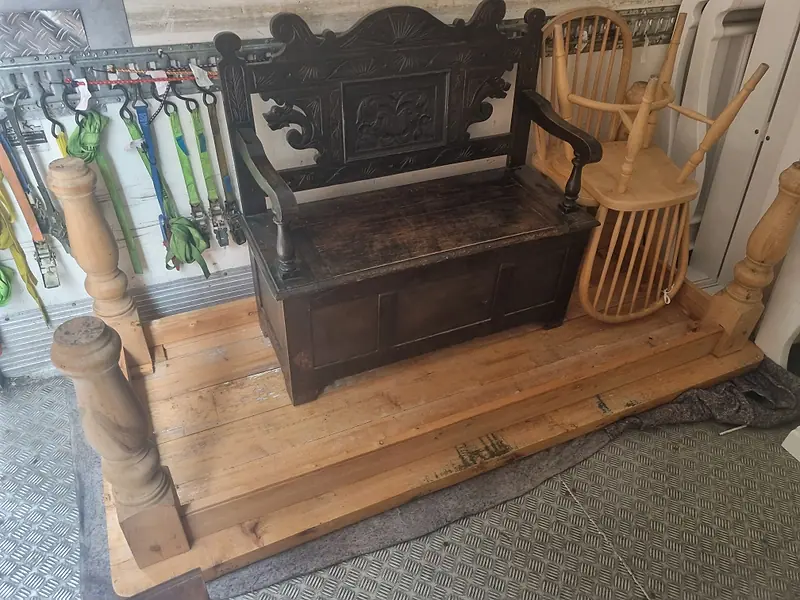
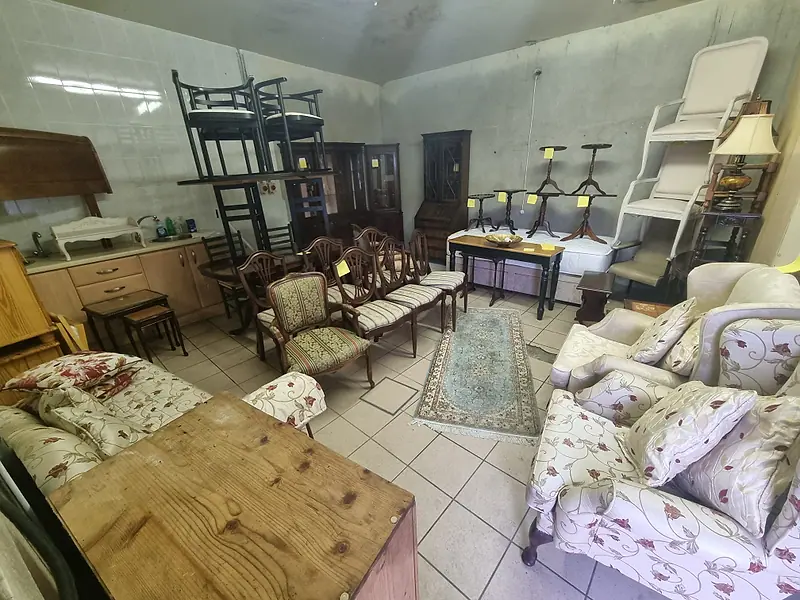
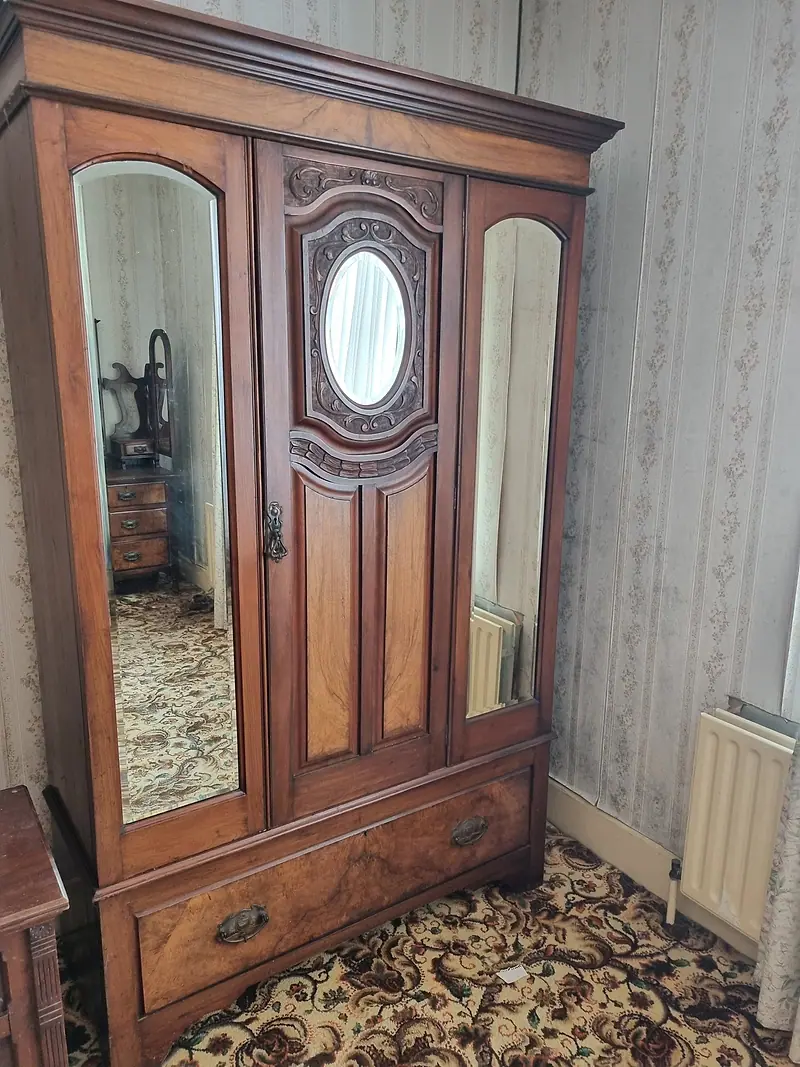
- Sorted, not dumped. Usable furniture kept back for reuse, metals and electricals recycled, the remainder to licensed facilities.
- The unit left empty and swept, ready to hand back to the facility.
What's included, and what isn't
Here's what the price covers, and the few things that sit outside it:
| Included | Not something we do | Mention it first |
|---|---|---|
| Emptying the unit, however tightly it's packed | Selling items or arranging an auction | Paint, gas bottles or chemicals |
| Opening and checking boxes as they come out | Valuing antiques or collections | Pianos, safes or machinery |
| Setting aside everything you're keeping | Cleaning the unit beyond a sweep | Kept items going to a home further away |
| Dismantling beds, tables and shelving | Negotiating fees or notice with the facility | Units with no lighting or no lift |
| Reuse, recycling and licensed disposal | Wiping old laptops or phones | More than one unit or site |
Facility access, opening hours and loading bays
Storage facilities all run slightly differently, and a bit of planning saves time on the day. When you contact us, it helps to tell us:
- Which facility and roughly which unit size. Ground-floor drive-up units are the quickest. Upper-floor units mean trolleys and a goods lift.
- Access hours. Some facilities open the gates only during office hours; others have keypad access later in the evening. Our working day runs from 8am to 8pm, Monday to Saturday, and we'll book a time that fits the facility.
- Loading bays. Many sites have a covered bay with a time limit or a booking system. If the facility needs it booked, ask them for a slot or let us know and we'll arrange it.
- Who's authorised. If you won't be there, the facility will usually need you to confirm in writing that we can access the unit.
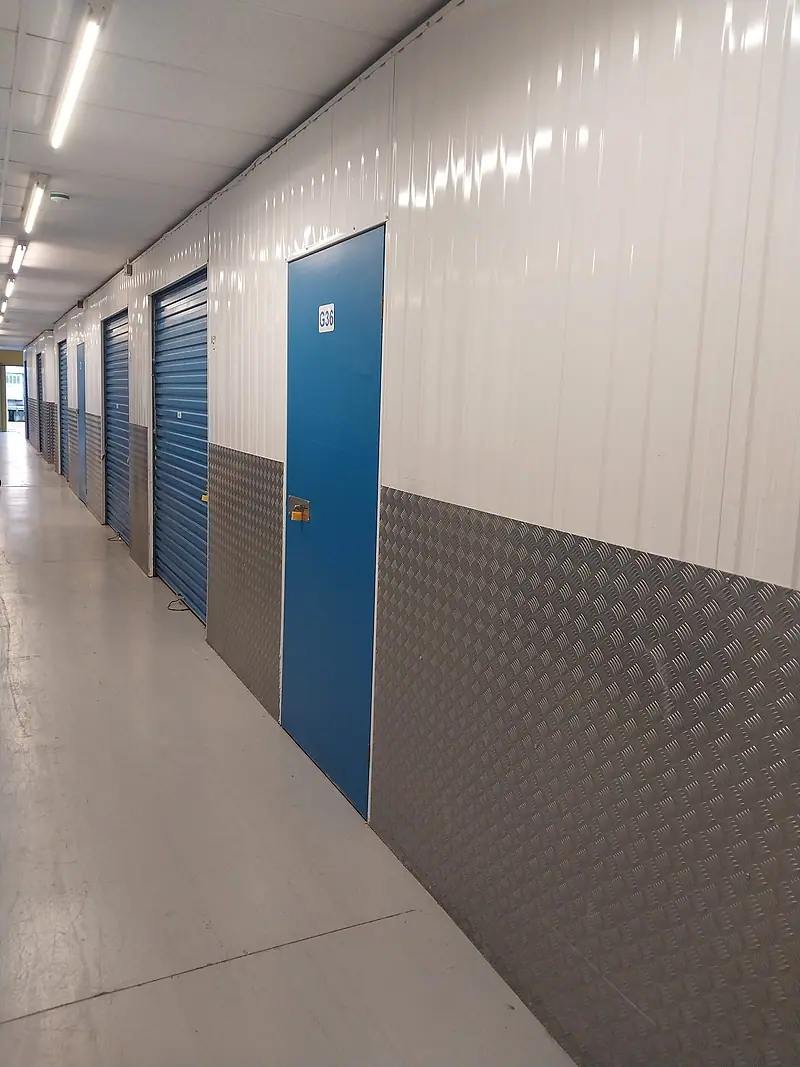
 spotless.ie
Unit sizes, and what usually fills them
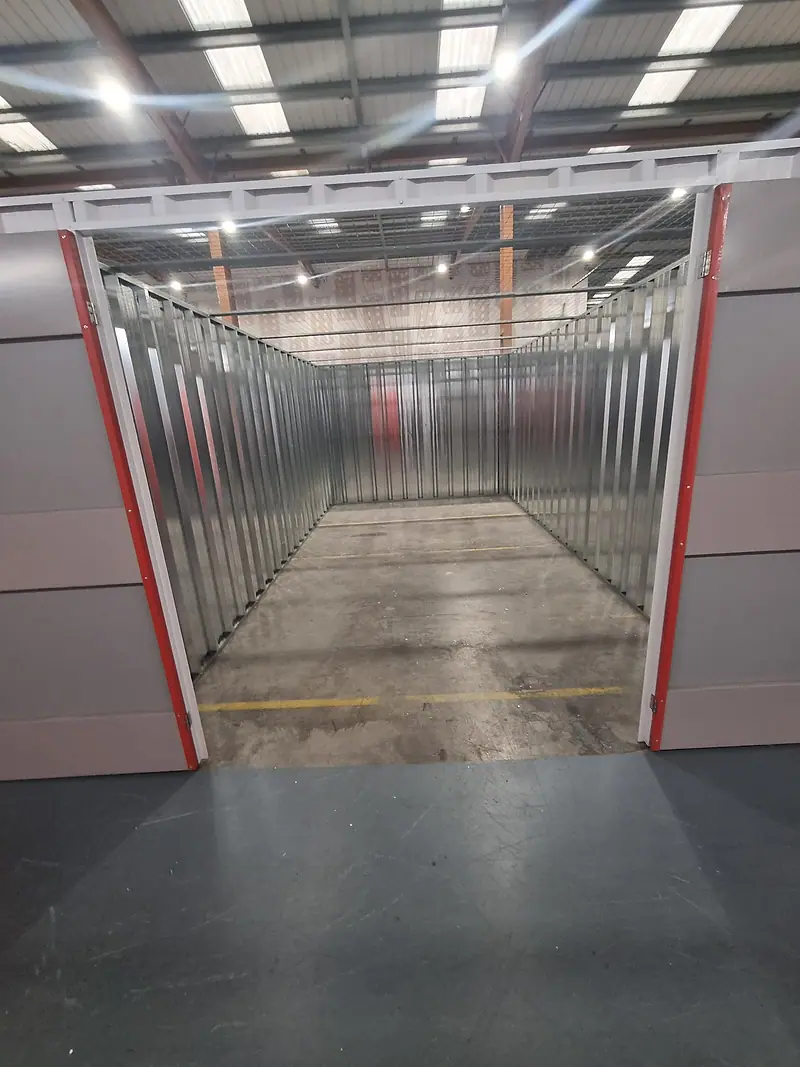
Facilities describe units in square feet, which is hard to picture. As a rough guide:
| Unit size | What it usually holds | What it usually means for us |
|---|---|---|
| Small locker (around 25 sq ft) | Boxes, suitcases, a bike, a few small pieces of furniture | A quick job, often combined with another collection nearby |
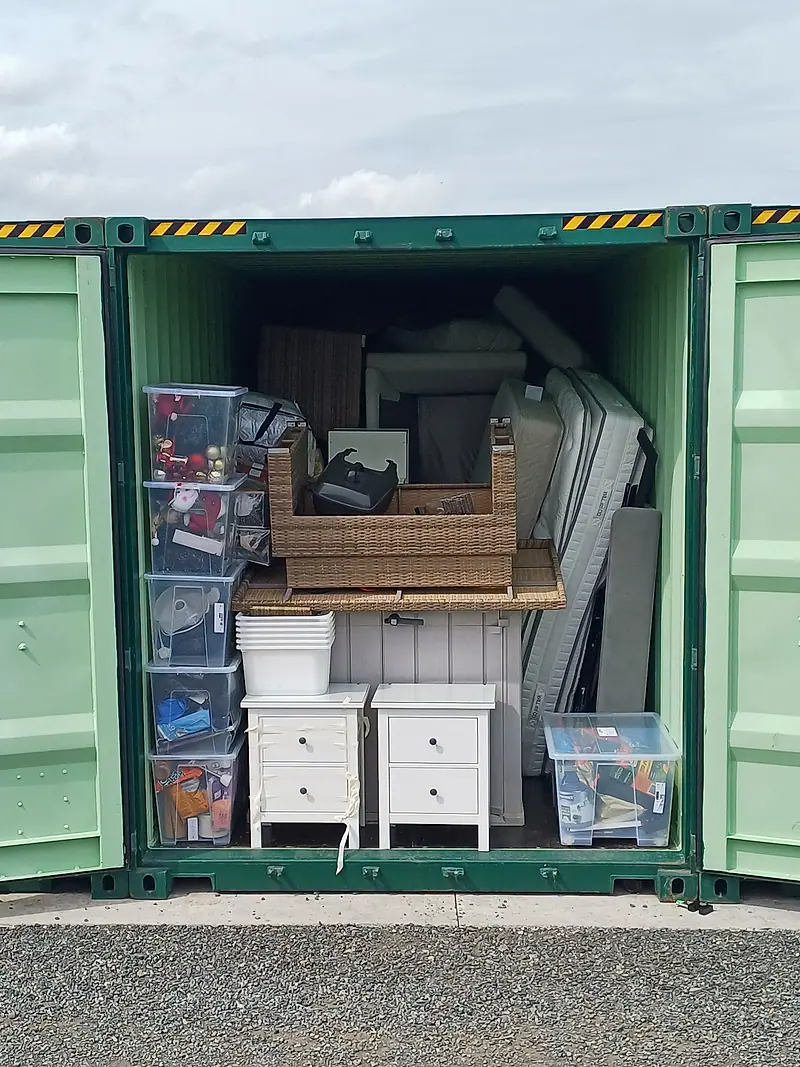
| Medium (around 50–75 sq ft) | The contents of a one-bed apartment: bed, sofa, boxes, small appliances | Usually part of a van load |
| Large (100 sq ft and up) | A family home's worth of furniture, white goods and boxes, or business stock and files | One or more full van loads, a bigger crew |
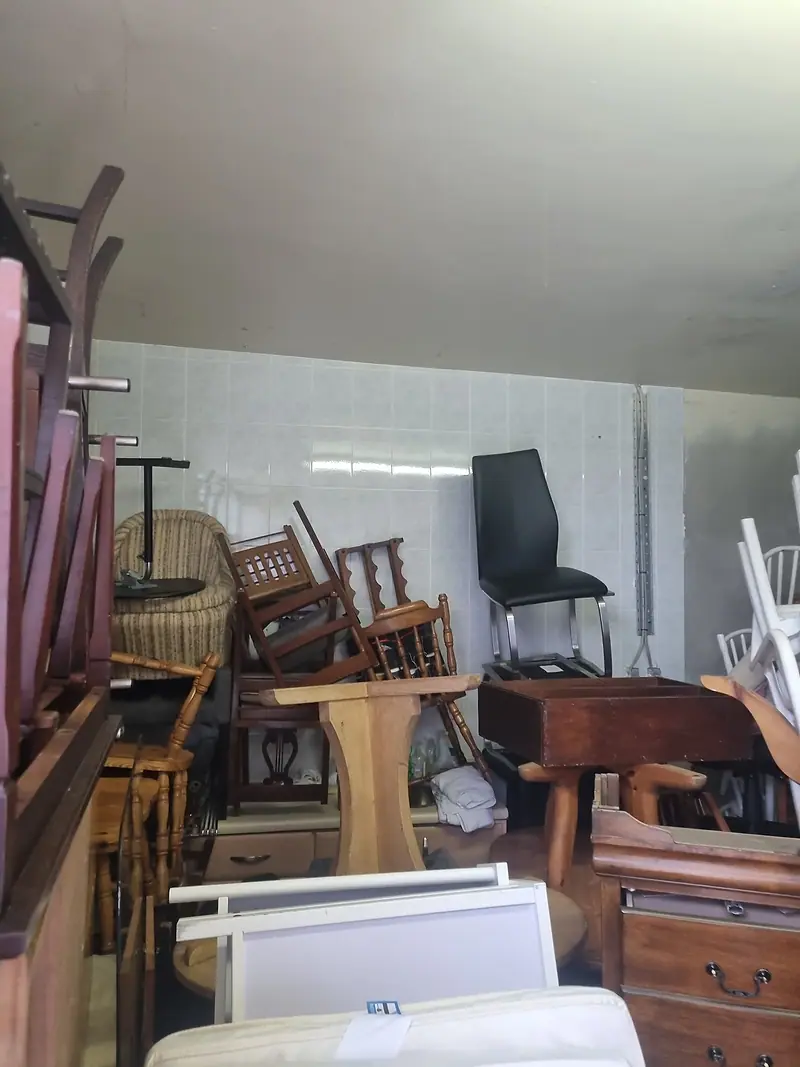
The real answer is in the photo. Units are often packed floor to ceiling at the front and half empty at the back, or the other way round, so a photo of the open door and a rough note of the size gets you an accurate price. If you can't get to the unit to photograph it, tell us what you remember and we'll give you a price range, then confirm it on the day before we start.
Want the unit gone before the next rent payment? Send a photo of the open unit and the facility's name on WhatsApp, and we'll reply with a fixed price, usually the same day.
Step by step on the day
- Sign in. We meet you, or reception, at the agreed time and sign in the way the facility asks.
- Check the list. Before anything moves, we go over what you're keeping, either with you or from the list and photos you sent.
- Trolley it out. Boxes and furniture come out to the loading bay in order, with your keepers kept apart from the start.
- Open and sort. Boxes are opened at the van. Papers, photographs and anything personal go in your pile; the rest is sorted for reuse, recycling or disposal.
- Sweep out. The empty unit is swept, and we send you a photo if you're not there.
- Hand back. The key, the code or your padlock goes back to you or to reception, and you tell the facility you've finished.
If you're moving out of the unit and taking half of it home with you, our page on self-storage clear-outs explains how we split the load.
How long it takes
Most units are cleared within a single visit. A small locker can take less than an hour once we're inside. A medium unit is usually a few hours, and a large unit packed with a house's worth of furniture can take most of a day, especially if it's upstairs and everything has to come down in the goods lift.
Quotes usually come back the same day, and we can often book you in within a couple of days of you accepting, which helps when the next rent date is close.
Keep, donate, dump: sorting the unit
Most units hold a mix of things: furniture from an old house, boxes of paperwork, children's things, appliances, and items nobody remembers packing. You don't need to sort it all yourself before we come. You can:
- Tell us the keepers in advance. Point them out in the photos, or list them, and we'll set them aside before anything else is loaded.
- Sort with us on the day. Come along for the first part of the job and decide as each box comes out. We work at your pace.
- Leave it to us. We open boxes as we go and hand back documents, photographs, jewellery, keys and anything that looks personal, and message you about anything we're unsure of.
Where the contents end up
Nothing from your unit is dumped. As the van is loaded, it's split three ways:
- Reuse. Sound furniture, boxed kitchenware, books and children's things in decent condition are kept back so they can be used again where possible.
- Recycling. Metal bed frames, appliances, electricals and the mountain of flattened cardboard boxes go for recycling.
- Licensed facilities. Damaged furniture, used mattresses and anything else that can't be reused or recycled goes to licensed waste facilities.
We're an authorised waste carrier, with waste collection permit NWCPO-25-13287-01, so you know who's taking your things and that they're going somewhere legal.
Clearing a unit on someone else's behalf
A good share of storage unit clearances are done for someone who can't do it themselves:
- Executors and families. A parent's furniture went into storage when the house was sold, or a unit turns up in the paperwork after a death. We take care with personal belongings and can split the job over two visits if the family wants time to look through things. Our guide to how bereavement clearance works covers the practical side of dealing with an estate.
- People living abroad. You moved, the unit stayed, and flying home to empty it doesn't make sense. With the facility's permission we clear it, send photos as we go, and keep in touch on WhatsApp.
- Businesses. Old files, display stands, stock and office furniture that outgrew the office. See office clearance if there's an office to clear as well.
- Landlords and agents. Contents moved out of a property into storage and never collected.
What it costs, and getting a quote
Each unit is priced on what's actually inside it. The main factors are:
- Volume: how full the unit is and how many van loads it adds up to.
- Access: drive-up versus upper floor, the distance from the unit to the loading bay, and the facility's time limits.
- Special disposal: fridges, freezers, mattresses and large electricals.
- Sorting: a unit you want gone in one go is quicker than one where every box needs to be checked and sorted.
Compared with hiring a van and doing several trips to a recycling centre yourself, one visit from us is usually the easier option, and the unit is empty in a single trip. If the unit holds just a few big pieces, furniture removal or junk removal may suit better. And if the storage unit is only part of a bigger job, such as clearing the house the contents came from, we can price both together; see house clearance.
Preparing for the clearance
- Ring the facility. Confirm your notice period, your last rent date and what they need to let us in.
- Get us on the authorised list if you won't be there yourself.
- Find the padlock key, or arrange with reception to have the lock removed beforehand.
- Book the loading bay or goods lift if the facility uses a booking system.
- Photograph the unit properly. The open door, the view in from the doorway, and the size label if there is one.
- List or mark your keepers, so they're the first things we set aside.
Our guide to emptying a storage unit covers notice periods, facility rules and the hand-back in more depth.
Storage unit clearances across Dublin and Leinster
We're based in Dublin and clear storage units in Dublin and all of Leinster, at indoor facilities off the M50, drive-up units on business parks and container yards in county towns. We're fully insured on every job, which most facility managers like to know before a contractor works in their corridors.