
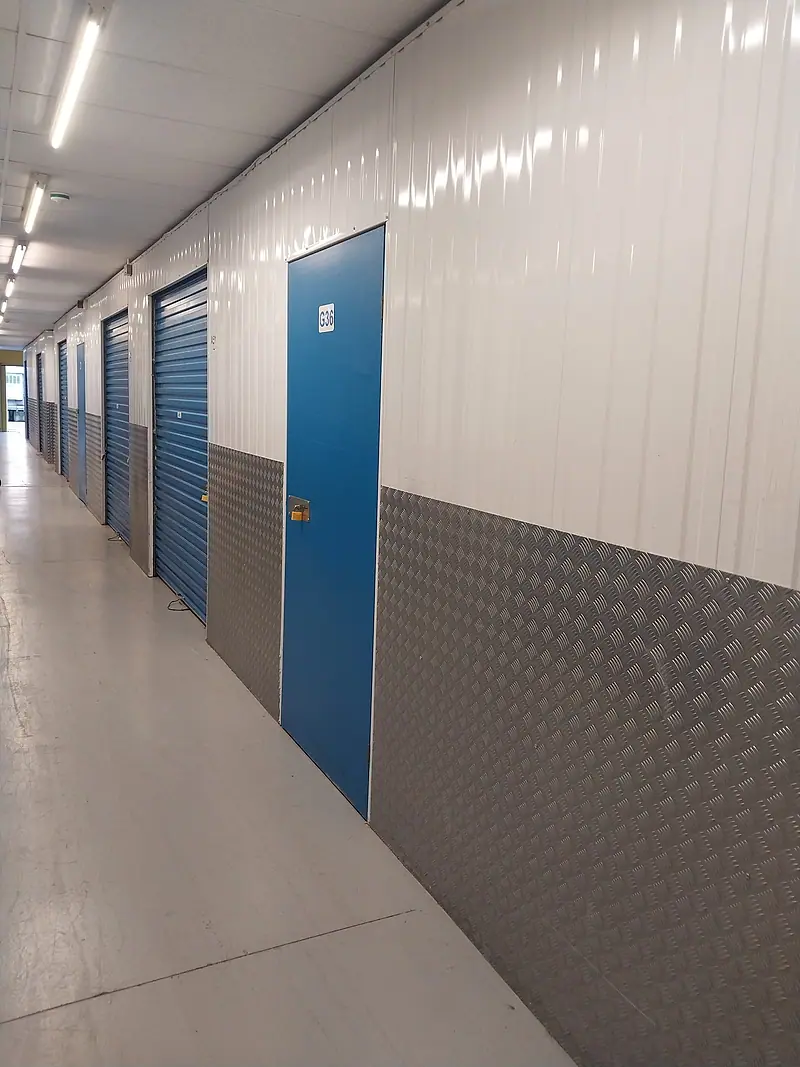
Start with your storage agreement
Before you book a van or a clearance, dig out the agreement or check your account online. It tells you most of what you need:
- Notice period. Many facilities want written notice before you leave. Miss it, and you may pay for another period.
- Billing dates. Time the clear-out before the next payment goes out, if you can.
- Who's named on the account. Usually only they, or someone they authorise, can access the unit.
- Access hours. Reception hours and gate hours aren't always the same.
- Move-out conditions. Most want the unit left empty, swept and undamaged, with your lock removed.
- Deposit. Check whether there is one, and what you need to do to get it back.
Give your notice in writing and keep a copy. Then plan the clear-out to finish a few days before the end date, so there's slack if something goes wrong.
Decide what you're actually doing
| Option | Good for | Watch out for |
|---|---|---|
| Empty everything and close the unit | A unit full of things nobody has missed | Leaving enough time to check boxes |
| Downsize to a smaller unit | Still needing some things stored | Two moves instead of one |
| Bring everything home | Having the space again after a move | Bringing the clutter with you |
| Keep a few things, clear the rest | Most units opened after a few years | Agreeing what "a few things" means |
Be honest about the last option. If you haven't needed something in the time it's been in storage, you probably won't need it at home either.
Sort at the unit, or somewhere else?
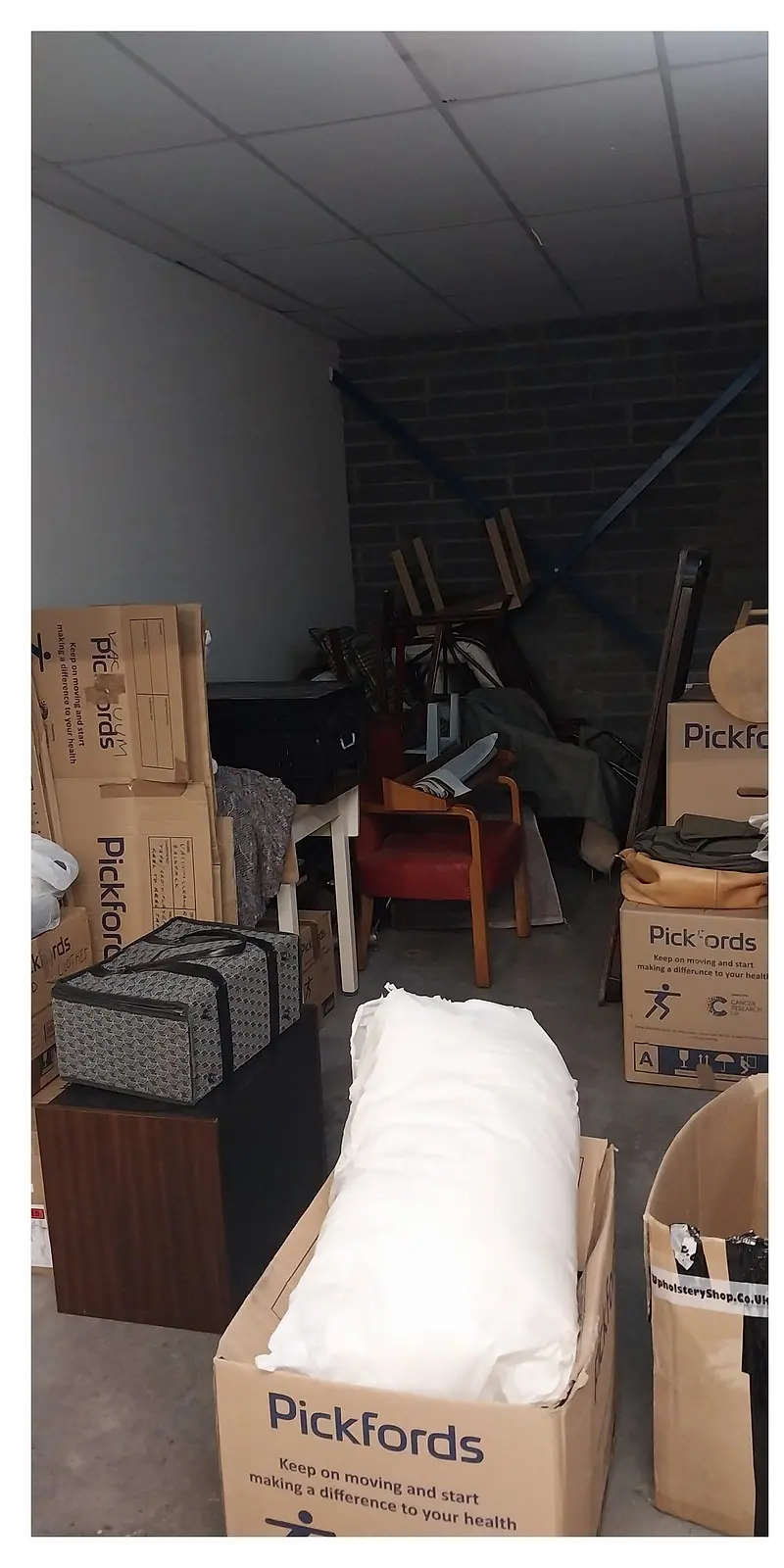
Sorting inside a storage unit is awkward. There's little room, poor light, nowhere to sit, and the facility may limit how long you can use the loading bay. You have two sensible choices.
Sort off-site. Bring everything home, or to a garage, and sort it there over a few days. This suits you if you have the space and want time with family keepsakes. The downside is moving everything twice.
Decide at the unit, quickly. Go once beforehand with a list. Open the boxes nearest the door and photograph what's deeper in. Decide on the big items in advance, so the clear-out day is about loading rather than deciding. Pick out the few boxes you want, take those home, and let the rest go.
Either way, open every box. Units packed in a hurry hold paperwork, photos and small valuables mixed in with the kitchen things.
 spotless.ie
Facility hours, access and loading
Storage facilities all run slightly differently. Ring ahead and ask:
- What are the access hours, and do they differ from reception hours?
- Is there a loading bay, and does it need booking or have a time limit?
- Are trolleys available, and is there a goods lift for upper floors?
- Is there a height limit for vans at the gate or in the loading area?
- What do they need from you if someone else will collect on your behalf?
Ground-floor drive-up units are the quickest to empty. Upper-floor units mean trolleys, corridors and lift trips, so allow more time, and more hands if there's heavy furniture.
What to bring on the day
- the key to your padlock, and the gate code or access card
- gloves, bags, a marker and a roll of tape
- a torch, as unit lighting is often poor at the back
- your phone, for photos of anything you're unsure about and of the empty unit
- a list of what you're keeping, so the decisions are already made
If you find paint, fuel, gas cylinders or chemicals in the unit, most facilities won't want them stored there anyway. Keep them upright and separate, and tell whoever is helping with the clearance before anything is loaded.
Want the unit gone before the next payment? Send a photo of the open unit and the facility's name on WhatsApp. We'll reply with a fixed price, usually the same day.
Clearing a unit for a relative
Storage units often turn up in the paperwork after a death, or belong to a parent who has moved into care. A few things to do first:
- Tell the facility. They'll need to know the account holder has died or can't manage it, and may ask for documents before giving access.
- Check with the executor. If there's an estate, the contents of the unit are part of it, and anything of value should be noted before it's cleared. Our guide to clearing a house after a death explains the executor's role.
- Allow time for keepsakes. Units often hold the furniture and boxes from a family home, put away when the house was sold.
- Ask about the rent. Find out what's charged while the estate is being sorted, so the clear-out can be timed sensibly.
If the family can't get there, our bereavement house clearance service can clear the unit carefully on your behalf, setting aside papers and photos as we go.
If you live abroad or can't get there
Plenty of units are rented by people who have since moved away. You don't necessarily need to fly home:
- ask the facility how to authorise someone else, usually in writing
- send whoever is clearing a list of anything to keep, with photos if you have them
- arrange for those things to be set aside for a named person to collect
- ask for photos of the empty unit before your notice date
Your last visit: the hand-back checklist
- Unit completely empty, including any shelving you added
- Floor swept, and nothing left in the corridor or loading bay
- Your padlock removed
- Dated photos of the empty unit
- Keys, cards or fobs returned to reception
- Notice confirmed in writing, with the end date
- Direct debit or standing order cancelled once the final bill is settled
When to get help
If the unit is large, upstairs or full of heavy furniture, or you're short on time, a clearance crew can do in one visit what would take you many car trips. Our storage unit clearance service loads the lot, sets aside what you're keeping and leaves the unit swept, ready to hand back.
For a few large items, furniture removal may be enough, and for bags of rubbish, junk removal. If the contents came from a house that also needs clearing, see house clearance, and for business files and furniture, office clearance. To see where it all goes, read what happens to furniture after a clearance, and for how prices are worked out, our house clearance cost guide.
