
The short answer
The cost of a house clearance in Dublin comes down to three things: the volume of contents, the effort of getting them from the rooms to the van, and the crew hours needed to do the job properly. A lightly furnished ground-floor flat and a three-bed semi with a packed attic, garage and shed are completely different jobs, so any price given without someone seeing the contents is a guess.
That's why we price from photos. You send pictures of each room, we work out the volume and the time, and you get a fixed price before anything is booked. The rest of this guide explains what goes into that figure, so you can judge any quote you get, ours included.
What goes into a house clearance price
Every clearance company weighs roughly the same things. These are the ones that make the real difference.
1. Volume: how many van loads
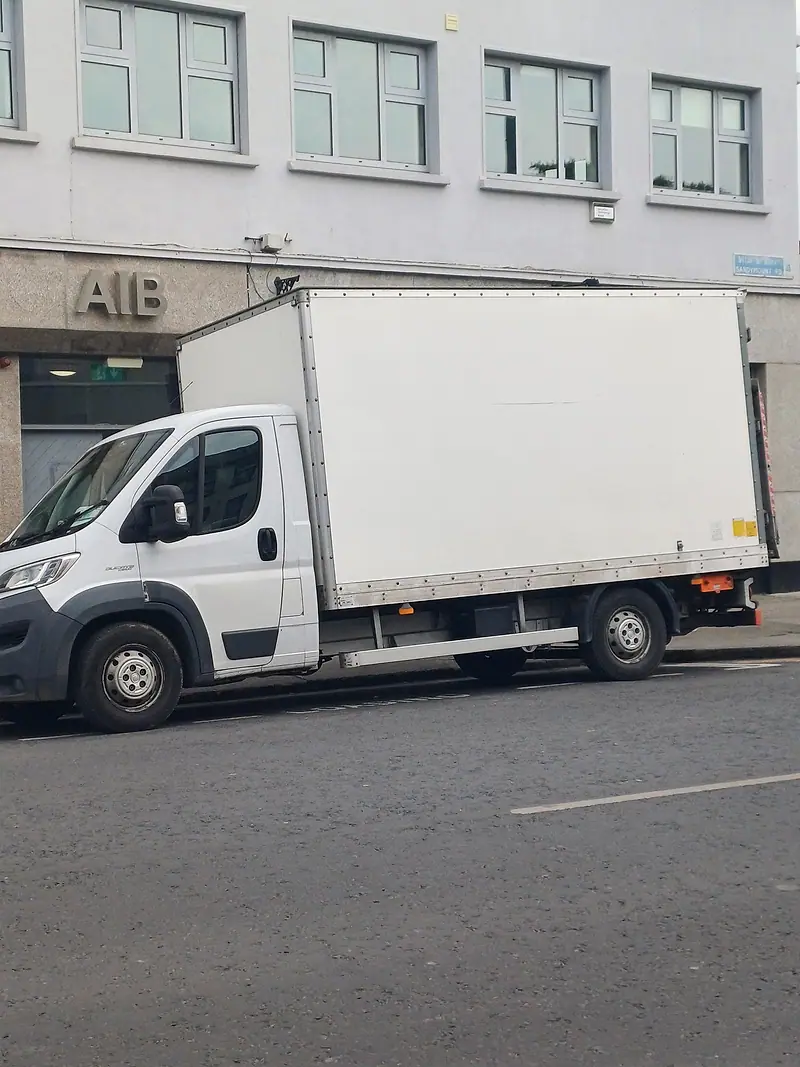
Volume is the biggest factor. We think in Luton van loads: how many trips it will take to empty the house. A tidy two-bed with modest furniture might fill part of one van. A family home lived in for decades, with full wardrobes, a dresser of china and an attic nobody has been up to in years, can fill several.
Two things catch people out. Attics, garages and sheds often hold as much as the rest of the house put together, and packed presses and wardrobes hide far more than a photo of the room suggests. Open the doors before you take the picture.
2. Access: stairs, distance and parking
A house where the van parks on the driveway and everything goes out through a wide front door is quicker to clear than:
- an upstairs flat with no lift, or a lift that has to be booked (apartment clearance has more on this)
- a Victorian terrace with a steep, narrow staircase and street parking only
- a shed at the end of a long back garden with no side access
- an attic with a pull-down ladder and no boarded floor
None of these is a problem; they just take more time and sometimes more hands. In Dublin, permit zones, clearways and apartment loading bays also affect how long the van can sit outside.
3. Labour time
Some clearances are straight lifting. Others need more care: every drawer checked for papers and photographs, a bereavement clearance done in stages, or a very cluttered home cleared at a slower pace (hoarder clearance). Taking wardrobes apart, dismantling a shed or carrying a piano all add time, and the quote reflects the crew hours.
4. Items that need special disposal
Some things can't go in with general waste and have their own disposal routes:
- fridges and freezers, which contain refrigerant gases and have to go for specialist recycling
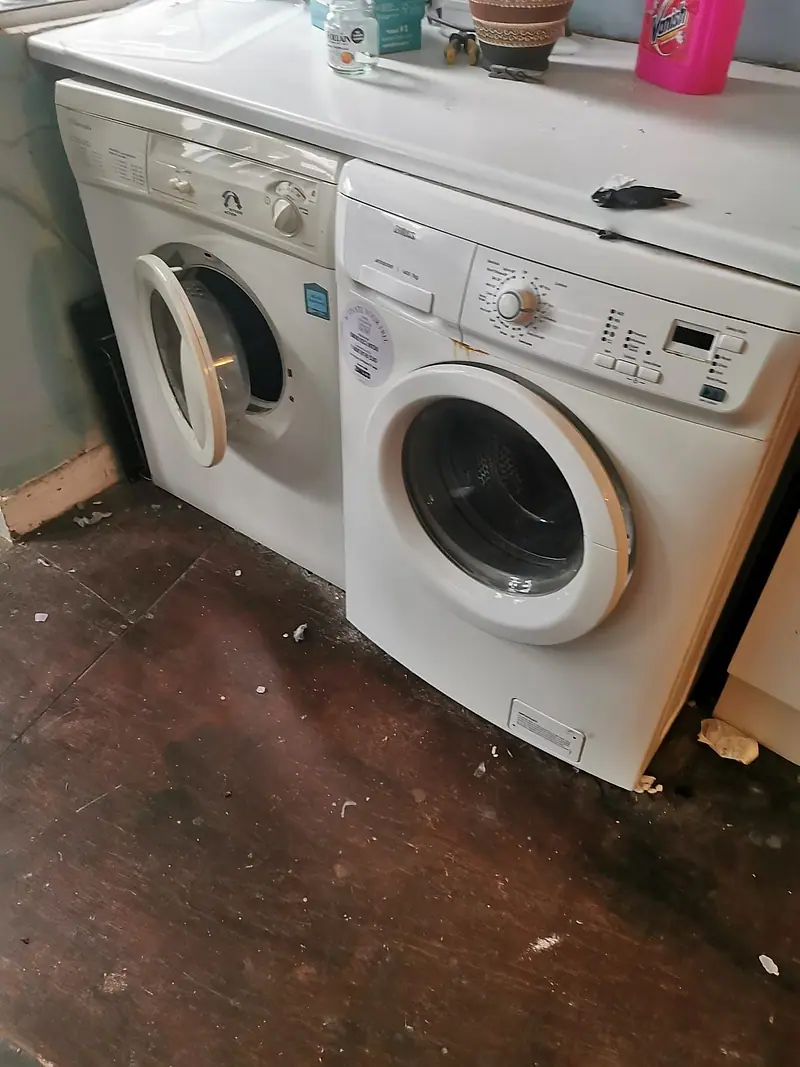
- electricals: TVs, washing machines, cookers, computers and anything with a plug or a battery
- mattresses, which are bulky and rarely reusable
- paint, oil and garden chemicals, which can't go into ordinary waste at all, so tell us about them in advance
A house with five mattresses, two fridge-freezers and a garage full of old electricals costs more to clear than one with the same volume of clothes and books.
 spotless.ie
5. Distance
Our crews set out from Dublin, and we cover Dublin and all of Leinster. A clearance in Wexford, Kilkenny or Longford means more time on the road for the crew and the van, and that travel is part of the price. Distance also changes how loads are planned: on a far-off job it pays to fill the van completely before each run, so the number of round trips stays as low as possible.
6. One visit or several
A clearance done in one go is the most efficient. A staged clearance, where the obvious rubbish goes first and the furniture follows once the family has had time to choose keepsakes, means extra visits. We price each stage up front so nothing is open-ended.
Two houses, two very different prices
Here's how the same factors play out on different kinds of job. These show how a price is built; they aren't quotes.
| The house | What pushes the price up | What keeps it down |
|---|---|---|
| One-bed apartment, ground floor, lightly furnished | Building rules on loading times, a fridge and a mattress | Small volume and a short carry: often part of one van and a few hours' work |
| Three-bed semi in a 1970s estate, with a full attic, garage and shed | Several van loads, everything from the attic carried down a ladder, a shed of tools and paint tins | Driveway parking and easy loading |
| Victorian mid-terrace in Dublin 6 or Dublin 8 | Steep, narrow stairs, wardrobes to take apart, permit parking, everything carried through the hall | Often less volume than a suburban semi |
| Farmhouse in Carlow or Kilkenny with outbuildings | Large volume, sheds and stores to empty, travel time | Plenty of space for the van right at the door |
Two semis on the same road can be miles apart on price: one needs a single van, the other holds forty years of contents and needs four. That's why we price from photos.
How to get an accurate quote from photos
A good set of photos gets you a price you can rely on. Here's what helps us most:
- Every room, from the doorway. One wide shot from the door, and a second from the opposite corner if the room is big.
- Inside the wardrobes and presses. What's behind the doors is often half the volume.
- The attic, garage, shed and garden. Even a quick photo from the top of the attic ladder tells us a lot.
- The awkward items. Pianos, safes, solid oak wardrobes, chest freezers, gym equipment.
- What's staying. Mark it with a sticker or tell us, so it isn't priced in.
- Access details. The floor, whether there's a lift, the stairs, and where a van can park.
- The Eircode. So we know exactly where the house is and can plan travel and parking.
- Your deadline. A handover date, a closing date or a tenant moving in.
A short video walk-through on WhatsApp works just as well, sometimes better.

Want a price for your house? Photograph each room, the attic and any shed, add the Eircode, and send it on WhatsApp. You'll get a fixed price back, usually the same day.
Why there's no price list
A "from" price covers the smallest possible job, and almost nobody's house is that job. A price per room ignores the fact that one bedroom is a bed and a locker while another is stacked with boxes. So we give one fixed figure for the whole job, and customers often mention in their reviews that we kept to it even when the clearance turned out bigger than expected.
Red flags in a cheap quote
A low price isn't always a bad price. But when one quote lands far below the others, the gap has to come from somewhere, and it usually comes out of disposal. Every permitted company pays to hand over mattresses, fridges, electricals and mixed waste at licensed facilities, so that cost sits inside an honest price. A figure that seems to leave it out deserves a closer look:
- No permit number offered. A collector without a permit has no facility fees to pay, because there's nowhere legal for them to bring your waste. That's how they can undercut. Ask for the number and look it up on the official register before agreeing anything.
- Cash, with nothing written down. Without the figure in writing (a WhatsApp message is enough), there's nothing to point to if the price creeps up on the day.
- A token amount for "anything, any time". Appliances and mattresses can't be handled properly for next to nothing, so a quote that treats them as free is telling you something.
- No business name. A phone number on a social media ad gives you no one to hold to account.
- An open-ended hourly rate. On a full house the hours run on, and the final bill is anyone's guess until the van has gone.
- No straight answer about where things go. A company that has actually costed reuse, recycling and disposal can explain each one.
The cheap quote that ends with your belongings in a lane is the most expensive option of all. Letters and labels in dumped bags lead investigators to the address they came from, and the person who handed the waste over can be liable for it. Our permit number is NWCPO-25-13287-01, and you're welcome to check it before you book.
Ways to keep the cost down
You don't need to do anything before a clearance, but if you'd like to reduce the volume and the time, these genuinely help:
- Take out what you're keeping first, or put it all in one room, so the crew isn't working around it.
- Sell or give away good pieces yourself. A clearance price is for removing things, not buying them, so furniture with real resale value is worth selling privately first.
- Let the delivery van take the old appliance. Retailers have to accept an old appliance at no charge when you buy a like-for-like replacement, and a shop that delivers will usually arrange to take the old one away. If a new fridge or washing machine is on the way anyway, that's one bulky item off the clearance bill.
- Don't carry it all downstairs yourself. It saves less than you'd think, and it's how backs get hurt.
- Show everything in the photos. A forgotten shed is the usual reason a job grows on the day.
If you've only got a few bags and a broken chair, a full clearance isn't what you need. Junk removal and furniture removal are priced to suit smaller loads.
What a fixed price should include
Whoever you book, check that the quote covers:
- Every room in your photos, along with any attic, outbuilding or garden space you want emptied
- Loading, transport and disposal, including fridges, mattresses and electricals
- Taking apart beds and wardrobes that won't come out whole
- Floors swept or vacuumed where needed once the rooms are empty
- The company name, its waste permit number and the agreed date
For what a clearance covers, from attic clearance to shed removal, read what a house clearance includes, and if you're tempted to do it yourself, see house clearance vs skip hire. House clearance in Dublin explains how the day runs, and our house clearance service covers the rest of Leinster.
