 spotless.ie

Clearing a house so it sells
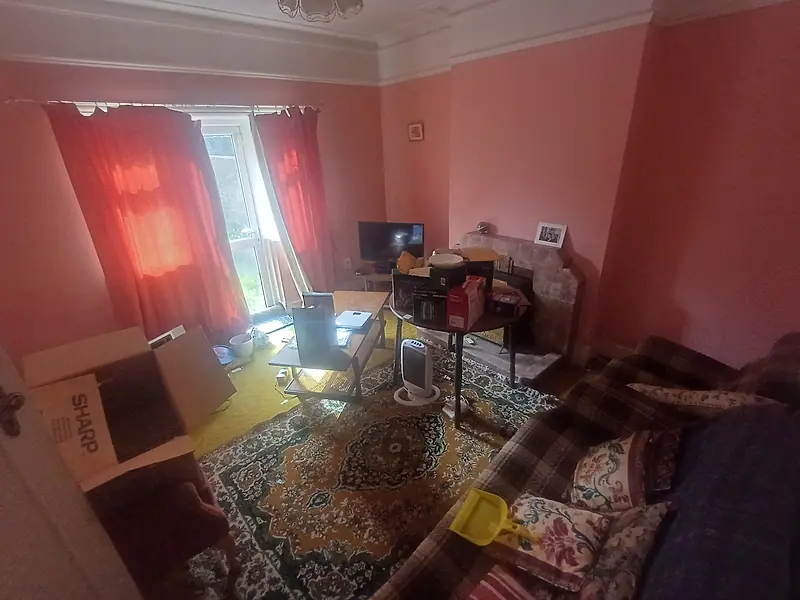
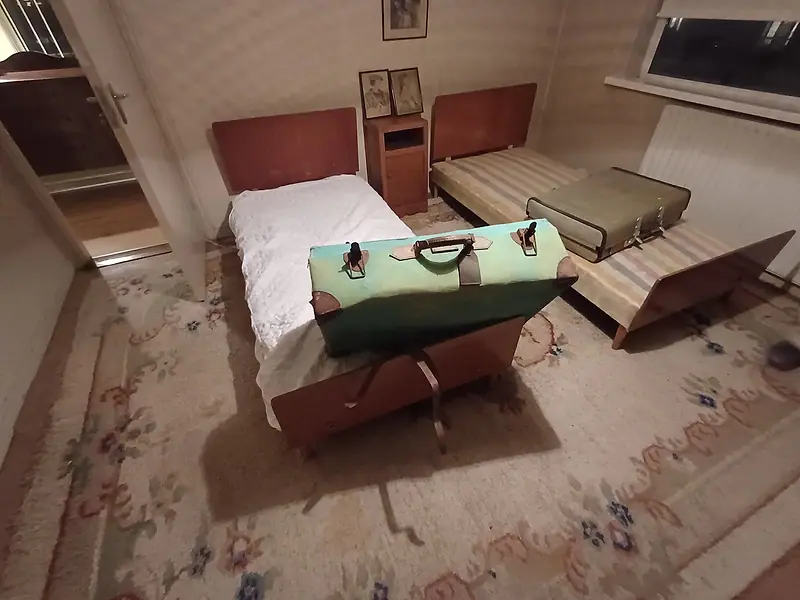
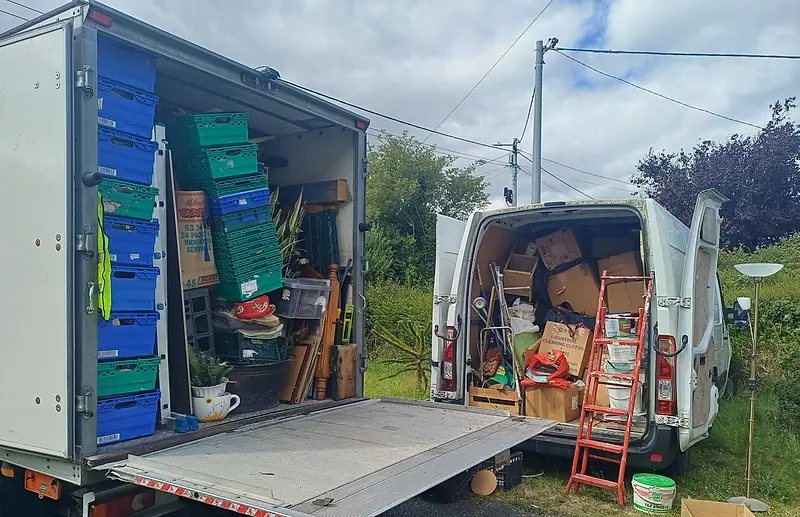
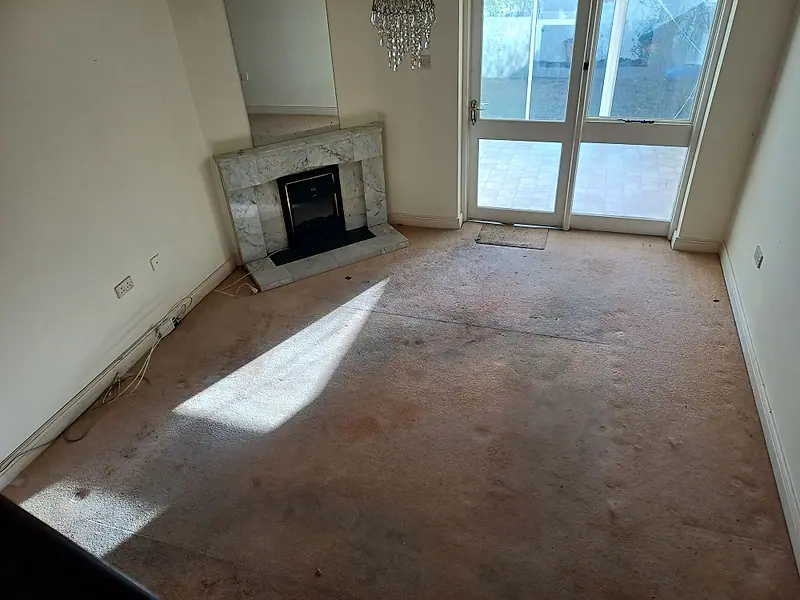
An empty, tidy house photographs better, shows better and gives the buyer's surveyor nothing to climb over. Our job is to get it there on the estate agent's timeline. This page is about selling. For the all-areas overview, see property clearance; for rentals between tenancies, see property clearance for Dublin landlords.
Most Dublin sale clear-outs start from one of three situations:
- You're selling your own home and moving somewhere smaller, abroad or in with family, and the rest needs to go.
- You're an executor selling a parent's house as part of an estate.
- You're a landlord selling a former rental, with the last tenant's leftovers and years of your own spare furniture.
Clearing to the estate agent's timeline
A sale has a rhythm, and the clearance slots into it at a few points:
| Sale stage | What the house needs | Where we come in |
|---|---|---|
| Valuation | Rooms visible, attic hatch and boiler reachable | An optional light clear of the hall and routes |
| Photos | Empty, or just a few chosen pieces | The main clearance, a few days before the photographer |
| Viewings | Nothing piled in the garage, shed or garden | Outbuildings and garden finished |
| Sale agreed | Full access for the buyer's surveyor | Attic and any leftover rooms, if not done already |
| Closing | Vacant possession, unless agreed otherwise | The last pieces collected, keys handed back |
Some sellers do everything in one go before the photos. Others prefer two trips: most of the contents before the photos, and the last few pieces of furniture after the sale is agreed. Both work, and both trips are priced together when you book.
Before the valuation: does it need to be empty?
No. An agent can value a house with everything still in it. But clutter hides the size of rooms and the condition of floors and walls, and an agent who can't reach the attic hatch or see the boiler has to guess.
If the house is very full, a short first visit to clear the hall, the landing and a route through each room makes the valuation easier and gets the clear-out moving. Anything personal or official we come across, such as letters, photographs, keys or bank papers, is kept aside for you.
Photos and viewings: empty, or a little furniture?
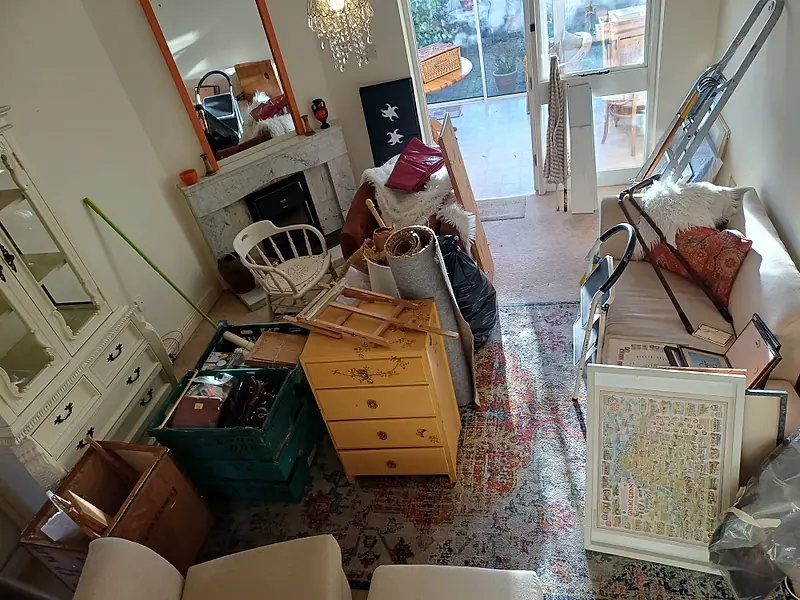
Agents differ on this, so ask yours. Completely empty rooms show off floors and fireplaces; a sofa, a table and a bed help buyers picture living there. Either way, the rest goes: the boxes, the extra chairs, the ornaments, the clothes in the wardrobes and the contents of the presses.
Don't forget the parts a buyer opens. Viewers look in the attic, the garage, the shed and under the stairs, and a packed loft or a garage you can't walk into makes them wonder what else has been let go. We clear all of it; see attic clearance and garage clearance.
Selling an apartment
Apartment sales bring a few extra jobs. The management company usually has rules about when the lift can be used for removals and where a van can load, so we check those before booking a day. Buyers and their surveyors will also look at the parts of the development that come with the unit, so clear the storage cage, the bike store and the parking space along with the flat itself. Our page on apartment clearance covers lifts, fobs and loading bays in more detail.
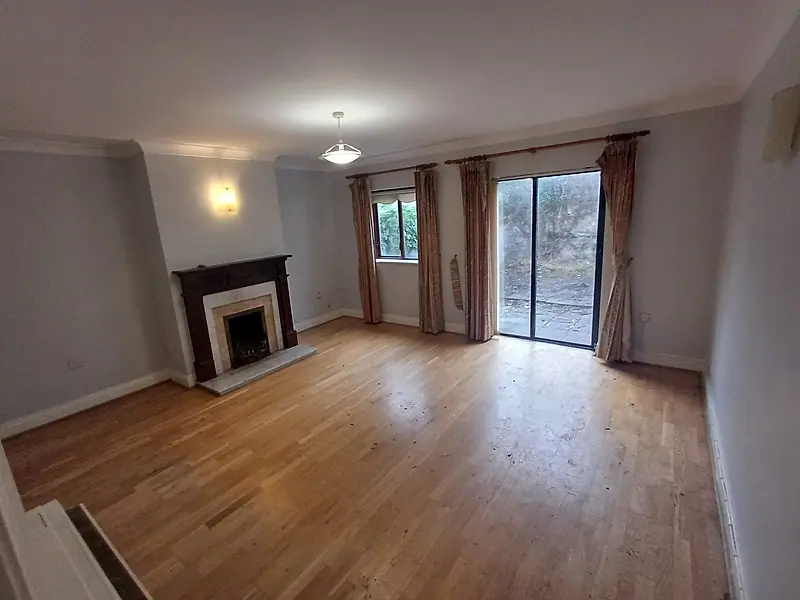
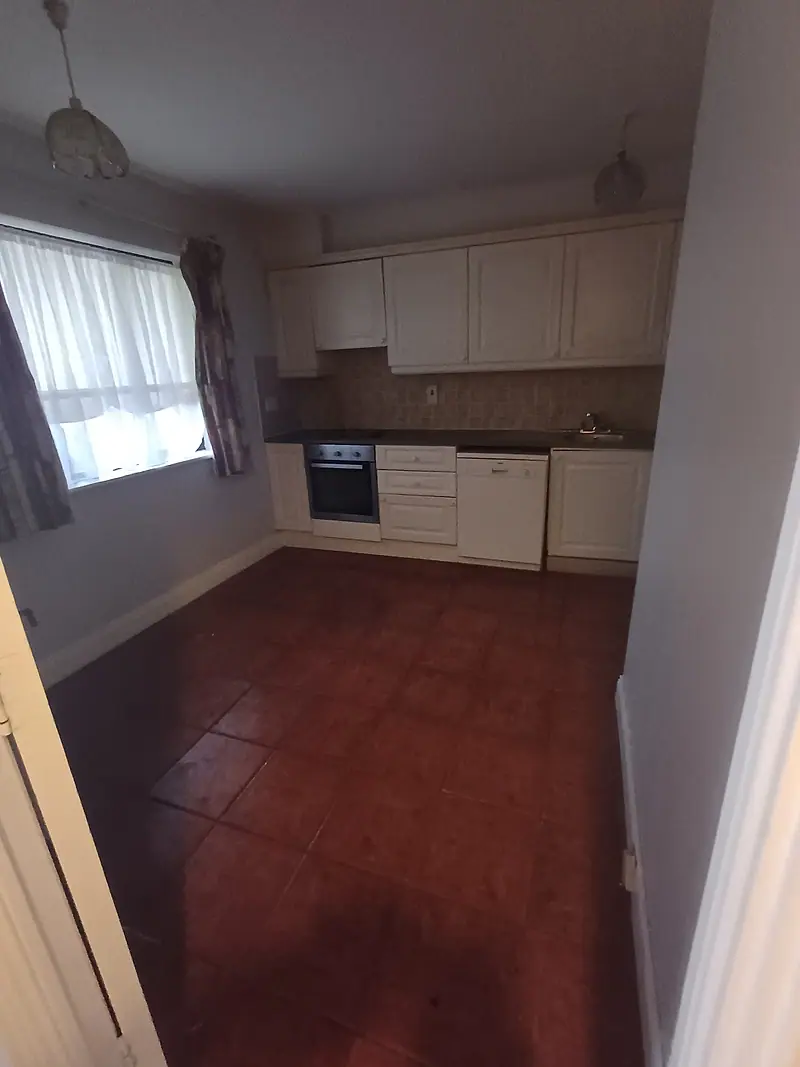
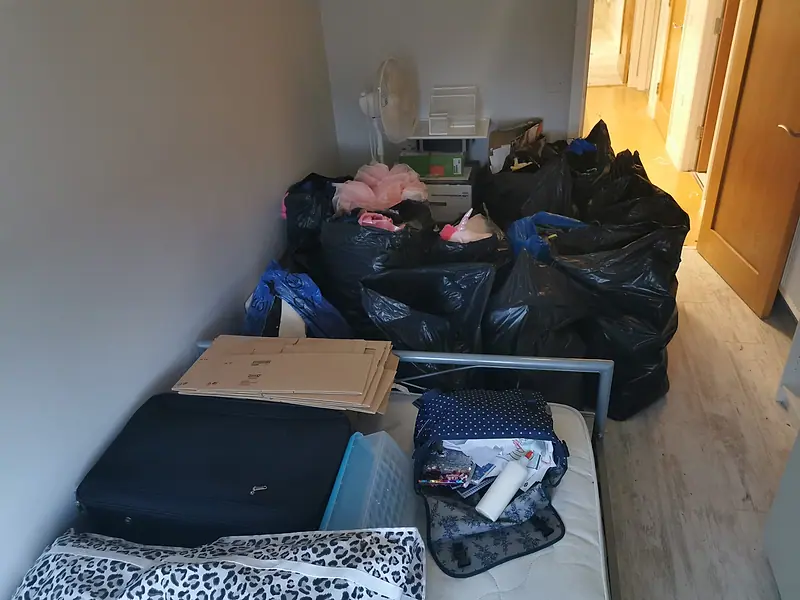
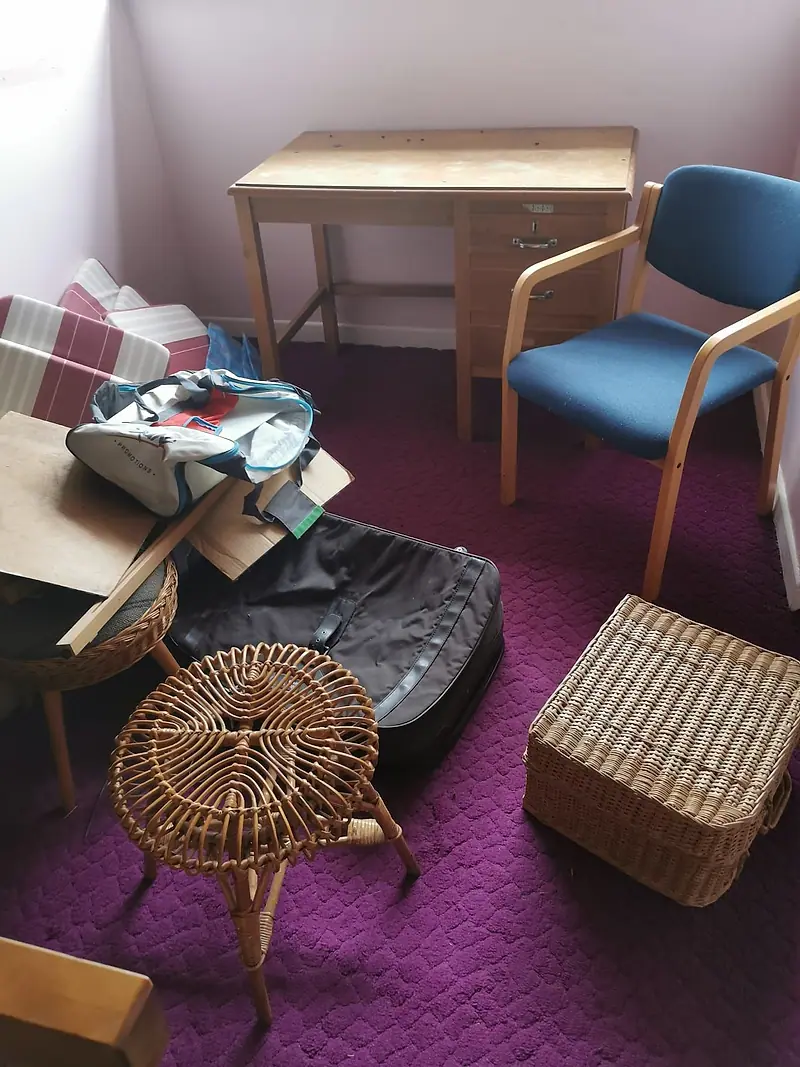
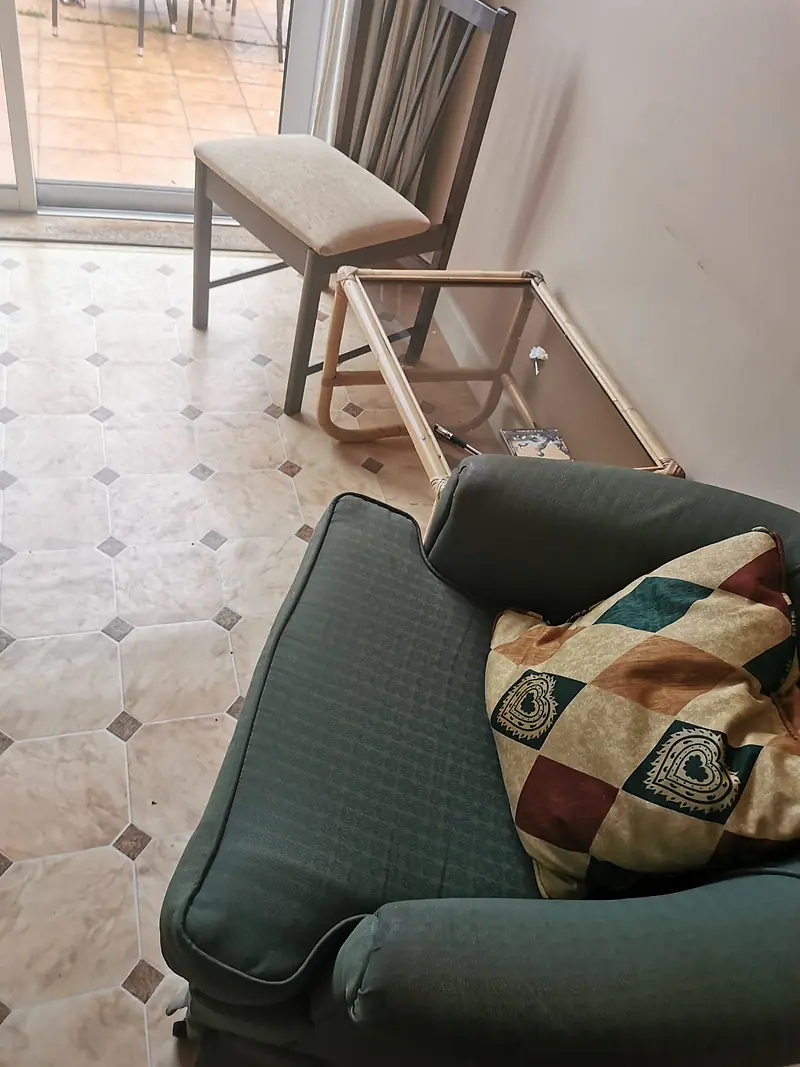
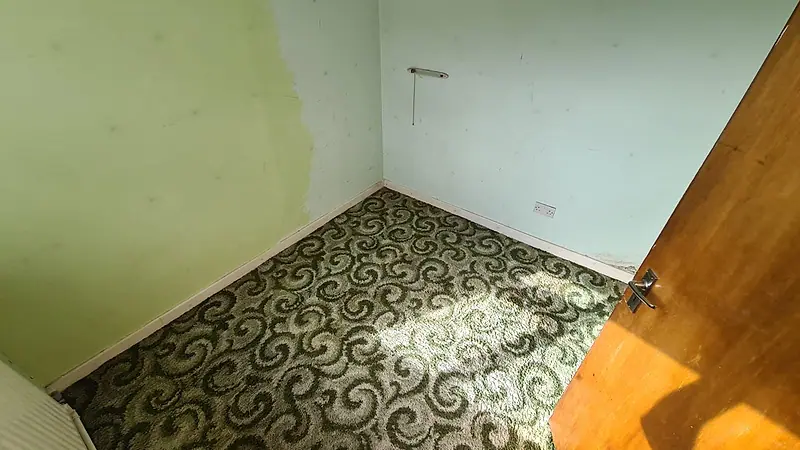
Selling in Dublin? Send photos of each room, the attic and any shed or garage, with the date the agent wants to photograph it. We'll reply with a fixed price, usually the same day.
Probate sales
If you're selling as an executor, the order of events is a little different. A house can often go on the market before the grant of probate issues, but in general the sale can't close until it has. This is general information, not legal advice, so check with the estate's solicitor what applies to you, and whether any contents need to be valued or listed before they go.
That gives you a window. A common pattern is to clear early so the house can be photographed and shown, leave anything the solicitor wants held back, and finish the last of it before closing. Our page on bereavement house clearance for executors and solicitors covers keys held by the solicitor, invoices addressed to the estate and timing around the grant.
If the house will stand empty for a while before it goes on the market, tell the home insurer, because many policies have conditions for unoccupied properties. Our page on the first weeks after a bereavement covers that and the other small jobs worth doing early.
Vacant possession on closing day
Most sales close with vacant possession: the house handed over empty apart from whatever the contract says stays, such as curtains, light fittings, white goods or a piece of furniture the buyer asked for. Your solicitor will confirm what's included. Odds and ends left in the attic or shed are a common snag when the buyer walks through before closing, so we check those spaces last.
- Anything agreed with the buyer left exactly where it is
- Attic, shed, garage, side passage and garden checked and empty
- Spare keys, appliance manuals and any post left together for you
- Floors swept or vacuumed, ready for the handover
Outside, and the carpets
If the outside looks tired, a clean driveway and patio make a real difference in the listing photos, and we do that too: see driveway cleaning and patio cleaning. If the carpets are staying, carpet cleaning is best done once the rooms are empty. Our guide on preparing a property for sale puts all the jobs in order.
Pricing a sale clear-out
The price comes from your photos: how much there is, how easy it is to get things to the van (stairs, apartments, parking on a busy road), and anything that needs special disposal, such as fridges, freezers and mattresses. If you'd like two trips, tell us and we'll price both together.
Spotless is an authorised waste carrier (permit NWCPO-25-13287-01) and fully insured on every job. Everything is sorted for reuse, recycling or licensed disposal, so nothing from the house ends up dumped somewhere with your name attached to it.