
Clearing a house on behalf of an estate
Most bereavement clearances are booked by family. Some are booked by the people acting for the estate: the executor or administrator, the family solicitor, or the estate agent handling the sale. This page is written for them, and for families who want to understand how those roles fit around the clearance.
What you need from a clearance company is a little different. You need instructions followed to the letter, a fixed price you can put in front of the executor, a record of what was done, and a house handed over on time. For the family-facing side of the same work, see our bereavement house clearance page.
Who we deal with, and what each needs
| Who | What they usually need from us |
|---|---|
| Executor or administrator | A fixed price to approve, the final say on what stays, and the papers we find |
| Solicitor | Assurance nothing of possible value goes until it's cleared to, careful handling of keys, and an invoice in the right name |
| Estate agent | The house empty and tidy in time for photos, viewings or closing |
| Family members | Time to choose keepsakes before the clearance date |
We take instructions from one person, usually the executor or the solicitor on their behalf, and confirm them on WhatsApp or by email, so there's a written record of what was agreed.
Before or after the grant: ask the solicitor
Whether to clear before or after the grant of probate (or letters of administration, where there's no will) is the executor's decision, ideally made with the solicitor. What follows is general information, not legal advice, but these are the situations that come up most:
- Clearing before the grant is common when the house was rented and must be handed back, when an empty house is hard to keep an eye on, or when the family wants the property ready for sale the moment the grant issues.
- Waiting until after can make sense when the contents include things of real value, when family members disagree about belongings, or when the solicitor wants a full picture of the estate first.
- A staged clearance sits in between: plainly unwanted items cleared now, and anything that might matter to the estate held back until the solicitor says it can go.
Either way, we fit the dates around the solicitor's timeline rather than the other way round.
If the home was rented
When the person rented from a private landlord or the local council, the estate usually can't wait for the grant before the keys go back. Ask the landlord or council early what notice applies and what condition they expect the property in; for a private let, the Residential Tenancies Board is a sensible place to look for general information, and the solicitor can confirm the position for the estate. Give us the handover date and we'll clear in time, with anything the executor needs kept set aside first.
If the house will stand empty
An empty house needs looking after while the estate is settled. Tell the home insurer it's unoccupied, and check what the policy expects, such as regular visits or the water turned off.
Contents that may need valuing first
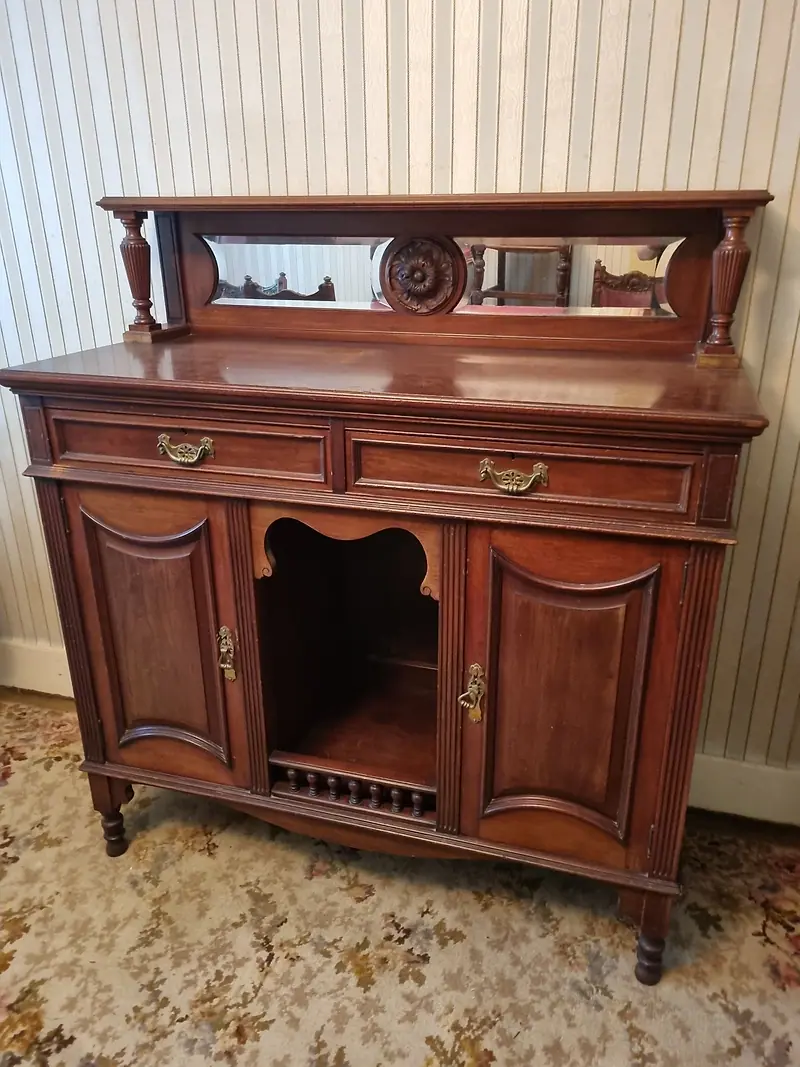
Most household contents have little resale value. Some things, though, may need to be listed or valued for the estate before they leave the house: jewellery, watches, paintings, silver, antique furniture, coin or stamp collections, and a car in the drive.
We don't value or buy contents. If the solicitor or executor wants something looked at, have it valued before we arrive, or tell us to leave it where it is for the valuer and we'll clear around it. Anything we come across during the clearance that looks as if it might have value is set aside and reported to whoever is instructing us.
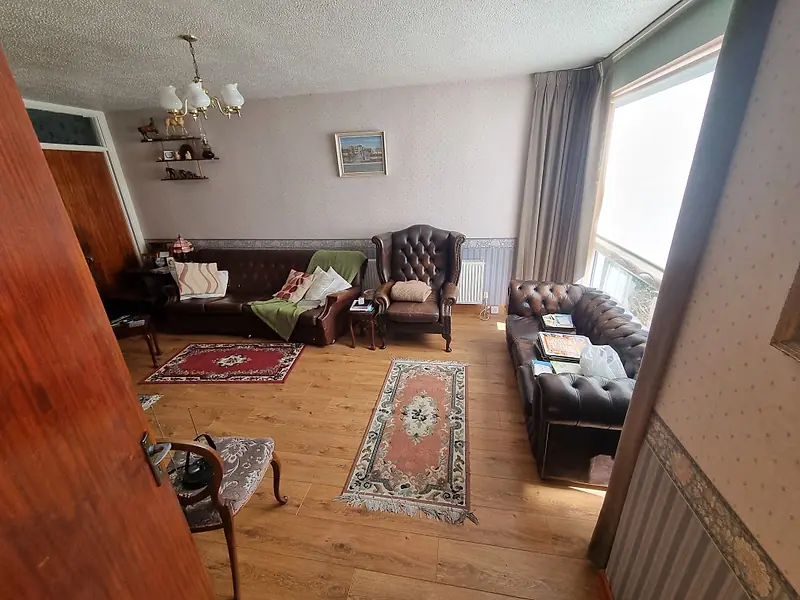
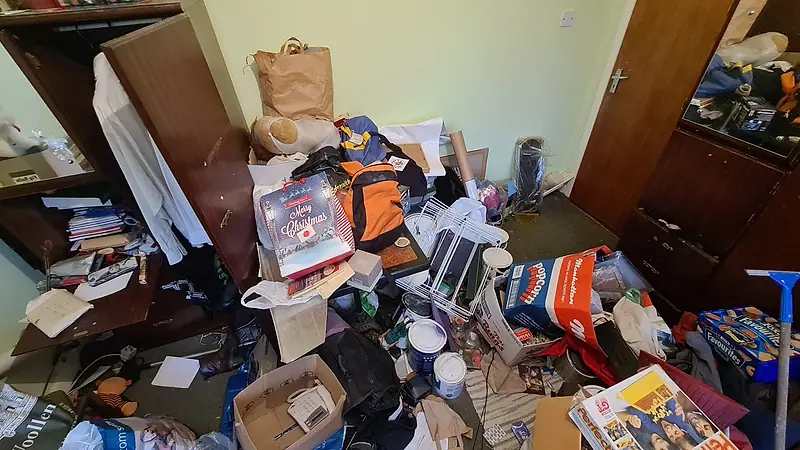
If the house is very full, with rooms that are hard to get into, say so when you first contact us. It changes the time and the plan, and papers can be buried anywhere. Our page on hoarder clearance in Dublin for landlords and executors explains how we make a house like that safe and work through it.
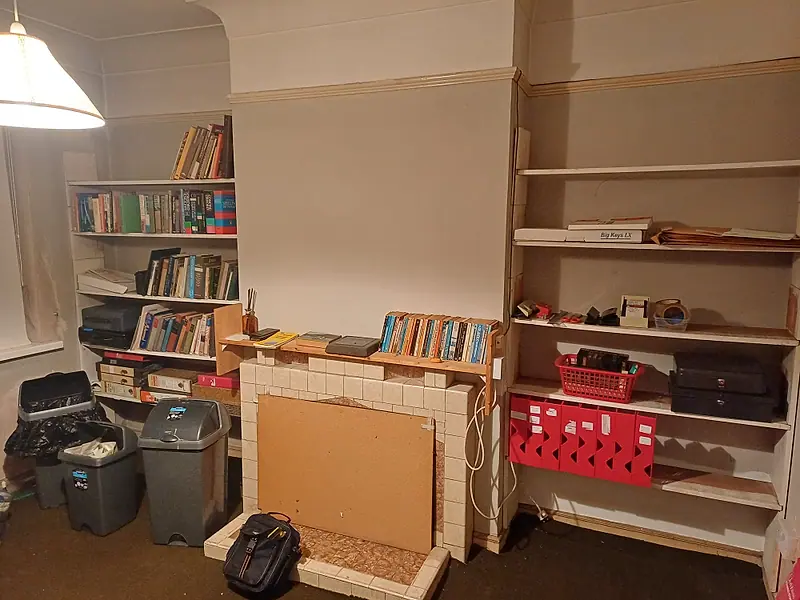
 spotless.ie
Keys, instructions and invoices
The administration is what separates an estate clearance from an ordinary one:
- Keys through the solicitor. We collect keys from the office and return them when the job is done, or hold them only for the agreed days. If the estate agent also has a set, we'll make sure everyone knows who holds which.
- Written instructions. A list of what stays, what's held for valuation, and who receives the papers we find.
- Papers to the right person. Bank statements, share certificates, policies, letters from Revenue or the Department of Social Protection, and any later will are passed to the executor or the solicitor, as you instruct.
- Invoices addressed to the estate. Made out to the estate of the deceased, care of the executor or solicitor, if that suits the estate's accounts.
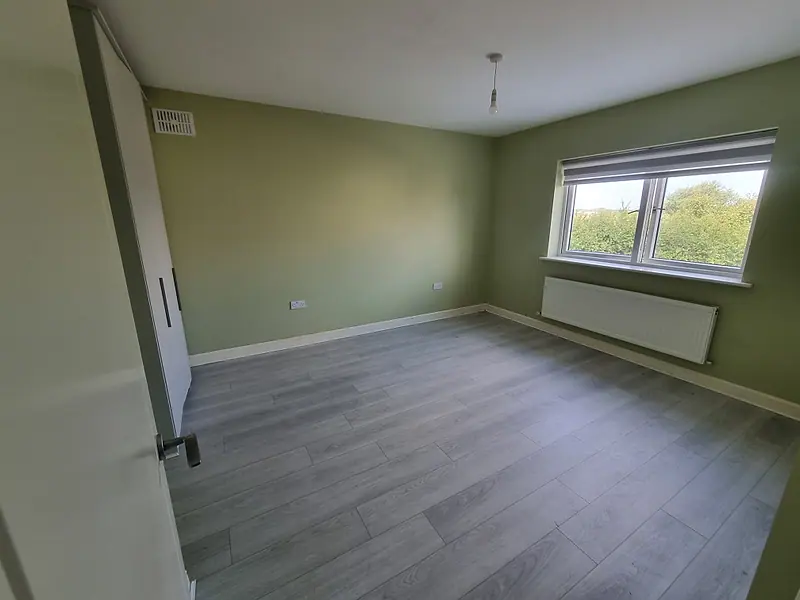
- Photos at the end. Each room empty, sent to whoever needs them.
Acting for an estate? Send photos of the property and a note of anything being held back. We'll confirm a fixed price in writing, usually the same day.
Vacant possession for the sale
If the house is being sold, the buyer will expect vacant possession on closing: the house empty apart from anything the contract says stays. We work back from the closing date that the estate agent and solicitor give us, and we check the attic, sheds, garage and garden last, because that's where forgotten things hide. Our page on clearing a Dublin property for sale goes through the agent's timeline in more detail, and attic clearance explains how lofts are emptied safely.
A checklist for whoever is instructing us
- Confirm who gives instructions: the executor, the administrator or the solicitor
- Ask the solicitor whether anything must be valued or listed first
- Give family members a date to choose keepsakes before the clearance
- Decide who receives the papers, cash and valuables we find
- Arrange keys, and tell us about alarms, parking and access
- Agree the name the invoice should be addressed to
- Tell us the deadline: a closing date, a lease end or a council handover
For families, the guide to clearing a house after a death explains the probate steps in plain language. Bereavement removals and clearance explains how belongings are sorted on the day, and if the family lives away from the house, bereavement clearance for families living away explains how we handle it remotely. Spotless is an authorised waste carrier, permit NWCPO-25-13287-01, fully insured on every job, and covers Dublin and all of Leinster. Rentals and commercial property are covered on our main property clearance page.