
What happens to the things they left
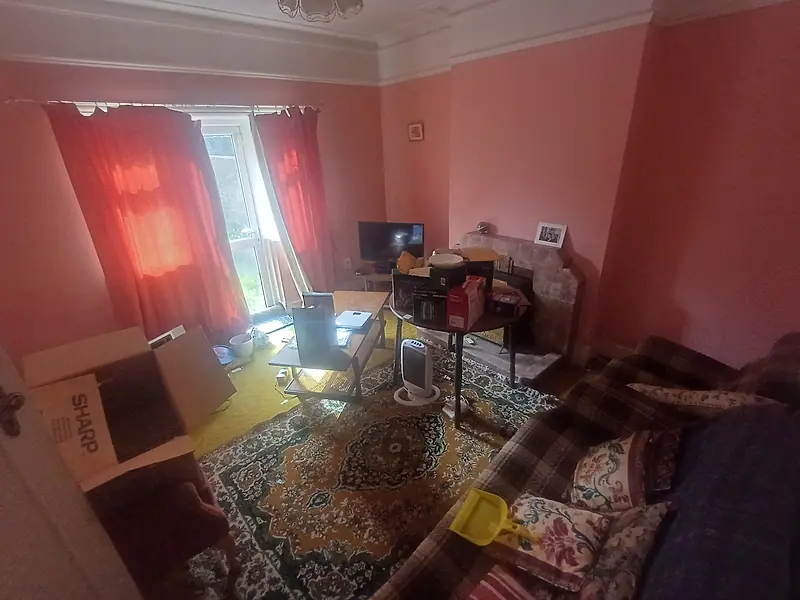
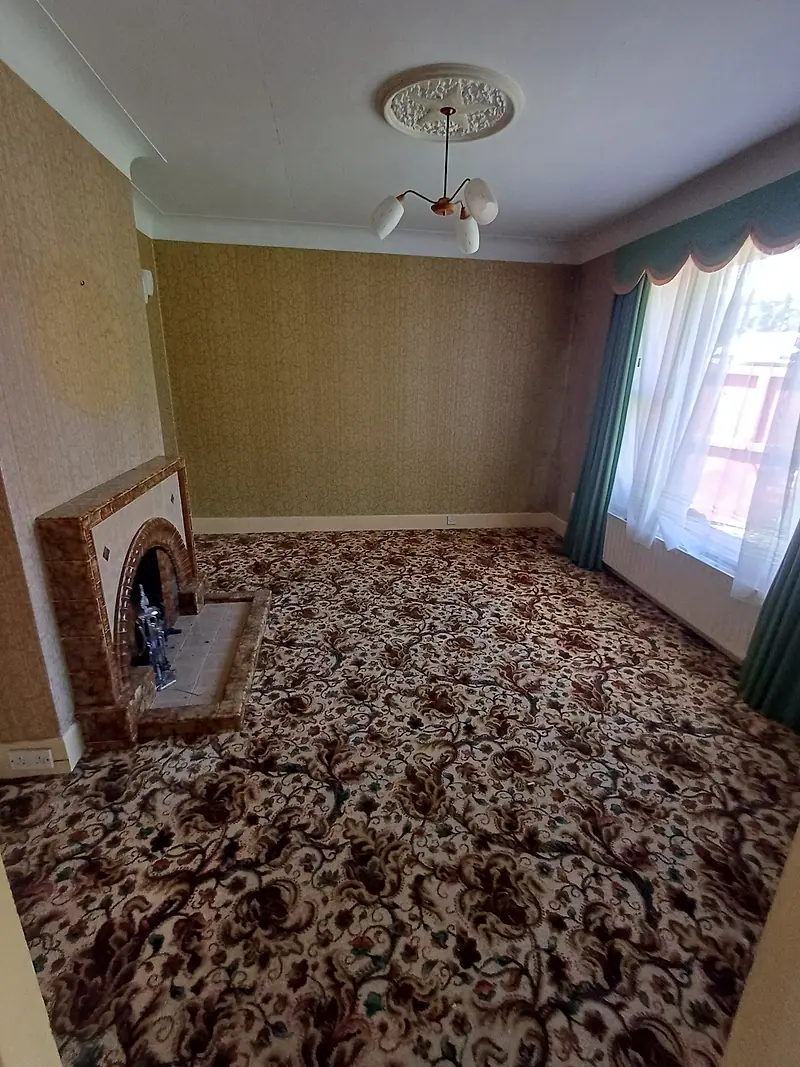
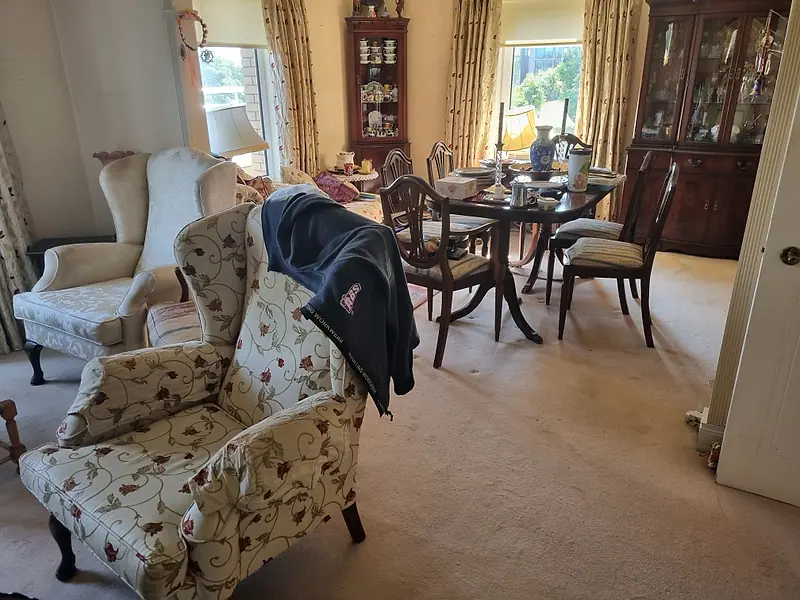
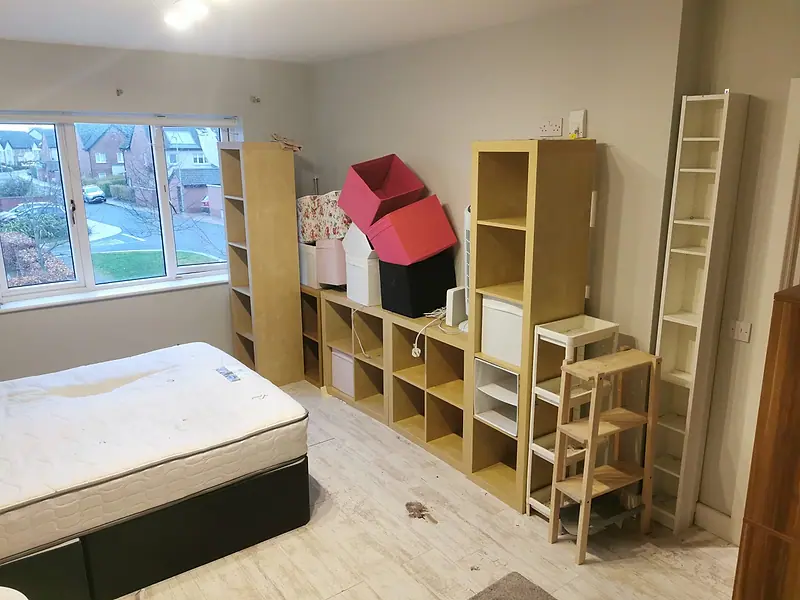
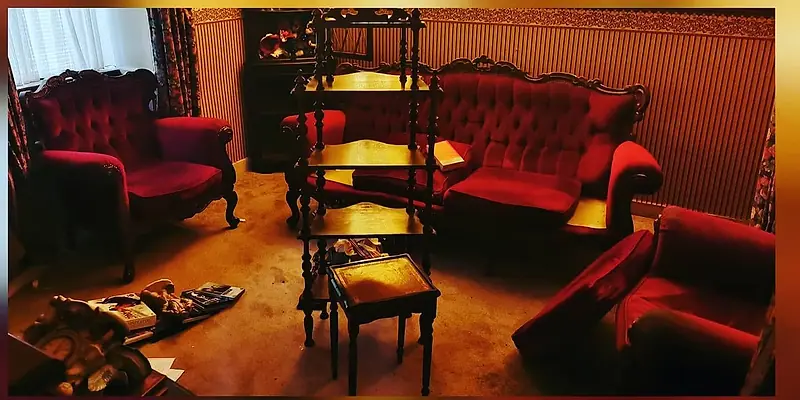
When families ask about a bereavement clearance, the first question is rarely the price. It's "what will happen to Mam's things?" This page answers that question: how belongings are sorted, what we watch for, and how furniture and contents leave the house. For how a bereavement clearance is planned overall, see our bereavement house clearance page.
The short version: everything is looked at, nothing is thrown out in bulk, and nothing leaves the house until the family has agreed it can go.
Five piles: how belongings are sorted
We sort every room into five groups. Some families like to do the first two themselves before we arrive; others decide alongside us on the day.
| Group | What usually goes in it | What happens next |
|---|---|---|
| Keep | Things the family has chosen, plus anything personal we find | Left in place, or gathered in one room for you |
| Family | Pieces promised to relatives, or that someone might want | Labelled with the person's name and kept together |
| Donate | Clothes, books, kitchenware and furniture in good, clean condition | Set aside for reuse where possible |
| Recycle | Appliances, electricals, metals, cardboard | Taken for recycling |
| Dispose | Broken, worn or soiled items that can't be reused | Taken to licensed waste facilities |
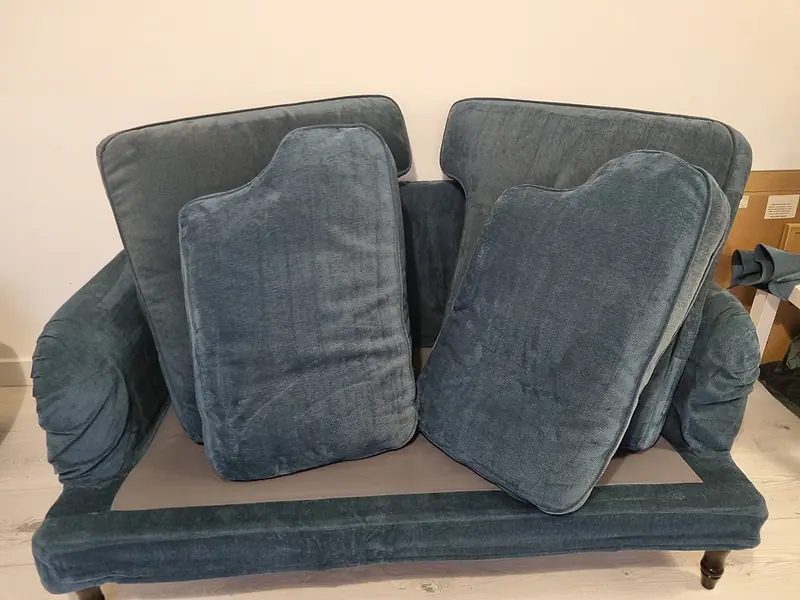
Two honest points. First, being in good condition isn't always enough for a donation: upholstered furniture without its fire label and used mattresses are hard to place. Second, "family" items need a name on them. "Someone might want it" is how things end up sitting in a spare room for a year.
Clothes, religious items and the very personal things
Some belongings need a gentler hand than the rest. Clothes are folded and bagged in the bedroom, not pulled out in armfuls, and if the family would rather not watch a wardrobe being emptied, we'll do that room while you're elsewhere. Religious items, such as statues, rosaries, holy pictures and Mass cards, are never put in with general waste; we set them aside so the family can decide what happens to them. The same goes for a handbag, a wallet, glasses on a bedside locker or a favourite cardigan on the back of a chair: small things that often matter most, and that we always ask about.
What we watch for as we go
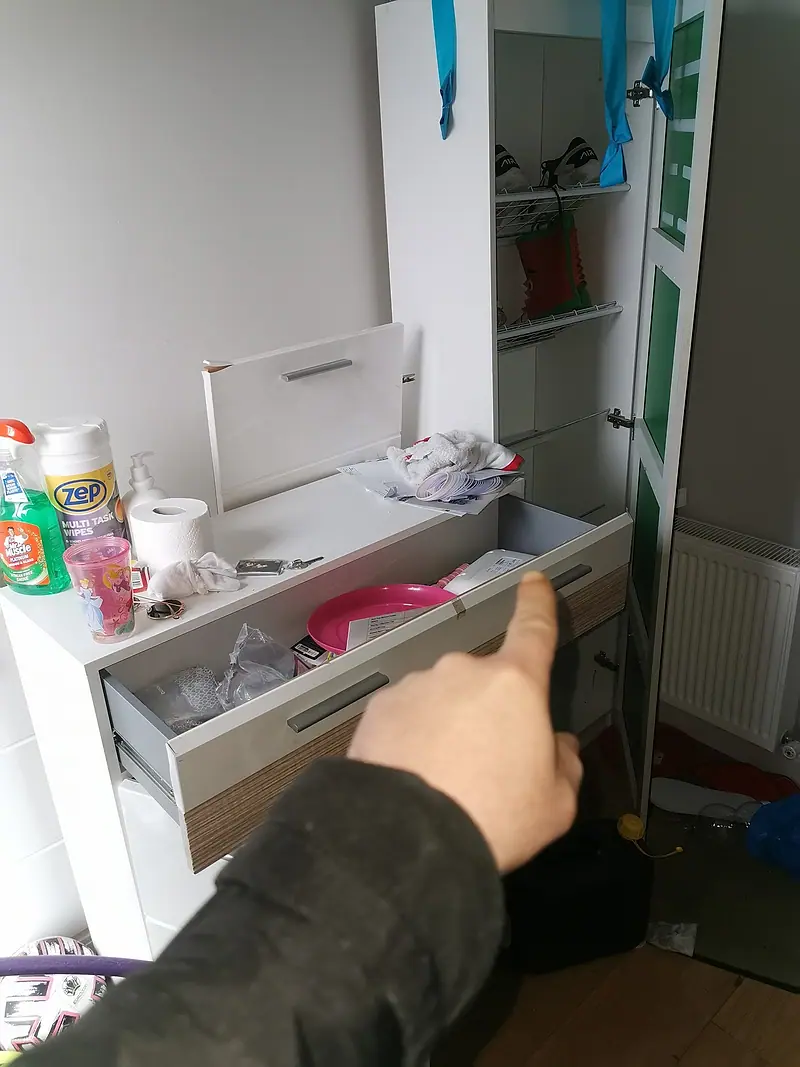
Older homes keep their secrets well. Before anything is bagged, we check every drawer, every pocket, every handbag, every shelf of books and every box. The things we're looking for:
- Documents: wills, deeds, bank and credit union books, share certificates, insurance and pension papers, old passports
- Photographs: loose, in albums, in frames, and in envelopes at the back of drawers
- Cash: in envelopes, tins, books, under mattresses and in the pockets of good coats
- Jewellery and keepsakes: rings, watches, medals, Mass cards, letters, a christening gown wrapped in tissue
Whatever turns up goes straight to the family contact, or into one box that stays with the crew until it's handed over at the end of the day.
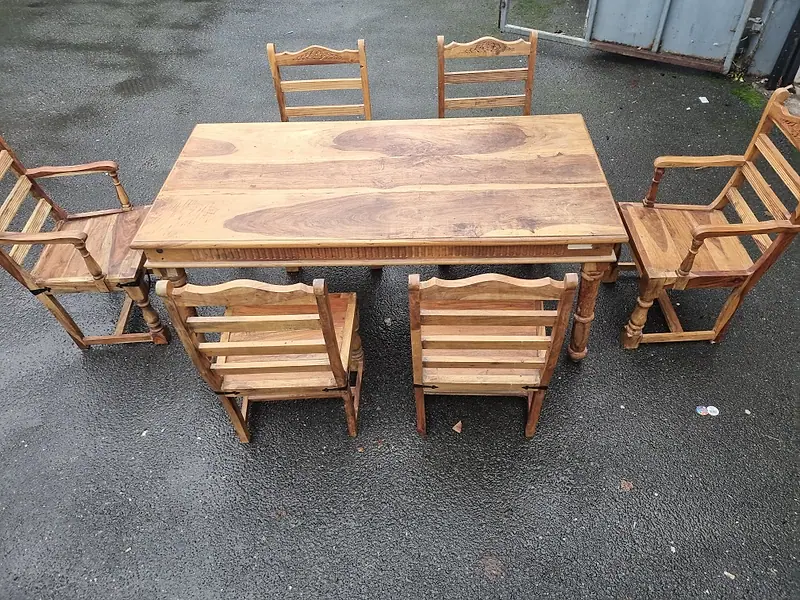
 spotless.ie
Nothing leaves until you've agreed
This is the rule the whole job hangs on. In practice:
- Before we start, we walk through the house with you, or agree it by WhatsApp if you can't be there, and settle what stays.
- Anything marked with a sticker, a note, or simply on your list is left untouched.
- Anything we're unsure about goes on a "not sure" pile in the house and is asked about, never guessed.
- On the day, you can change your mind. If you see something going out that you'd like to keep, say so and it comes back in.
- At the end, we walk the house again with you, so you can see nothing has gone that shouldn't have.
If you can't be there, our page on bereavement clearance for families living away explains how decisions are made by photo instead.
Want to know how your loved one's things would be handled? Send a few photos and tell us what's already been decided. We'll explain how we'd sort it and give you a fixed price.
The removals: furniture and contents, carried out with care
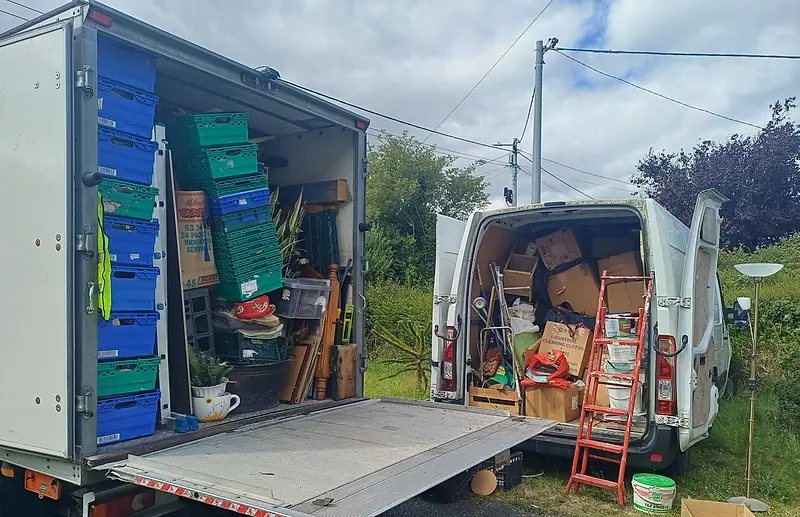
The removals side of a bereavement clearance is physical work, but it happens in someone's home, often with family nearby, so we keep it quiet and careful:
- Floors, stairs and banisters protected with covers before anything heavy moves
- Beds and wardrobes dismantled where they won't come out in one piece
- Heavy pieces planned for in advance: pianos, safes and solid wood wardrobes need extra hands, so mention them when you send photos
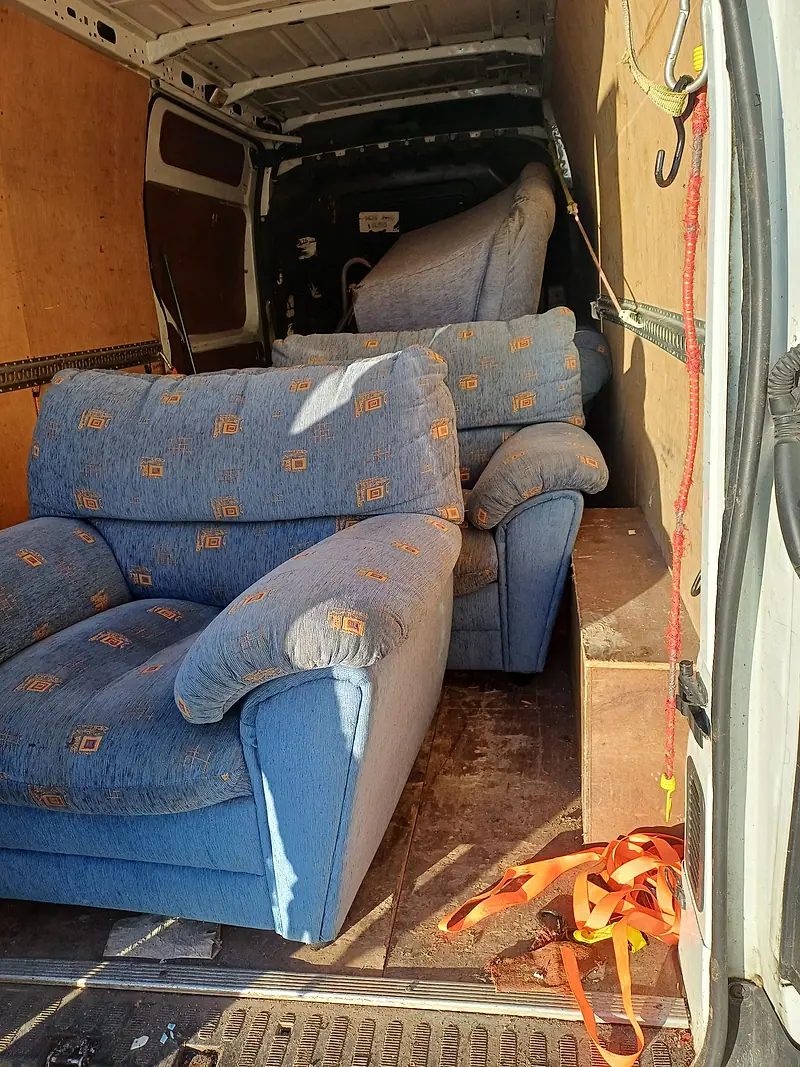
- Loaded and strapped in the van rather than thrown in
- Nothing left out on the path. Things go from the room to the van, so the street doesn't see the house emptied onto the footpath
For one or two pieces rather than a whole house, see furniture removal. The loft is often the fullest room of all; attic clearance explains how we bring things down safely.
Where donated and recycled things go
Usable items are set aside for reuse where possible. Appliances, electricals, metals and cardboard go for recycling, and what's left goes to licensed waste facilities. If your loved one supported a particular charity and you'd like their things to go there, let us know and we'll try to make that happen.
A lifetime's hobbies deserve a thought too. Books, tools, sewing machines, fishing gear and record collections can often go on to someone who'll use them, so if a relative or a friend from the club would like first look, tell us before the day and we'll keep those things back until they've been.
Spotless is an authorised waste carrier, permit NWCPO-25-13287-01, and fully insured on every job. Our article on what happens to furniture after a house clearance is honest about what can and can't be reused.
Before the clearance
If the death was recent, there are a few small jobs worth doing before you think about belongings at all; house clearance after a bereavement walks through them gently. Our guide to clearing a house after someone dies covers who makes decisions and the probate side. When you're ready, send photos of each room, the attic and any shed, with a note of anything already promised to family, and we'll come back with a fixed price.