
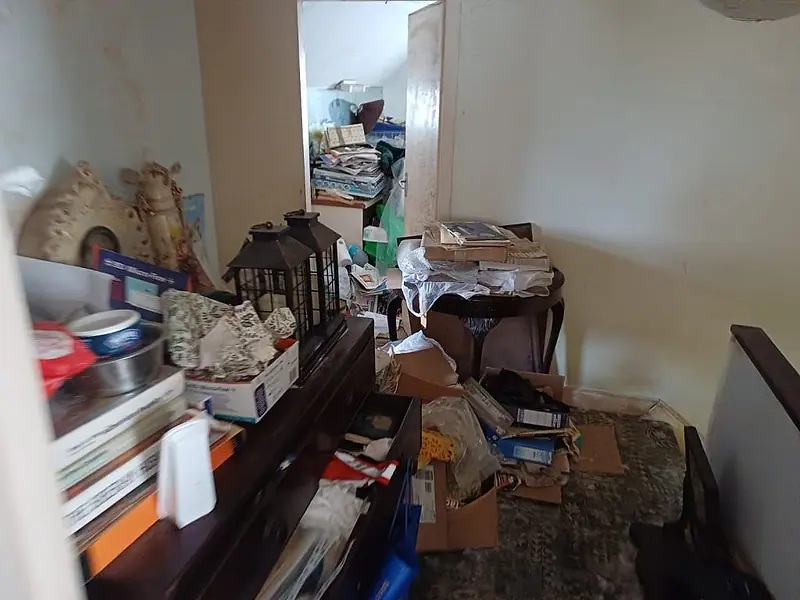
Which order should you go in?
There's no single right order. It depends on why you're clearing.
| Your situation | Best order | Why |
|---|---|---|
| Emptying the whole house for a sale, probate or handover | Top down: attic, bedrooms, bathroom, living rooms, kitchen, then garage, shed and garden | Things only travel through the house once, and downstairs stays free as a sorting area |
| Decluttering a home you live in | Start small and easy: the hall, the bathroom, a spare room | Quick wins build momentum before the harder rooms |
| Clearing a loved one's home | Least personal rooms first: kitchen, bathroom, spare room | Bedrooms and keepsakes can wait until you're ready |
Whichever order you choose, finish one room before starting the next. Half-cleared rooms all over the house is how a clear-out stalls.
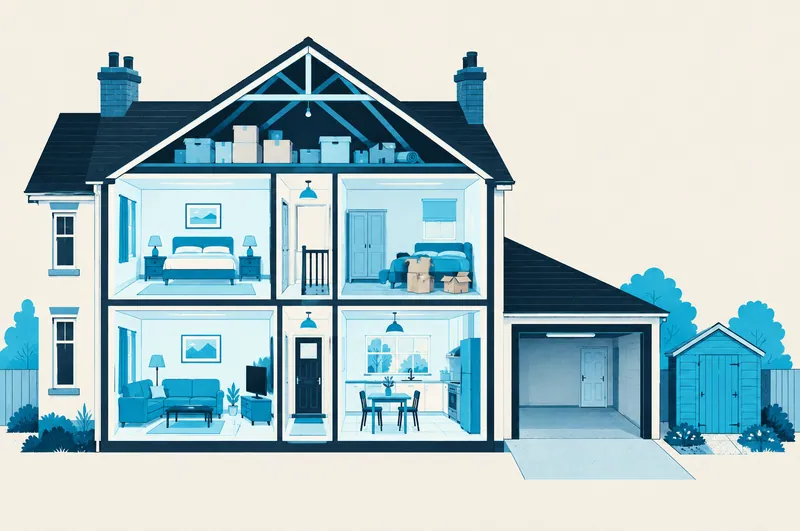
Before you start any room
Have these ready and you won't waste time hunting for them:
- heavy-duty bags, with clear ones for recycling
- strong boxes and a marker
- coloured stickers or masking tape for labels
- gloves and a dust mask
- a "check" box for papers and anything you're unsure about
- a screwdriver set for taking furniture apart
Use the same four piles in every room: keep, give or sell, recycle, let go. And check every pocket, drawer and box before it's bagged.
Where things hide
In every room, important things turn up in places nobody thinks to look, particularly in homes where someone lived for a long time. Before anything is bagged, check:
- coat and jacket pockets, handbags and old wallets
- inside books, bibles, albums and folded newspapers
- under drawer linings and taped to the underside of drawers
- under mattresses and between the mattress and the bed base
- biscuit tins, jewellery boxes and envelopes at the back of presses
- the top shelf of the hot press and the back of the wardrobe
Anything you find goes straight into the check box, so nothing valuable or personal ends up in a bag by mistake.
Attic and box room
If you're emptying the house, start at the top. Attics hold the most forgotten things: suitcases, decorations, children's things, paperwork and leftovers from old building work.
- Open every box, even ones that look like rubbish
- Put photos, letters and documents in the check box
- Pass things down to a helper rather than carrying boxes on the ladder
- Stand on joists or boards only, never between them
Our attic clearance guide covers attic safety in detail, and if it's too much, our attic clearance service brings it all down for you.
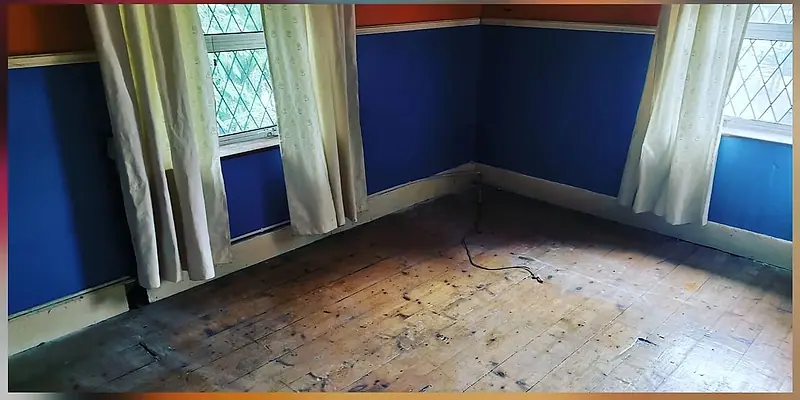
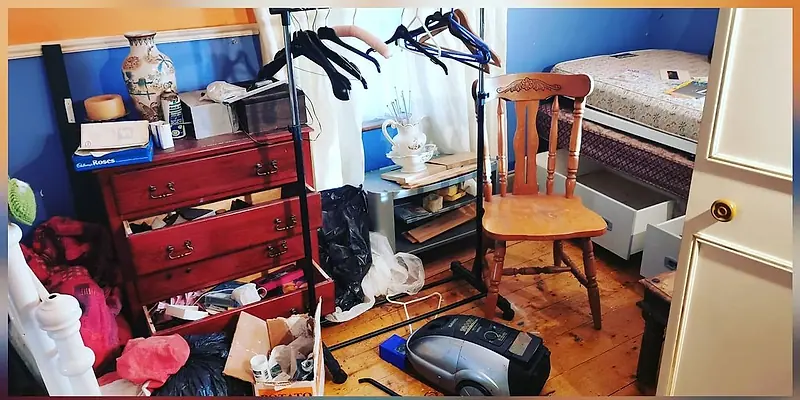
Bedrooms
Bedrooms take longest, because they're full of clothes and personal things.
- Wardrobes: check every pocket and the shelf at the top
- Under the bed: suitcases and boxes often hide here
- Bedside lockers and dressing tables: jewellery, letters and medicines
- Clothes: wearable items bagged for reuse, the rest for textile recycling
- Beds: take the frames apart; mattresses go separately
 spotless.ie
Bathroom
Quick, but don't skip it.
- Medicines: return them to a pharmacy rather than the bin
- Toiletries: opened ones go, unopened ones can be passed on
- Razors and blades: wrap them before they go in a bag
- The cabinet and under the sink: cleaning products need careful disposal
Living room and dining room
These rooms hold the furniture, books and ornaments and, very often, the household paperwork.
- Sideboards and bureaus: the most likely place for important papers
- Books: check between the pages for letters, photos and cash
- Photos and ornaments: decide as a family what stays
- TVs and electronics: electrical recycling, never the bin
- Furniture: measure good pieces before offering them to family
Paperwork: keep, shred or recycle
Paperwork is usually the slowest part of these rooms. Sort it into three piles as you go:
| Pile | What goes in it |
|---|---|
| Keep | Wills, deeds, certificates, pension and insurance papers, recent bank and tax documents, anything the solicitor or executor may need |
| Shred | Old statements, bills, payslips and letters with names, addresses or account numbers |
| Recycle | Catalogues, magazines, newspapers, envelopes and leaflets with nothing personal on them |
If you're not sure how long to keep something, put it in the keep pile and ask an accountant or solicitor later. A few extra folders cost nothing; a thrown-out document can be hard to replace.
Rather hand over the lifting? Send photos of each room, plus the attic, garage and shed, on WhatsApp. We'll reply with a fixed price, usually the same day.
Kitchen
Leave the kitchen near the end if you're spending days in the house, because you'll want the kettle.
- Fridge and freezer: empty, switch off and defrost a day or two before collection
- Presses: out-of-date food goes; tins and dry goods still in date can go to a food bank (ring first)
- Pots, pans and crockery: good sets can be reused
- Small appliances: electrical recycling
- Gas cooker: disconnected by a Registered Gas Installer before it's moved
- Under the sink: chemicals and cleaning products need care
Hall, landing and the hot press
Small spaces, easily forgotten.
- Coats and bags: check every pocket
- The hall table drawer: keys, letters and spare change
- The hot press: bedding and towels for reuse or textile recycling
- Under the stairs: hoovers, ironing boards, boxes and the odd surprise
Garage, shed and garden
Leave these until last if you're emptying the house, or start here if you need the garage as a sorting area.
- Paint, chemicals and fuel: specialist disposal, never the bin
- Tools and bikes: pass on what still works
- Freezers: empty and defrost
- Shed roof: don't disturb old grey corrugated sheets, which may contain asbestos
- Garden: green waste, broken furniture and old pots
Our guides to clearing a garage and clearing a shed go into more depth, and we offer garage clear-outs, shed clearance and garden clearance.
When to get help
A room-by-room clear-out is very doable over a few weekends. It's worth getting help when there's a deadline, heavy furniture or a packed attic, or when the decisions are made and only the lifting is left. Our house clearance service clears whole houses or chosen rooms across Dublin and all of Leinster, and a full house usually takes one to two days. For a few large pieces, see furniture removal.
If the house belonged to a loved one, our bereavement house clearance works at your pace, and for a home that has become very full, hoarder clearance is staged and discreet. Flats have their own logistics, covered under apartment clearance.
Before the clearance itself, read how to prepare a property for clearance, and if you're still deciding what to keep, our guide to decluttering before a clear-out has methods that help.
