
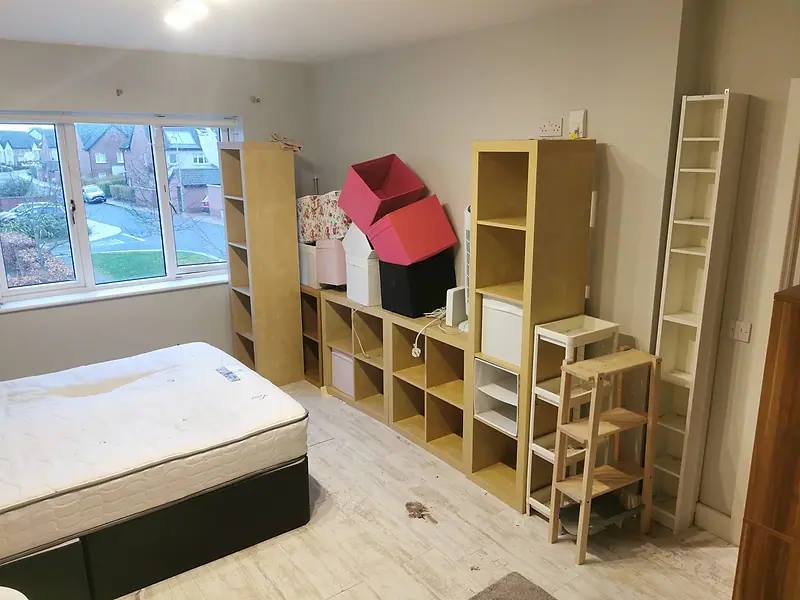
Work backwards from the move-in date
Between tenancies, time is the constraint. The best way to keep the gap short is to start from the day the new tenant gets the keys and plan backwards:
| When | What to do |
|---|---|
| As soon as notice is given | Pencil in the clearance and carpet cleaning, and dig out the inventory from the start of the tenancy |
| The day the tenancy ends | Check-out inspection against the inventory, meter readings, keys back, photos of every room |
| The next day or two | Clearance of anything you're entitled to remove, and your own worn-out furniture |
| The following days | Repairs, painting and general cleaning |
| Once the trades are out | Carpet cleaning |
| Before the new tenancy | Final walk-through, inventory updated, keys ready |
The clearance can only go ahead once any question about the outgoing tenant's belongings is settled, so deal with that first.
Belongings a tenant leaves behind
It's common for a tenant to leave things behind: a mattress, a sofa, bags in the attic, a bike in the shed. What you're allowed to do with them, and when, is a legal question, and we're not solicitors.
The Residential Tenancies Board (RTB) has guidance for landlords on belongings left at the end of a tenancy, and it's the place to start. Read it, and take advice if anything looks valuable or the situation is disputed. Whatever the answer, it helps to:
- photograph what was left, room by room, with the date
- keep a record of any contact with the former tenant
- keep personal documents and anything valuable separate from everything else
Once you're satisfied you can dispose of the items, send us photos and we'll price and clear them. If something needs to be kept aside for collection, tell us and we'll leave it where you want it.
Check the property against the inventory
A clear inventory at the start of a tenancy makes the end much simpler. Before anything is cleared, walk the property with it and note:
- what you supplied that's still there: beds, sofa, table, white goods, curtains
- what you supplied that's missing or damaged beyond normal wear and tear
- what's there now that wasn't before: the tenant's furniture, extra mattresses, rubbish
- the condition of walls, floors, carpets, the kitchen and the bathroom
- meter readings, keys, fobs and remotes
Photograph every room from the doorway, and inside the presses and appliances. Dated photos help if there's a question about the deposit later, and the RTB's dispute resolution service is there for both sides if you can't agree. The same photos double as a quote request: they tell us exactly what needs clearing.
Clearing the rental
A rental clearance is usually lighter than a full house clearance, but it has its own pattern:
- What the tenant left, once you're entitled to dispose of it.
- Your own furniture that's past it: the sagging sofa, the stained mattress, the broken wardrobe you've been meaning to replace.
- The hidden spaces. Attics, sheds and garages in rented houses often collect things from several tenancies (attic, shed and garage clearance).
- Apartments. Lifts, management company rules and loading bays need planning; see apartment clearance. Check the bin store, storage cage and parking space too, as tenants sometimes leave bulky items there.
Tell us what's staying, such as white goods, a bed for the next tenant or the curtains, and we'll leave it in place. If you're not there, we can collect keys from you or your letting agent and send photos of the empty rooms when we're done. Our property clearance service is set up for exactly this, and Dublin landlords and letting agents will find the detail on our rental property clearance in Dublin page. For a handful of leftover items, junk removal is priced to suit.
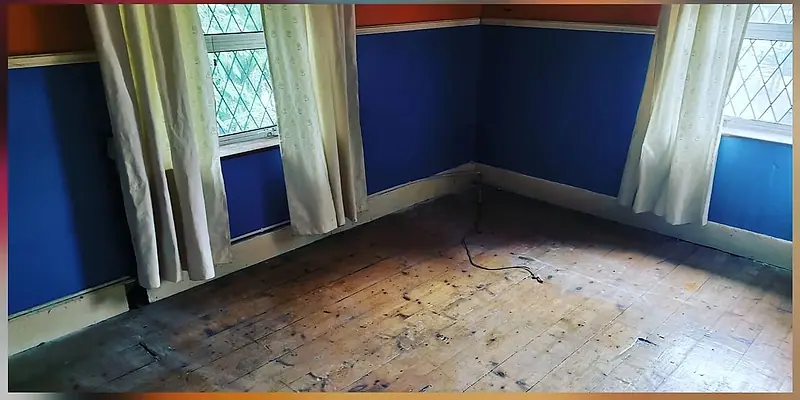
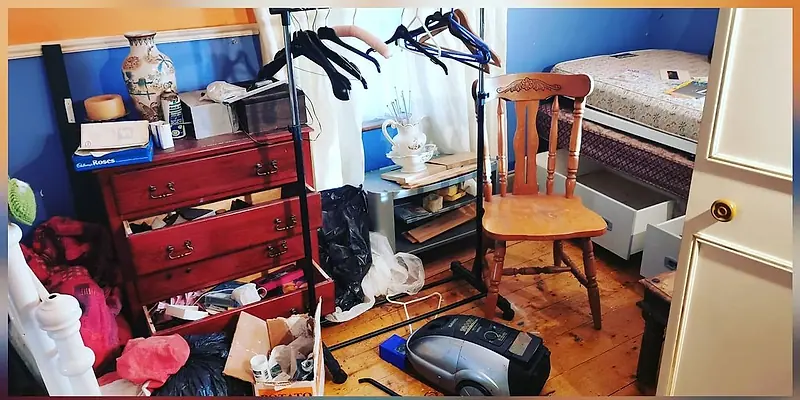
 spotless.ie
Deciding what the next tenancy needs
The gap between tenants is the easiest time to change what's in the property, because the rooms are empty anyway. Walk round with the inventory and decide:
- Furniture that's past it. A sagging sofa, a wobbly table or a wardrobe with a broken door is the kind of thing a new tenant notices at the viewing. Replacing it now is far easier than mid-tenancy.
- Mattresses. Replace them, or have a fairly new one cleaned (mattress cleaning).
- White goods. Check the fridge, washing machine and cooker. Anything you replace can go with the clearance for appliance recycling.
- Your own clutter. Old blinds, broken lamps and boxes of spare parts in the attic or shed take up space a tenant would use.
- Furnished or unfurnished. If you're switching to unfurnished, the clearance is the moment to take the lot in one go.
Carpets between tenancies
Carpets take the most wear in a rental, and they're one of the first things a new tenant notices. Cleaning them between tenancies helps them last and makes the property easier to let. Do it after the clearance and any painting, when the rooms are empty and the trades have gone.
If there's any question about the outgoing tenant's deposit, photograph the carpets before they're cleaned. Our guide to end of tenancy carpet cleaning covers deposits and what counts as normal wear, and carpet cleaning in Dublin explains how we clean them.
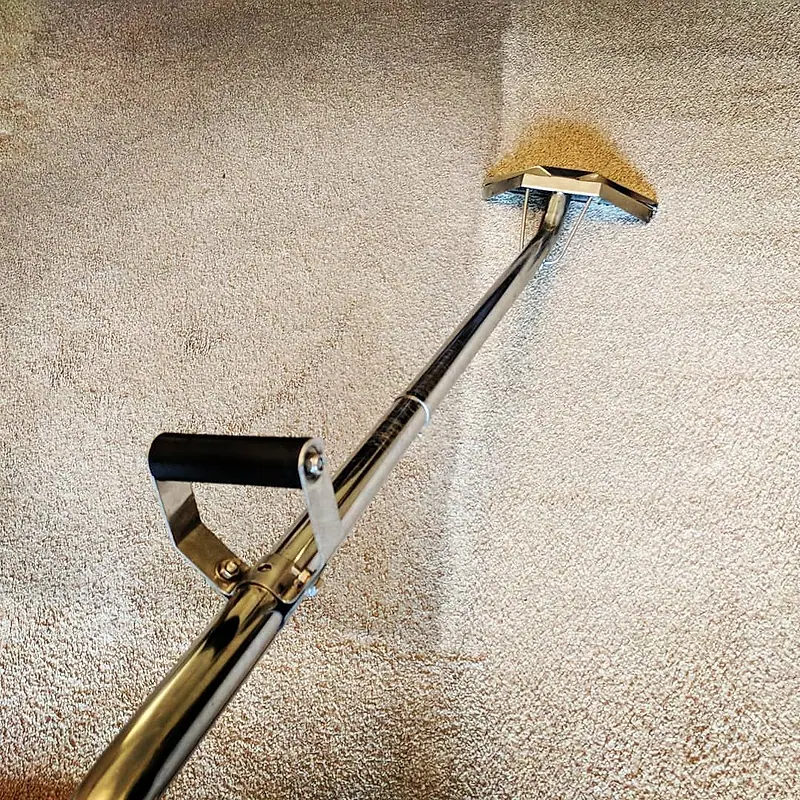
Turning a rental around? Send photos of each room and the date the new tenant moves in. We'll quote the clearance and the carpet cleaning together, usually the same day.
Outside the front door
For houses, the outside is part of a new tenant's first impression, and an overgrown garden or a slippery path is a safety issue too. Garden clearance deals with green waste and rubbish left in the garden, and power washing takes care of mossy paths, steps and patios.
For apartments, check with the management company before the clearance about lift bookings, loading times and where a van can park, so the job fits the building's rules.
Working with letting agents
Letting agents often arrange rental clearances for landlords, especially landlords who live further away. The agent sends photos, arranges keys and access, and we keep both of you updated on WhatsApp. When the rooms are empty, we send photos so the agent can book any cleaning or repairs straight away.
If you're deciding whether to sell rather than re-let, our guide to preparing a property for sale covers the same jobs in a different order.
Turnaround checklist
- Check the RTB's guidance before disposing of anything a tenant left
- Walk the property with the inventory and photograph every room
- Take meter readings and collect every key and fob
- Clear leftovers, worn furniture, the attic, the shed and the garden
- Finish repairs and painting
- Clean the kitchen and bathroom
- Clean the carpets once the trades are out
- Update the inventory with photos before the new tenant arrives
