Start with the care label
Before you put anything on a sofa, find its care label. It's usually under a seat cushion, on the platform the cushions sit on, or underneath the frame. Most fabric sofas carry a cleaning code, and it tells you what the fabric can safely take.
| Code | What it means | What you can do at home |
|---|---|---|
| W | Water-based cleaning is fine | Blot spills and dab with a little cold water; test any product on a hidden spot first |
| S | Solvent-based cleaning only, no water | Vacuum and blot dry only. Water can leave rings, shrink the fabric or change its colour |
| WS or W/S | Water-based or solvent-based cleaning | Water is usually fine for spills; test on a hidden area first |
| X | Vacuum or brush only | No water and no products. Anything more needs specialist advice |
The code applies to the whole fabric, so check it even if you've only got one small spill. If there's no label, or it's been cut off, treat the sofa as if it were S: vacuum it, blot spills dry and get advice before using any water.
Everyday care that keeps a sofa looking newer
Most of what makes a sofa look tired is slow build-up, and a few habits slow it down a lot:
- Vacuum it every week or two with the upholstery brush, including down the sides, along the seams and under the cushions. Grit in the fabric wears it like fine sandpaper.
- Turn and swap the cushions regularly, if they're designed to be reversed, so wear spreads evenly instead of collecting on your favourite seat.
- Plump the cushions so the filling doesn't settle into one shape.
- Keep it out of strong sunlight where you can. Sun fades fabric, and faded colour can't be cleaned back.
- Put throws on the arms and headrests, where hands and hair leave oils, and wash the throws instead of the sofa.
Dealing with spills
The first few minutes matter most. Whatever the spill:
- Blot, don't rub. Press a clean white cloth or kitchen paper onto the spill to soak up as much as you can. Rubbing pushes it deeper and spreads it.
- Work from the outside in, so the mark doesn't grow.
- Check the code before adding any water. On a W or WS fabric, dab with a little cold water and blot again.
- Use cold water, never hot. Heat can set stains like blood, milk and egg into the fibres.
- Don't soak it. Too much water sinks into the foam and leaves a ring as it dries.
- Let it air dry. No hairdryer, no heater pointed at it.
Some marks are better left alone. Ink and biro spread when you rub them. Grease and oil usually need a solvent, which isn't something to experiment with on a sofa. Dye from new jeans and make-up are hard to shift. For these, blot what you can and get advice.
A word on products, too. Supermarket upholstery sprays and washing-up liquid can leave residue in the fabric, so the patch you cleaned attracts dirt and ends up darker than the rest. If you do use a product, test it somewhere hidden first and use as little as you can.
Pets and sofas
Pets and fabric sofas can live together happily with a bit of management:
- Hair: a slightly damp rubber glove or a lint roller lifts hair from most fabrics, and the vacuum's upholstery brush gets what's worked into the weave.
- A washable throw on the pet's favourite spot saves the fabric underneath.
- Accidents: blot thoroughly straight away and dab with cold water if the code allows. Urine that soaks into the foam is much harder to deal with later, and the smell can return in damp weather.
- Claws: pulled loops and snags are damage, not dirt, and cleaning won't fix them. Snip loose threads with scissors rather than pulling them.
Regular cleaning makes the biggest difference for pet owners, because it lifts the oils and dander that hold smells before they build up.
Want a price for your sofa? Send a photo of the sofa, the care label and any stains on WhatsApp. We'll tell you whether it's one we can clean and give you a clear price, usually the same day.
Leather, velvet and delicate fabrics
Not every sofa is suited to water-based cleaning, and some need real caution:
- Leather needs its own products and care, not the upholstery cleaning used on fabric. Water and fabric cleaners can dry leather out, mark it or damage its finish. Use products made for leather, test them somewhere hidden and follow the manufacturer's advice. Faux leather is different again.
- Velvet marks easily and its pile crushes, so blot gently and brush it in the direction of the pile once it's dry.
- Silk, linen and some cottons can shrink, water-mark or brown if they're over-wetted.
Our work is mainly fabric upholstery. If your sofa is leather, velvet or silk, tell us when you get in touch, and we'll tell you honestly whether it's a job for us. Our upholstery cleaning page lists what we clean.
When it's time to call a professional
Home care keeps a sofa going, but at some point it needs more than a vacuum and a damp cloth. Signs it's time:
- the arms and headrests are visibly darker than the rest of the sofa
- the seat everyone sits in has gone shiny or grey
- there's a smell that airing the room doesn't fix
- a spill has left a mark or a ring you can't shift
- you're moving into a home with someone else's sofa, or getting a furnished rental ready
- it's been a year or more since the last clean, and you've got pets or young children
A professional clean treats the whole sofa evenly, so you don't end up with one bright patch where the stain used to be. And if the sofa is past saving, with the frame broken or the foam gone, furniture removal can take it away instead.
 spotless.ie
What a professional sofa clean involves
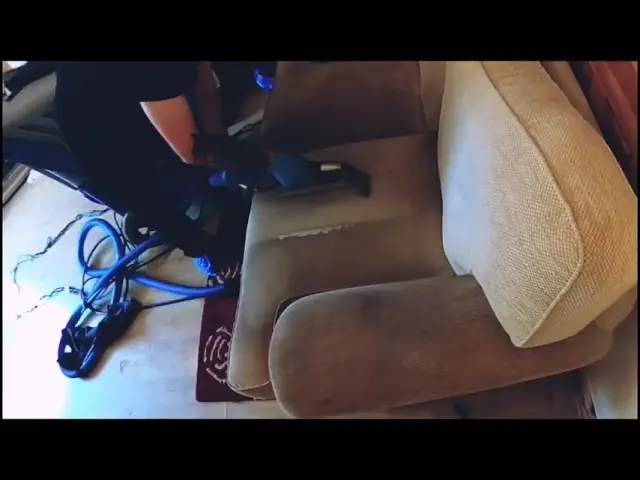
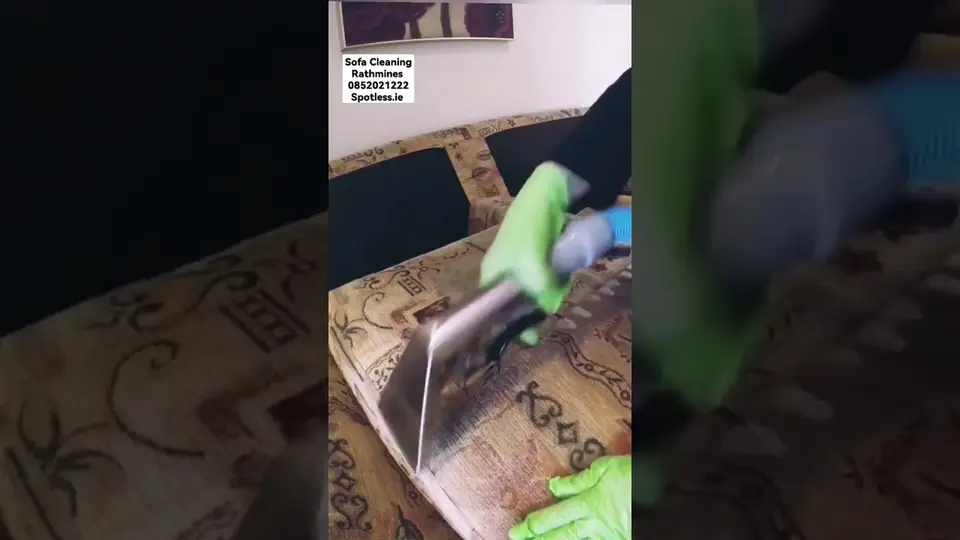
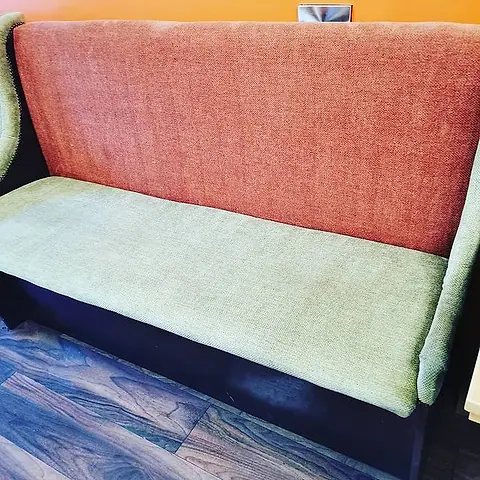
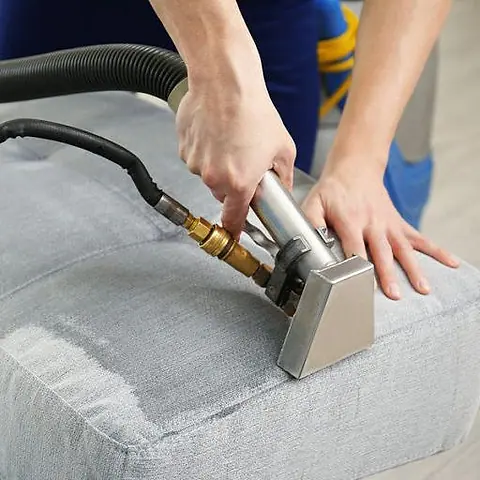
A good upholstery clean starts with the label, the fibre and a colour test on a hidden spot. Loose hair and crumbs are vacuumed off, stains and grubby areas such as the arms are pre-treated, and then the fabric is rinsed and extracted with a small upholstery tool, so the dirt and the cleaning solution come straight back out. It's the same hot-water extraction we use on carpets, explained in our carpet cleaning guide. Cushions are stood up to dry, and air movers help. Most sofas are dry within a few hours, and our drying guide explains what affects that.
Ciprian, who founded Spotless, completed Prochem carpet-cleaning training in 2018 (certificate no. 2018/020), and he works on jobs himself with a small crew.
You can read more about how we handle different fabrics on our sofa and upholstery cleaning page. We work in Dublin and all of Leinster, with a local page for Blanchardstown and Dublin 15. If you'd like the carpets or a mattress done too, it can all be done in one visit, and fabric seating in offices, restaurants and hotels is covered under commercial carpet cleaning.