
What this guide is, and what it isn't
We're carpet cleaners, not doctors. This guide is general information about how carpets collect dust and what cleaning does. It isn't medical advice, and nothing here should replace what your GP, practice nurse or pharmacist tells you.
If you, a child or anyone in your home has asthma, eczema, hay fever or another allergy, your GP is the right person to ask about triggers and treatment. What we can do is explain honestly what a carpet clean involves, so you can decide whether it's worth doing for your home.
What builds up in a carpet
A carpet works a bit like a filter. Whatever settles on the floor tends to drop into the pile, where it stays until it's removed. Over time that includes:
- Household dust, a mix of fibres from clothes and furnishings, outdoor soil and tiny particles from everyday life
- Skin flakes and hair, from everyone in the house
- Pet hair and dander, in homes with dogs or cats
- Pollen, carried in on shoes, clothes and through open windows
- Crumbs and food residue, especially in living rooms and children's rooms
- Dust mites, which are commonly found in carpets, mattresses and soft furnishings in most homes
A carpet that's vacuumed often holds much less of this than one that isn't. But even a well-vacuumed carpet keeps some of it in the base of the pile, held in place by the sticky film that builds up on the fibres over time.
What a professional clean can help with
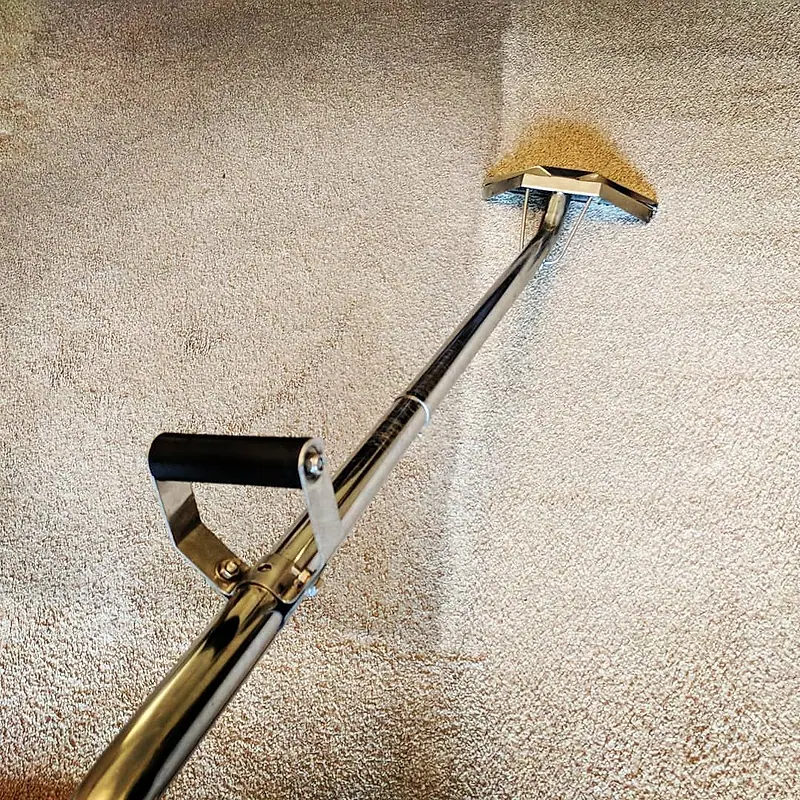
Hot-water extraction rinses the carpet with hot water and a cleaning solution, then vacuums it straight back out. That loosens and removes soiling that a domestic vacuum leaves behind, including a lot of the dust and debris held in the base of the pile.
What people usually notice afterwards:
- the carpet looks brighter and the walking lanes are gone
- the room smells fresher, especially in pet homes
- the pile feels softer, because the sticky film has been rinsed out
- the vacuum picks up less for a while, because there's less in the carpet to come out
That's the extent of what we'll claim. A clean removes what's in the carpet at the time. It doesn't make a home free of dust or allergens, and dust starts settling again straight away.
 spotless.ie
What it can't promise
It's worth being clear about the limits:
- No effect on symptoms is promised. Allergies have many triggers, and carpets are only one part of a home.
- It isn't a pest treatment. We don't claim to kill dust mites or anything else.
- It isn't permanent. Dust settles again from the air, from clothes and from people and pets moving about.
- It can't fix damp. If a room has a damp or mould problem, that needs sorting at the source. Cleaning the carpet won't solve it.
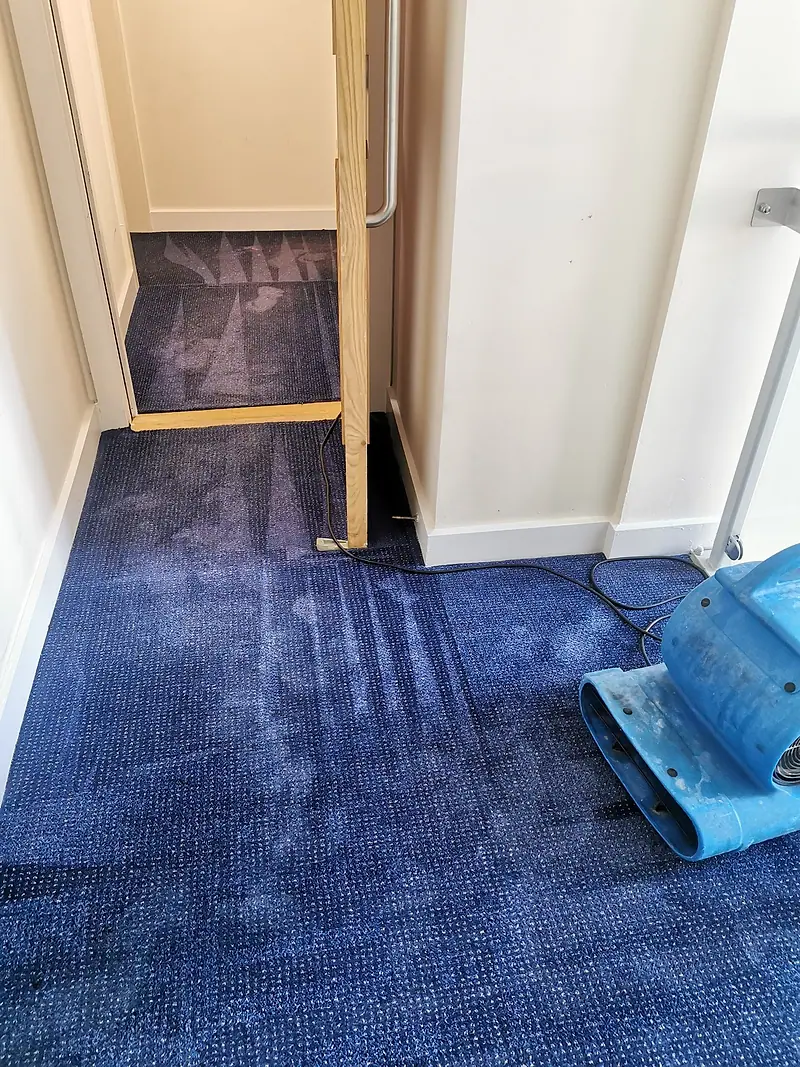
Drying matters, too. A carpet that stays wet for a long time can start to smell musty, which is the opposite of what you want. That's why we extract thoroughly and use air movers, and why good airflow in the room afterwards helps.
Want the carpets done? Send photos of the rooms on WhatsApp and mention if anyone in the house is sensitive to dust or scents. We'll plan around it and give you a clear price, usually the same day.
Everyday habits that keep dust down
What happens between cleans makes the biggest difference. Habits many households find useful:
- Vacuum often and slowly. Busy rooms a few times a week, bedrooms weekly. A vacuum with a good filter keeps more of the fine dust inside the machine.
- Empty the vacuum outside, or have someone who isn't sensitive do it.
- Shoes off at the door. Much of the soil and pollen in a house comes in on shoes.
- Use doormats inside and outside each door, and shake or wash them regularly.
- Wash bedding regularly, at the temperature the care label allows.
- Air the house. Open windows when you can, use extractor fans in the kitchen and bathroom, and avoid drying clothes on radiators where possible, because damp air indoors encourages condensation.
- Keep pets out of bedrooms if that suits your household.
Choosing and using a vacuum
The vacuum matters more than people think. A machine with a good filter, kept clean, holds onto more of the fine dust it picks up instead of blowing some of it back into the room. A few practical points, whatever model you have:
- Check the filter every few weeks and clean or replace it as the manufacturer suggests.
- Empty bagless bins outdoors, because tipping them out can release a puff of fine dust.
- Change bags before they're full, as suction drops off as a bag fills.
- Use the attachments along skirting boards, under beds and on curtains, where dust collects unnoticed.
If you're choosing a new vacuum and someone in the house has a medical condition, a pharmacist or your GP may be able to point you towards what to look for.
Sofas, mattresses and rugs
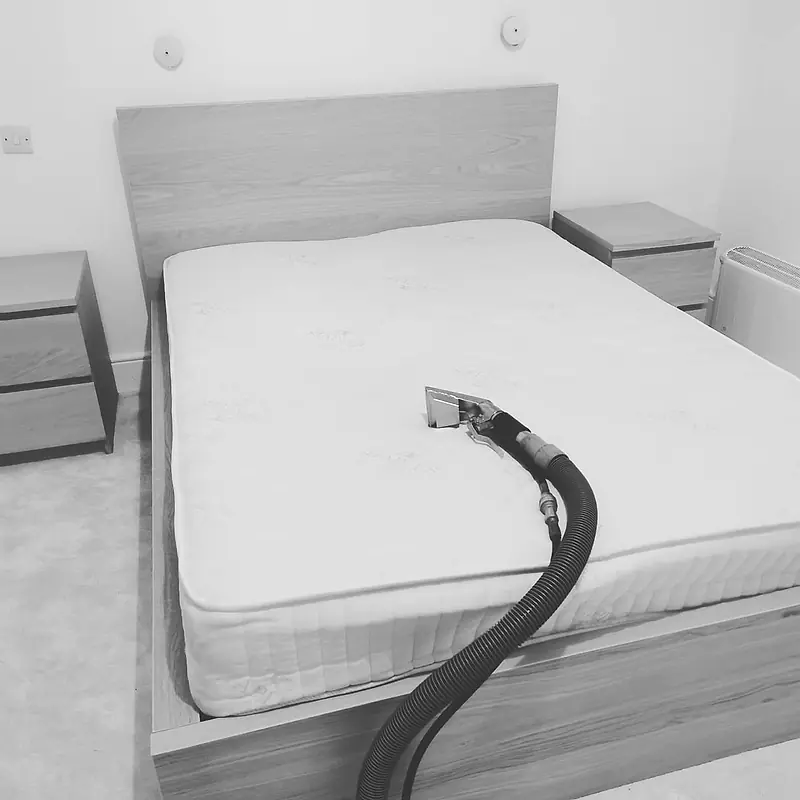
Carpets aren't the only soft surfaces that collect dust. Mattresses hold sweat, skin flakes and dust from years of use. Sofas collect hair, crumbs and body oils in the cushions and seams. Rugs sit in the busiest spots.
A washable mattress protector and regular airing go a long way, as our mattress care guide explains. When it's time for a proper clean, we also do mattress cleaning, sofa and upholstery cleaning and rug cleaning, and it can all be done on the same visit as the carpets. Homes with dogs or cats will find more on pet carpet cleaning.
Booking a clean when someone is sensitive
If anyone in the house is sensitive to dust or smells, a little planning helps:
- Tell us when you book, so we can talk you through what we use and plan the order of the rooms.
- Arrange for them to be out during the clean and for a few hours afterwards, or in a room we're not working in.
- Book a morning slot so the carpets have the whole day to dry, with windows open if the weather allows.
- Vacuum the next day once everything is dry, to pick up anything loosened that settled on the surface.
Our carpet cleaning service in Dublin covers Dublin and all of Leinster, and our guide to how often carpets should be cleaned can help you plan a routine. For any medical question, though, please talk to your GP first.
