
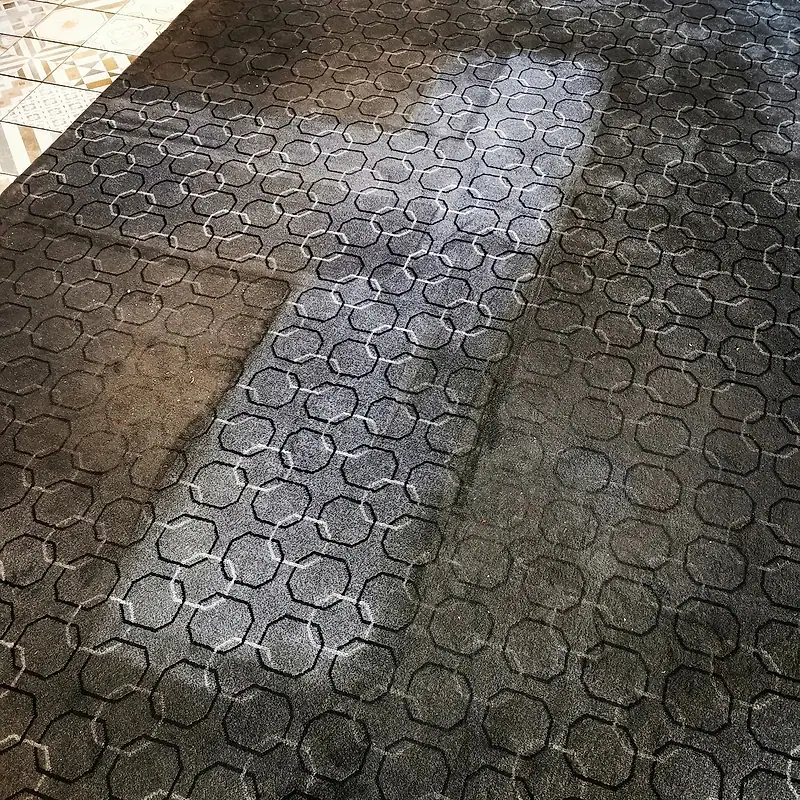
What makes wool different
Wool is a natural fibre with a few habits worth knowing. It's springy, so it recovers well from footsteps. Its outer surface helps it let go of dry soil, so regular vacuuming achieves a lot. It holds colour well and wears slowly.
It also has weaknesses. Wool soaks up water into the fibre itself. It's harmed by bleach, and by strong alkaline cleaners such as degreasers and some general-purpose sprays. It can fade in strong sunlight, and in quiet, dark corners it can attract moths. Most good wool care comes down to working with those habits rather than against them.
Vacuuming a wool carpet
Vacuuming is the single most useful thing you can do for any carpet, and wool rewards it more than most:
- How often. Busy areas such as the hall, stairs and living room a few times a week; bedrooms once a week. Grit left in the pile acts like sandpaper on the fibres every time someone walks over it.
- Slow strokes. Several slow passes lift more than one quick one. Go over the walking lanes in two directions.
- The brush roll. On a cut-pile wool carpet a brush roll is fine at the right height. On loop pile, raise it or switch it off, because a fast-spinning brush can fuzz the loops.
- Edges and corners. Use the crevice tool along the skirting every few weeks. Dust that sits there undisturbed is also where moths like to settle.
- A clean filter. Empty the bin or change the bag before it's full, and clean the filter as the manufacturer suggests. Suction drops off quickly when either is clogged.
Shedding and sprouting
New wool carpets shed. Short fibres left from manufacturing come up in the vacuum for weeks or even months, and that's normal rather than a sign of wear. Occasionally a single tuft stands up above the rest. Snip it level with scissors. Never pull it, because that can unravel more of the row.
Spills on wool
Wool is more forgiving of spills than people expect, if you treat it gently:
- Blot straight away with a white cloth or kitchen paper, pressing firmly and working from the outside in.
- Use a little cold water to dilute what's left, then blot again.
- Press it dry with a folded towel and let air get to it.
Then the things to avoid on wool in particular:
- Bleach and chlorine products, which damage the fibre itself, not just the colour.
- Strong alkaline cleaners, including degreasers and some oven or kitchen sprays, which can yellow wool and make it feel harsh.
- Enzyme stain removers, unless the label says they're safe for wool. They're designed to break down protein stains, and wool is a protein fibre.
- Hot water and scrubbing, which can set stains and fuzz the pile.
Mud and wet shoes
Muddy footprints are best left alone until they're completely dry. Then break the mud up with your fingers or a stiff card and vacuum it out, going over the spot slowly from a few directions. Wiping wet mud into wool pushes fine soil deep into the pile and spreads it. Wet shoes left standing on a wool carpet can also leave a ring or transfer dye from the soles, so a tray by the door is worth having in winter.
Wool takes up the artificial colourings in red cordials, fizzy orange and sweets readily, so those spills are worth dealing with fast. Test any product you do use on a hidden spot, such as inside a wardrobe. If a mark won't shift, our page on carpet stain removal sets out what usually comes out.
Wool carpet looking tired? Send photos of the rooms on WhatsApp, and the carpet label or receipt if you have it. We'll tell you how we'd clean it and give you a clear price, usually the same day.
Sunlight and fading
Strong sun fades wool, and once the colour has gone, cleaning can't bring it back. It happens slowly, so people often only notice when they move a rug or a sofa and see the brighter carpet underneath.
- Draw blinds or curtains in the brightest part of the day in south-facing rooms.
- Consider UV-filtering film on large windows or glazed doors that get direct sun.
- Move rugs and furniture now and then, so the carpet fades evenly rather than in patches.
Moths and carpet beetles
Moths and carpet beetle larvae feed on wool, and they prefer dark, undisturbed places: under beds and heavy furniture, along the edges of rooms and in rooms that are rarely used. Signs to look for:
- small bare patches or thinning pile, often near the skirting or under furniture
- tiny cream-coloured larvae, or the empty cases they leave behind
- small moths fluttering low near the carpet rather than around lights
Regular vacuuming under furniture and along edges is the best prevention, because it removes eggs and larvae before they get going. If you find a problem, vacuum thoroughly, empty the vacuum outside and keep an eye on the area. A heavy or recurring infestation is a job for a pest controller, and it's worth sorting before the carpet is cleaned.
Rugs, underlay and furniture
What's under and on top of a wool carpet matters too:
- Underlay. A good underlay cushions every footstep and helps the carpet last. When it's worn or crumbling, the carpet above wears faster, especially on stairs.
- Rugs on carpet. A rug over a wool carpet can creep and ruck. A rug pad designed for use on carpet helps. If a rug gets wet, lift it until both are dry, because rug dyes can bleed into the carpet below.
- Furniture. Castor cups or felt pads spread the weight of heavy pieces. If a piece has left a dent, an ice cube melted into it, followed by teasing up the pile once it's dry, usually helps wool recover.
Our rug care guide has more on rugs, and rug cleaning explains how we clean them. Stair carpets have their own guide, stair carpet care.
 spotless.ie
When to call in a cleaner
Even a well-vacuumed wool carpet slowly picks up a film of sticky soiling that greys the walking lanes. When you see a lane, a dull patch by the door or a difference where furniture used to stand, it's time for a proper clean. For most homes, that's the busy rooms about once a year, as explained in our guide to how often carpets should be cleaned.
Wool needs the right products, careful moisture control and good drying, which is why we give it its own approach. Our page on wool carpet cleaning explains how we test, clean and dry wool carpets. For the rest of the house, see our carpet cleaning service in Dublin.
