
When a tenant leaves and the flat is still full
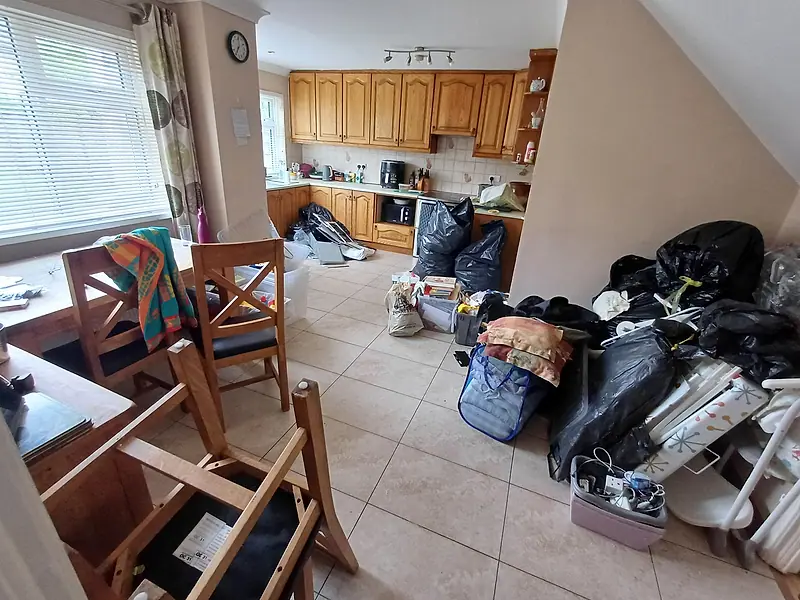
Most tenancies end tidily. Some don't. A tenant stops paying, stops answering the phone, and when you finally get in, the flat looks as though they stepped out for milk: clothes in the wardrobe, food in the fridge, post piling up behind the door. Others hand back the keys but leave half their belongings behind. Sometimes there's a simple explanation, such as a tenant who left the country in a hurry or moved in with a partner and never came back for the rest; sometimes there's none at all. Either way, the flat can't be cleaned, repaired or re-let until the contents are dealt with.
We help landlords and letting agents across Dublin with that last part, once they're entitled to do it. This page sets out the usual steps in plain terms, from keeping records to getting the flat ready for viewings. It isn't legal advice: for that, talk to a solicitor or the Residential Tenancies Board (RTB). Our main apartment clearance page covers flats and apartments more generally.
Before anything moves: check where you stand
The order matters. Clearing a flat too early can cause more trouble than the belongings themselves.
- Make sure the tenancy has really ended. A tenant who's behind on rent and not answering hasn't necessarily left. The RTB's website explains what's generally treated as abandonment and what a landlord is expected to do.
- Try to make contact, and keep a record. Calls, texts, emails, and a letter to the flat and to any other address you have. Note the dates.
- Read the RTB's guidance on goods left behind. It's the place to start on what to do with belongings a tenant hasn't collected.
- Take advice if anything is unclear. Particularly if money is owed, there are valuables in the flat, or the tenant has been in touch to dispute things.
Only once you're satisfied you can deal with the contents should you book the clearance. When you are, we can often come within a couple of days.
Photograph and list everything first
Before a single bag is filled, record what's there. It protects you if the former tenant comes back with questions, and the same photos give us everything we need to price the job.
- Walk through with your phone recording. A slow video of every room, opening wardrobes, presses, the fridge and the space under the beds, with the date noted.
- Photograph anything of value close up. Laptops, bikes, jewellery, instruments, anything that looks expensive.
- List personal documents separately. Passports, bank statements, letters from Revenue or the Department of Social Protection, medical papers.
- Note the meter readings and the keys you hold.
- Keep it all in one place. A single folder with your contact attempts, the photos and the list.
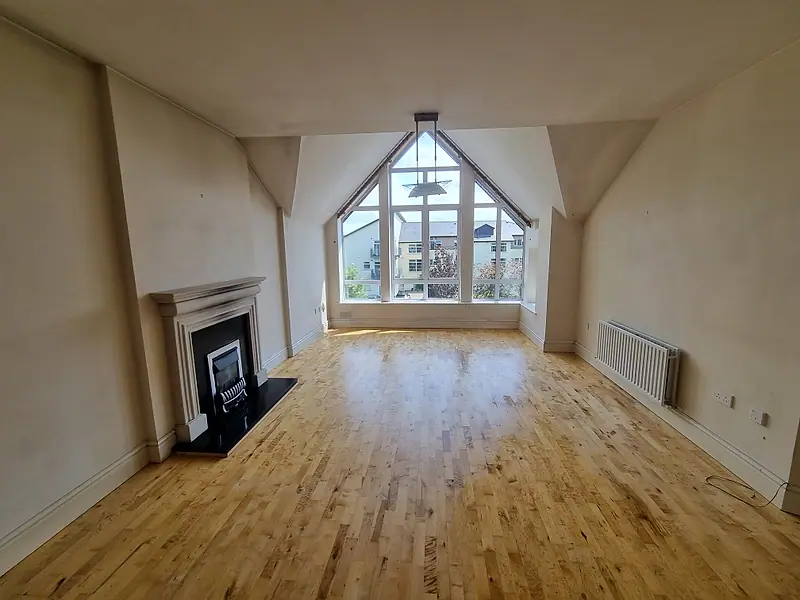
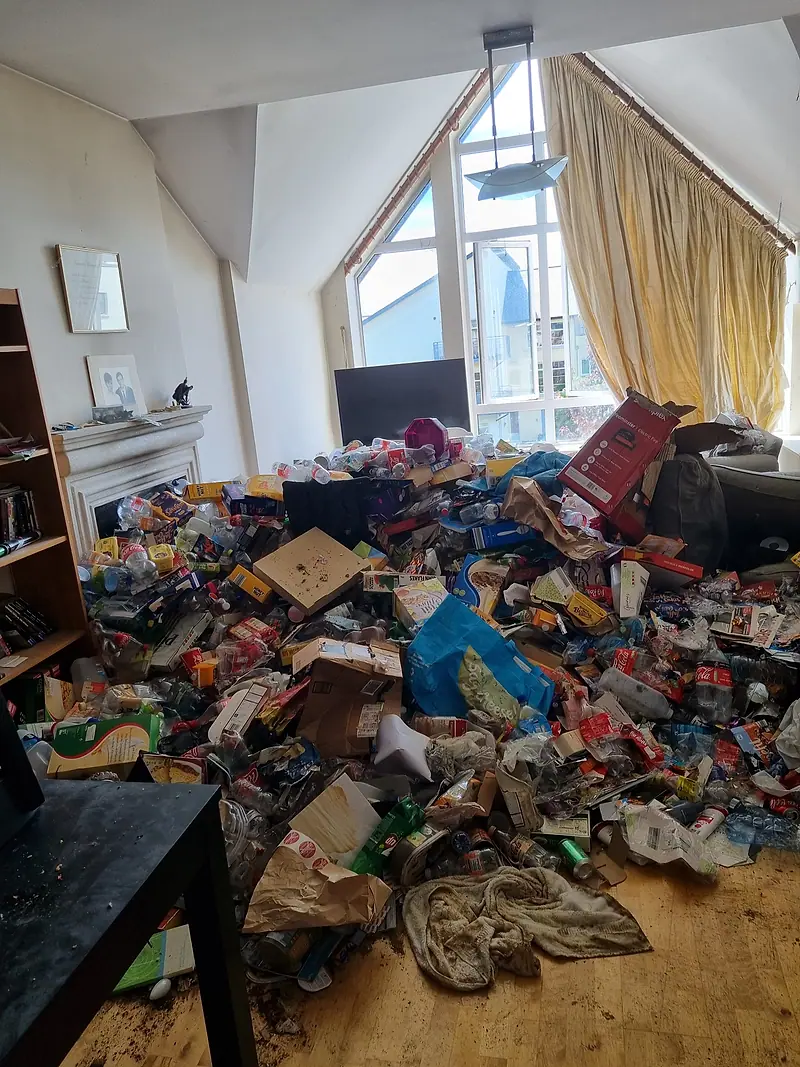
 spotless.ie
What we set aside, and how
A flat left in a hurry often holds things nobody should throw away. As we work, we watch for:
- passports, driving licences, birth certificates and other ID
- bank cards, cheque books, cash and anything that looks like financial paperwork
- photographs, letters and personal papers
- jewellery, watches, phones, laptops and tablets
- medication and prescriptions
These go into labelled boxes, kept apart from everything else and left wherever you tell us on site, such as a locked room or your garage. If you'd rather we boxed up all of the tenant's belongings and held off on clearing them for now, we can do that and come back for the rest later.
Former tenants do sometimes reappear, often weeks later and usually asking about documents or one particular item. That's when the boxes and your records earn their keep. Arrange a time for them to collect, have someone there, and ask them to confirm in writing or by text what they've taken. If they want something that's already gone, your dated photos and notes show what was there and when the flat was cleared.
If the tenant has died, it's a different situation. Their family or the person handling the estate will want to be involved, and the belongings should be handled gently. Our bereavement house clearance service explains how we work with families.
Clearing the flat for re-letting
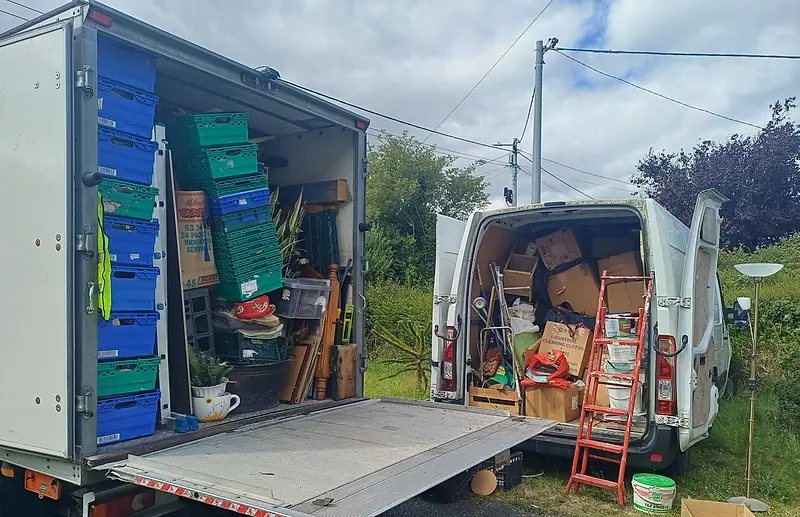
Once you're ready, the clearance itself is straightforward. We bag up food from the fridge and presses, carry out furniture, mattresses and bags, and sort what we load: reusable items are set aside where possible, appliances, metals and electricals go for recycling, and the rest goes to licensed facilities. Spotless is an authorised waste carrier (permit NWCPO-25-13287-01) and fully insured, and nothing from the flat goes into the building's bins.
We can't take needles, gas canisters, paint, solvents, oils or chemicals, so those need to go to a civic amenity site or hazardous waste collection before the day. A flat packed so tightly that you can't walk through the rooms is a slower job again; our hoarder clearance for Dublin landlords page explains how we clear the exits first and work through it.
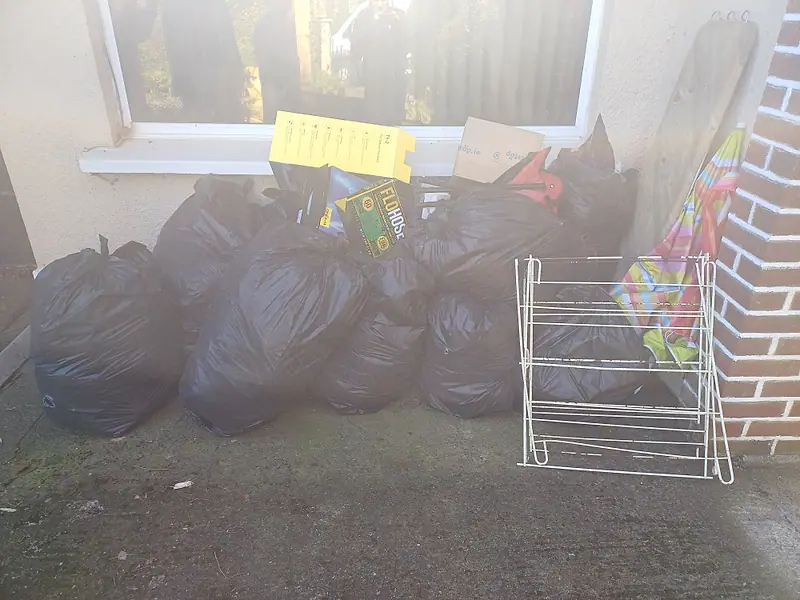
After us, most landlords line up the rest of the turnaround in this order:
| Step | Who | Why this order |
|---|---|---|
| Clearance | Us | Nothing else can start until the rooms are empty |
| Repairs and painting | Your tradespeople | Easier with bare rooms and floors |
| Carpets and upholstery | Us or your cleaner | After the dust from repairs has settled |
| Cleaning | Your cleaner | Last, so the flat is fresh for viewings |
| Photos and viewings | You or the agent | Once everything is finished |
We also do carpet cleaning in Dublin, and our guide to preparing a rental property covers the wider turnaround.
A tenant's belongings still in the flat? Once you're entitled to clear it, send us the photos you've taken and the address. We'll come back with a fixed price and the earliest date we can do.
Keys, access and landlords who live elsewhere
Plenty of landlords don't live near their rental flats, and some live abroad. That's fine. The letting agent, a caretaker or a neighbour can let us in, and we'll send photos on WhatsApp before we start and once the flat is empty.
For whole houses between tenancies, see property clearance for Dublin landlords. For flats in older converted houses with a shared hall, flat clear-outs in Dublin explains how we deal with the stairs and the neighbours. And in a managed block, the managing agent may need notice before the lift can be booked; apartment clear-outs in managed blocks covers that side.