
When the lease runs out on a Dublin unit
The end of a commercial lease puts a date on everything. The stock has to be sold or moved, the staff are winding down, the landlord wants the unit back in the condition the lease describes, and the agent may already be lining up the next tenant. The clearance is the part that turns a working warehouse into an empty one, and it has to land before that date, not on it.
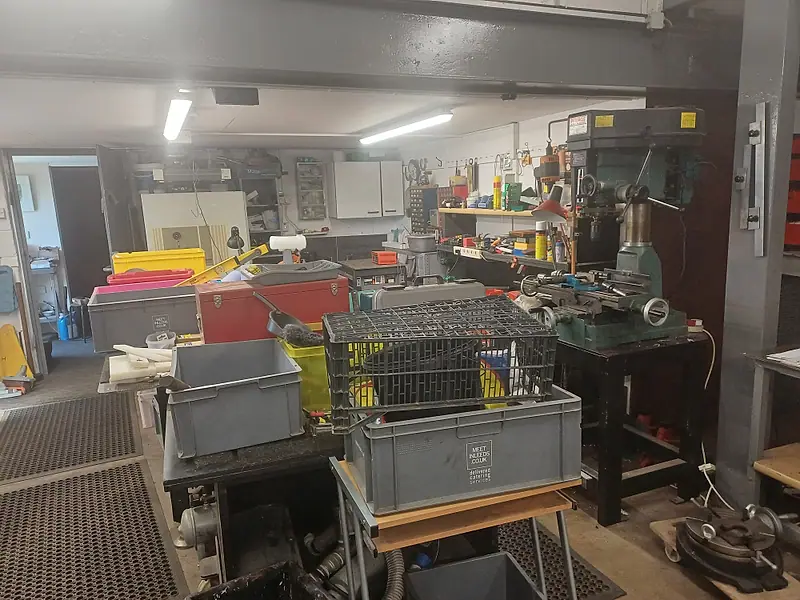
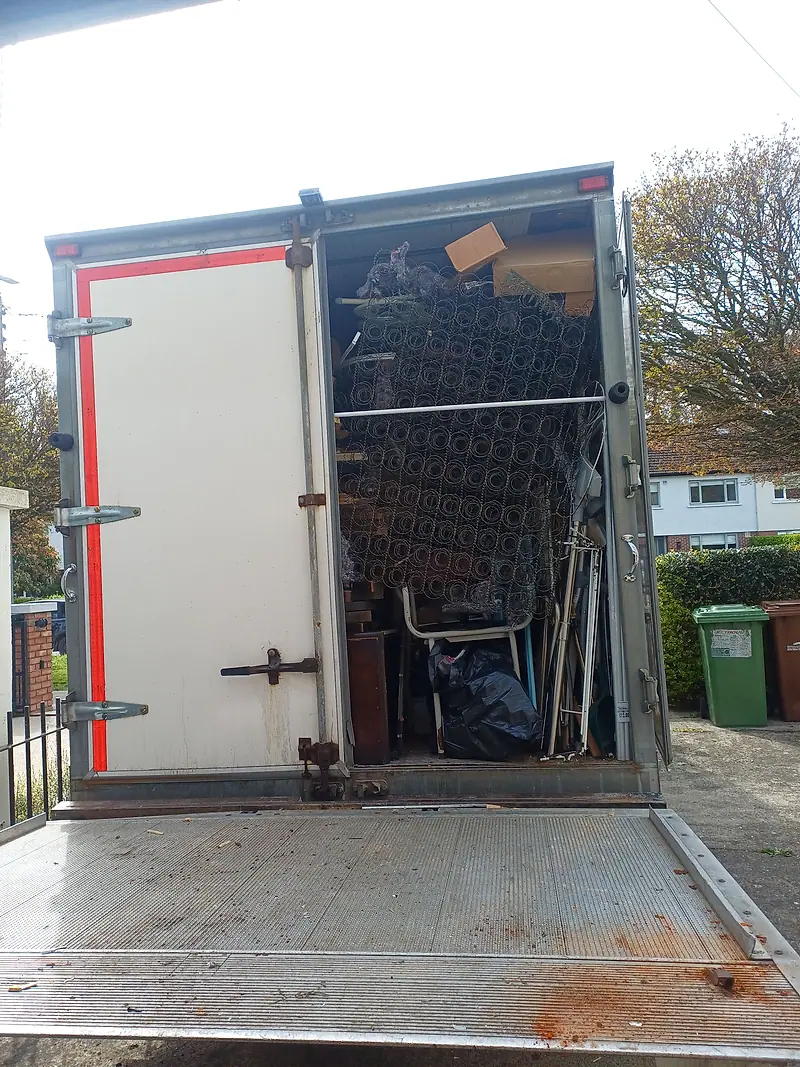
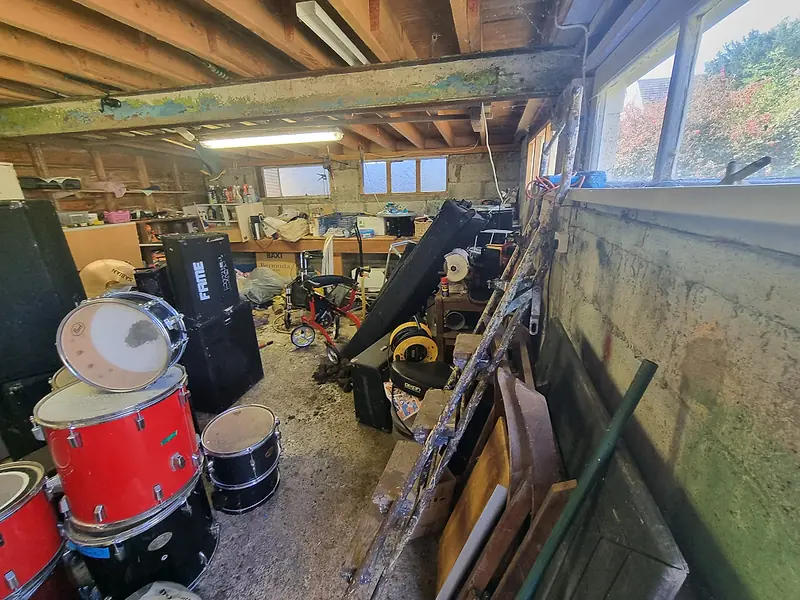
We clear warehouses and industrial units across Dublin at the end of leases, from a small trade unit to a large shed with offices and a yard. What we bring to it:
- A staged plan that follows your wind-down, so the clearance never gets ahead of the business.
- One fixed price for every stage, agreed at the start.
- Direct contact with the landlord or agent for keys and access, if that suits you.
- Photos as each stage finishes, and a final set of the empty unit.
- An authorised waste carrier, permit NWCPO-25-13287-01, fully insured on every job.
For how commercial clearances work generally, see the parent page on factory and warehouse clearance. This page is about the handback.
What the lease asks for, and which part is ours
Every lease is different, and we're not solicitors or surveyors, so take advice on your own. In broad terms, though, a lease usually asks for some mix of the things below, and it helps to know early who does what.
| What the lease may ask for | Who usually does it |
|---|---|
| The unit empty of stock, furniture, equipment and rubbish | Us |
| Free-standing shelving and light racking removed | Us |
| The yard cleared of pallets, scrap and rubbish | Us |
| Floors swept and left clear | Us |
| Anchored pallet racking, mezzanines and partitions taken out | A racking or strip-out contractor |
| Signage, data cabling and fixed fittings removed | A sign company, an electrician or a fit-out contractor |
| Repairs, redecoration and making good | A builder, under the dilapidations process |
| Concrete yard or paths washed | Our power washing crew, if you want it |
The clearance usually comes first. An empty unit makes it far easier for a surveyor to assess dilapidations, and for any contractor to price and do their part. The office side of a lease exit, including the term "dilapidations", is explained in our guide to planning an office clearance.
Working with the landlord or the agent
By the last weeks of a lease, the keys are often in someone else's hands. You might have moved to a new site, the landlord's agent might hold a set for viewings, or a liquidator or accountant might be managing the exit. We can work with any of them:
- Access arranged directly with whoever holds the keys, on dates that suit the building.
- Viewings respected. If the agent is showing the unit, we'll plan around those times and keep the frontage clear.
- A clear end point. We confirm by message when each stage is done and send dated photos of the empty unit, which are useful if anything is queried at the inspection.
If the landlord is selling or re-letting and wants the whole property turned round, our property clearance page explains how we work to handover dates.
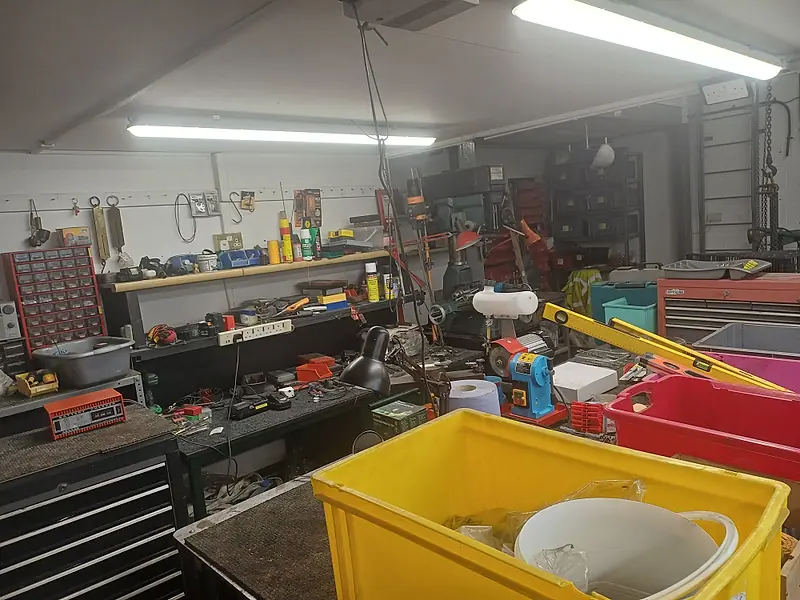
 spotless.ie
Clearing in stages while the business winds down
A business closing a unit rarely stops all at once. Orders go out for a few more weeks, stock is sold off or moved, a dealer collects the racking that sold, and only then is the place ready to be emptied. Clearing in stages keeps the space usable for as long as you need it.
- While you're still trading. We take out the volume nobody needs: broken pallets, obsolete packaging, damaged stock, the back corner that filled up years ago. That frees space for picking and packing the last orders.
- After the last dispatch. Shelving, workbenches and the canteen come out, along with the office on the mezzanine once the team has moved.
- Collections in between. If machinery, racking or vehicles have been sold, give us the buyers' collection dates and we'll work around them.
- The final visit. The yard, the last corners and anything that turned up late, then a sweep and a walk-round before the keys go back.
Our hours are Monday to Saturday, 8am to 5pm, and early starts or Saturdays can be arranged when the yard is quieter.
Handing a unit back at the end of a lease? Send photos of each area, the yard and any offices, with your handback date. We'll reply with a staged plan and one fixed price.
Waste records for your files
When a business leaves a unit, someone, whether a director, the accountant or the landlord, may later ask where everything went. Keep:
- our written quote, which lists what we agreed to clear
- the invoice, naming the premises and the date of each visit
- our permit number, NWCPO-25-13287-01, which you can check on the NWCPO public register
- the photos of the empty unit we send at the end
Electricals, including canteen appliances, PCs and printers, go to electrical recycling, and metal shelving to metal recycling. We don't provide a data-destruction service, so wiping or removing drives on old computers is the business's responsibility before we arrive. We also don't issue destruction paperwork for branded or recalled stock; that part needs a specialist.
What to sort out before the last month
The exits that go smoothly are the ones where the awkward items are dealt with early, not in the final week:
- Hazardous materials. We can't take chemicals, oils, solvents, gas cylinders or paint. Book a hazardous-waste contractor early so they're gone before we start.
- Leased equipment. Forklifts, printers and water coolers on lease go back to the leasing company. Label them so they're never loaded by mistake.
- Anything you're selling. Racking, machinery and stock sell better and collect easier before the place is half-empty.
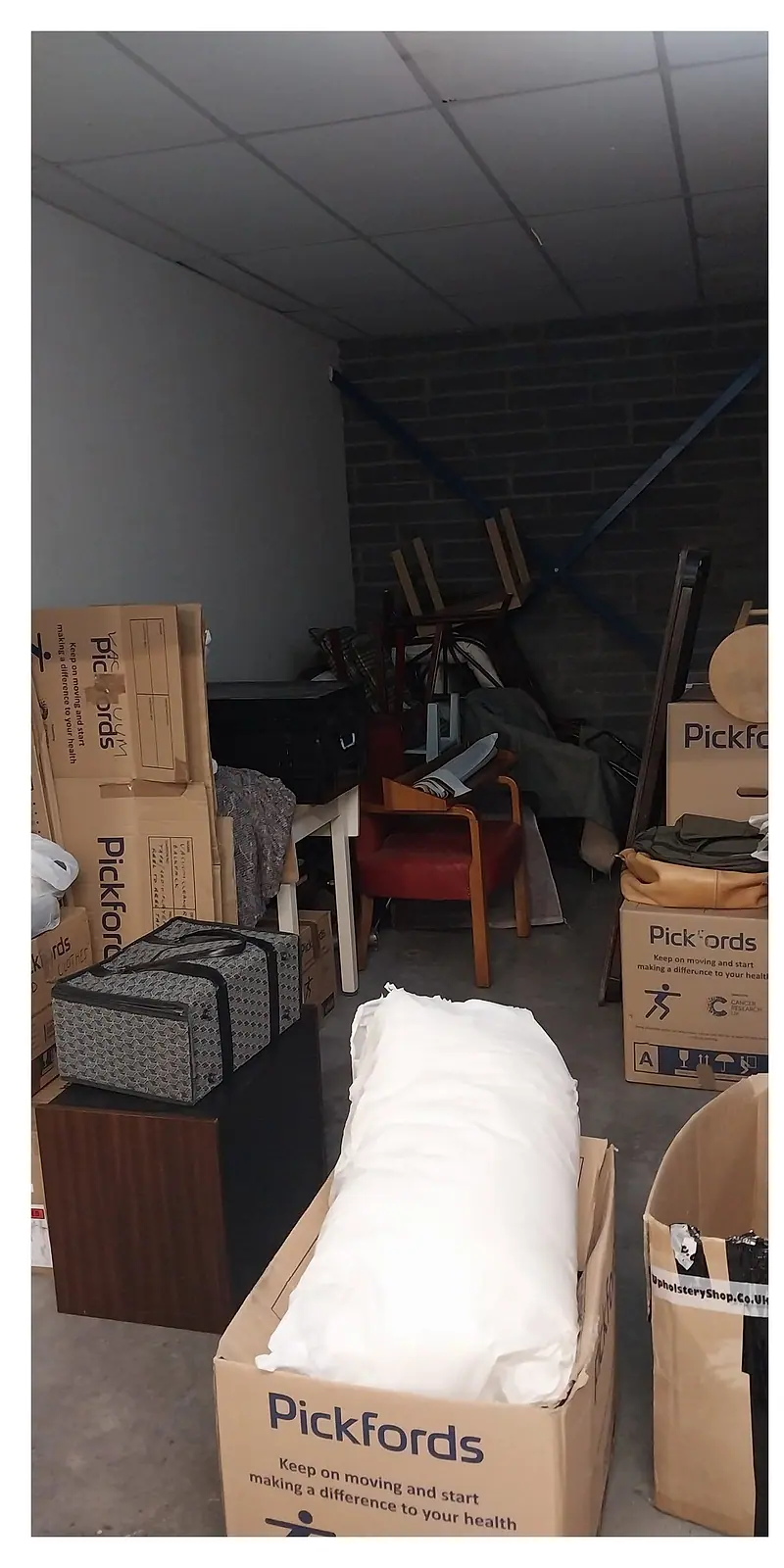
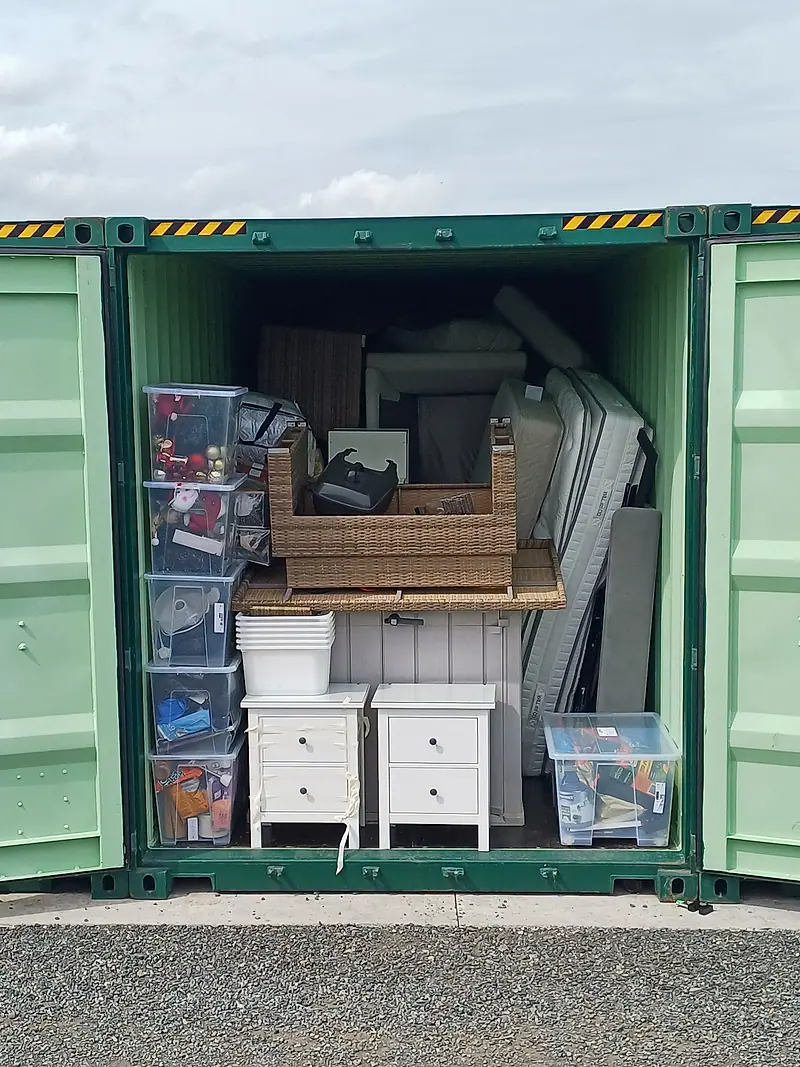
- Stock in self-storage. If overflow stock or files went into a storage unit, clear that in the same plan so you're not paying rent on it after the lease ends. See storage unit clearance.
- The office. If there's a separate office to clear too, see office clearance, and for everyday warehouse work rather than an exit, our Dublin warehouse clearance page covers racking, stock and mezzanines in more detail.