
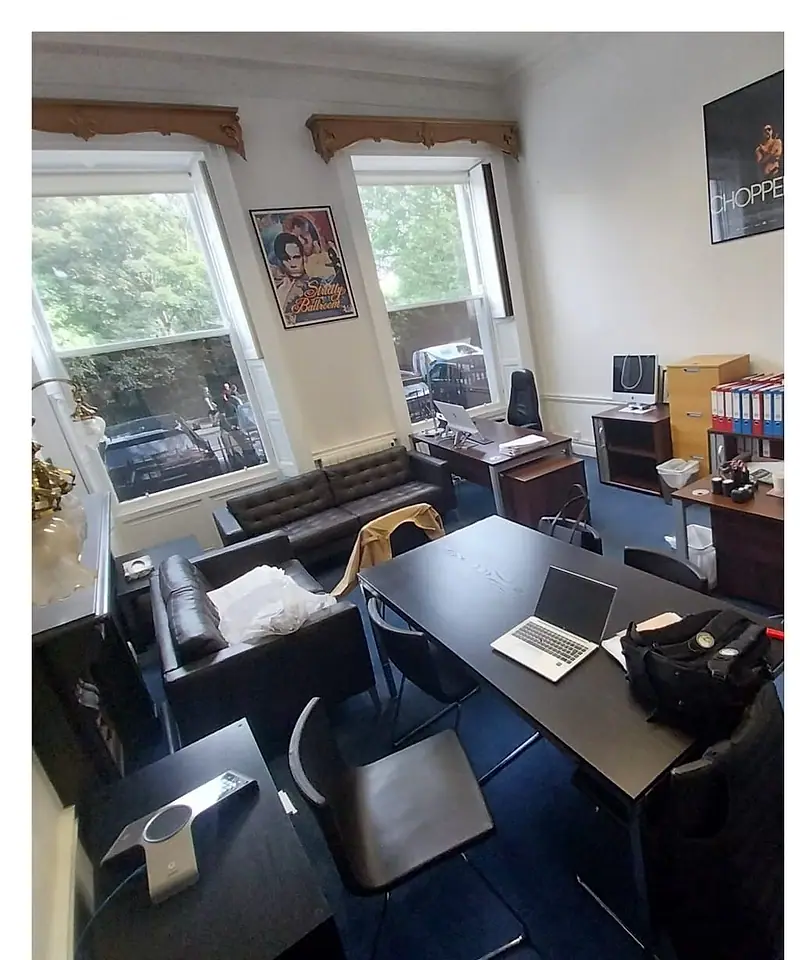
Work back from the handover date
Every office clearance has a date that matters: the end of the lease, the day the new fit-out arrives, or the day you move. Start there and work backwards. The timeline below suits a small or medium office; bigger moves need longer.
| When | What to do |
|---|---|
| 2–3 months before | Read the lease for handback terms; tell the landlord your plans; put one person in charge |
| 6–8 weeks before | Build the inventory; decide what moves, what's sold or donated, and what's cleared |
| 4 weeks before | Agree the IT and data steps; book shredding for confidential paper; get clearance quotes |
| 2 weeks before | Book the clearance, the goods lift and loading; tell building management |
| The week before | Staff clear their desks and personal things; label everything staying or moving |
| The day | Walk through with the crew; confirm what goes; sign off each area |
| Afterwards | Final walk-through with the landlord; meter readings; keys and fobs returned |
The single most useful step is the third one in the first row. One person with the authority to decide, who the landlord, staff and contractors all go to, prevents most of the problems that crop up on the day.
Build an inventory first
An inventory turns a vague "clear the office" into a list of decisions. A simple spreadsheet does the job:
- Item: desk, chair, filing cabinet, printer
- Quantity and location: floor and room
- Decision: moving, selling, donating, returning or clearing
- Owner: who signs it off
- Notes: leased, fixed to the building, or holding data
Then label the physical items to match, with coloured stickers or tape: one colour for "moving", one for "staying with the building", and anything unlabelled goes. Mark leased items, like printers and water coolers, clearly. They go back to the leasing company, not into the van.
IT equipment and data are your responsibility
This is the part that matters most, so be clear about it from the start. Under GDPR, your business is responsible for the personal data it holds, including data on old computers, phones and servers, as well as paper in filing cabinets.
Before any clearance:
- Back up what you need, then decide which devices are being wiped, kept or destroyed.
- Wipe or remove the drives from laptops, desktops, servers and external drives. If in doubt, take the drives out and keep them.
- Don't forget hidden storage. Many multifunction printers and copiers have a drive inside, and phones, tablets and old USB sticks hold data too.
- Return leased equipment to the leasing company, following their process.
- Use a data-destruction company if you need a formal record that drives were destroyed.
- Keep your own record of which devices were wiped or removed, and when.
We don't provide a data-destruction service. When we clear an office, computers, monitors and printers go to electrical recycling, and if you ask, we'll put aside every hard drive we find so you can deal with it. But the data side has to be settled before we arrive.
Paper records and confidential files
Before a filing room is cleared, decide what has to be kept. Some business records must be held for set periods, so check with your accountant or solicitor before anything goes. Confidential paper, such as client files, payroll and HR records, should go to a shredding company. General paper, empty box files, catalogues and packaging can go with the clearance.
Furniture: reuse before you clear
Office furniture is often in better condition than people expect. Before booking a clearance, work down this list:
- Your new office. Will any of it fit and suit the new space?
- Staff. Chairs, monitor arms and small desks often go to good homes.
- The landlord or incoming tenant. Some will keep kitchen units, meeting tables or storage.
- Second-hand dealers. Good desks, chairs and storage can sometimes be sold.
- Schools, charities and community groups. Ring first, as many have limited space.
- The clearance. Whatever's left. Usable items are set aside for reuse where possible, metal and electricals are recycled, and the rest goes to licensed facilities.
 spotless.ie
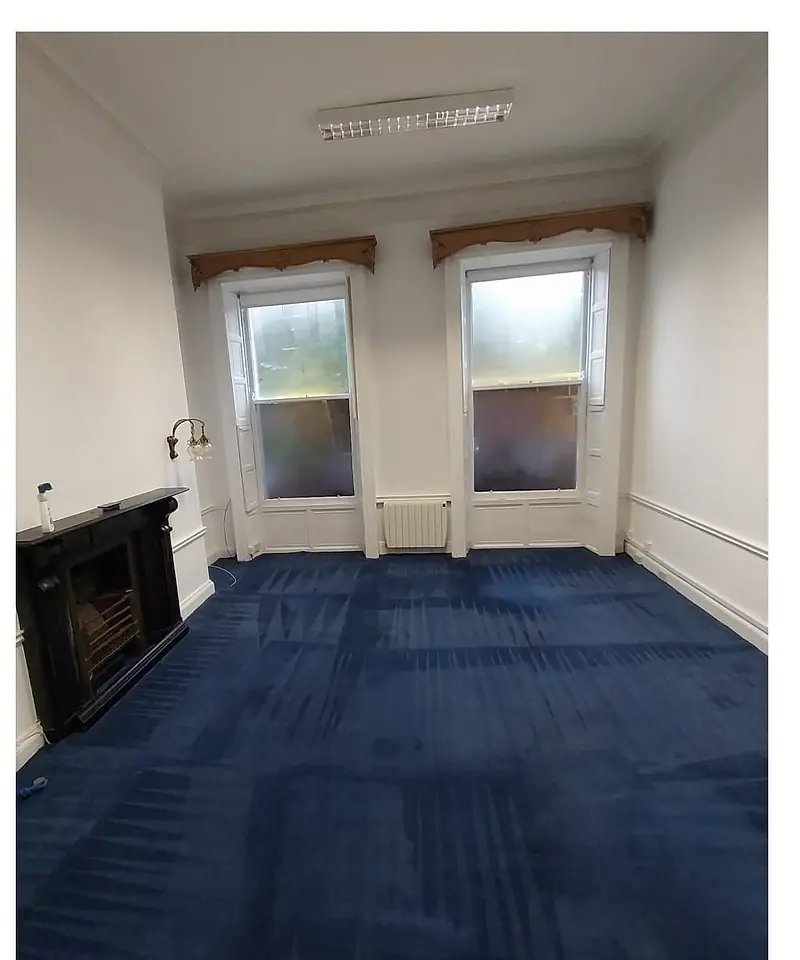
Planning an office move or handback? Send photos of each room and the storeroom, with a note about the lift, parking and your dates. We'll reply with a fixed price, usually the same day.
The landlord, the lease and dilapidations
Most commercial leases say how the space must be left. Look for clauses about yielding up (handing back) the premises and reinstatement, which may require you to remove partitions, signage or cabling you installed. If the landlord serves a schedule of dilapidations, it lists the work they expect before handback.
We're not solicitors or surveyors, so take advice on your own lease. In practical terms, though:
- clear early, so any inspection or dilapidations survey sees an empty space
- take dated photos of every room once it's clear
- record the meter readings on the last day
- collect and return all keys, fobs and access cards
- have fixed items like data cabling or stud partitions removed by an electrician or fit-out contractor if the lease requires it
Building management and the day itself
Multi-tenant buildings have rules. Ask building management early about goods lift bookings, loading bay times, sign-in procedures and lift protection, and ask what paperwork they need from contractors. Pass all of it on to whoever is doing the clearance.
On the day, have one person on site who knows the plan and can make decisions. Keep staff out of the corridors being used for carrying, and walk through each room with the crew before it's cleared.
Office clearance checklist
- Handback date confirmed and lease terms read
- One person in charge, with authority to decide
- Inventory complete and items labelled
- Data backed up, and drives wiped or removed
- Leased equipment returned
- Confidential paper shredded by a specialist
- Furniture offered for reuse first
- Goods lift and loading booked, and building management told
- Clearance booked with a permitted waste collector
- Final photos taken, meters read and keys returned
When to bring us in
Our office clearance service handles the physical side: dismantling desks and workstations, clearing storage and electricals, and leaving the space empty and swept, with early starts or Saturdays by arrangement. Once the office is empty, it's the easiest moment to have the carpet tiles cleaned before handback; see commercial carpet cleaning.
For units with racking, pallets and stock, see factory and warehouse clearance. If only a few pieces need to go, furniture removal is simpler, and for bags of general office waste, junk removal will do. Files and furniture sitting in self-storage? See storage unit clearance. Landlords and agents handing over a whole building will find our property clearance page useful, and what happens to furniture after a clearance explains where everything ends up.
