
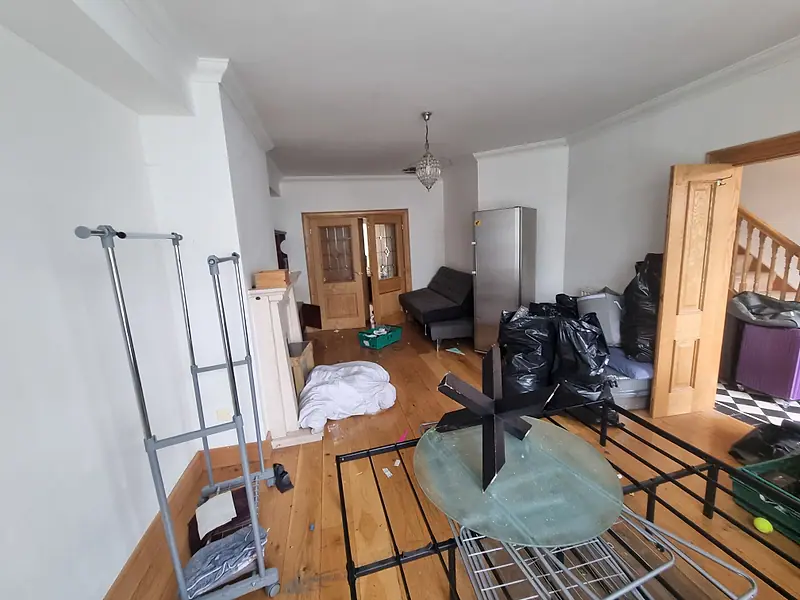
Three reasons an apartment empties, and one building
Apartments in Dún Laoghaire are cleared for three main reasons. An owner is selling and the buyer expects vacant possession. A tenant is leaving, or a landlord is turning the flat around between lets. Or someone has died, and the family is clearing an estate. The paperwork is different in each case, and so is the person giving instructions, but the building is the same, and the building sets most of the rules.
This guide is about those rules: the lift, the management company, the parking, the stairs in the older buildings, and the last look round before the keys go back. It applies to the blocks near the seafront and the harbour, the apartments around the town centre, and the flats in converted period houses and above the shops on George's Street. For the service itself, see apartment clearance in Dublin, and for the town's houses, house clearance in Dún Laoghaire.
What changes with the reason
- A sale. The contract lists the fixtures and fittings that stay. Check it before anything built in is touched, and aim to have the apartment empty a few days before closing, not on the morning of it.
- A tenancy ending. The inventory decides what belongs to the landlord. Tenants take only what is theirs. For landlords and agents, see preparing a rental property.
- An estate. The executor, or the person they name, gives the instructions, and anything personal is set aside for the family. See bereavement house clearance and the Sandyford apartment guide.
Who to tell before you book
In a managed block, the lobby, lifts, corridors and car park belong to the owners' management company, and a managing agent or concierge runs them day to day. Their rules protect shared property that every owner pays to repair.
Contact them before you fix a date, and ask four things:
- Which days and hours moves are allowed. Many blocks keep them to weekday working hours.
- How the lift is booked, and whether padded covers are available for it.
- Where a van should stop, and for how long.
- Whether they want notice in writing, and what it should include.
Give them our name, the date and the times. If they ask for insurance details, we send them on request. We are fully insured and an authorised waste carrier, permit NWCPO-25-13287-01.
In a converted house or a flat over a shop there may be no management company at all, just a landlord and a few neighbours. A word with each of them the week before does the same job.
The lift: book it first, then measure it
The lift decides the pace of the day, so book it before you confirm the date with us, and ask for the longest slot the building will give you.
Then measure. Note the width and height of the lift doors and the depth of the car, and compare them with the sofa, the wardrobe, the bed frame and the fridge-freezer. Anything that does not fit comes apart in the apartment or goes down the stairs. Most beds, wardrobes and tables dismantle. A fridge-freezer does not, so if it will not fit the lift it goes down the stairs on a trolley, and we need to know that in advance.
On the day we hang the covers before the first load, stage everything by the apartment door, and send full loads down in quick trips so neighbours are not left waiting. Fire doors are never wedged open. Our general guide to clearing an apartment covers lifts and corridors in detail.
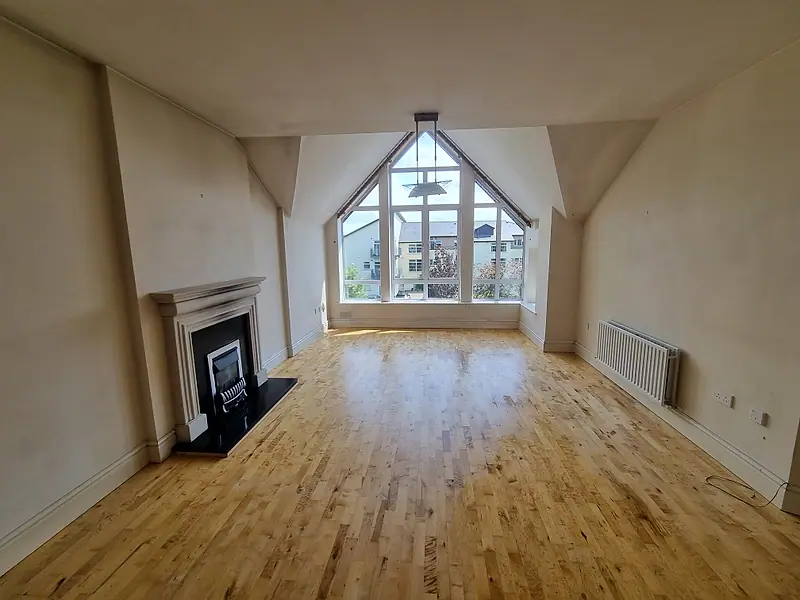
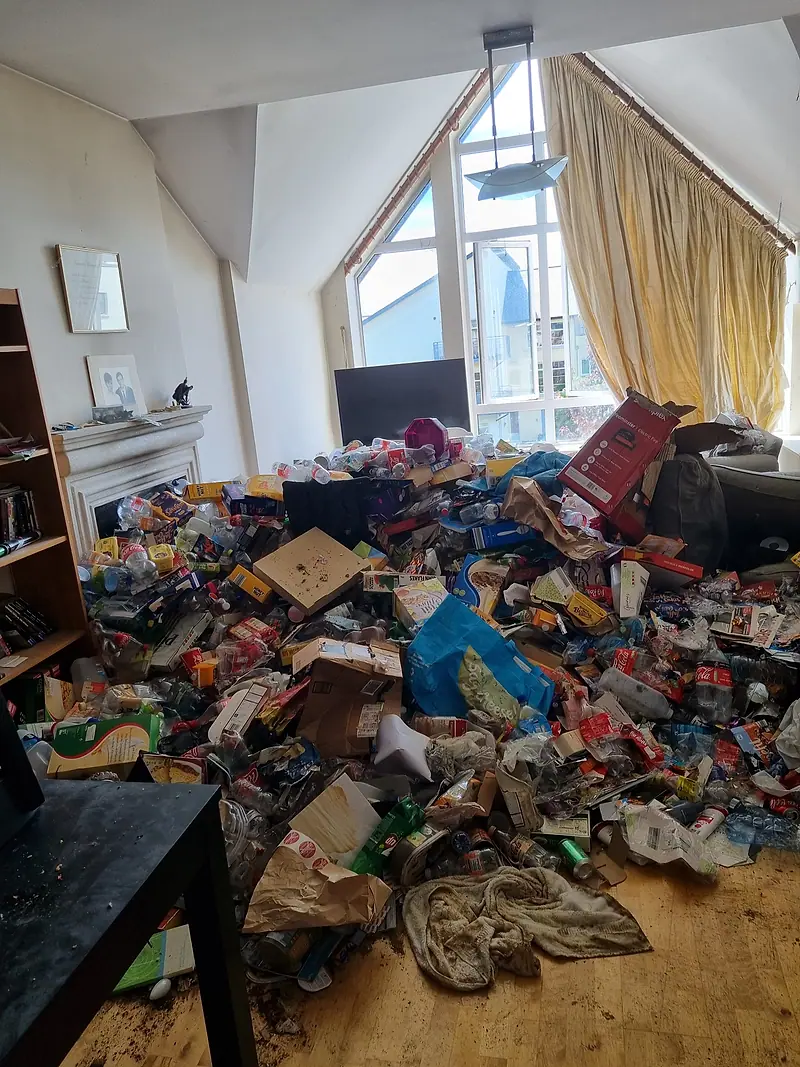
 spotless.ie
Parking and loading by the seafront and in the town centre
Parking is where an apartment clearance in Dún Laoghaire most often goes wrong. The town centre and the roads near the seafront are mostly pay-and-display or permit parking, and on a fine day or a weekend the seafront fills early. Three things help.
Choose a weekday morning where you can. The streets are quieter, the managing agent is more likely to be on site, and the lift is less in demand.
Find the stopping place before the day. Walk out to the entrance a few days before, read every sign within sight of it, and send us a photograph of the kerb. If the block has a set-down area or a loading bay, ask whether it can be held for the morning.
Do not count on the basement. Underground car parks have height barriers at the entrance, and our Luton van is too tall for them. We load at ground level or on the street, so the walk from the lift lobby to the nearest legal stopping place is part of the plan. Everything is staged inside first and the van is loaded in short runs, so it never stands empty on a busy road.
Stairs-only buildings: converted houses and flats above shops
Not every apartment in Dún Laoghaire is in a block with a lift. Many are flats in Victorian houses on the roads up from the harbour, and others are above the shops in the town centre, reached through a side door and a steep stairwell. These need a different plan.
- Everything comes apart upstairs, so wardrobes, beds and tables clear the banisters and the turn of the stairs.
- Carrying is a chain, not a relay. Items are passed down and straight onto the van, so nothing sits in the hall.
- The shared stairs are covered before anything heavy moves, and corners are protected.
- The footpath is kept clear. With a side door straight onto the street and a shop trading below, the door is never blocked for long.
- Allow more time. Three flights by hand take longer than three floors by lift, and the price we give you reflects that from the start.
Tell the other occupants the day before. A neighbour who knows the van is coming is a neighbour who does not mind it.
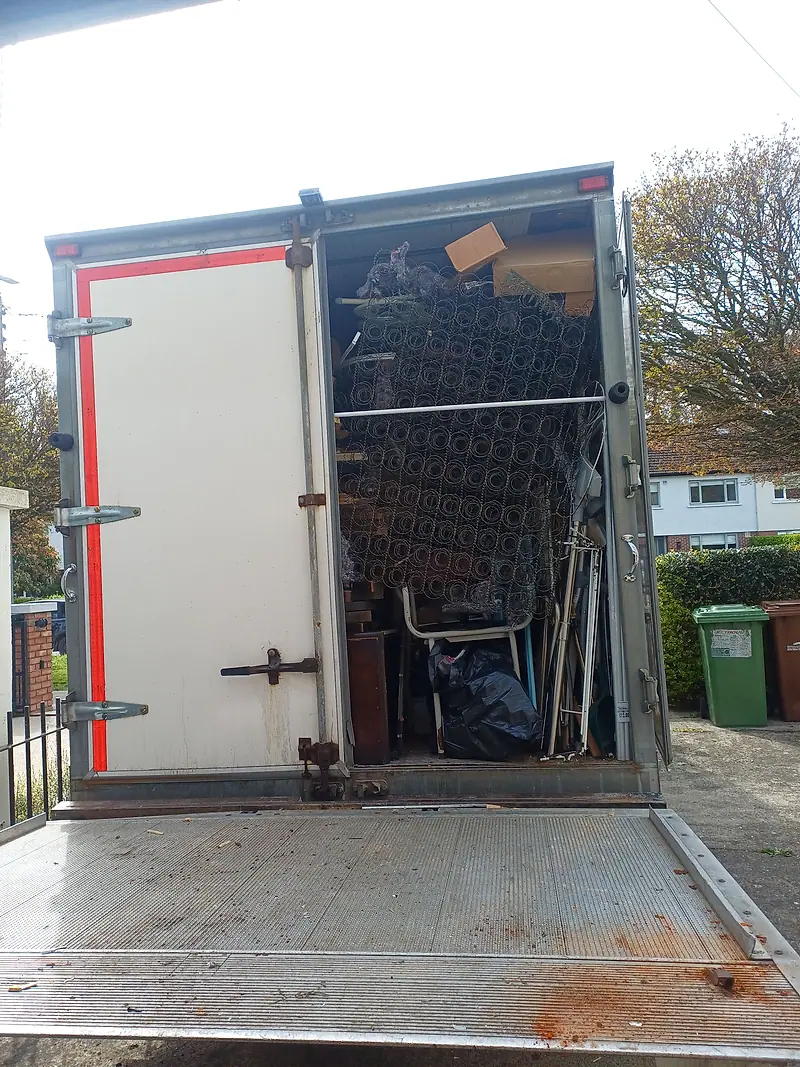
Clearing an apartment in Dún Laoghaire? Send a photo of each room, the balcony and the lift on WhatsApp, with the floor number and a line about parking and the building's rules. We will reply with a fixed price in writing.
White goods, built-in furniture and what stays with the apartment
What stays depends on who owns the apartment and why it is being emptied, so this is where to be careful.
Appliances
Freestanding appliances come with us and go for recycling. A little preparation saves time on the day:
- Empty and switch off the fridge-freezer a day or two before, and leave the door open so it defrosts and dries.
- Turn off the water to a washing machine or dishwasher at the valve.
- A gas cooker should be disconnected only by a Registered Gas Installer, and a hard-wired electric cooker or hob needs an electrician. We do not disconnect either, so arrange this before the day.
- Integrated appliances built into kitchen units usually stay with the apartment. Check the contract or the inventory before asking for them to be removed.
Fitted and built-in furniture
Fitted wardrobes, kitchen units, built-in shelving, blinds, curtain poles and light fittings are normally fixtures and stay with the property. In a sale, the contract lists them. In a let, the inventory does. In an estate, the agent may want a few pieces left in place for the photographs, and the executor should agree that before the day.
We clear the contents and the freestanding furniture, and we do not strip out fitted units or dismantle kitchens. If a buyer has asked for something built in to be taken out, mention it when you send photos and we will say whether it is a job for us or for a carpenter.
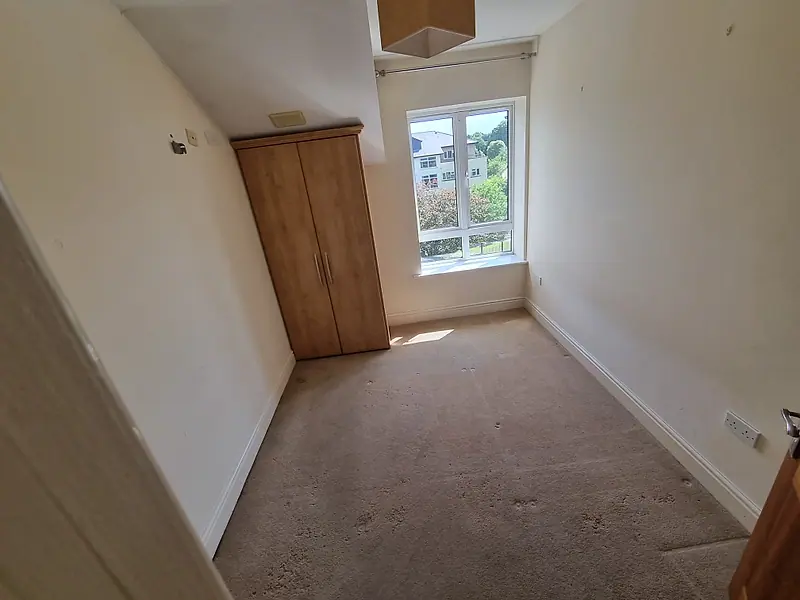
The final inspection before the keys go back
The walk through at the end is where the job is judged, by a buyer's solicitor, a landlord's agent or a family seeing the empty rooms for the first time.
- Walk every room with the lights on, and open every press, the hot press and the tops of the wardrobes.
- Check the balcony, the storage cage, the bike store and the meter cupboard in the corridor. The cage in the basement is the thing most often forgotten.
- Read the meters and photograph the readings.
- Photograph every room, dated, including the inside of the presses. We send our own photographs of the empty rooms as well. Keep both sets until the sale closes or the deposit is returned.
- Gather every key and fob: the front door, the apartment door, the car park gate, the bin store, the storage cage and the post box. Return them to whoever you have agreed, and get a line in writing saying they were received.
- Decide about the floors. We leave the rooms clear and the floors swept or vacuumed. If the apartment is being let or sold, cleaning the carpets by hot-water extraction once the rooms are empty is a small job with a visible result, and we quote it with the clearance; see end-of-tenancy carpet cleaning. A full domestic clean of the kitchen and bathroom is not something we offer.
A timeline from the date to the keys
| When | What to do |
|---|---|
| As soon as you have a date | Check the contract, lease or inventory for what stays. Tell the managing agent. Send us photographs. |
| Two to three weeks before | Book the lift and any loading bay. Confirm the date with us. Offer furniture to family. |
| The week before | Tell the neighbours. Book the gas installer or electrician if needed. Agree who holds the keys. |
| Two days before | Defrost the fridge-freezer. Turn off the water to the washing machine. Mark anything staying. |
| The day | Lift covers on, loads staged by the door, fire doors closed, van loaded in short runs. |
| Afterwards | Final inspection, photographs, meter readings, keys and fobs returned. Carpets cleaned if needed. |
If the date is driven by a sale closing or a lease ending, our guide on when to book a clearance in Dún Laoghaire goes through the timing in more detail, and the Dún Laoghaire overview covers all three of our services in the town.
Getting a price
An apartment quote needs a little more than a house quote, because the building is part of the job. Send us:
- a photograph of each room, the balcony and any storage cage
- the floor number, and whether there is a lift or only stairs
- a photograph of the lift doors, the entrance and the street outside
- the building's rules on hours and loading, if you have them
- the date that matters, and the name of the person giving instructions
We reply with a fixed price in writing, agreed before anything is booked, and nothing is added on the day. We work Monday to Saturday, 8am to 5pm, across Dublin and all of Leinster. Send photos on WhatsApp to 085 202 1222 or use the quote form.
