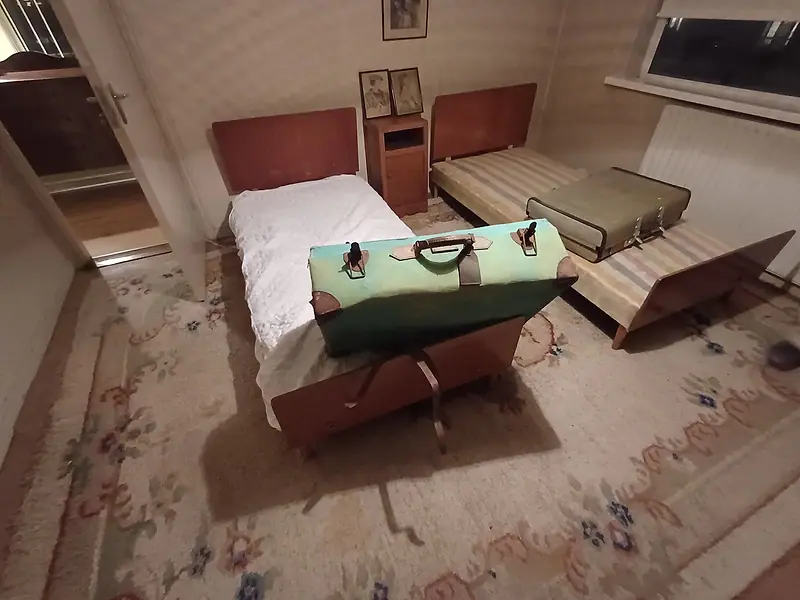

Estate first, market second
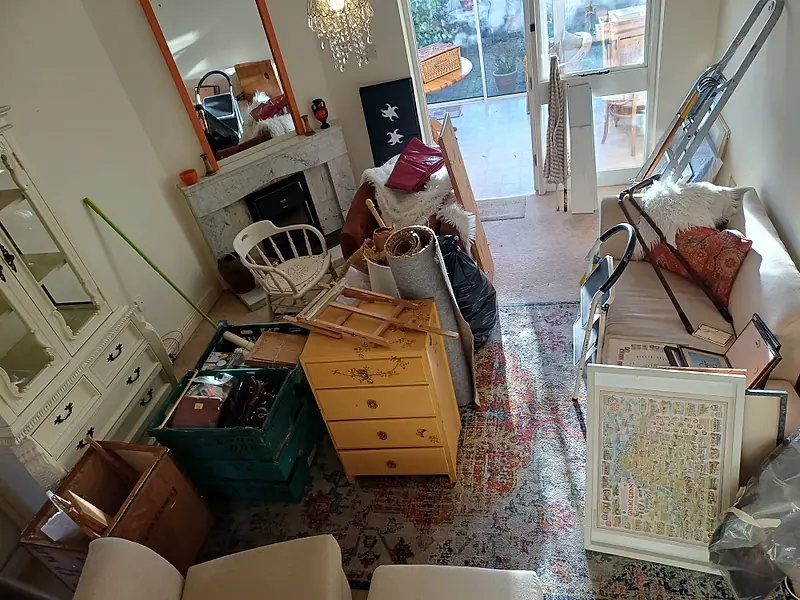
Many older Terenure houses reach the market as part of an estate. Before an estate agent can put up a board, the executor has a list of jobs: the solicitor, the paperwork, the valuations, and a house full of someone's life. The clearance sits in the middle of that list, and getting its timing right can save weeks.
This page is for executors and families selling a Terenure house as part of an estate, and for anyone getting an older house ready for the market. For the house types and loading on terraced streets, see our main Terenure page.
Check these with the solicitor first
A short conversation with the solicitor handling the estate avoids problems later. Ask:
- Do the contents need listing or valuing for the estate paperwork before anything leaves the house?
- Does the will leave particular items to particular people? We'll keep those aside.
- Who can give instructions? Usually the executor, or the administrator if there's no will.
- Is everyone in agreement? A clearance can't be undone, so make sure the beneficiaries are happy with the plan.
We take instructions from the executor or the person they name, and confirm the fixed price with them in writing, on WhatsApp or by email.
Papers worth finding
Older households kept their important things in the house, not online. As we work, we look out for papers and small valuables and put them in one box for the executor:
- bank books, post office savings books and prize bonds
- insurance policies, share certificates and old pension letters
- wills, deeds and letters from solicitors
- cash in envelopes, coat pockets, books and biscuit tins
- jewellery, watches, medals and photographs
Nothing like this goes in a bag. If a whole drawer is papers, it goes in the box unsorted, and you go through it at home.
 spotless.ie
Getting a period house ready to sell
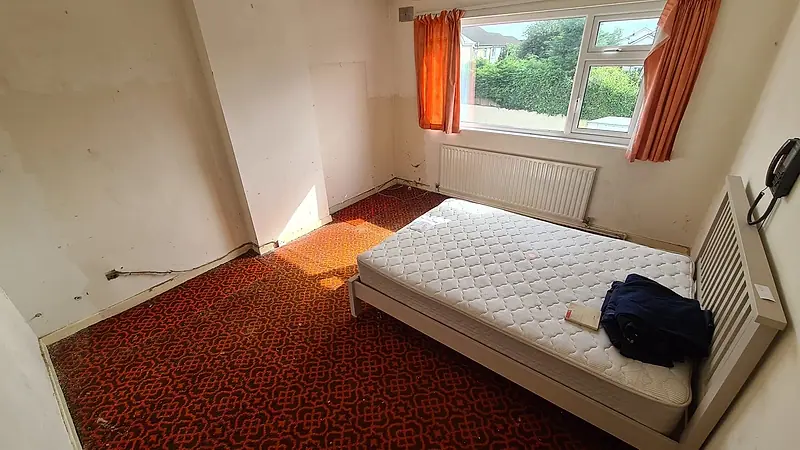
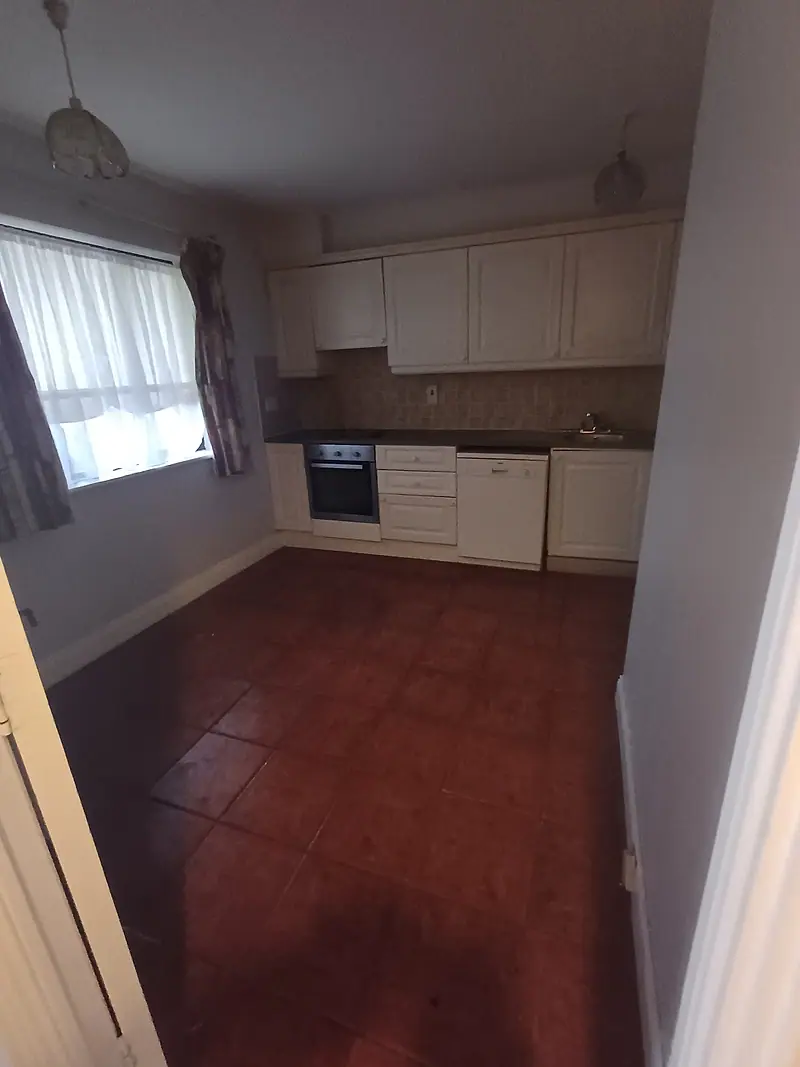
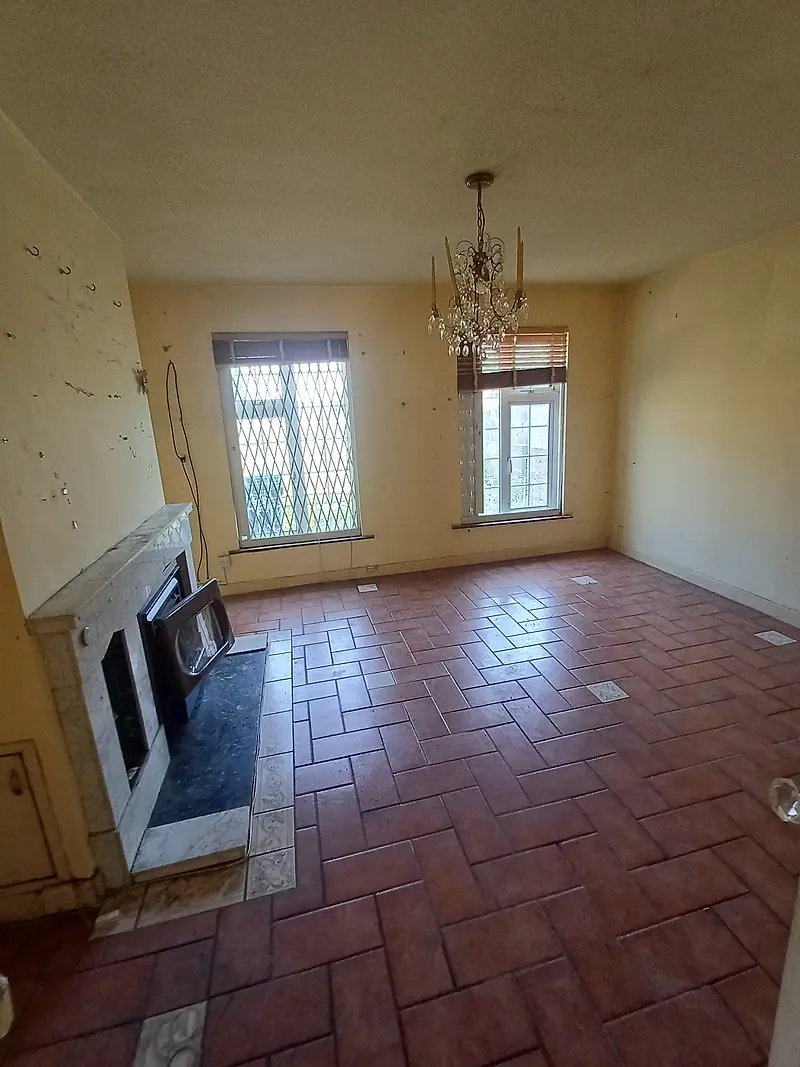
Buyers of older houses usually plan to put their own stamp on them, so an empty house sells the space and the light. Before the photographer arrives:
- Empty the rooms, or leave a few good pieces if the estate agent prefers.
- Clear the attic so the BER assessor can get in to check the insulation; see attic clearance.
- Empty the back garden and the shed, which appear in every photo taken from the back windows; see shed clearance.
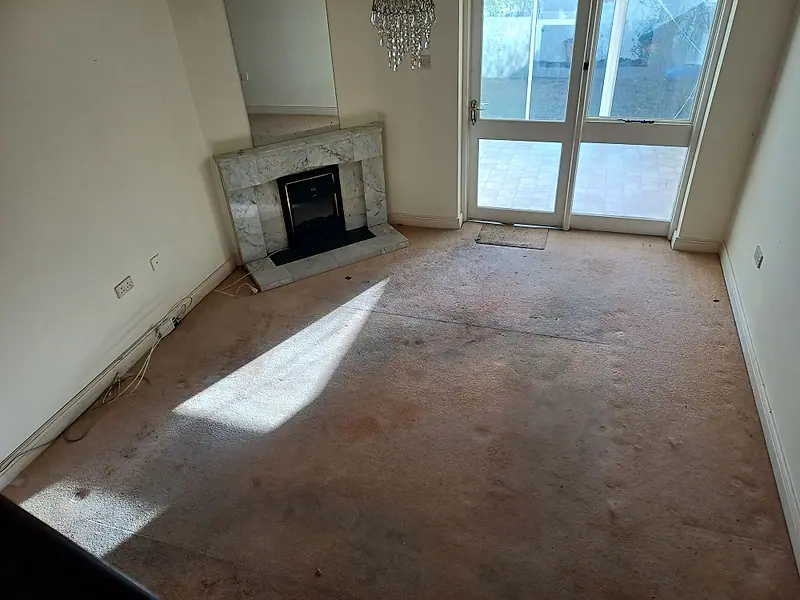
- Sort out the carpets, lifting the worn ones and cleaning the good ones.
Order matters here too. Clear first, then let any painter or handyman in, and have the carpets cleaned last, a day or two before the photographer, so they're dry and fresh in the pictures. If the agent would like a few pieces left to give the rooms some life, tell us which ones, and we'll collect them after the sale goes through.
Our guide to preparing a property for sale has the full checklist. If there's a garage or a garden room, include it in your photos so it's in the price.
Selling a Terenure house as part of an estate? Send photos of every room, the attic and the garden on WhatsApp, with the date the estate agent needs it. We'll reply with a fixed price.
When the family is spread out
Executors are often in one county with siblings in another and a cousin in Australia. We keep everyone in the loop without anyone having to travel:
- photos of each room before we start and after we finish
- pictures of anything set aside, so people far away can say what they want
- keys collected from, and returned to, the solicitor or estate agent
- the clearance split into stages if someone is flying home to go through things
The harder side of this, the grief that comes with clearing a parent's house, is covered on our bereavement house clearance page. If the house became very full in the last years, that's more common than people think, and our hoarder clearance team works through it quietly.
Price, timing and the closing date
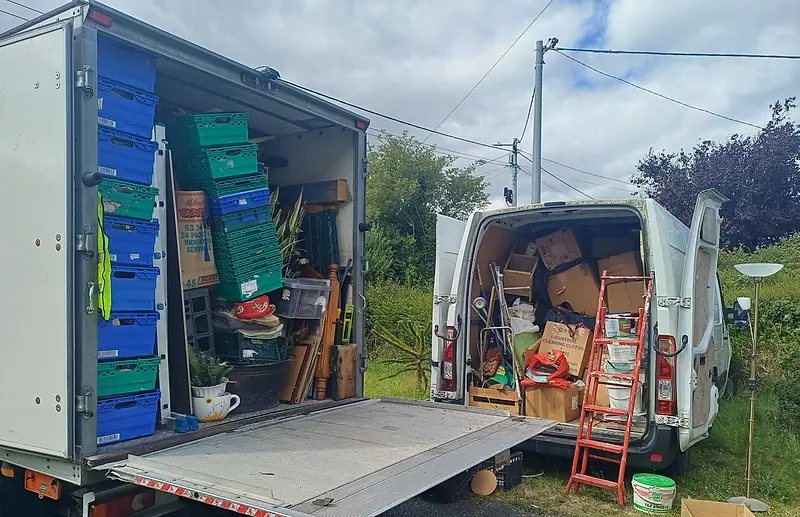
Probate rarely runs to a timetable, so get the price early. Send photos as soon as the solicitor says the house can be cleared, and you'll have a fixed figure ready when the sale date firms up. The price covers the crew, the van and disposal. It depends on the volume, the stairs and the carry to the van, and on items like fridges and mattresses that need their own routes.
Allow up to two days for a three-storey red-brick with a packed attic; a 1930s semi usually needs one. On the day, reusable furniture is set aside, metal and electricals go for recycling, and the rest goes to licensed facilities under our permit, NWCPO-25-13287-01. If the estate includes a flat or an apartment as well, see apartment clearance; for the rest of the city, see house clearance in Dublin.