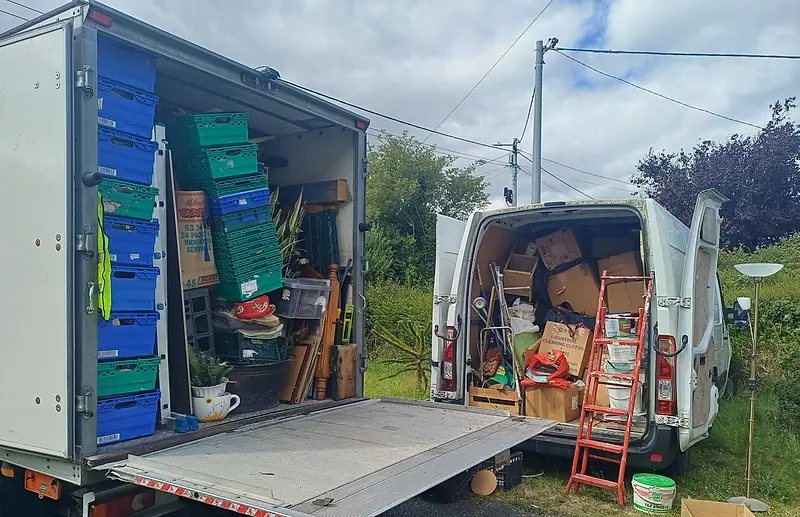

Terraces and cottages by the canal
Harold's Cross runs south from the Grand Canal at Harold's Cross Bridge, along Harold's Cross Road towards Terenure, with Rathmines to the east and Kimmage to the west. Most of it is Dublin 6W. The housing is old and tightly packed: Victorian and Edwardian red-brick terraces on the main roads and around the park, and rows of small cottages, single-storey and two-storey, on the side streets.
These are lovely houses to live in. For a clearance, they bring three constraints: no rear access, small yards, and very little parking. Each one shapes how we work.
Cottages: small, but full
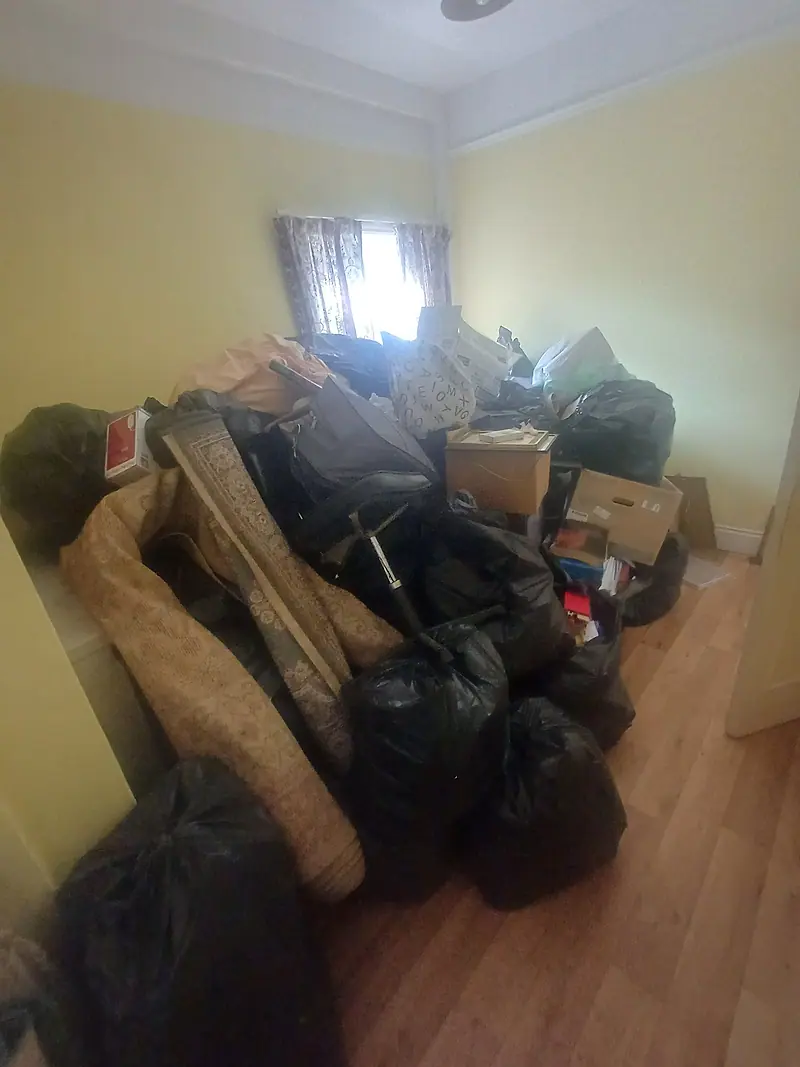
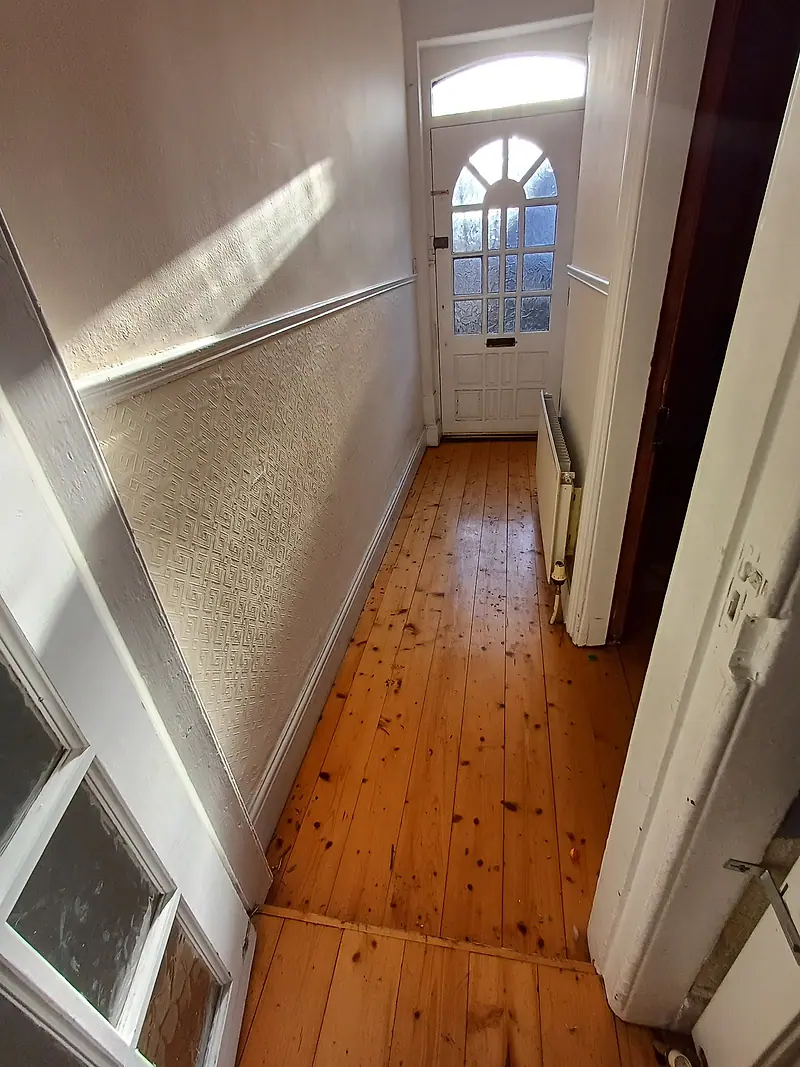
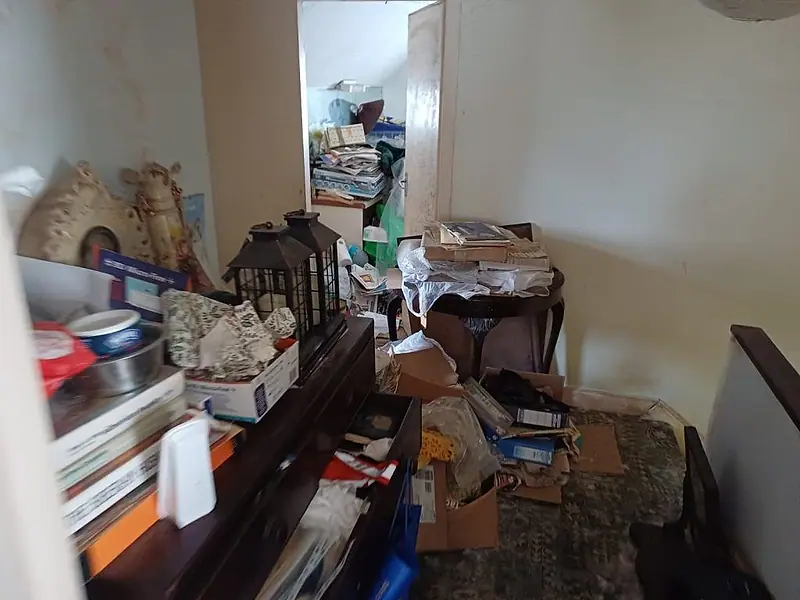
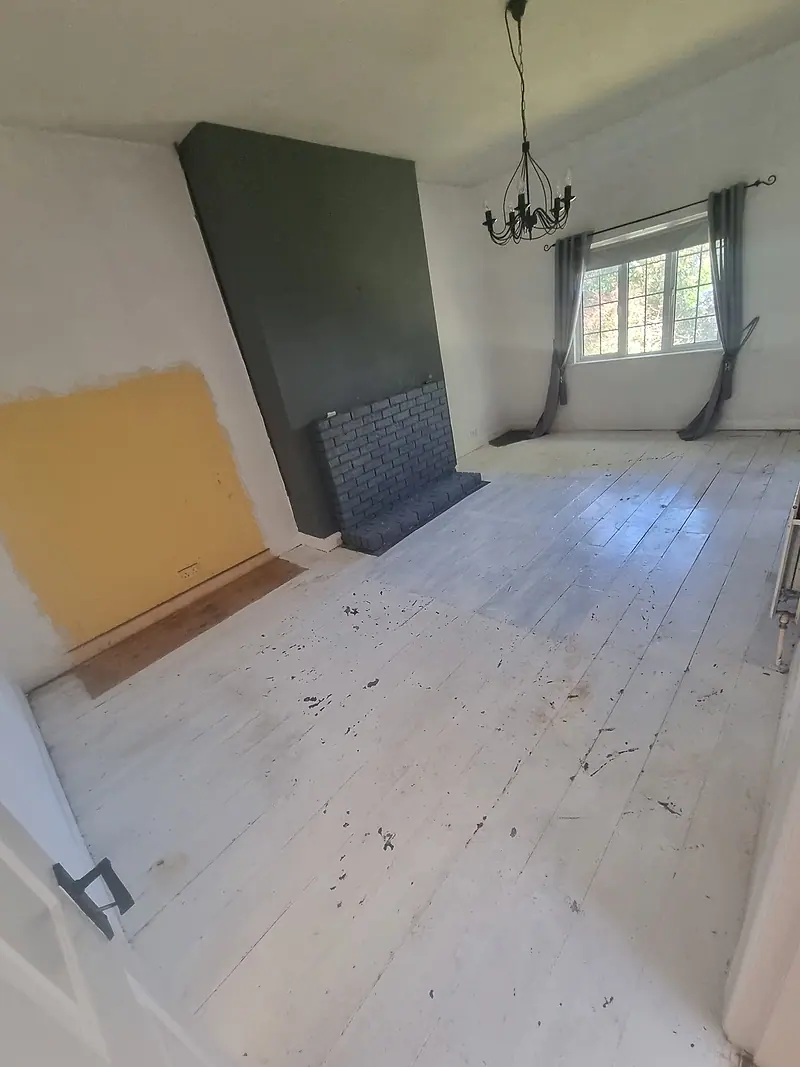
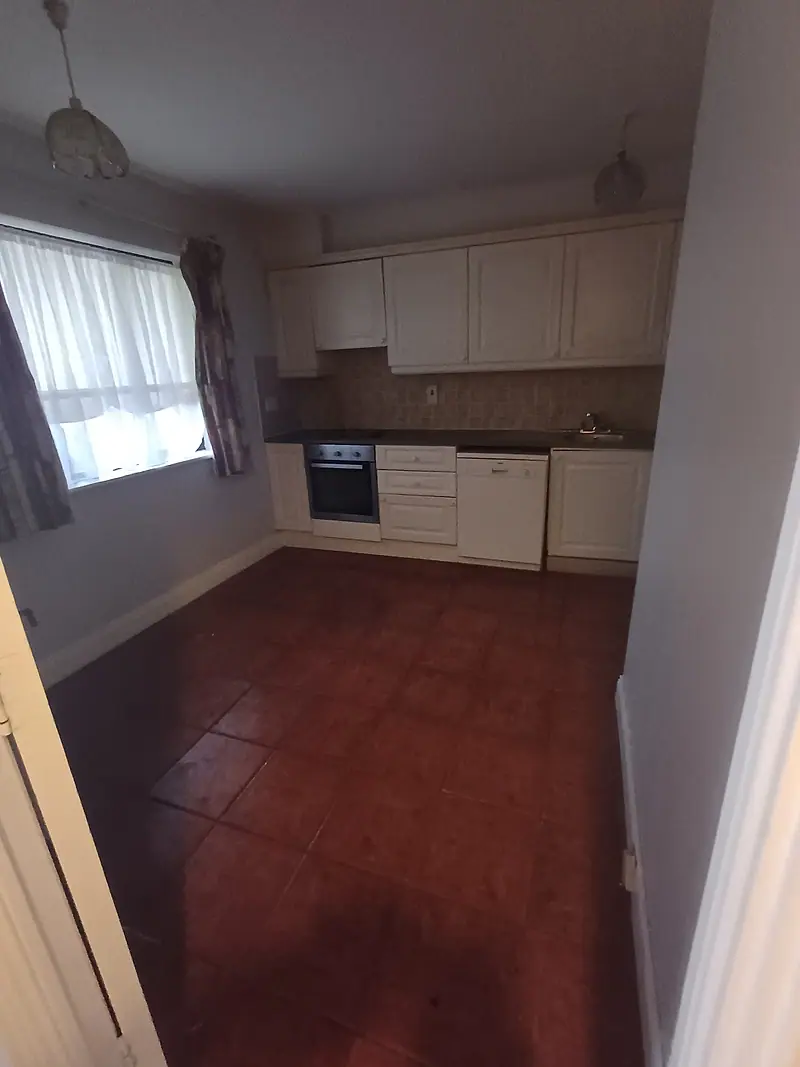
The cottages on the streets off Harold's Cross Road are compact, often two bedrooms or fewer, with a short hall, a kitchen at the back and a little yard. People sometimes assume a cottage will take an hour. It rarely does, because small houses tend to be packed: every press full, the spare room used as a store, and furniture that only just fitted in to begin with.
What we do differently in a cottage:
- Plan the route. Big pieces come out first, while the hall is still clear.
- Take things apart. Wardrobes, bed frames and sofas are dismantled in the room if they won't turn the corner.
- Protect as we go. Covers on the floors and stairs, and care with door frames.
- Stage, then load. Everything waits in the front room until the van is outside, so it's on the street for minutes, not hours.
Two-storey cottages often have a steep, boxed-in stairs with a door at the bottom, sometimes with a turn at the top. A mattress or a wardrobe that went up before a renovation may not come down the same way, which is why we look closely at the stairs in your photos and bring the tools to take things apart.
The red-brick terraces are bigger, often three or four bedrooms over two or three floors, with a return and sometimes an attic conversion, but the same rules apply: one front door, one route out, and a plan before anything moves.
 spotless.ie
Rear yards and outhouses
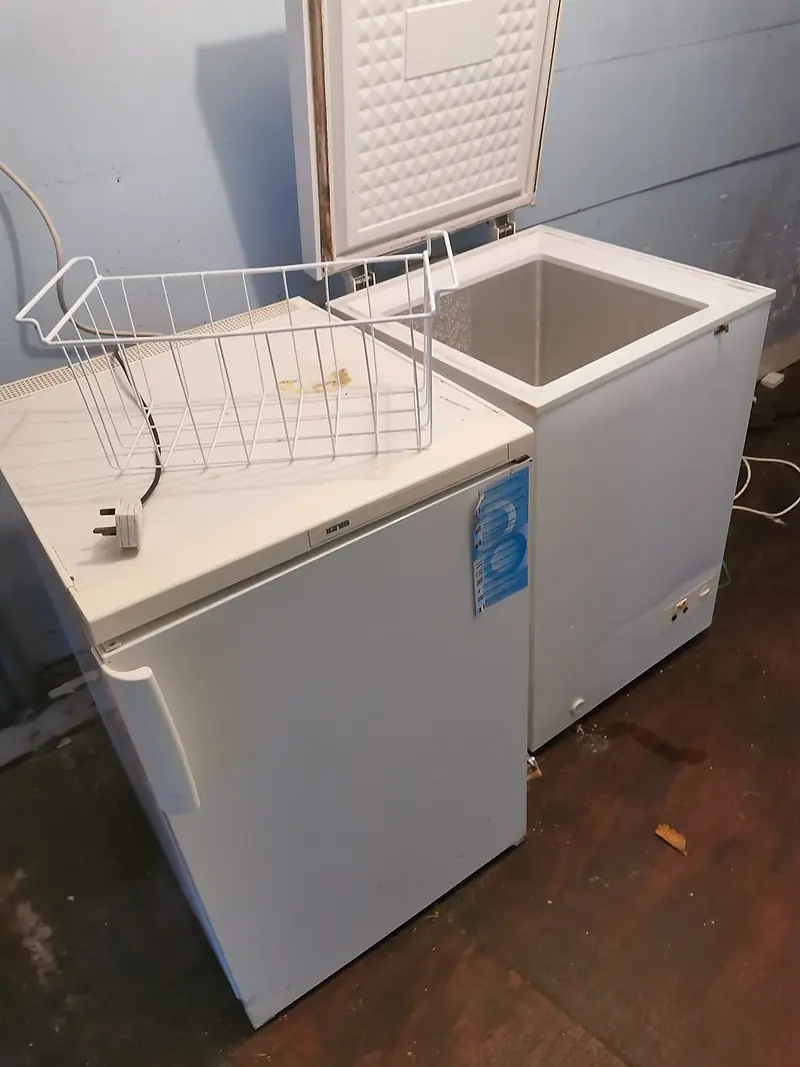
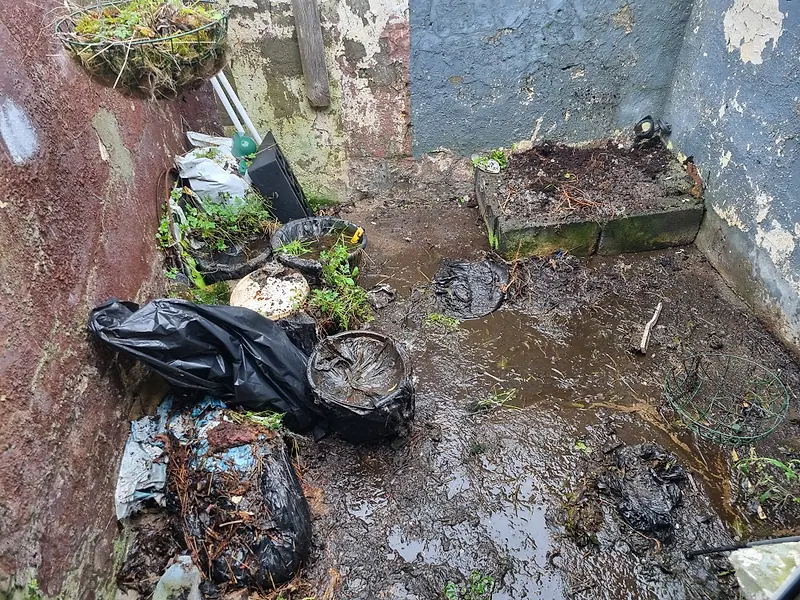
Behind most Harold's Cross houses is a small yard rather than a garden: concrete or paving, a few pots, perhaps an outhouse that was once a coal shed or an outdoor toilet, perhaps a bike shed. Over the years they fill with broken furniture, garden waste, old paint and bags that never went out.
With no lane behind, everything in the yard has to come through the house. We usually clear the yard last, once the rooms are empty and the route through is covered, so nothing is carried past furniture that's still there. Outhouses and sheds are part of the same job; see shed clearance. The odd house with a garage at the side or the end of the garden gets the same treatment.
Parking on Harold's Cross streets
Street parking is the norm here, with permit or pay-and-display spaces on many roads and cars on both sides of narrow streets. Harold's Cross Road itself is a busy bus route. To keep our stops short and legal:
- Tell us the parking arrangement on your street when you send photos.
- If you have visitor permits, one for the day is a big help.
- We stage everything inside first, then bring the van in for quick loads.
- Mid-morning on a weekday, after commuters have gone, is often the easiest time.
Clearing a terrace or cottage in Harold's Cross? Send photos of each room, the yard and the street outside on WhatsApp. We'll come back with a fixed price and a plan for loading.
Lets, shared houses and family homes
Harold's Cross has its share of rentals, from whole houses to flats in the bigger red-bricks. For landlords, we clear between tenants and send photos when it's done; our guide to preparing a rental property covers what comes next. Purpose-built blocks with management companies are on our apartment clearance page.
The rest are family homes, some lived in by the same family for decades. When one of those is cleared after a death or a move into care, we go at the family's pace and keep anything personal aside; see bereavement clearance. Where possessions have built up to the point that rooms can't be used, we work slowly, room by room, and never pass comment; hoarder clearance explains how.
What happens next
Everything we take is sorted. Furniture worth keeping goes for reuse where possible, metal, electricals and cardboard are recycled, and the rest goes to licensed facilities. As an authorised waste carrier (NWCPO-25-13287-01) with full insurance on each job, we handle the disposal side so you don't have to.
Nearby, see Terenure and Rathmines. For the whole county, there's house clearance in Dublin, and our main house clearance page explains how every clearance works.