
A small place with big old houses
Sandycove sits on the coast between Dún Laoghaire and Dalkey, with Glasthule village running into it and the DART station shared between the two. The housing is mostly Victorian: terraces running down towards the sea, larger semi-detached villas with granite steps and bay windows, and a number of those villas divided into flats. Inland, towards Glenageary, the houses get a little newer and the roads a little wider.
Many of these homes have been lived in by one family for a long time. That's what shapes most of our work here: whole houses cleared for a sale or after a death, older owners moving somewhere smaller, and flats in converted houses changing hands.
The DART helps on the day. Family members coming out from town can get off at Sandycove and Glasthule and walk to most houses in a few minutes, so nobody has to fight for a parking space beside our van.
Narrow roads, the Forty Foot and where we park
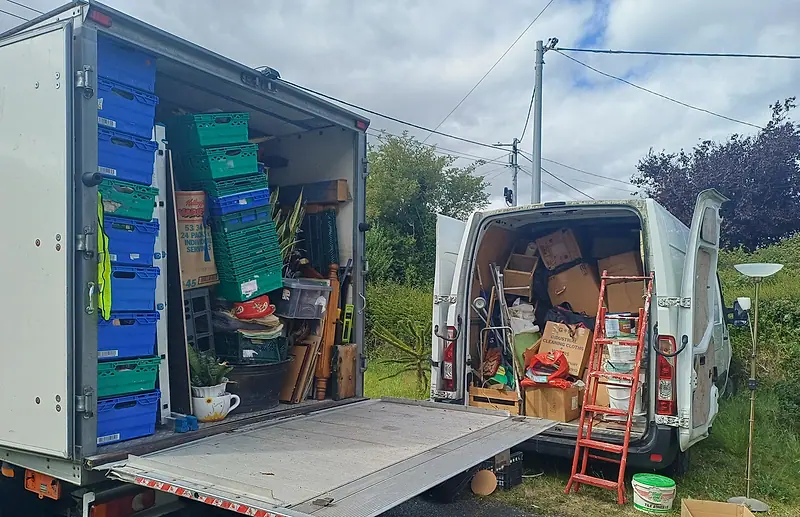
The roads down to the Forty Foot and around Sandycove Point are narrow, often lined with parked cars on one side, and busy with swimmers and walkers in every season, more so on warm days and weekends. A van left in the wrong spot causes trouble quickly, so we plan the parking before the day:
- Weekday mornings are the calmest time for loading near the seafront.
- Glasthule's main street has shops, cafés and deliveries, so we load from the side roads instead.
- Terraces with no front garden mean we stage everything in the hall, then load in short runs.
- A driveway or gravel forecourt at a villa makes a big difference, so tell us if there's one we can use.
A photo of the road outside your door, taken from the footpath, tells us a lot.
Inside a Sandycove period house
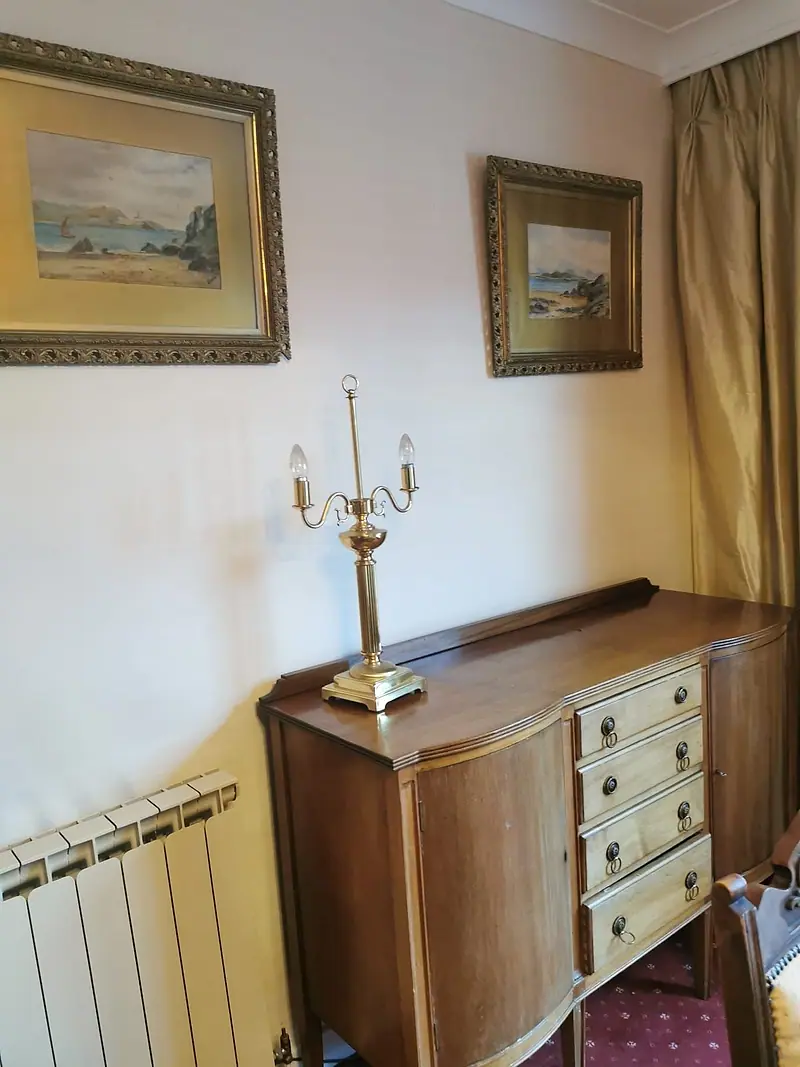
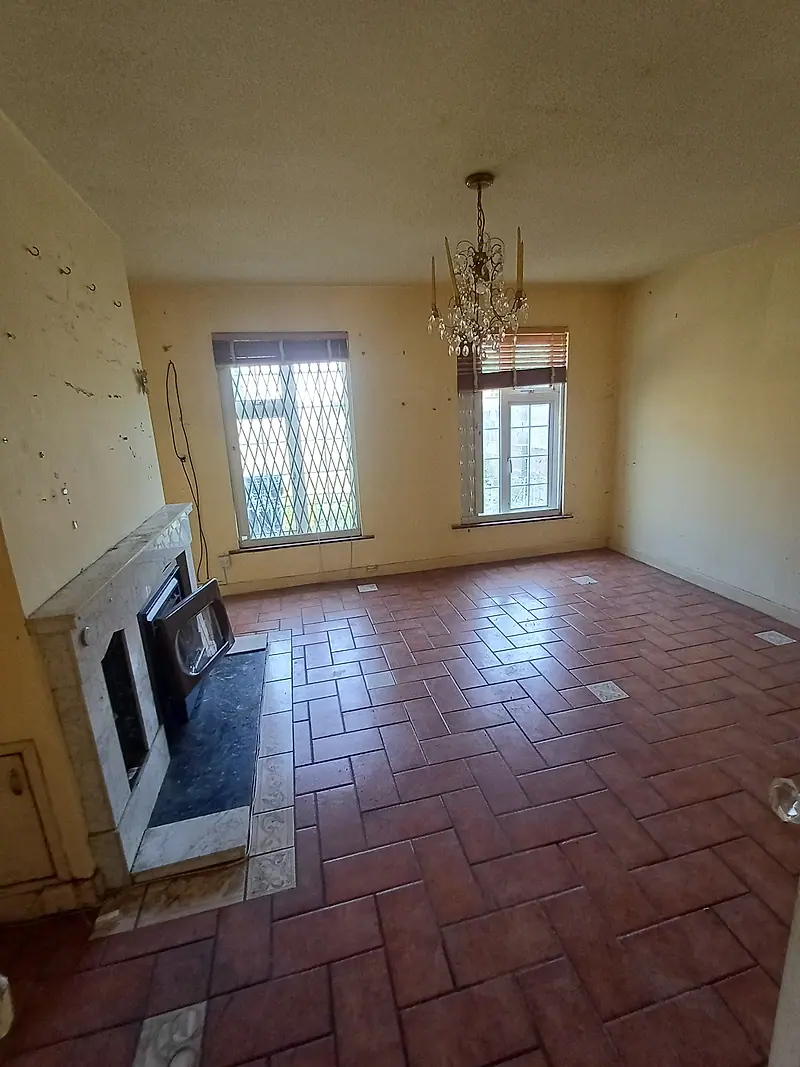
Tall Victorian houses take longer to clear than their floor area suggests. There are more stairs, half-landings and returns, high shelves and wardrobes that were built in the room, and often a basement or garden level with its own door. We work from the top down, emptying the attic and upper floors first so the stairs are clear for the heavier furniture at the end.
Before anything heavy moves, the stair runner and the hall tiles are protected. Wardrobes, beds and big tables are taken apart where they stand. Fireplaces, cornices and old doors stay exactly as we found them. A large period house with a basement is usually a two-day job; a smaller terrace often takes one.
 spotless.ie
When a family home is being let go
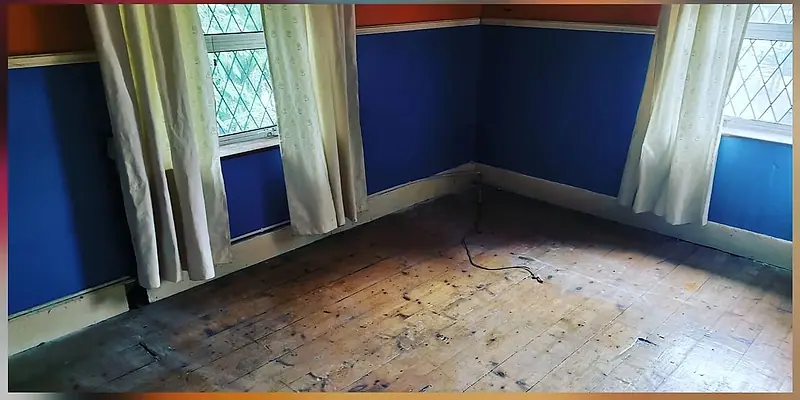
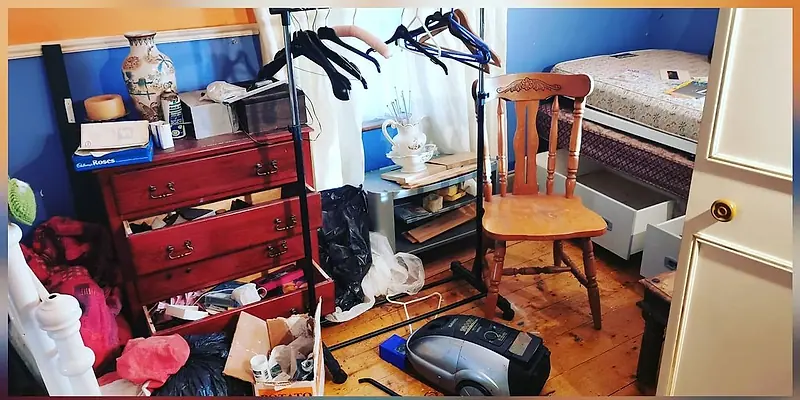
Clearing the house a parent lived in for fifty years is slow, emotional work, and we don't hurry it. Before anything leaves, every drawer, box, handbag and coat pocket is checked, and papers, photographs, letters, jewellery and cash are handed to you. You can sort through things with us on the day, mark what's staying, or ask us to box up anything personal for later. Our bereavement house clearance page sets out how we support families.
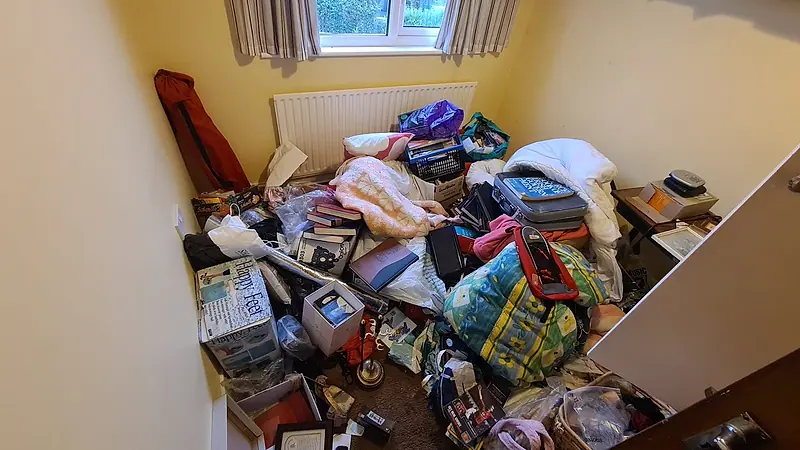
Sometimes a house has filled up over many years until it's hard to live in. That calls for patience rather than speed, and a plan agreed with the person whose home it is. See hoarder clearance.
Clearing a house in Sandycove or Glasthule? Send photos of each room, the attic and the garden on WhatsApp, plus one of the road outside. We'll reply with a fixed price, usually the same day.
Gardens, walls and the salt air
Sandycove's back gardens are often long and walled, with no side passage, so anything from the garden comes through the house or out a rear gate onto a lane. A shed or an old garage at the end of the garden can be cleared in the same visit. Being this close to the sea, metal garden furniture, bikes and tools rust fast, and all of it goes for metal recycling.
For flats in converted villas or small apartment blocks near the seafront, see apartment clearance, which covers shared halls, management companies and lifts.
Pricing and booking
We set one fixed price from your photos, based on the volume, the floors, the carry from the door to the van, and anything that needs special disposal, like fridges, mattresses and electricals. It's agreed before you book and doesn't change on the day. Most quotes come straight from photos; for a very large villa with several outbuildings, a short call or a visit can be quicker. If the family lives elsewhere, a neighbour, estate agent or solicitor can let us in, and we'll send photos when the house is empty.
Old furniture that still has life in it is kept back for reuse, metals and appliances are split out for recycling, and whatever remains is taken to licensed waste facilities. We collect as an authorised waste carrier under permit NWCPO-25-13287-01, with full insurance on every job.
Next door, we have pages for Dún Laoghaire and Dalkey. Everywhere else, the same approach applies; read about it on our house clearance page or the one for clearances across Dublin.