
Glenageary's houses, old and newer
Glenageary sits on the rise between Dún Laoghaire and Dalkey, with Sallynoggin inland and Glasthule and Sandycove down towards the sea. The DART stops at Glenageary station, and Glenageary Road Upper and Lower run through the middle of it all.
The houses fall into two broad groups, and they clear quite differently.
Victorian and Edwardian houses
The older roads nearer Dún Laoghaire and Glasthule have large period houses, many from the late nineteenth and early twentieth centuries. Expect:
- high-ceilinged rooms over three or four floors, sometimes with a basement or garden level
- steps up to the hall door, and a long carry down from the top floor
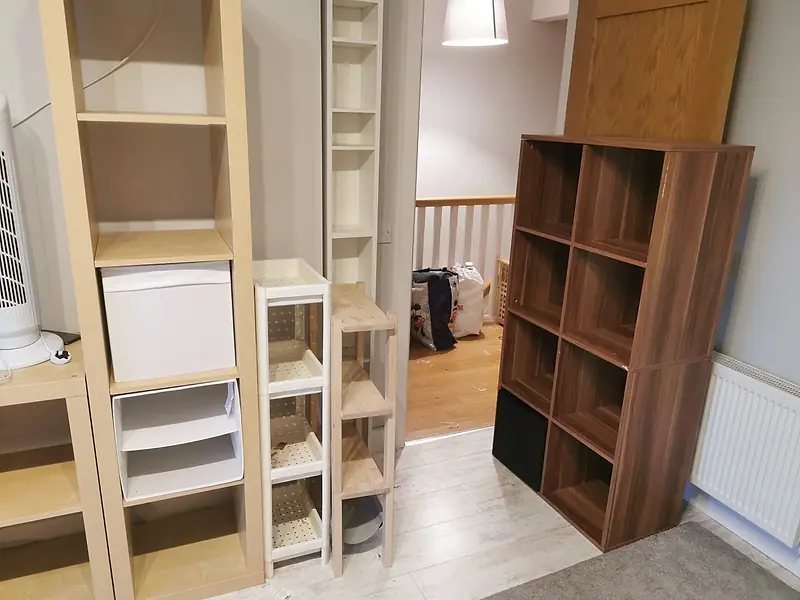
- heavy furniture, such as wardrobes, sideboards, bookcases and beds with timber frames
- storage everywhere, in returns, under the stairs and below ground
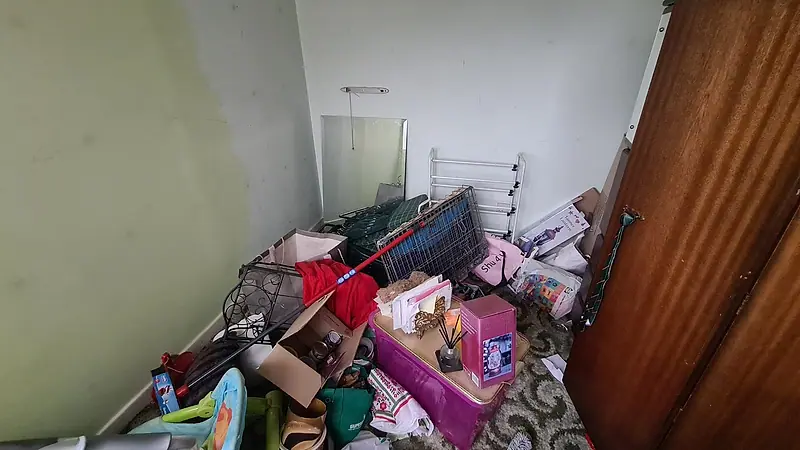
Basements deserve a word of their own. In a house that's been in one family for a long time, the basement or garden level is often where everything went when it wasn't needed upstairs: old bikes, trunks, broken chairs, boxes of papers, tins of paint and decades of Christmas decorations. It's often damp, sometimes poorly lit, and reached by a narrow internal stair or a door under the front steps. We bring our own lighting and treat it as a separate stage of the job.
1930s and later semis
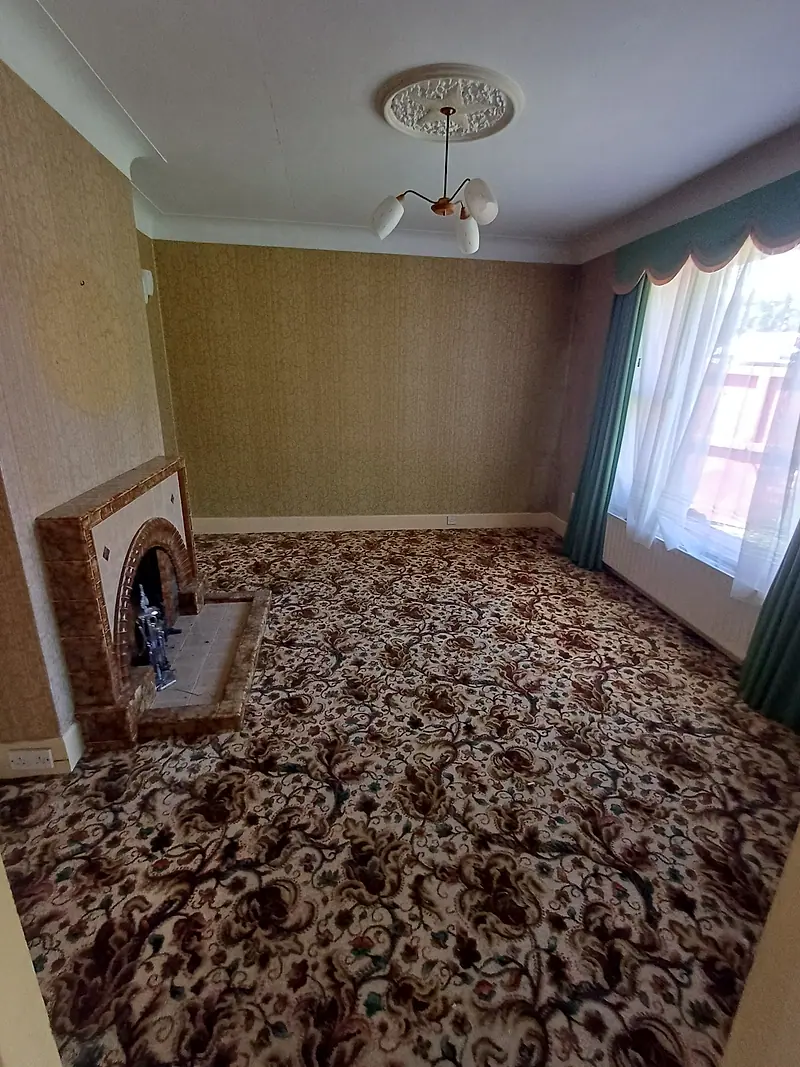
Further up and out, Glenageary has semi-detached houses from the 1930s onwards. Bay windows, a compact hall, three bedrooms and a box room, an attic reached from the landing, a garage or side passage, and a decent back garden. They're simpler to clear, but after decades of family life they're rarely half-empty.
The side passage is useful to us. Where there is one, garden and garage contents go out that way, which keeps the hall and stair carpet clean while the rooms are still being cleared.
How long, and how many of us
| House | Typical clearance | Crew |
|---|---|---|
| Flat in a converted period house | A morning to a day | Two |
| 1930s semi with attic and garage | About a day | Two or three |
| Large period house with basement | Two days or more | Three or more |
These are typical, not promises. Volume decides it in the end, which is why we price from photos rather than from the number of bedrooms.
 spotless.ie
A sensible order for the day
In a big house, the order matters more than the speed. We usually work like this:
- Keepers first. Anything you're taking is moved to one room or labelled, so nothing goes by mistake.
- Top down. We start in the attic and the top floor and bring everything down once, finishing on the ground floor.
- Big pieces apart. Wardrobes and beds are dismantled where they stand, so they don't scrape stairwells or banisters.
- Basement and outside last. The basement, the garage and the shed are cleared once the house is empty and the way out is free.
- Floors swept. We finish with every floor swept or vacuumed where needed.
Working this way means the stairs are carried once, in one direction, and the rooms you're keeping stay untouched until the very end. It also means that if the family wants a last look round before the ground floor goes, there's a natural point to stop and do it.
Clearing a house in Glenageary? Send photos of each floor, the attic, the basement if there is one, and the garden. A fixed price comes back on WhatsApp, usually the same day.
Parking and the roads
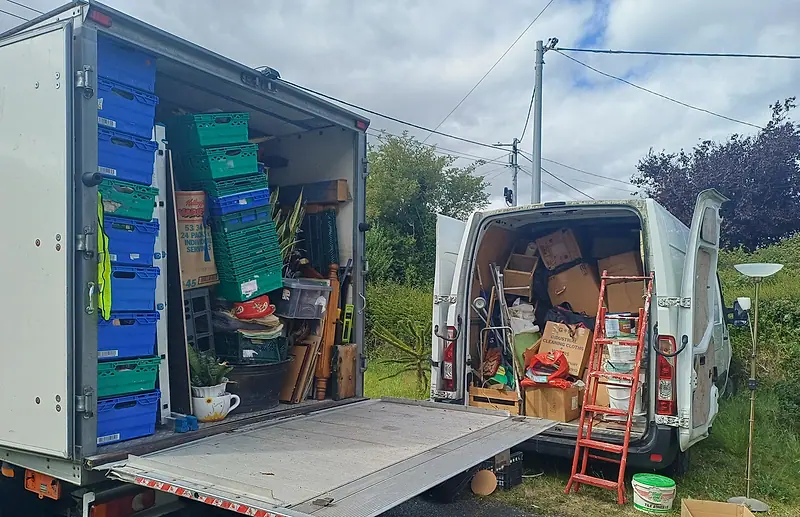
Most of the semis have a drive, and the van goes straight onto it. Some of the period houses don't, and the roads around Glasthule and near the station can be busy, so we load from the nearest legal spot and keep stops short. Mention the parking situation with your photos, along with anything else that affects access, such as steep steps, a narrow side passage or a shared hall.
Families, flats and the rest
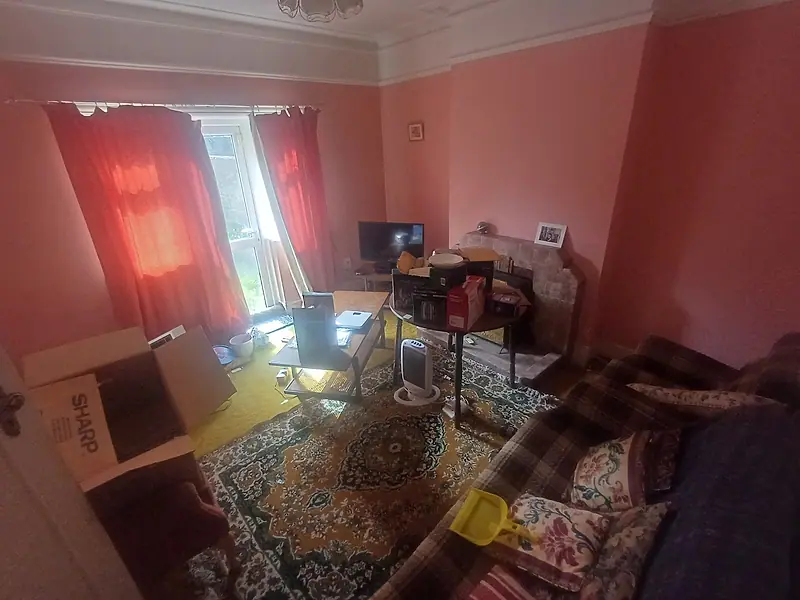
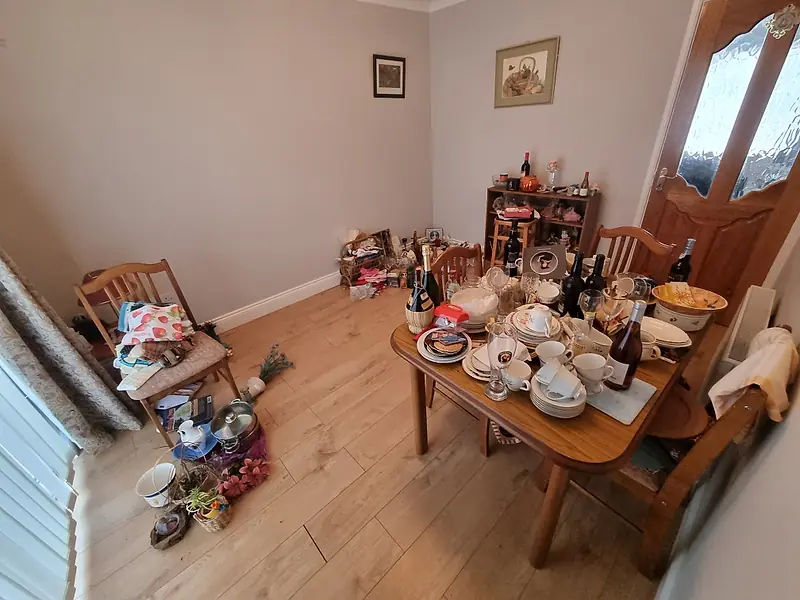
Most Glenageary clearances are family homes, being emptied after a death, after a move into care, or ahead of a sale. We take our time with those, keep anything personal aside, and leave a room alone until the family is ready; our bereavement clearance page explains our approach. Converted houses with flats, and apartment blocks nearer the coast, come with shared halls and management rules; see apartment clearance. If a home has become overfilled over the years, we'll handle it discreetly through hoarder clearance.
What leaves is sorted. Furniture worth reusing is set aside, metals and appliances go for recycling, and the rest is taken to licensed facilities. Spotless carries waste under permit NWCPO-25-13287-01 and is insured in full on every clearance.
Nearby, we also cover Dún Laoghaire, Sallynoggin and Dalkey. For the county as a whole, see house clearance in Dublin; for the service in detail, house clearance.