The end-of-lease squeeze
Rathmines turns over quickly. Many of the big Victorian houses off Rathmines Road and around Leinster Road were divided into flats long ago, and the area has newer apartment blocks too. People arrive with a van of boxes and leave with whatever they can carry.
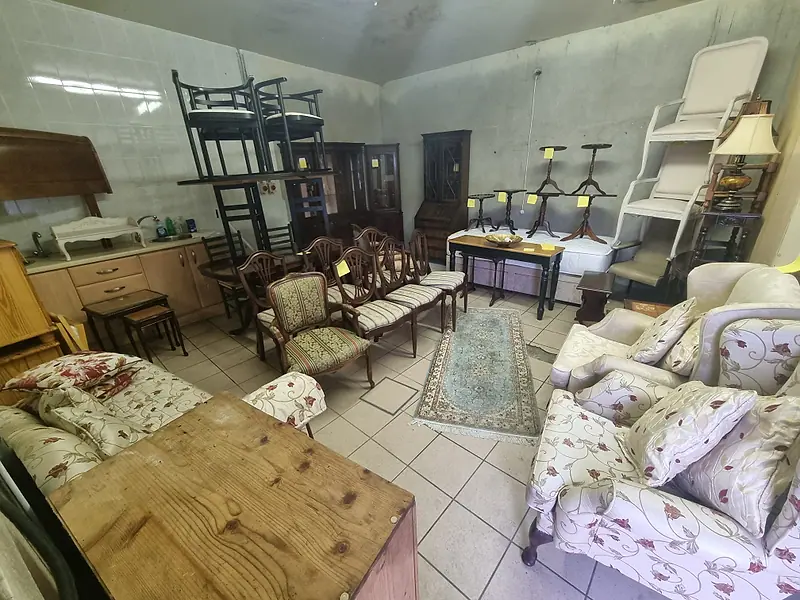
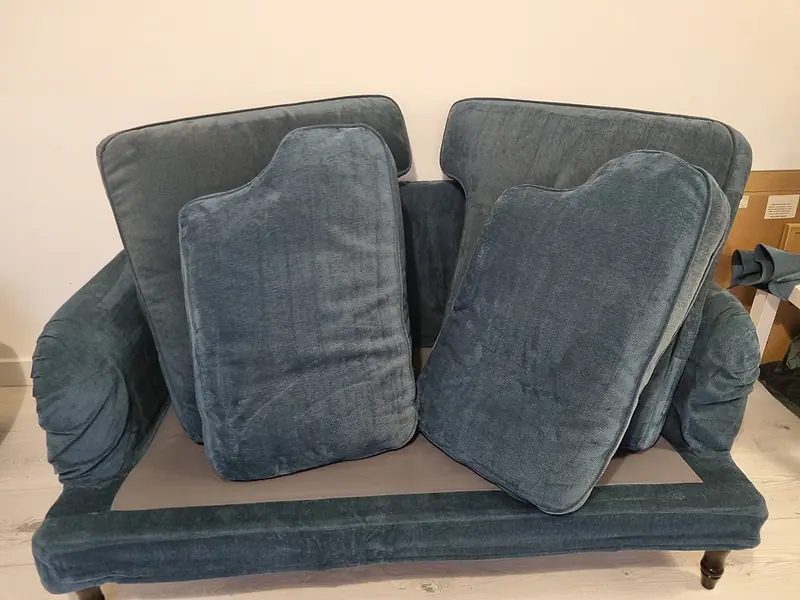
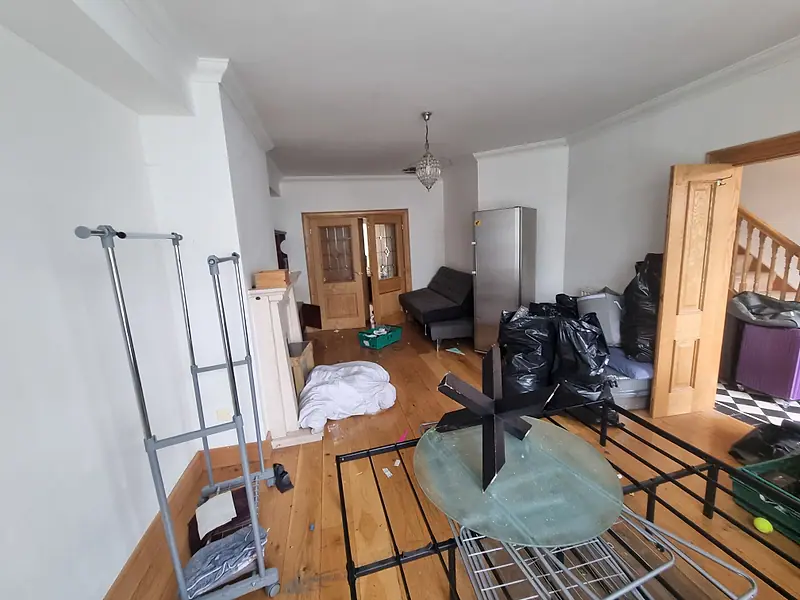
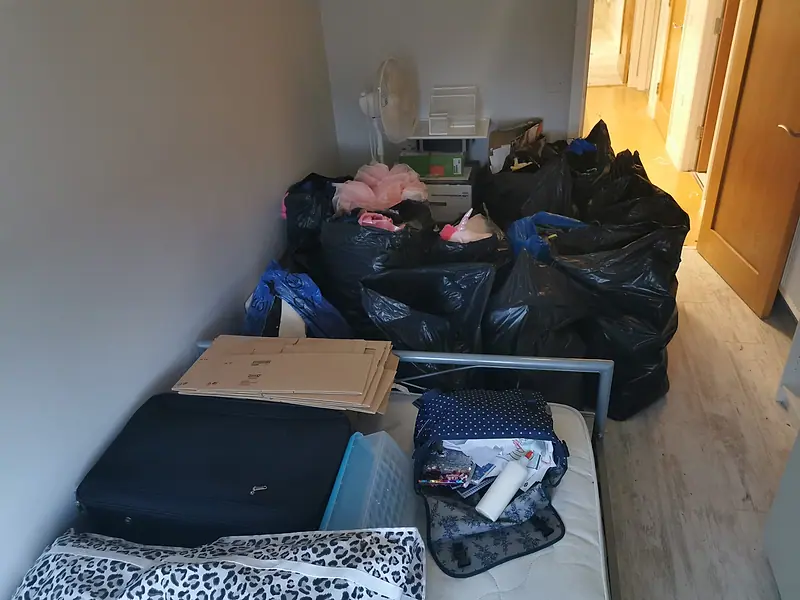
What is left is the problem. A sofa from a charity shop, a bed from a previous tenant, a wardrobe that does not come apart, bags of clothes, a desk. If your lease ends soon, you have four realistic options, and each one suits a different situation.
Option 1: sell it
Good for: furniture in decent condition that people want, if you have the time.
Watch for: the time. Listings, messages, no-shows and collections eat evenings. A sofa is not worth a week of messages if you leave in three days.
Tip: sell the best three or four items and plan for the rest to be cleared. Set a hard date, after which anything unsold goes.
Option 2: donate it
Good for: clean, working items a charity can use.
Watch for: charities are selective. Many do not take mattresses, large wardrobes or upholstered furniture without fire safety labels. Phone first, and ask whether they collect or you must deliver. Collections can take weeks.
Tip: arrange donations at least two weeks before your lease ends, and confirm in writing.
Option 3: do it yourself
Good for: a few small items and a car or a friend with a van.
Watch for: permit parking and bus lanes on and around Rathmines Road, stairs in a Victorian house, and disposal. Household waste has to go to a facility that accepts it, and you are responsible for it, so you need to know where it ends up. Our guide on why use a permitted clearance company explains your duty of care.
Tip: do not leave items outside or in the hall. That causes trouble with the landlord and neighbours, and it can be traced back to you.
Option 4: book a clearance
Good for: anything bigger than a couple of bags, a short deadline, a top-floor flat with no lift, or a mix of furniture, white goods and rubbish.
What it involves: you send photos, we give a fixed price, and the crew arrives at the agreed time, takes everything you have marked, and leaves the floors swept. We send photos afterwards. We are an authorised waste carrier, permit NWCPO-25-13287-01, and fully insured.
What affects the price: volume, the floor and whether there is a lift, the carry to the van, and items with their own disposal routes, such as fridges, freezers and mattresses. It is confirmed before booking.
Which option when
| Your situation | Likely best option |
|---|---|
| Two weeks left, a few good pieces, time on your hands | Sell the best, clear the rest |
| One weekend left, full flat | Book a clearance |
| One chair and some bags | Small removal or do it yourself |
| Shared house, several people's items | Agree who pays, then one booking |
| Landlord's furniture mixed with yours | Label what stays, then clear the rest |
A two-week plan
Fourteen days before
- Check your lease and inventory. Note what belongs to the landlord.
- Decide what comes with you.
- List the big items and photograph them.
Ten days before
- Offer saleable items online. Ask a charity about collection.
- Start packing what you are keeping.
Seven days before
- Set the deadline for sales and donations.
- Send us photos of what is left, and tell us your floor number and parking. We reply with a fixed price, usually the same day.
Three days before
- Confirm the clearance date. Tell neighbours or your landlord if you share a hall, so no one is surprised.
- Put everything you are keeping into one room.
The day
- Hand over keys as agreed. We can collect keys from an agent or neighbour if you are not there.
- Photos of the empty rooms are sent afterwards.
Day after
- Clean the flat if the landlord expects it. Book carpet cleaning if it is required. We clean carpets by hot-water extraction, and rooms dry in a few hours; see carpet cleaning in Rathmines.
Shared houses and shared halls
Many Rathmines properties have a shared hall and stairs. A few courtesies go a long way: warn the other residents on the day, keep the hall clear, and tell us if a neighbour's bike or buggy lives there so we do not move it. A photo of the stairs helps us plan, and we put covers down before anything moves.
If you are the landlord
Tenants who leave things behind create a second problem for you. Our guide to preparing a rental property covers the between-tenants checklist, and our page on property clear-outs in Rathmines covers houses divided into flats.
Working out what is actually yours
Before you decide anything, separate your belongings from everything else in the flat. In rented accommodation this is more confusing than it sounds.
The inventory. Many landlords give a list of what comes with the flat. If you do not have one, check your lease, your emails and any photos from move-in day. Furniture on the list stays, even if you dislike it.
What previous tenants left. Sometimes a bed, a sofa or a shelf was there when you arrived and was never on the list. Ask the landlord or agent in writing whether it stays or goes. Do not assume.
Shared items in a shared house. If you share with others, agree who owns the microwave, the kettle, the vacuum and the television. The easiest way is a list on the kitchen wall, with names, a week before the end. Things nobody claims go on the "clear" list.
Things you bought for the flat. A desk, a bookcase, a clothes rail, a mattress topper. They are yours, and they are what you decide about.
Things with a deposit. The landlord may check the flat against the inventory. If something is missing or damaged, it may be deducted from your deposit. The Residential Tenancies Board gives guidance on deposits and what landlords may deduct, and it is worth reading before the inspection.
What to do with each kind of item
Mattresses and bed frames
Mattresses are bulky, difficult to donate and expensive to dispose of on your own. Charities rarely take used mattresses. A bed frame in good condition may sell online, but a mattress usually has to be cleared. If you are leaving a bed that belongs to the landlord, leave it clean and protected. Our mattress cleaning page explains what a professional clean can and cannot do.
Sofas and armchairs
Upholstered furniture is the item most often left behind. Charity shops are cautious because of fire safety labelling and condition. If it is in good shape and has a label, offer it online with a firm collection date. Otherwise, include it in the clearance. Sofas are heavy and awkward on narrow Victorian stairs, which is part of why price depends on the floor and the carry.
Desks, shelves and flat-pack furniture
Flat-pack items are cheap to buy and awkward to sell. They also tend to break when moved. If you have the time, take them apart and keep the fittings in a labelled bag. If you do not, include them in the clearance. Solid wood pieces sell better than flat-pack.
Fridges, freezers and washing machines
If they belong to the landlord, leave them clean and empty, with doors open once defrosted. If they are yours, they have their own recycling route, which a permitted company handles. Never leave appliances outside the building.
Bikes, buggies and sports gear
In a shared hall, these annoy neighbours. Sell, donate or take them. A bicycle in decent condition is easy to sell. Children's equipment is often wanted by other parents.
Clothes, bedding and kitchen things
Clean clothes, bedding and kitchenware can go to charity shops, which often take bags at the counter. Phone first. Anything damaged goes in the waste. Old pans, odd plates and chipped glasses are the usual contents of the "last bag" that causes the most last-minute stress.
Food, cleaning products and cooking oil
Empty the fridge and freezer, bin perishable food and dispose of cooking oil properly. Cleaning products that are unopened can go to a friend. Aerosols and chemicals need separate disposal, so ask us if you are unsure.
Papers and personal data
Shred bank statements, payslips and anything with your address and account details. We do not offer shredding. Do not put paperwork in the bags to be cleared.
A closer look at Rathmines buildings and access
Rathmines is a mix, and the building you are in changes the job.
Flats in converted Victorian houses. These often have a shared front door and hall, steep stairs, narrow landings and small rooms. The top floors may have sloping ceilings. Furniture comes down the stairs, not out of a window, so large pieces may need to be taken apart. A floor number and a photo of the stairs make planning simpler. These buildings also have neighbours on every landing, so noise and blocked halls matter.
Purpose-built apartment blocks. Newer buildings often have lifts, a concierge or a management company with rules about removals. Ask for lift booking, loading areas and insurance requirements. Our guide to clearing an apartment covers this in more detail.
Houses shared by several tenants. Several rooms, one kitchen, one hall. Agree who is clearing which room, and if you are all leaving on the same day, book one clearance for the whole house so there is a single price and a single visit.
Family houses. If you are renting a whole house, the clearance is closer to a normal house clearance, with an attic, a shed and a garden. Photograph all of them.
Parking, bus lanes and the van
Rathmines Road is a busy bus corridor, and most side streets are permit or pay-and-display. This affects the day more than almost anything else. Tell us what the parking is outside your building: permit, pay-and-display, a loading bay or nothing. If you can get a visitor permit, do. We stage everything on your floor or in the hall and load in short stops, so the van does not block a lane or a junction for long. We work Monday to Saturday, 8am to 8pm, and a weekday morning is usually easier on the street than a Saturday.
Keys and handover
Handover rules vary. Some landlords want keys returned in person, some at an agent's office, some through a letterbox. Agree how before the day. If you cannot be there, tell us who will let us in, and we can collect keys from an agent, a neighbour or a friend. When the job is finished, we send photos of the empty rooms, which is useful as a record if the landlord queries the condition.
Take your own photographs as well: every room, the inside of the oven, the bathroom and the walls, dated if you can. Compare them to the move-in photos.
Cleaning after the clearance
A clearance is not a clean. The floors are swept or vacuumed where needed, and the rooms are clear. If the lease says the flat must be left clean, you or a cleaning company need to do the kitchen, bathroom, windows and floors. We do not offer general house cleaning. We do clean carpets by hot-water extraction, which many landlords look for at the end of a tenancy, and our guide to carpet cleaning at the end of a tenancy explains what landlords tend to expect and what can and cannot be lifted.
The best order is: clearance first, then the cleaner, then the carpet clean if it is needed, then the final inspection. If the cleaner works first and furniture is still being carried out, the clean is wasted.
If you are a landlord or letting agent
Rathmines landlords often have a turnaround of only a few days between tenants. A few suggestions.
- Ask the leaving tenant, in writing, to remove their belongings by a set date.
- Photograph what remains on that date, with the date visible.
- Check the lease and the RTB guidance before disposing of anything left behind.
- Book the clearance for the day after the key handover, and the carpet clean for the day after that.
- Ask for photographs of the empty flat, for your records.
We can quote from photographs, work with a key held by the agent and send photos at the end. See property clear-outs in Rathmines for houses divided into flats and property clearance if you manage several units.
A day-by-day version for the final week
The two-week plan above works if you have time. If you have seven days or fewer, tighten it like this.
Seven days to go. Walk through the flat with a notebook. Write the name of every room and list what is yours, what is the landlord's and what is undecided. Photograph the big items and the state of the walls and floors. Send photos to us the same day, with the floor number, whether there is a lift and what the parking is like outside. A fixed price usually comes back the same day.
Six days to go. Decide on sales. Post the best two or three items online with a firm "collected by Thursday" line. Anything not collected by then goes on the clearance list. Phone the charity shop about clothes and kitchen items, and ask whether they take them over the counter.
Five days to go. Start packing what you are keeping. Pack by room and label the boxes with the new address. Put the boxes in one room so the rest can be cleared.
Four days to go. Empty the fridge and freezer, and use up what is in the cupboards. Dispose of cleaning products. Cancel or transfer broadband, and arrange a final electricity reading for the day you hand over the keys.
Three days to go. Confirm the clearance date and time with us. Tell your housemates and the neighbours on your landing, and warn the landlord or agent so that no one is surprised by a van. Check the parking rules for the street and arrange a visitor permit if you can.
Two days to go. Finish packing. Take down anything hanging on the walls. Take apart whatever you can. Take your own photos of every room.
The day before. Move your belongings out. Keep a small bag with chargers, keys, documents and anything you will need that night. Leave only the items to be cleared and the landlord's furniture.
The clearance day. The crew arrives at the agreed time, walks through with you or your nominee, covers the stairs and the hall and clears. We send photos afterwards. Hand over keys as agreed.
The day after. Clean if required, book the carpet clean if the landlord expects it, and do the final inspection. Keep your photos and the photos we sent until your deposit is returned.
Mistakes to avoid at the end of a lease
- Leaving items in the shared hall or on the street. It breaks the rules of most buildings and can be traced to you.
- Assuming a charity will collect. Many cannot offer a date at short notice.
- Waiting for a buyer for a large item. Set a deadline and stick to it.
- Not checking the inventory. Taking away a landlord's chair is as much a problem as leaving your own sofa.
- Throwing documents away. Keep your tenancy agreement, rent receipts and correspondence until the deposit is back.
- Overlooking the hot press, the attic hatch and the shed. These are the places where forgotten items live.
Splitting the cost in a shared house
Money is where shared houses fall out. A clearance is priced for the whole job, so the simplest approach is to agree the split before booking.
- Equal shares work when everyone has about the same amount to go.
- By room works when one person has a full bedroom and another has a bag.
- By item works when one person is leaving a large piece that the others do not want.
Write the agreement in a group message so that everyone has seen it. One person should book and pay, and the others should transfer their share the same day. If someone leaves earlier, they should settle up before they go. We confirm the price in writing before booking, and we can make the invoice out to one person.
Where the landlord is covering the cost of clearing abandoned items, as sometimes happens in a block of flats, ask for the instruction in writing from the person with authority to give it.
Questions people ask in the last week
How quickly can you come? There is often a free day within the week after we quote. If your date is fixed, put it in your first message.
Can you take just the big items? Yes. The price depends on what is there, and a smaller job costs less than a full flat.
What if I find something I forgot? Tell the crew before they load it. Once it is gone, it cannot be retrieved.
What if the landlord disputes the condition? Your photographs, the inventory and our photographs of the empty rooms are the evidence. The RTB can help if there is a dispute.
What happens to what you take? Furniture worth reusing is set aside for reuse where possible, metals and electricals are recycled, and the rest goes to licensed facilities. We are an authorised waste carrier, permit NWCPO-25-13287-01.
Do you charge by the hour? We price by the job, not by the hour. The fixed price is agreed before booking and extra work only happens if you ask for it.
Reviews from people who have used us
"Absolutely delighted with the work from Ciprian today... it was a big job for one large room... it looks amazing now with the beds and clutter gone. Thanks again."
Shane Curran, Google review
"All so easy, and exactly what said and done! I couldn't be more relieved .. thanks guys!"
Pamela Smyth, Google review
Getting a price
Send photos of each room, the hall and the stairs, with the floor number and the date you need it done. We will reply with a fixed price, usually the same day.
 spotless.ie