
Red-brick or 1930s: two kinds of Drumcondra attic
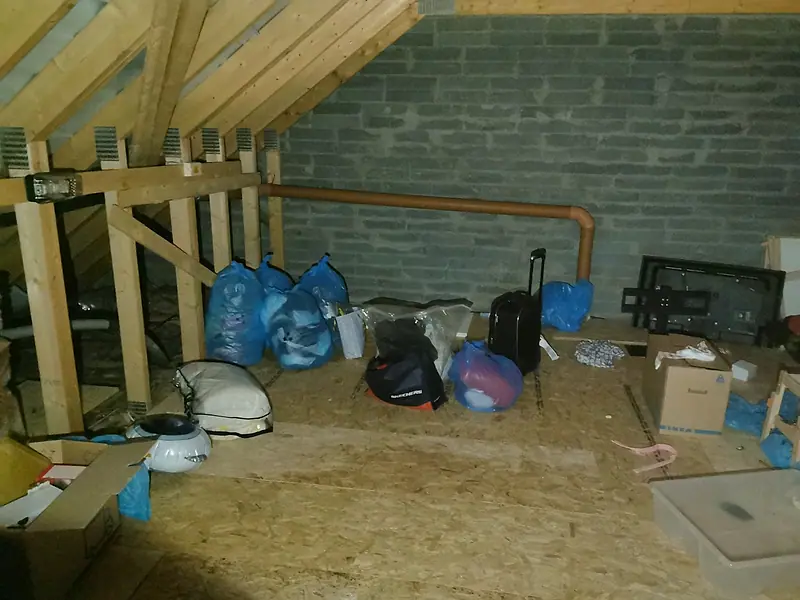
Most Drumcondra attics fall into one of two groups, and the age of the house tells us a lot about the job before we even arrive.
| House | What the attic is usually like | What it means on the day |
|---|---|---|
| Victorian or Edwardian red-brick terrace | A small hatch, often with no ladder; boards over part of the floor at most; lath-and-plaster ceilings below | Smaller loads, more trips, and we stay strictly on the joists |
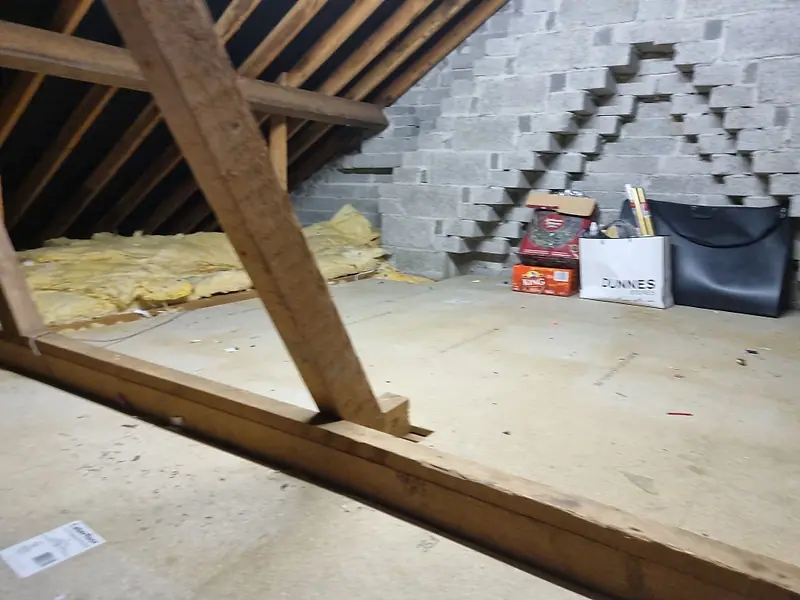
| 1930s house | A landing hatch, often with a folding Stira ladder added later; partly boarded | Quicker handling, though the ceilings below still won't take a foot |
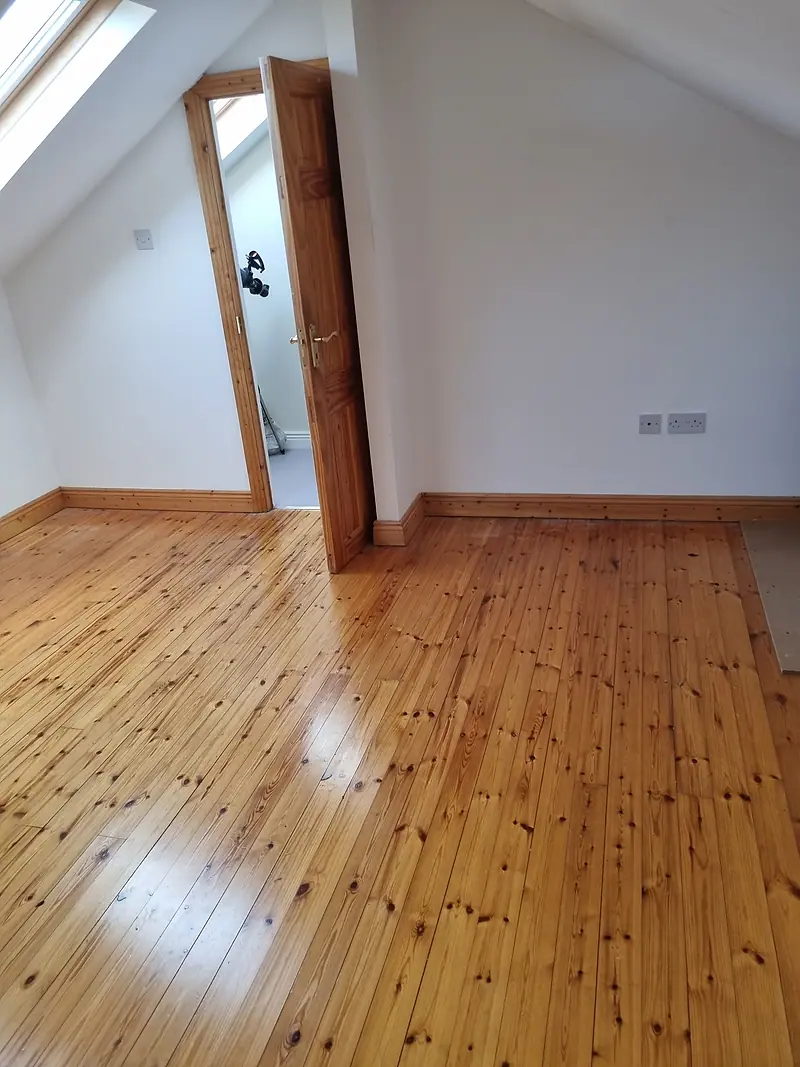
| Extended or converted house | A floored loft or attic room reached by a fixed stairs | Beds, desks and wardrobes taken apart and carried down |
If yours is the third kind, our page on loft and attic-room clearance goes into more detail. For the other two, the hatch is what decides how the day goes.
When the hatch is barely wider than your shoulders
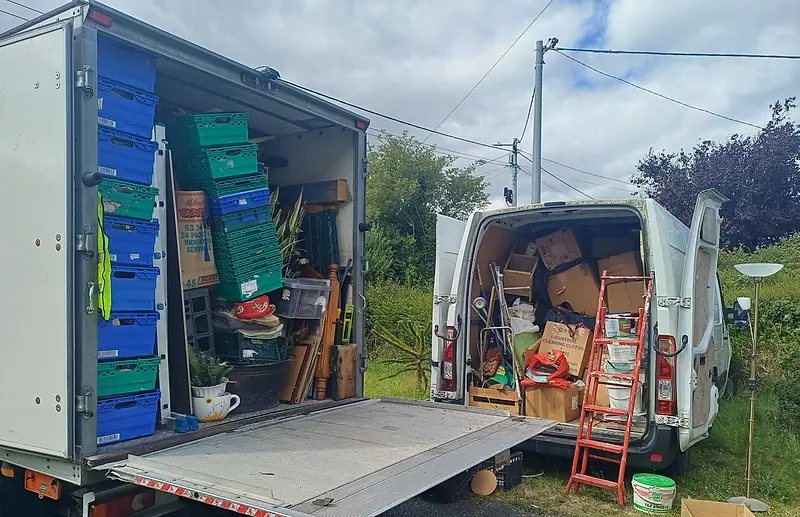
A small hatch doesn't stop a clearance. It changes how we work. One of us stays in the attic and passes things down, one stands on the ladder, and one takes each load from the landing out to the van. Boxes too heavy to pass safely are split into bags up in the attic first. A cot, a bed frame or a set of shelves that went up in pieces comes down in pieces too.
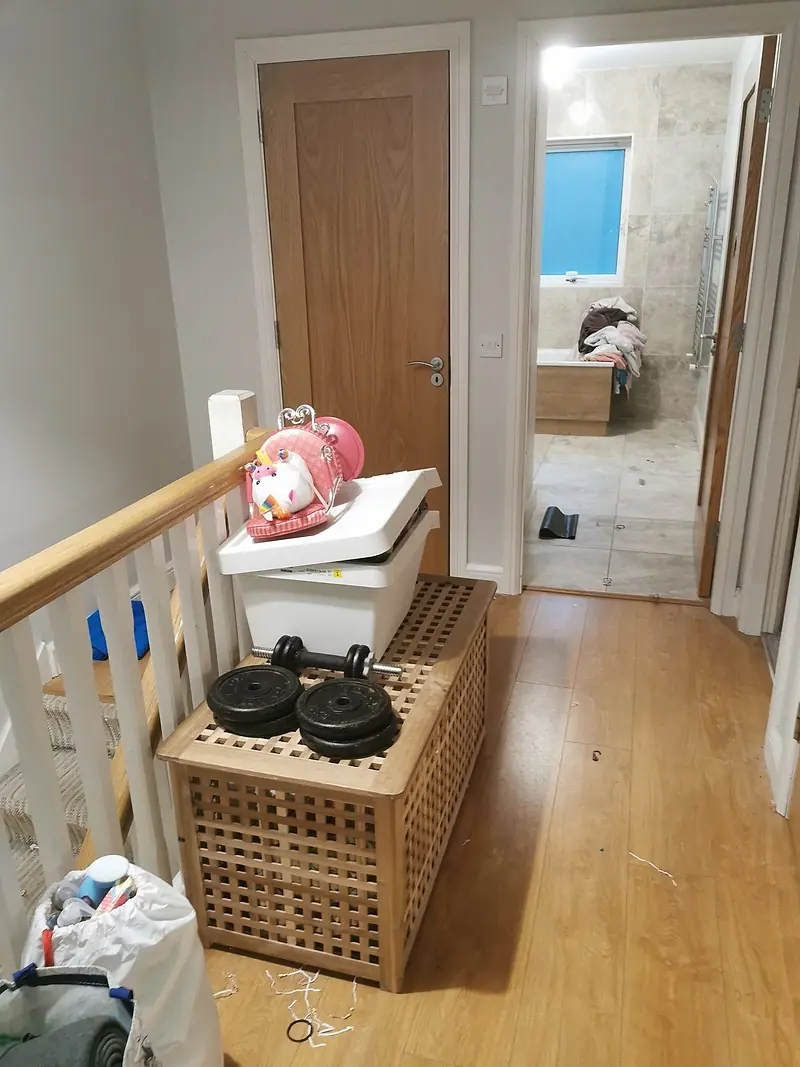
We bring our own ladder if there isn't one fixed, and we lay covers on the landing and stairs before the first box moves, because attic dust gets everywhere. Covers on stair carpets are something customers often mention in their reviews.
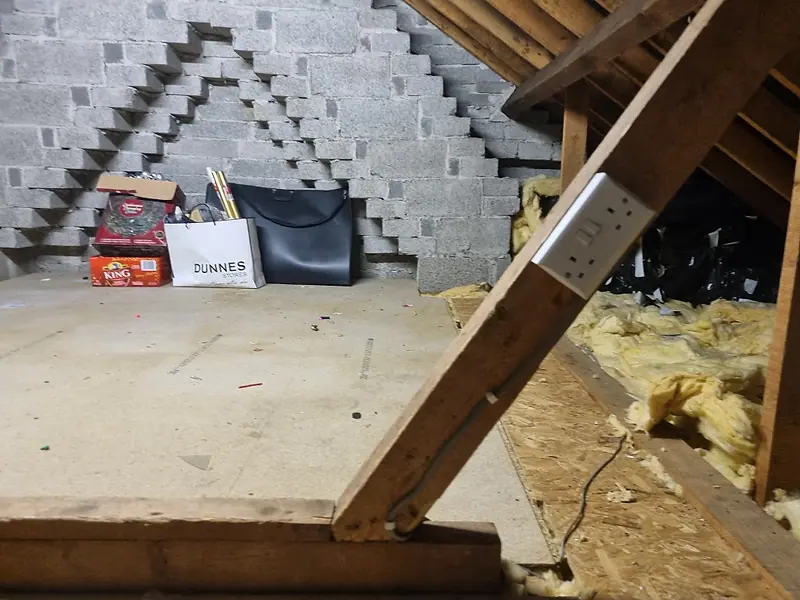
The ceilings are what we watch most closely in the older red-bricks. Lath and plaster cracks easily, so nobody steps between the joists, and anything stored on loose boards is lifted off slowly.
 spotless.ie
Decades of boxes, and time to go through them
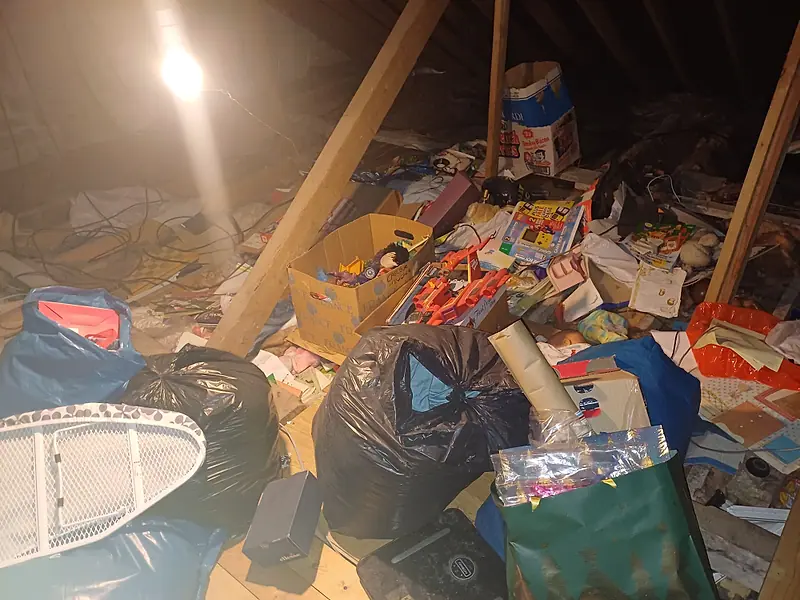
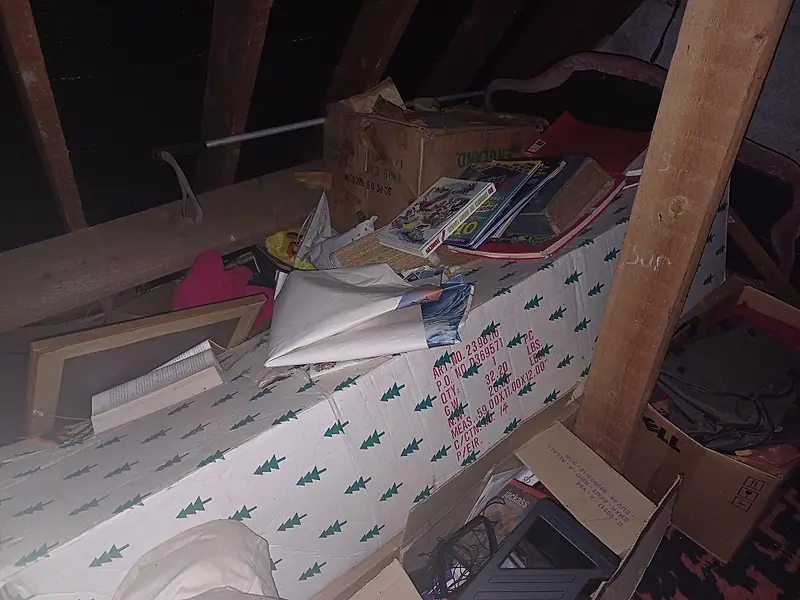
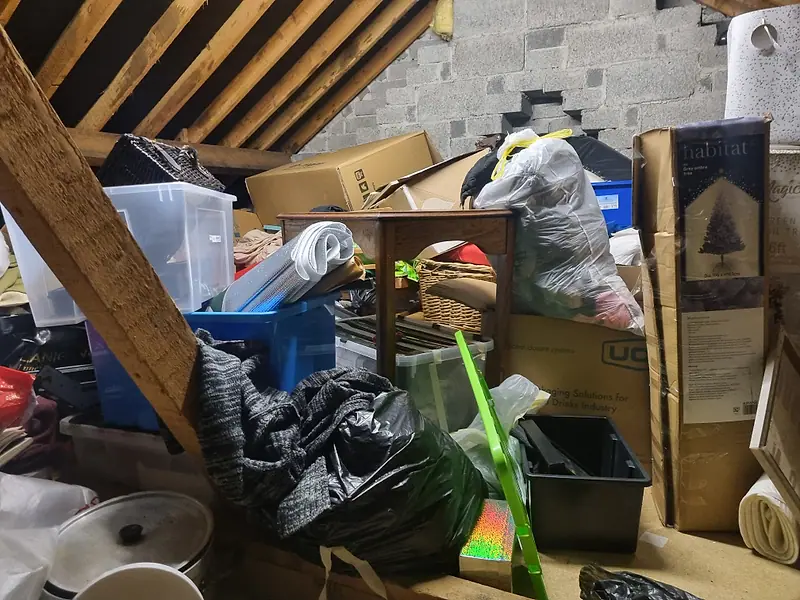
When a house has been home to the same family for a long time, the attic holds most of that history: school reports, Christmas decorations from several decades, suitcases nobody has opened since the last holiday, a spare set of almost everything. That's why we don't rush the sorting.
- You see it before it goes. Each bag and box can be checked on the landing before it's carried out.
- Paperwork is kept apart. Anything with names, addresses or bank details is set aside for you to keep or shred.
- Family items are grouped. If relatives want first look at photos or keepsakes, we gather them in one place.
- Reusable things are separated. Decorations, toys and small furniture in decent condition go aside for reuse where possible.
If you're clearing a parent's home rather than your own, the pace is yours to set. Our bereavement clearance page explains how we handle a full family home.
Croke Park, DCU and parking on your road
Being so close to Croke Park matters for an attic job just as much as for a whole house. On big match and concert days, roads around the stadium close or fill up and a van can be stuck going nowhere, so we check the fixture list with you before fixing a date. Term time at DCU's St Patrick's Campus also brings more cars onto the streets nearby.
Many roads here have permit or pay-and-display parking. An attic usually needs less van time than a full clearance, but we still need somewhere legal to stop close to the door. Tell us the rules on your road, and whether you can get a visitor permit for the day.
Want a price for a Drumcondra attic? Send two or three photos of the attic and one of the hatch from the landing on WhatsApp, with your road. We'll come back with a fixed price, usually the same day.
What decides the price
Every attic is priced from your photos, and the figure we give is the figure you pay, agreed before anything is booked. Four things move it:
- How much is up there. A few rows of boxes, or a loft packed to the felt.
- The hatch and the ladder. A small opening with no ladder takes longer.
- The floor. Working from joists is slower than walking on boards.
- Awkward items. Old water tanks, heavy trunks, or anything that has to be taken apart first.
Our waste collection permit is NWCPO-25-13287-01, which makes us an authorised waste carrier, and insurance covers the whole job. What we bring down is sorted: reusable items set aside, metals, electricals and cardboard recycled, and the rest taken to licensed facilities.
The rest of the house, if it needs it
An attic is often the first job on a longer list. If the garage at the back is full of tins and tools, see our Drumcondra garage clear-outs; for the shed at the end of the garden, see shed clearance in Drumcondra. A whole property is covered by house clearance in Drumcondra, and once the rooms are empty we can clean the carpets as well.
For how attic clearance works wherever we go, see our main attic clearance page, or read the attic clearance guide if you'd like to make a start yourself.